Efficient water recovery and tailings management are essential for modern mining, quarrying, and sand processing plants. With stricter environmental regulations and rising water costs, selecting the right dewatering equipment has become more important than ever.
Three of the most common solutions are dewatering screens, filter presses, and thickeners. While all three are designed to separate solids from water, they operate using different principles and are suitable for different stages of the processing circuit.
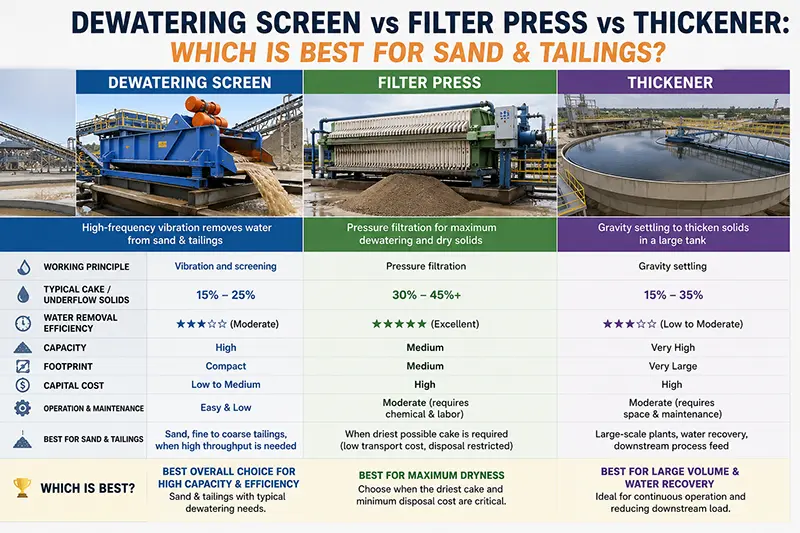
This guide compares dewatering screens vs filter presses vs thickeners, explaining how each system works, their advantages and limitations, operating costs, and the applications where they perform best.
Why Is Dewatering Important?
During mineral processing and aggregate production, large volumes of water are used for washing, classification, flotation, and grinding. If this water is not recovered efficiently, plants may face:
High water consumption
Increased operating costs
Difficult tailings transportation
Environmental compliance issues
Larger tailings storage facilities
Reduced processing efficiency
An effective dewatering system minimizes water loss while producing stackable solids and enabling water recycling.
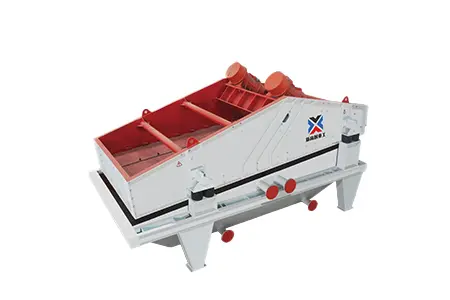
What Is a Dewatering Screen?
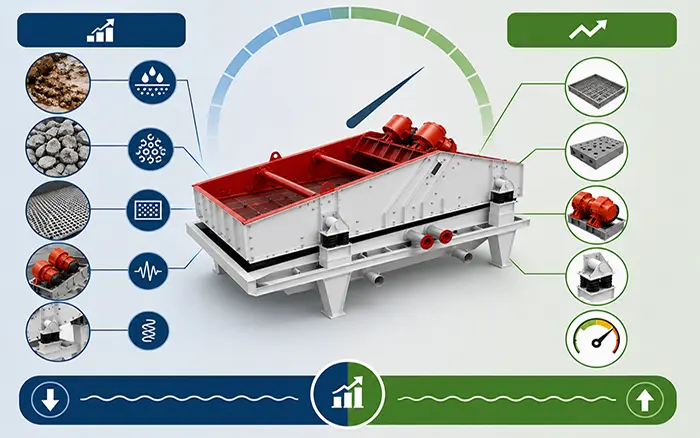
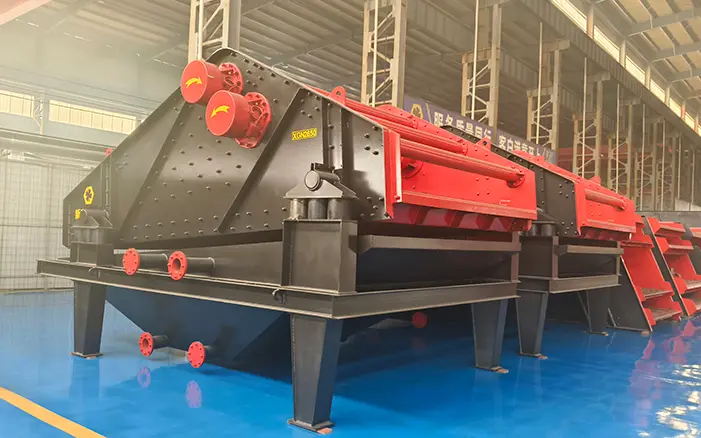
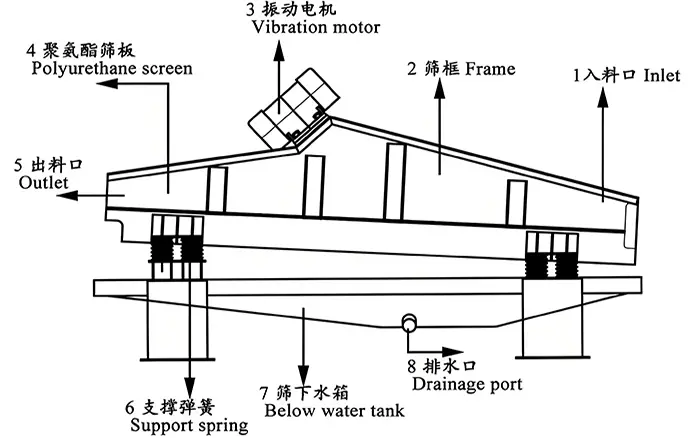
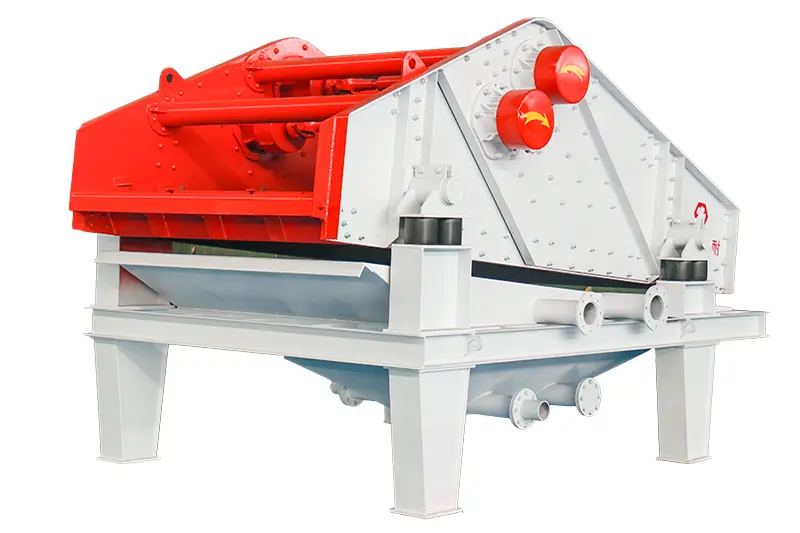
A dewatering screen is a vibrating machine designed to remove free water from sand, aggregates, coal, and mineral concentrates.
Unlike conventional vibrating screens, a dewatering screen uses high-frequency vibration and an upward deck angle to rapidly separate water from solids.
Working Principle
The slurry is fed onto the screen surface.
High-frequency vibration causes water to pass through the screen openings while coarse particles remain on the deck.
The discharged material typically contains 10–20% moisture, depending on particle size and material characteristics.
Advantages
High processing capacity
Simple structure
Low maintenance
Low energy consumption
Continuous operation
Ideal for coarse particles
Limitations
Not suitable for ultrafine particles
Final moisture content is higher than that of filter presses
Requires properly classified feed material
Best Applications
Manufactured sand production
Sand washing plants
Aggregate processing
Coal preparation
Mineral concentrates
What Is a Thickener?
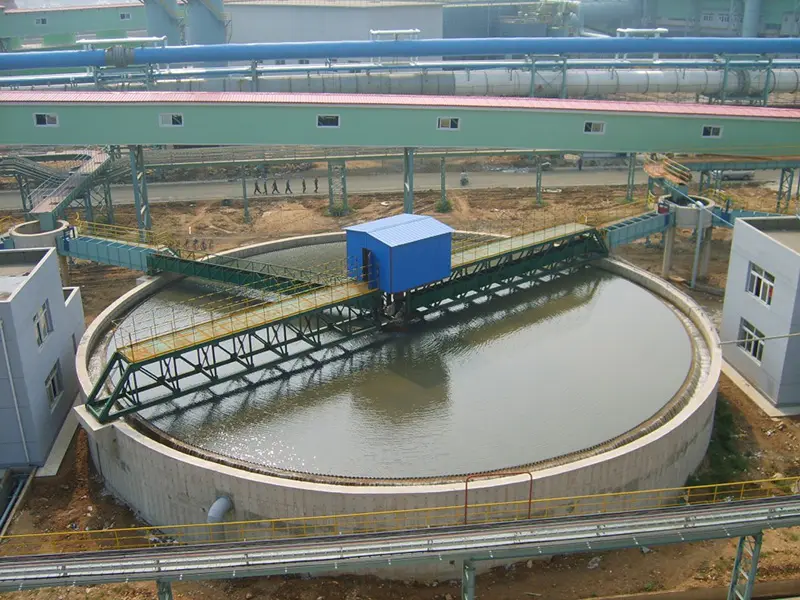
A thickener is a gravity separation device used to concentrate slurry before further dewatering.
Instead of producing a dry product, a thickener increases the solids concentration while recovering a large amount of process water.
Working Principle
The slurry enters a large circular tank.
Gravity causes solid particles to settle to the bottom, while clarified water overflows from the top.
A rake mechanism slowly transports the settled solids toward the discharge outlet.
The underflow slurry generally contains 40–70% solids, depending on material characteristics.
Advantages
Excellent water recovery
Low operating cost
Continuous operation
Suitable for high-capacity plants
Reduces the load on downstream equipment
Limitations
Cannot produce dry tailings
Requires large installation space
Sludge still requires further dewatering
Best Applications
Tailings concentration
Mineral processing plants
Water recycling systems
Pre-treatment before filter presses
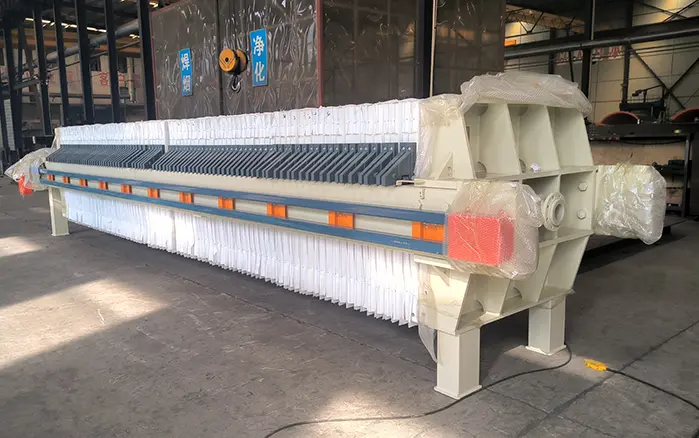
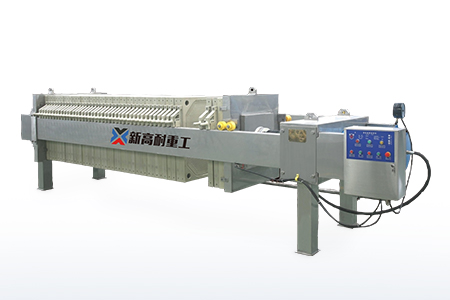
What Is a Filter Press?
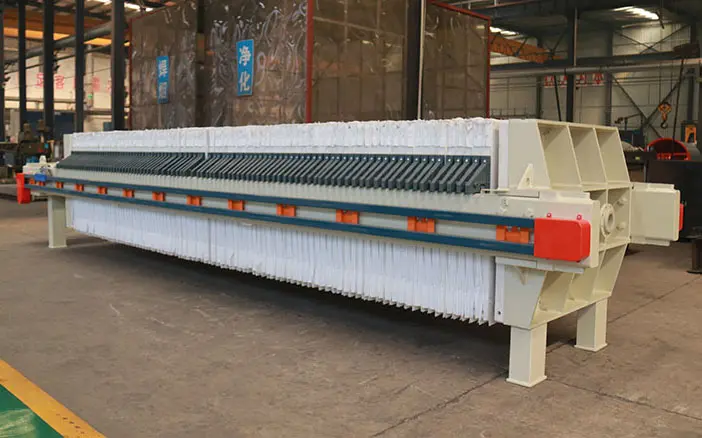
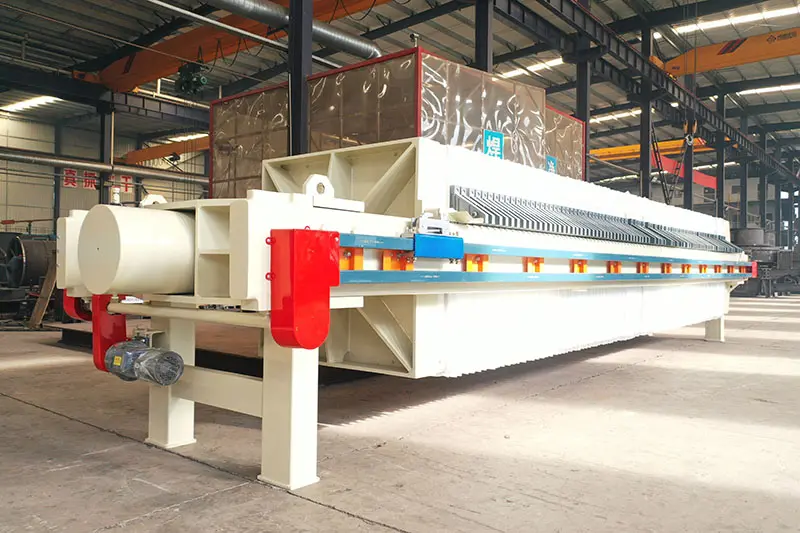
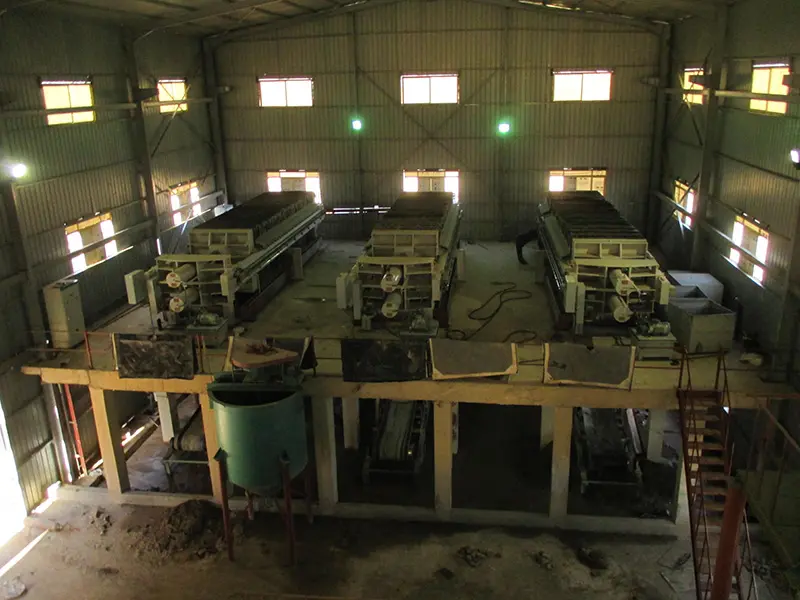
A filter press is a pressure filtration system capable of producing the driest filter cake among common dewatering technologies.
It is widely used for tailings disposal, concentrate dewatering, and wastewater treatment.
Working Principle
Slurry is pumped into filter chambers lined with filter cloth.
High hydraulic pressure forces water through the filter media while solids remain inside the chambers.
After filtration, the plates open automatically and discharge compact filter cakes.
Typical cake moisture ranges from 10% to 25%, depending on the material.
Advantages
Lowest final moisture content
Maximum water recovery
Dry, stackable filter cake
Reduced tailings storage requirements
Easier transportation and disposal
Limitations
Higher initial investment
More complex operation
Periodic filter cloth maintenance
Longer filtration cycle
Best Applications
Tailings dry stacking
Concentrate filtration
Industrial wastewater treatment
Fine mineral processing
Dewatering Screen vs Filter Press vs Thickener
| Feature | Dewatering Screen | Thickener | Filter Press |
|---|---|---|---|
| Working Principle | Vibrating screening | Gravity settling | Pressure filtration |
| Feed Material | Coarse slurry | Slurry | Concentrated slurry |
| Final Moisture | 10–20% | High moisture slurry | 10–25% filter cake |
| Water Recovery | Medium | High | Very High |
| Processing Capacity | Very High | Very High | Medium |
| Operating Mode | Continuous | Continuous | Batch/Cycle |
| Investment Cost | Low | Medium | High |
| Maintenance | Low | Low | Medium |
| Space Requirement | Small | Large | Medium |
| Best For | Sand & aggregates | Slurry concentration | Tailings dry stacking |
Which Equipment Is Best for Sand Processing?
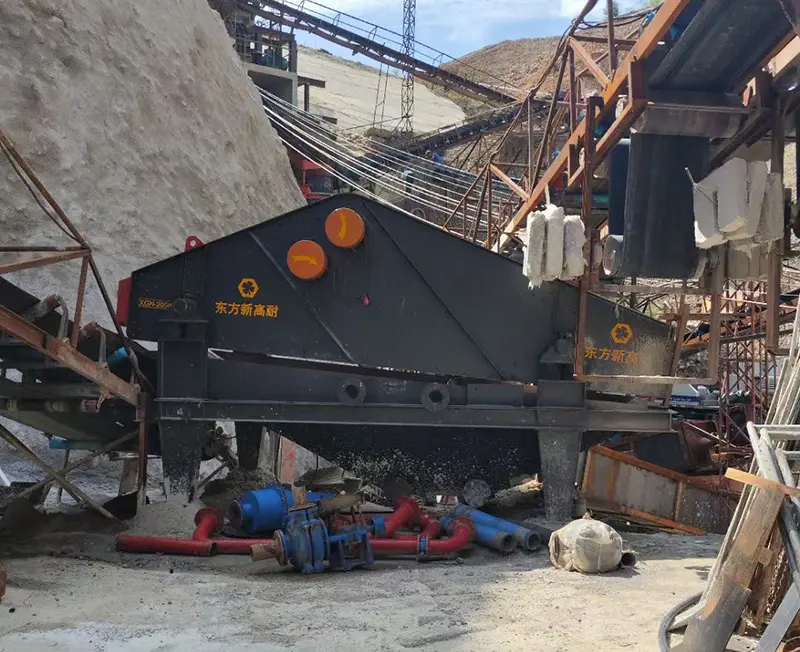
For sand washing plants, a dewatering screen is usually the preferred solution.
Reasons include:
High production capacity
Continuous operation
Low energy consumption
Excellent recovery of finished sand
Lower investment cost
Many manufactured sand plants combine a sand washer with a dewatering screen to produce clean, low-moisture sand suitable for commercial use.
Which Equipment Is Best for Tailings Dewatering?
For mine tailings, the answer depends on the final disposal method.
Thickener Only
Suitable when the objective is to recover water and transport slurry through pipelines.
Filter Press Only
Best for producing dry stack tailings with minimum moisture.
Thickener + Filter Press
This is the most common solution in modern mining operations.
The thickener first concentrates the slurry, reducing the load on the filter press.
The filter press then produces dry filter cakes suitable for stacking, transportation, or backfilling.
This combination offers:
Higher water recovery
Lower filtration cost
Reduced energy consumption
Improved filter press efficiency
Cost Comparison
Initial investment and operating costs vary significantly.
| Equipment | Initial Investment | Operating Cost | Water Recovery |
|---|---|---|---|
| Dewatering Screen | Low | Low | Medium |
| Thickener | Medium | Low | High |
| Filter Press | High | Medium | Very High |
Although a filter press has the highest purchase cost, it often provides the lowest long-term disposal cost because of reduced tailings volume and maximum water recycling.
How to Choose the Right Dewatering Equipment
When selecting a dewatering system, consider:
Material Characteristics
Particle size distribution
Clay content
Slurry concentration
Solid density
Production Capacity
Large-capacity plants generally benefit from combining multiple dewatering technologies.
Moisture Requirements
If low final moisture is critical, a filter press is usually the best choice.
Environmental Regulations
Dry stack tailings systems increasingly require filter presses to minimize environmental impact.
Budget
Balance initial investment with long-term operating and disposal costs.
Can These Machines Be Used Together?
Yes. In fact, many modern processing plants combine all three systems to maximize efficiency.
A typical process may follow this sequence:
Dewatering Screen – Removes free water from coarse sand.
Thickener – Concentrates fine slurry and recovers process water.
Filter Press – Produces dry filter cake for final disposal or reuse.
This integrated approach improves water recovery, reduces waste volume, and lowers overall operating costs.
Selecting the Best Dewatering Solution for Your Plant
There is no single dewatering solution that fits every application. A dewatering screen is ideal for coarse sand and aggregate production, a thickener efficiently concentrates slurry while recovering water, and a filter press delivers the driest filter cake for tailings disposal.
For many mining and quarry operations, combining these technologies provides the best balance of productivity, water recovery, environmental compliance, and long-term operating costs. Evaluating material characteristics, production targets, and disposal requirements is the key to designing an efficient and sustainable dewatering system.