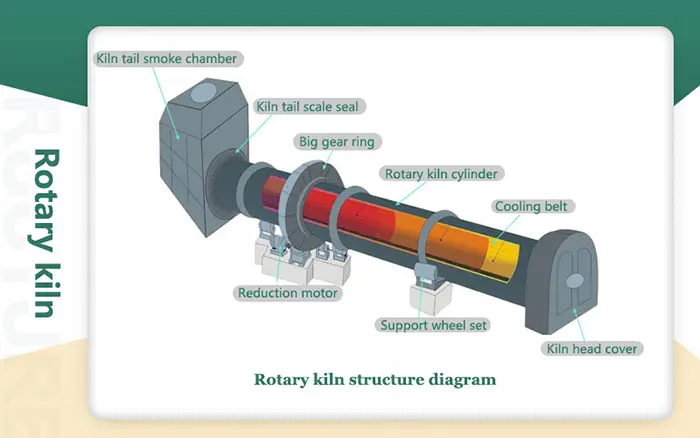
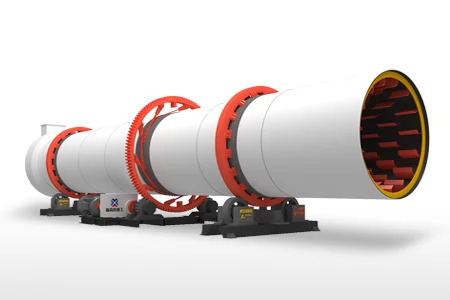
Rotary dryers are widely used in mining, aggregate production, metallurgy, cement plants, fertilizer manufacturing, biomass processing, and chemical industries to reduce the moisture content of bulk materials. Whether drying sand, limestone, coal, slag, gypsum, clay, or mineral concentrates, selecting the right rotary dryer is essential for achieving high productivity and energy efficiency.
One of the most common questions buyers ask is: How much does a rotary dryer cost? The answer depends on several factors, including capacity, material characteristics, heat source, moisture requirements, automation level, and equipment configuration.
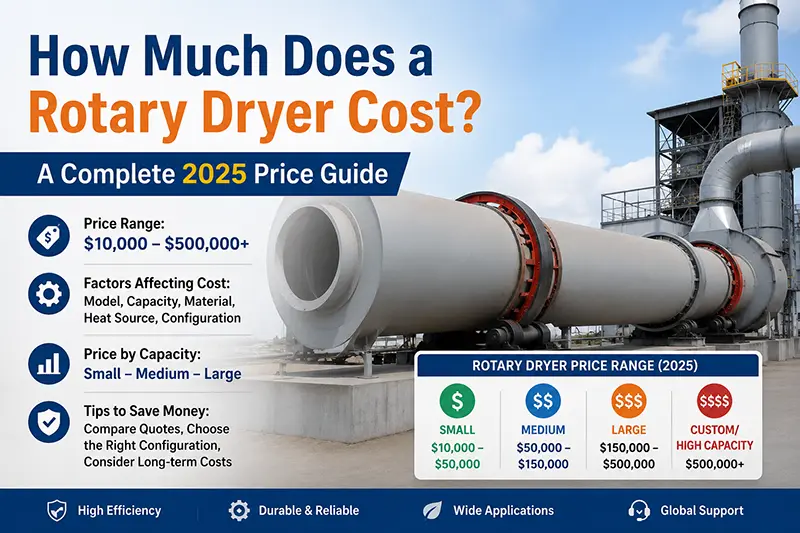
This Rotary Dryer Price Guide 2025 explains current price ranges, the factors that influence equipment costs, and practical tips for selecting the most cost-effective rotary drying system for your project.
What Is a Rotary Dryer?
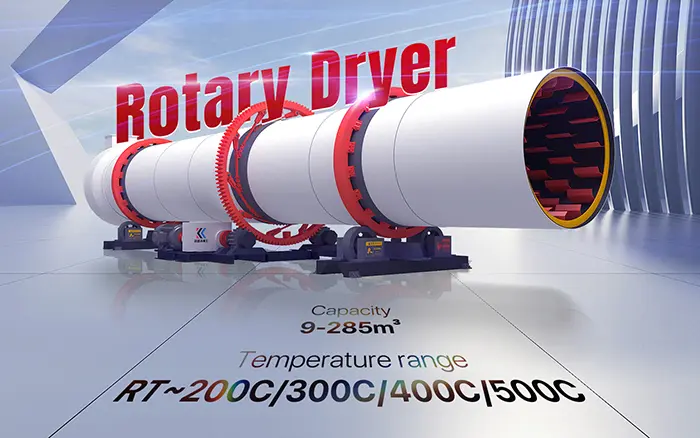
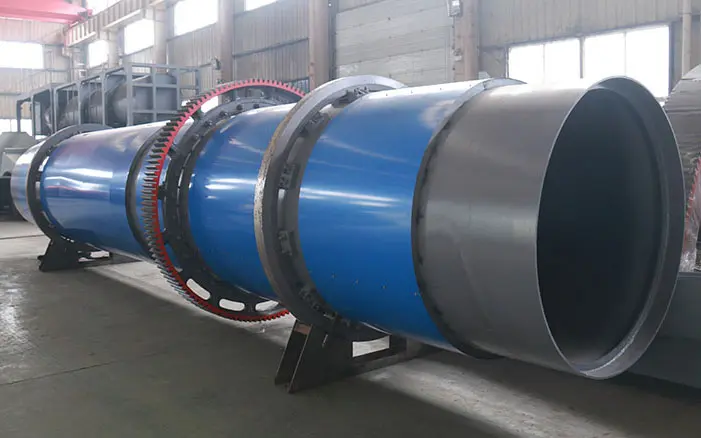
A rotary dryer, also known as a rotary drum dryer, is an industrial drying machine that removes moisture by continuously rotating a cylindrical drum while exposing materials to a stream of hot air or hot gas.
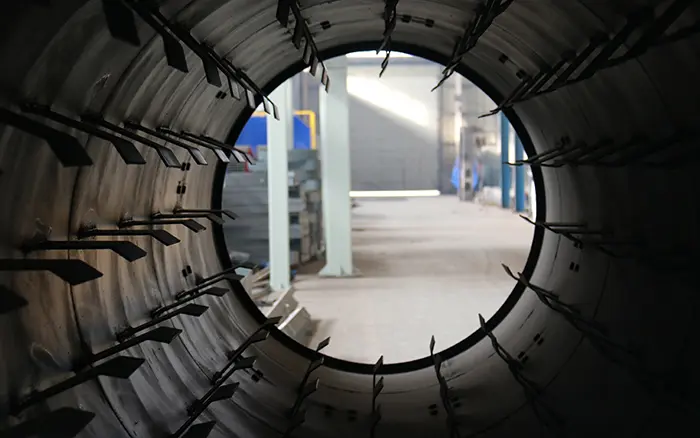
The rotating motion lifts and cascades the material through the drum, maximizing contact between the material and the drying medium. This design provides efficient heat transfer, high throughput, and uniform drying performance.
Rotary dryers are commonly used for processing:
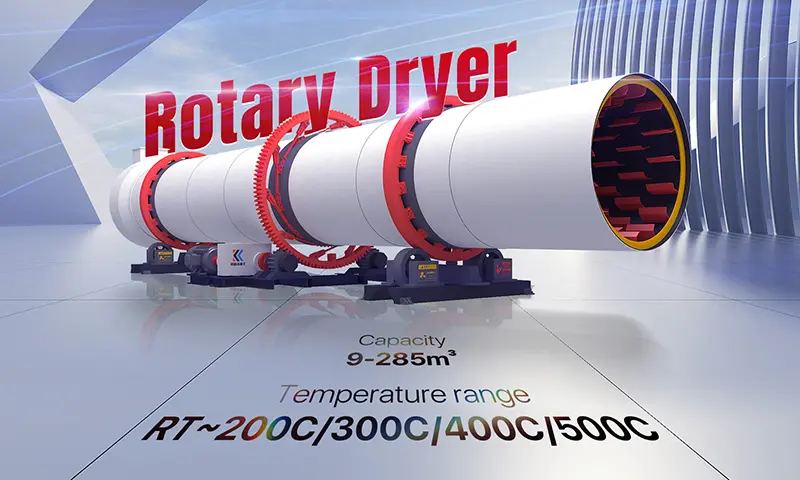
Average Rotary Dryer Price in 2025
Rotary dryer prices vary significantly depending on production capacity, drum dimensions, heating system, and automation level.
The following table provides typical price ranges for industrial rotary dryers.
| Capacity | Typical Price (USD) |
|---|---|
| 1–5 TPH | $8,000–$20,000 |
| 5–15 TPH | $20,000–$45,000 |
| 15–30 TPH | $45,000–$90,000 |
| 30–60 TPH | $90,000–$180,000 |
| 60–100+ TPH | $180,000–$500,000+ |
Note: These prices are reference ranges. The final quotation depends on technical specifications, optional equipment, shipping costs, and project requirements.
What Factors Affect Rotary Dryer Price?
Several key factors determine the total cost of a rotary dryer.
Production Capacity
Capacity is one of the biggest price drivers.
Higher-capacity dryers require:
Larger drums
More powerful drive systems
Increased steel consumption
Larger burners
Higher-capacity dust collection systems
As production capacity increases, equipment cost also rises.
Material Characteristics
Different materials require different dryer designs.
Important considerations include:
Moisture content
Bulk density
Particle size
Abrasiveness
Stickiness
Heat sensitivity
For example, drying wet clay or sludge often requires specialized lifting flights and anti-sticking designs, increasing equipment costs.
Heat Source
The heating system has a significant impact on the overall investment.
Common heat sources include:
Natural gas
Coal
Diesel
Biomass
Heavy oil
Steam
Electric heating
Natural gas systems generally offer high thermal efficiency and cleaner emissions, while biomass and coal may provide lower fuel costs in certain regions.
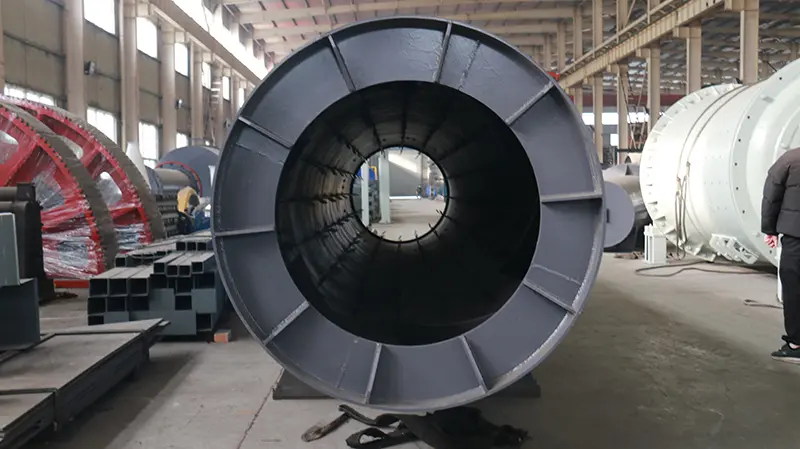
Drum Material
The drum material affects durability and price.
Common options include:
Carbon steel
Stainless steel
Heat-resistant alloy steel
Stainless steel rotary dryers are more expensive but provide excellent corrosion resistance for chemical and food-processing applications.
Automation Level
Modern rotary dryers can be equipped with advanced automation features such as:
PLC control systems
Touchscreen interfaces
Variable frequency drives (VFDs)
Automatic temperature control
Remote monitoring
Higher automation improves operational efficiency but increases the initial investment.
Environmental Protection Equipment
Many projects require additional environmental protection systems.
Optional equipment may include:
Cyclone dust collectors
Wet scrubbers
Exhaust fans
Noise reduction systems
These components help meet environmental regulations but also add to the project cost.
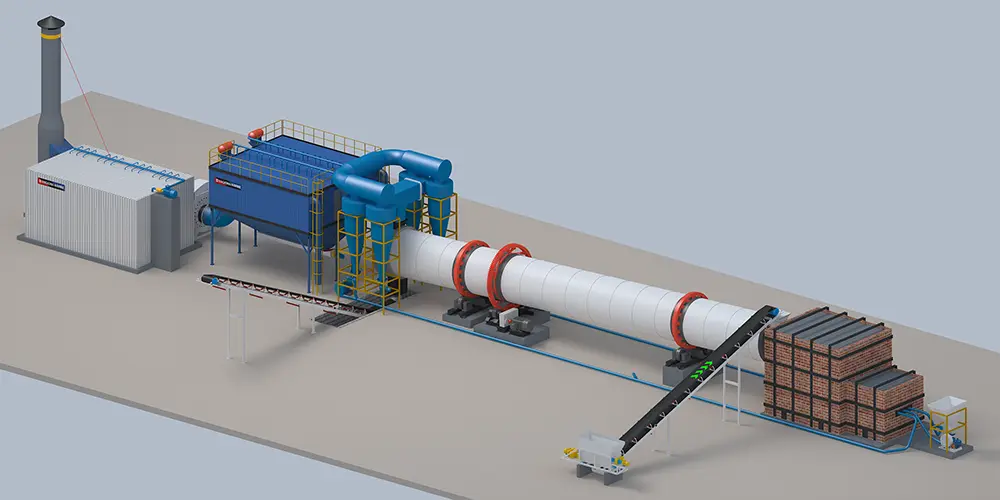
Typical Rotary Dryer Production Line Equipment
A complete rotary drying plant includes more than the dryer itself.
Typical equipment includes:
| Equipment | Function |
|---|---|
| Hopper | Material storage |
| Material feeding | |
| Rotary Dryer | Moisture removal |
| Burner / Hot Air Furnace | Heat generation |
| Cyclone Separator | Dust pre-separation |
| Bag Dust Collector | Fine dust removal |
| Induced Draft Fan | Airflow control |
| Belt Conveyor | Finished product transport |
| PLC Control Cabinet | Automatic operation |
A complete production line generally costs more than purchasing a standalone rotary dryer.
Rotary Dryer Price by Industry
Different industries have different drying requirements.
Sand Drying Plant
Typical capacity:
10–50 TPH
Estimated investment:
$30,000–$150,000
Limestone Drying
Because limestone has relatively low moisture content, drying systems are generally simpler and more energy-efficient.
Estimated investment:
$25,000–$120,000
Slag Drying
Slag often contains high moisture and requires greater drying capacity.
Estimated investment:
$60,000–$250,000
Biomass Drying
Wood chips, sawdust, and biomass require specialized lifting flights and precise temperature control.
Estimated investment:
$40,000–$180,000
How to Reduce Rotary Dryer Investment Costs
Purchasing the lowest-priced equipment does not always result in the lowest overall project cost.
To maximize return on investment:
Select a dryer that matches your actual production requirements.
Avoid oversized equipment with unnecessary capacity.
Choose an energy-efficient heating system.
Optimize the process layout to reduce installation costs.
Compare multiple manufacturers based on quality and service—not just price.
Consider long-term maintenance and spare parts availability.
A well-designed drying system often delivers lower operating costs over its lifetime, even if the initial investment is higher.
Choosing a Reliable Rotary Dryer Manufacturer
The supplier plays an important role in the success of your project.
When evaluating manufacturers, consider:
Industry experience
Engineering capabilities
Manufacturing quality
Successful project references
Technical support
Spare parts availability
Installation guidance
After-sales service
A reputable manufacturer can help optimize equipment selection and improve long-term operational reliability.
Should You Choose a Standard or Customized Rotary Dryer?
Standard rotary dryers are suitable for many common materials and usually offer shorter delivery times and lower costs.
However, customized designs are recommended when processing materials with:
High moisture content
Sticky characteristics
High abrasiveness
Heat sensitivity
Unusual particle sizes
Although customized equipment typically requires a higher initial investment, it often improves drying efficiency, reduces maintenance, and lowers operating costs over the long term.
Making a Smart Rotary Dryer Investment
The price of a rotary dryer depends on far more than the size of the machine. Capacity, material properties, heat source, automation level, environmental requirements, and overall plant configuration all influence the final investment.
Rather than focusing solely on purchase price, buyers should evaluate total lifecycle costs, including energy consumption, maintenance, production efficiency, and equipment reliability. Selecting a properly engineered rotary drying system from an experienced manufacturer can improve product quality, reduce operating expenses, and deliver greater long-term value.