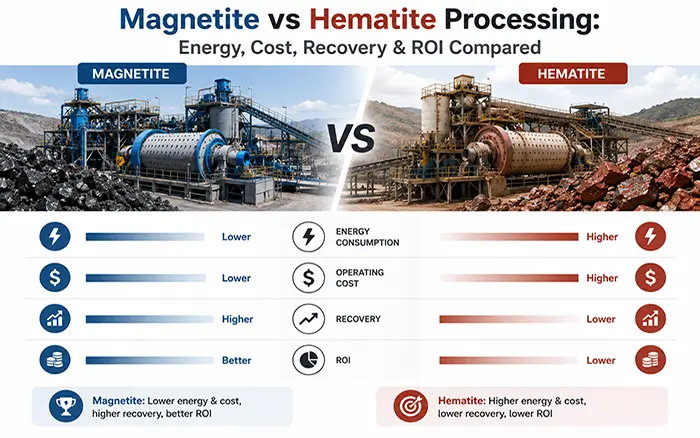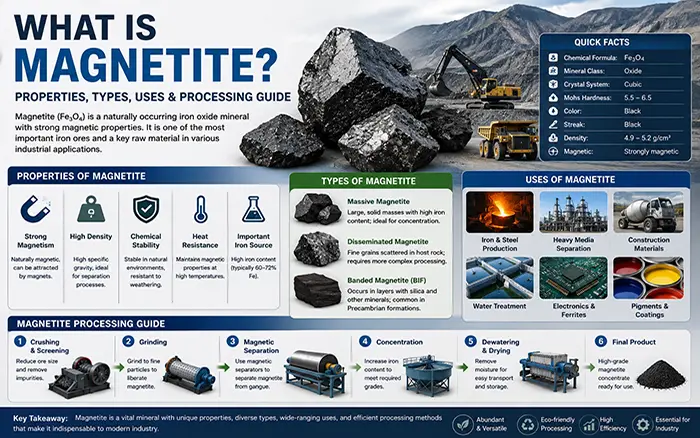
Magnetite is one of the most valuable iron ores because of its strong magnetic properties and relatively simple beneficiation process. Unlike hematite, which often requires high-intensity magnetic separation or flotation, magnetite can usually be recovered efficiently using Low Intensity Magnetic Separation (LIMS). This technology has become the standard separation method for magnetite processing plants worldwide due to its high recovery, low operating cost, and excellent processing capacity.
Whether designing a new magnetite beneficiation plant or upgrading an existing production line, understanding the Low Intensity Magnetic Separation (LIMS) for magnetite process is essential for maximizing iron recovery while minimizing energy consumption and operating costs.
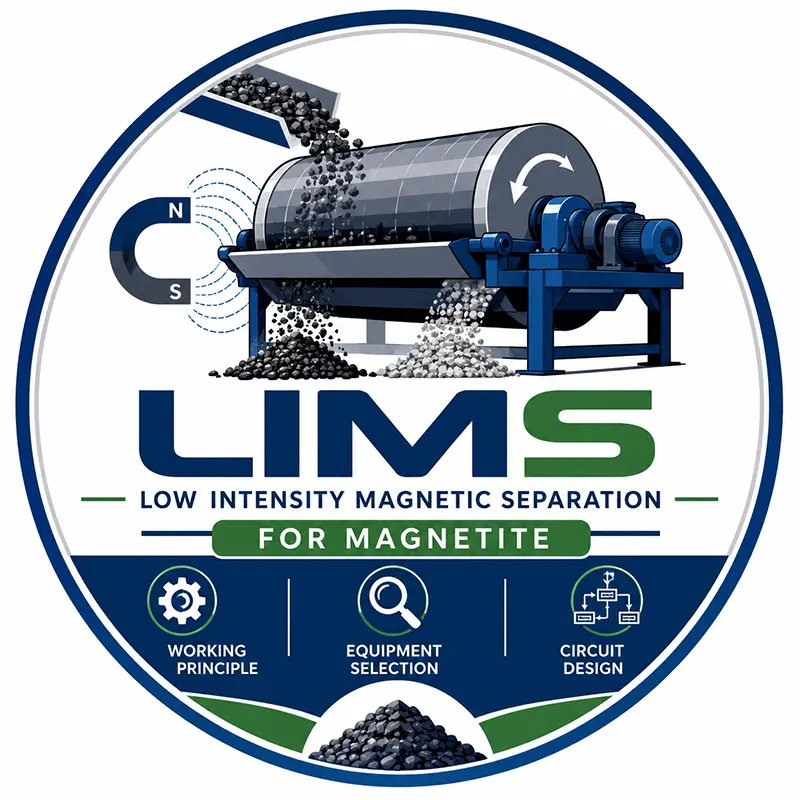
This guide explains the working principle of LIMS, equipment selection, circuit design, operating parameters, and optimization strategies for efficient magnetite processing.
What Is Low Intensity Magnetic Separation (LIMS)?
Low Intensity Magnetic Separation (LIMS) is a beneficiation process that separates strongly magnetic minerals from non-magnetic gangue using a magnetic field with relatively low magnetic intensity.
Because magnetite has high magnetic susceptibility, it is easily attracted to the magnetic drum, while non-magnetic minerals such as quartz, feldspar, and silicates are discharged as tailings.
LIMS is the most widely used magnetic separation technology for:
Magnetite ore
Titanomagnetite
Vanadium-titanium magnetite
Magnetite concentrates
Heavy media recovery
Typical magnetic field intensity ranges from:
0.08–0.20 Tesla (800–2,000 Gauss)
Why Is LIMS Ideal for Magnetite?
Magnetite (Fe₃O₄) is naturally ferromagnetic, making it much easier to separate than weakly magnetic iron ores.
Key advantages include:
High magnetic susceptibility
Excellent recovery rates
Low power consumption
High processing capacity
Mature and reliable technology
Lower operating costs than flotation
In many magnetite processing plants, LIMS alone can achieve iron recoveries exceeding 95%, depending on ore characteristics and circuit design.
Low Intensity Magnetic Separation Working Principle
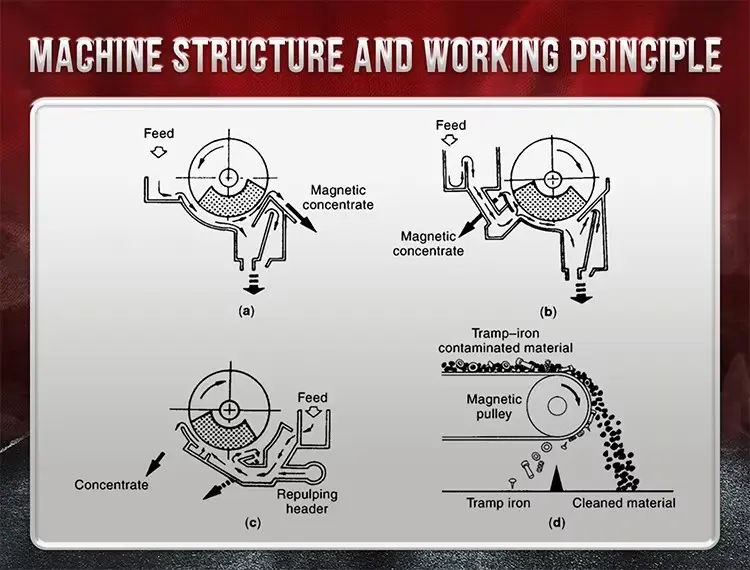
The working principle of Low Intensity Magnetic Separation (LIMS) is based on the magnetic properties of magnetite.
The separation process follows these steps:
Crushed and ground magnetite slurry is fed into the magnetic separator.
The rotating drum generates a low-intensity magnetic field.
Magnetite particles are attracted to the drum surface.
Non-magnetic minerals remain in the slurry and flow away as tailings.
The magnetic concentrate is carried by the rotating drum.
As the drum rotates beyond the magnetic zone, the concentrate is released and collected.
This continuous process enables efficient recovery of magnetite while maintaining high throughput.
Main Components of a LIMS System
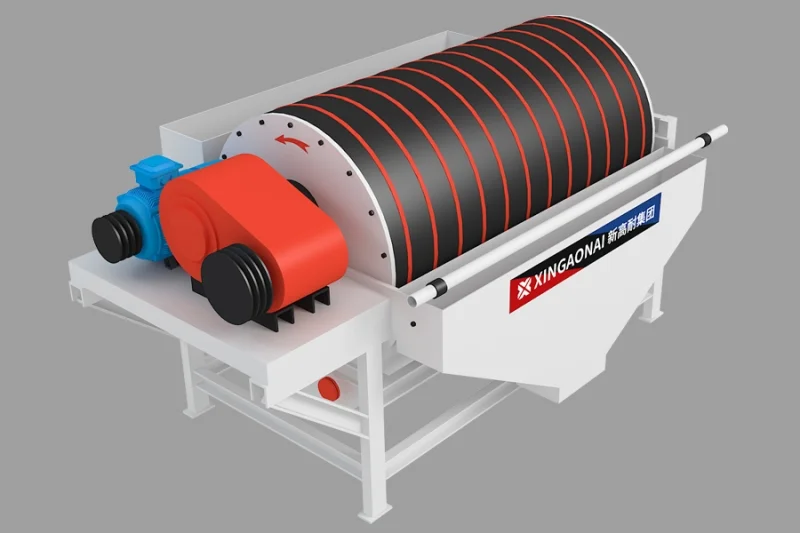
A typical low intensity magnetic separator consists of several key components.
Magnetic Drum
The magnetic drum generates the magnetic field required to capture magnetite particles.
Permanent magnet drums are commonly used because they offer:
Stable magnetic strength
Low maintenance
Energy efficiency
Long service life
Feed Tank
The feed tank distributes slurry evenly across the drum, ensuring consistent separation performance.
Magnetic System
The magnetic assembly contains permanent magnets arranged to create a strong magnetic field over a specific section of the drum.
The magnetic design directly affects:
Recovery
Concentrate grade
Separation efficiency
Drum Shell
The rotating stainless-steel drum transports magnetic particles through the magnetic zone and releases them at the concentrate outlet.
Concentrate and Tailings Launders
Separate discharge channels collect magnetic concentrate and non-magnetic tailings.
Types of Low Intensity Magnetic Separators
Several LIMS configurations are available depending on the application.
Concurrent Drum Separator
In a concurrent separator, slurry and drum rotation move in the same direction.
Best suited for:
Fine particles
Rougher separation
High recovery
Counter-Current Drum Separator
The slurry flows opposite to drum rotation.
Advantages include:
Higher concentrate grade
Better removal of gangue
Improved cleaning performance
Widely used in concentrate upgrading.
Counter-Rotation Drum Separator
The slurry flows opposite to both the drum rotation and magnetic transport direction.
Suitable for:
Fine particle recovery
Cleaning stages
High-grade concentrates
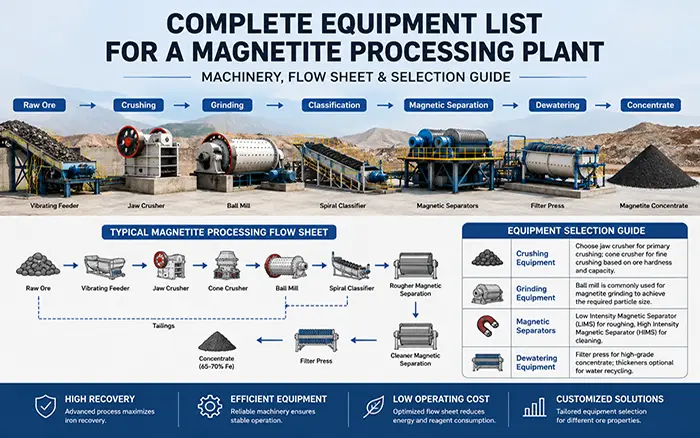
Typical Magnetite Beneficiation Flow Sheet
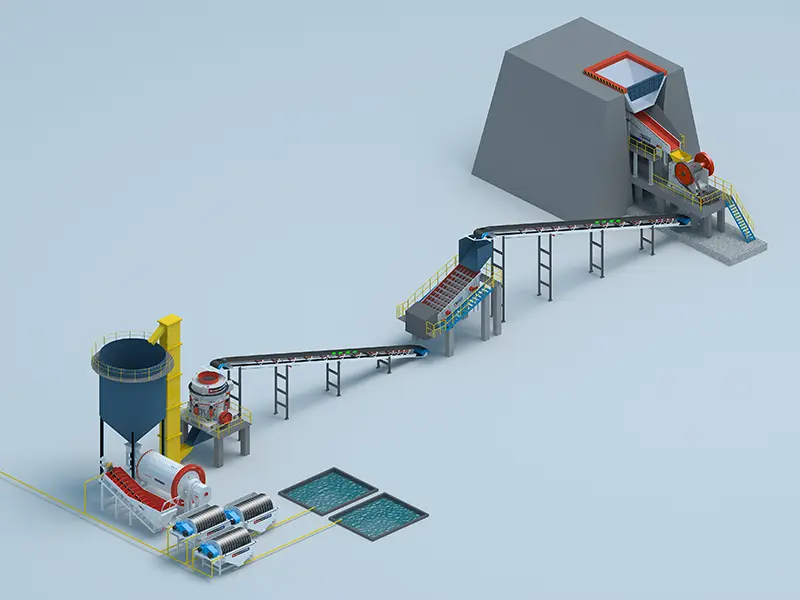
A conventional magnetite processing plant generally includes the following stages:
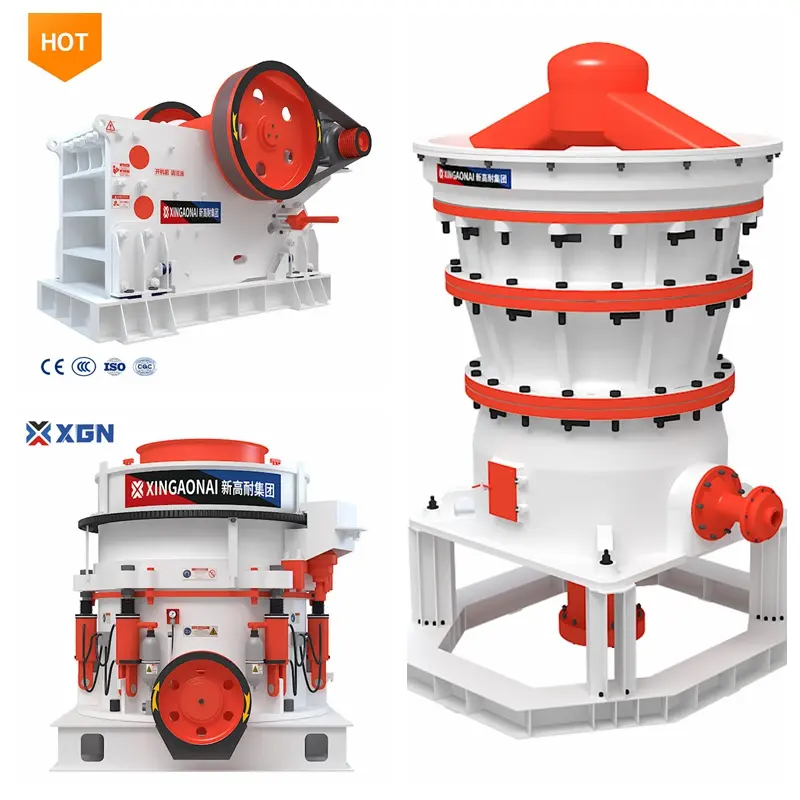
Step 1: Crushing
Large ore is reduced using:
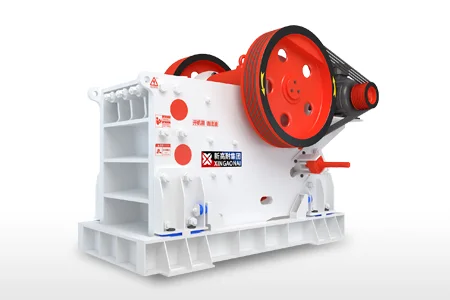
Jaw crusher
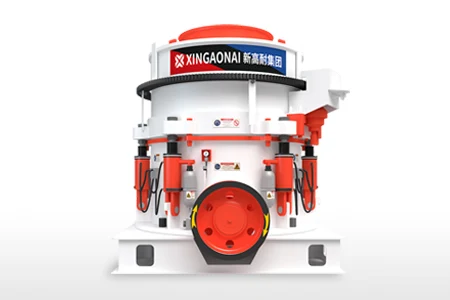
Cone crusher
Typical product size:
10–30 mm
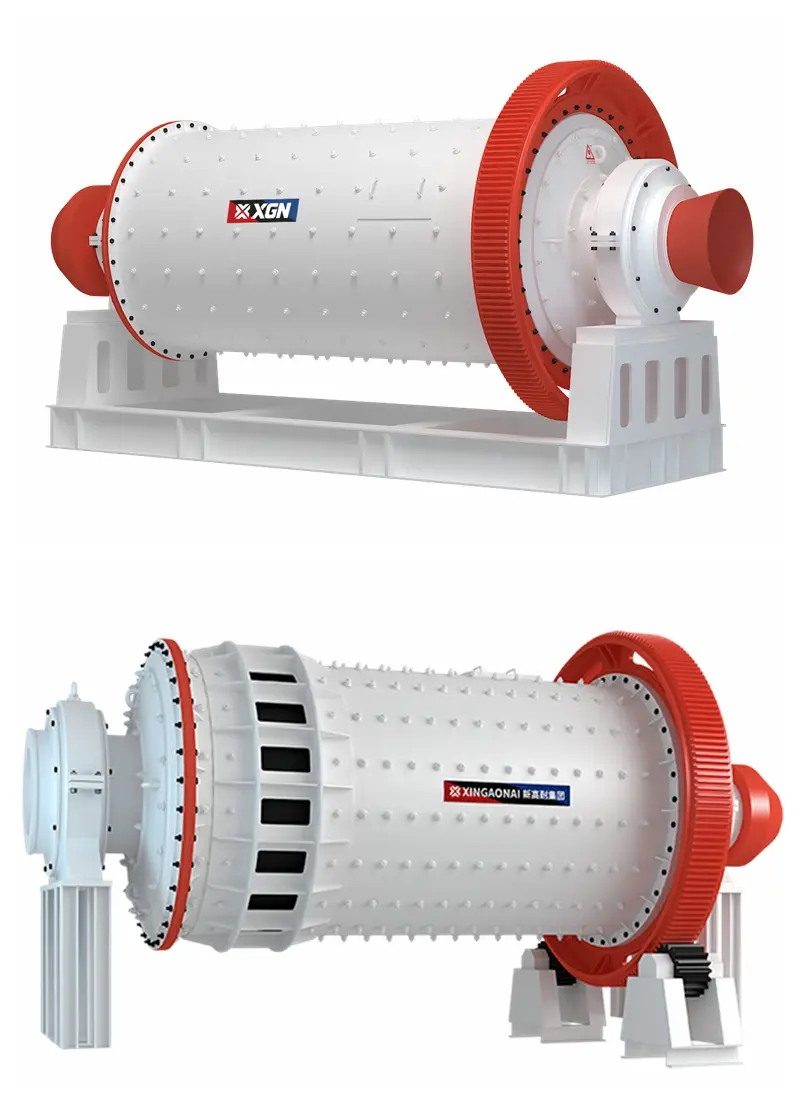
Step 2: Grinding
Grinding liberates magnetite from gangue minerals.
Common equipment:
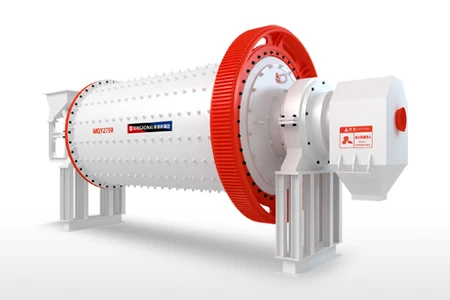
Rod mill
Hydrocyclone classification
Grinding fineness is typically:
70–90% passing 75 μm
Step 3: Low Intensity Magnetic Separation (LIMS)
Ground slurry enters the magnetic separator.
The LIMS circuit recovers magnetite concentrate while rejecting non-magnetic waste.
Step 4: Regrinding (Optional)
If the concentrate grade is insufficient, intermediate concentrates may be reground to improve mineral liberation.
Step 5: Cleaning Magnetic Separation
One or more cleaning stages increase concentrate grade while maintaining high recovery.
Step 6: Dewatering
Final concentrate is dewatered using:
Thickener
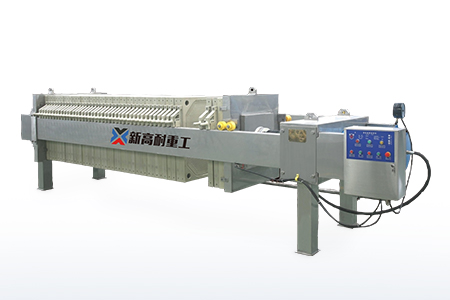
Vacuum filter
Ceramic filter
Single-Stage vs Multi-Stage LIMS Circuits
Circuit design has a significant impact on recovery and concentrate quality.
Single-Stage LIMS
Advantages:
Simple operation
Lower investment
Suitable for high-grade magnetite
Limitations:
Lower concentrate grade
Less flexibility
Multi-Stage LIMS
Typical circuit:
Rougher magnetic separation
Cleaner magnetic separation
Scavenger magnetic separation
Advantages:
Higher iron recovery
Better concentrate quality
Lower iron loss in tailings
Most modern magnetite concentrators adopt multi-stage magnetic separation circuits.
Factors Affecting LIMS Performance
Several operating parameters influence separation efficiency.
Ore Liberation
Poor liberation reduces concentrate grade and increases iron losses.
Proper grinding is essential.
Magnetic Field Strength
Magnetic intensity should match ore characteristics.
Excessively strong or weak magnetic fields may reduce separation efficiency.
Feed Particle Size
Oversized particles reduce mineral liberation.
Overgrinding creates slimes that may decrease recovery.
Slurry Density
Maintaining appropriate pulp density improves particle movement and separation efficiency.
Typical feed solids:
20–40%
Drum Speed
Excessive drum speed may reduce recovery.
Low drum speed may reduce capacity.
Optimal speed depends on ore characteristics.
Advantages of LIMS for Magnetite Processing
Compared with other beneficiation technologies, LIMS offers several advantages.
High magnetite recovery
Excellent processing capacity
Low operating cost
Low energy consumption
Simple equipment structure
Continuous operation
Reliable performance
Easy maintenance
Low water consumption
Mature industrial technology
LIMS vs High Intensity Magnetic Separation (HIMS)
| Feature | LIMS | HIMS |
|---|---|---|
| Magnetic Field | Low | High |
| Typical Intensity | 800–2,000 Gauss | 7,000–20,000+ Gauss |
| Suitable Minerals | Magnetite | Hematite, limonite, manganese |
| Recovery Efficiency | Excellent for magnetite | Better for weakly magnetic ores |
| Energy Consumption | Lower | Higher |
| Operating Cost | Lower | Higher |
LIMS is the preferred choice for strongly magnetic minerals such as magnetite, while HIMS is typically used for weakly magnetic ores.
Best Practices for Designing a LIMS Circuit
To maximize plant performance:
Conduct laboratory and pilot-scale magnetic separation tests.
Select the appropriate drum configuration for the ore.
Optimize grinding to achieve adequate mineral liberation.
Use multi-stage magnetic separation for higher concentrate grades.
Monitor magnetic field strength and drum speed regularly.
Maintain stable slurry density and feed rate.
Combine LIMS with efficient dewatering systems for improved plant efficiency.
A well-designed circuit can significantly increase recovery while reducing operating costs.
Why LIMS Remains the Preferred Technology for Magnetite Beneficiation
Low Intensity Magnetic Separation (LIMS) continues to be the most effective and economical method for recovering magnetite from iron ore. Its ability to achieve high recovery with low energy consumption and simple operation makes it the standard choice for magnetite beneficiation plants worldwide.
By combining proper ore preparation, optimized grinding, suitable magnetic separator selection, and well-designed rougher-cleaner-scavenger circuits, operators can maximize concentrate grade, minimize iron losses, and improve the long-term profitability of their processing plants.