

Lead-zinc ore is a mineral deposit containing economically recoverable amounts of lead and zinc, usually in combination with sulfide minerals and various gangue minerals. Because lead and zinc frequently occur together, these deposits are important sources of both metals and are commonly processed through integrated beneficiation systems.
The two most important ore minerals are galena, the primary lead-bearing mineral, and sphalerite, the principal zinc-bearing mineral. Depending on the deposit, lead-zinc ore may also contain silver, copper, gold, iron, and other valuable or penalty elements.
The mineralogical characteristics of a lead-zinc deposit directly influence how the ore should be crushed, ground, separated, and concentrated. Understanding the composition and occurrence of the ore is therefore essential for designing an efficient lead-zinc ore processing plant.
What Is Lead-Zinc Ore?
Lead-zinc ore refers to naturally occurring rock or mineral material in which lead- and zinc-bearing minerals occur at concentrations high enough to potentially justify extraction and processing.
A simplified mineral association may include:
Galena (PbS) – primary lead mineral
Sphalerite (ZnS) – primary zinc mineral
Pyrite (FeS₂) – common sulfide gangue or associated mineral
Chalcopyrite (CuFeS₂) – possible copper-bearing mineral
Pyrrhotite (Fe₁₋ₓS) – common iron sulfide in some deposits
Quartz – common gangue mineral
Calcite and dolomite – common carbonate gangue minerals
The proportions and degree of intergrowth between these minerals can vary considerably from one deposit to another.
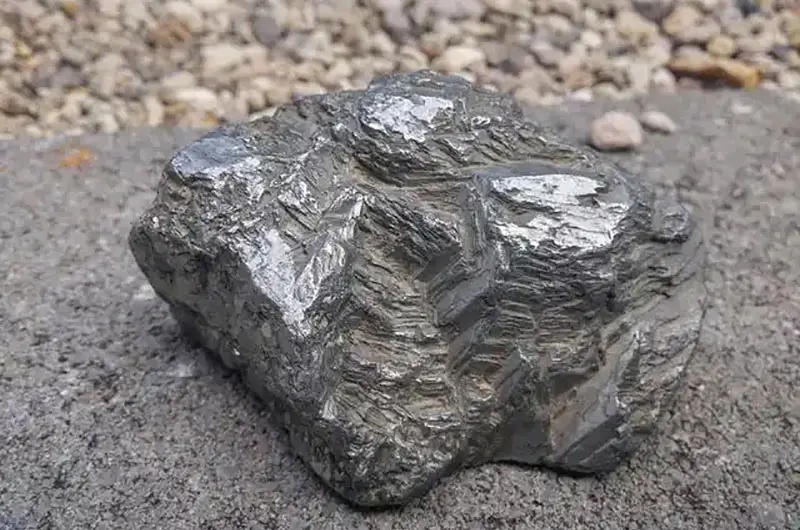
Main Minerals in Lead-Zinc Ore
Galena
Galena is the most important primary ore mineral of lead.
Its chemical formula is PbS, and it commonly has a metallic appearance with a high specific gravity. Galena can contain economically significant amounts of silver, making some lead-zinc deposits important sources of both lead and silver.
From a processing perspective, galena's flotation characteristics make it relatively suitable for selective recovery from many sulfide ores.
Sphalerite
Sphalerite is the principal ore mineral of zinc, with the chemical formula ZnS.
Its color can vary depending on impurities and composition. Sphalerite may occur closely intergrown with galena, pyrite, and other sulfide minerals.
This close association can make selective separation challenging, particularly when the minerals are finely disseminated.
Pyrite
Pyrite is one of the most common sulfide minerals associated with lead-zinc deposits.
Although it is usually not the primary economic target in a lead-zinc operation, excessive pyrite reporting to concentrates can reduce concentrate quality and complicate downstream processing.
Selective flotation is therefore often used to separate valuable lead and zinc minerals from pyrite.
Chalcopyrite
Some lead-zinc deposits also contain chalcopyrite, which provides an additional source of copper.
When copper, lead, zinc, and silver occur together, the processing flowsheet may require several stages of selective flotation to produce separate or marketable concentrates.
Gangue Minerals in Lead-Zinc Ore
Not all material in a lead-zinc deposit has economic value.
Common gangue minerals include:
Quartz
Calcite
Dolomite
Clay minerals
Feldspar
Silicate minerals
Gangue mineral composition is important because it affects grinding behavior, flotation selectivity, reagent consumption, and concentrate quality.
For example, clay-rich ore can create difficulties in grinding and flotation because fine particles may interfere with mineral separation.
How Does Lead-Zinc Ore Form?
Lead-zinc deposits can form through several geological processes.
Important deposit types include:
Mississippi Valley-Type Deposits
These deposits are commonly associated with carbonate rocks and can contain significant amounts of lead and zinc sulfides.
Galena and sphalerite are typically the principal economic minerals.
Sedimentary Exhalative Deposits
Sedimentary exhalative, or SEDEX, deposits form through the interaction of hydrothermal fluids with sedimentary environments.
They can contain substantial amounts of:
Lead
Zinc
Silver
Iron sulfides
These deposits are important sources of base metals in several mining regions.
Volcanogenic Massive Sulfide Deposits
VMS deposits are associated with volcanic environments and hydrothermal activity.
They can contain combinations of:
Zinc
Lead
Copper
Silver
Gold
The polymetallic nature of these deposits can require complex beneficiation circuits.
Physical and Mineralogical Characteristics
Important properties for processing include:
Ore Hardness
Harder ores require more energy during crushing and grinding.
Mineral Liberation Size
The size at which galena and sphalerite become sufficiently liberated from gangue determines the appropriate grinding target.
Mineral Association
Fine intergrowth between lead, zinc, and gangue minerals can make selective separation more difficult.
Sulfide Content
The proportion and type of sulfide minerals strongly influence reagent selection and flotation performance.
Slime Content
Excessive fine particles can interfere with flotation and may require additional process control.
Why Mineralogy Matters in Lead-Zinc Processing
Two lead-zinc deposits with similar head grades may require completely different processing flowsheets.
For example, one deposit may contain relatively coarse galena and sphalerite that can be liberated through conventional grinding. Another may contain finely interlocked lead and zinc minerals requiring much finer grinding and more carefully controlled flotation.
Important mineralogical questions include:
Which minerals contain the lead?
Which minerals contain the zinc?
Is silver associated with galena or other minerals?
How finely are the valuable minerals disseminated?
Which gangue minerals are present?
Are lead and zinc minerals naturally floatable under similar conditions?
Answering these questions through mineralogical and metallurgical testing is a critical step before plant design.
How Is Lead-Zinc Ore Processed?
The processing route depends on the mineralogy, liberation characteristics, and desired concentrate products.
A conventional sulfide lead-zinc processing flow may include:
Crushing → Grinding → Classification → Lead Flotation → Zinc Flotation → Concentrate Thickening → Filtration
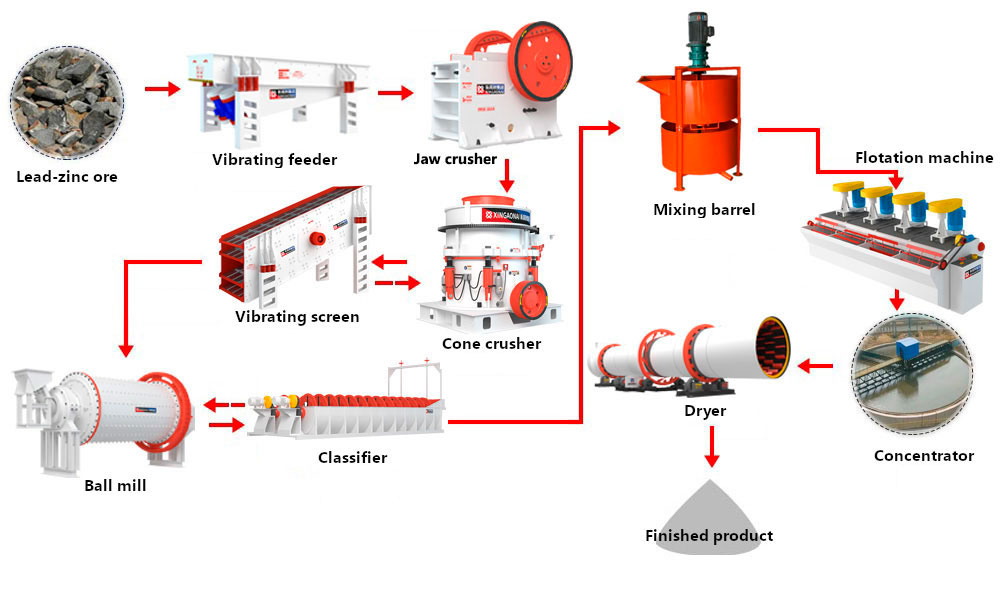
1. Crushing
Run-of-mine ore is first reduced to a suitable size for grinding.
Typical equipment includes:
Belt conveyor
The objective is to achieve stable feed conditions for the grinding circuit.
2. Grinding and Classification
The crushed ore is ground to liberate galena, sphalerite, and associated minerals from gangue.
Common equipment includes:
Hydrocyclone
Spiral classifier in some circuits
The grinding target should be based on liberation testing rather than simply using an unnecessarily fine particle size.
Over-grinding increases energy consumption and may generate excessive slimes.
3. Lead Flotation
Lead minerals are commonly recovered first in a selective flotation circuit.
The flotation circuit separates lead-bearing minerals from:
Zinc minerals
Pyrite
Gangue
The resulting product is a lead concentrate.
4. Zinc Flotation
After lead recovery, the remaining slurry can be conditioned for zinc flotation.
Sphalerite is activated and floated to produce a zinc concentrate.
The exact reagent scheme depends on the ore mineralogy and the desired separation efficiency.
5. Concentrate Dewatering
The final concentrates contain significant amounts of water after flotation.
Dewatering commonly involves:
Thickening → Filtration → Concentrate Storage
Typical equipment includes:
Concentrate thickener
Filter press
Vacuum filter
The final concentrate moisture must meet transportation and downstream processing requirements.
Lead-Zinc Ore Processing Equipment
A complete processing plant may include:
Crushing Equipment
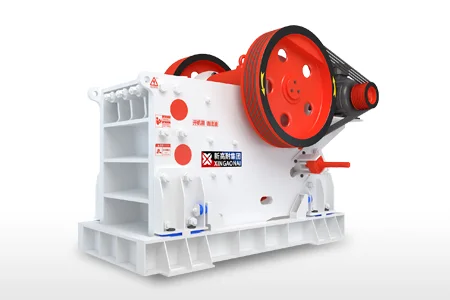
Jaw crusher
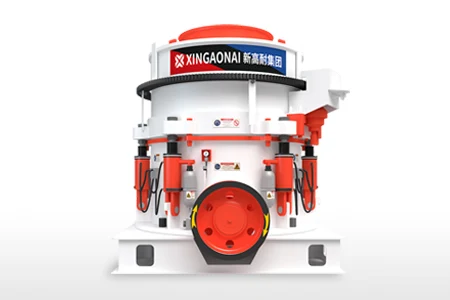
Cone crusher
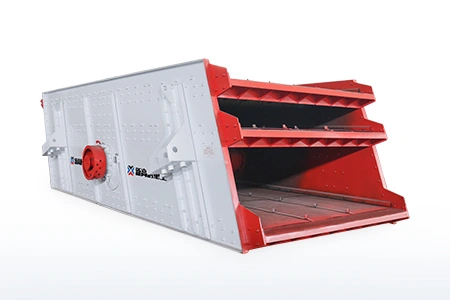
Vibrating screen
Grinding Equipment
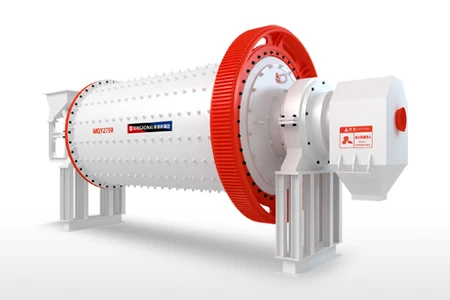
Ball mill
Hydrocyclone
Classification equipment
Flotation Equipment
Flotation cells
Conditioning tanks
Reagent dosing systems
Dewatering Equipment
Concentrate thickener
Filter press
Tailings thickener
Auxiliary Systems
Belt conveyors
Slurry pumps
Water circulation systems
Reagent preparation systems
Equipment selection should be based on test results, capacity requirements, ore characteristics, and concentrate specifications.
Lead-Zinc Ore Beneficiation Challenges
Several factors can make lead-zinc processing difficult.
Fine Mineral Dissemination
When galena and sphalerite are extremely fine, achieving adequate liberation may require fine grinding, which increases energy consumption.
Complex Mineral Intergrowth
Lead and zinc minerals may occur together within the same particles, making selective flotation more difficult.
Pyrite Interference
Pyrite can report to concentrates if flotation conditions are not sufficiently selective.
Clay and Slime
Clay minerals and excessive slimes can affect pulp rheology, reagent consumption, and flotation performance.
Multiple Valuable Metals
The presence of copper, silver, or gold can increase the value of the ore but also make the flowsheet more complicated.
Industrial Significance of Lead-Zinc Ore
Lead and zinc are important industrial metals with applications across construction, manufacturing, transportation, energy infrastructure, and consumer products.
Importance of Lead
Lead is used in applications including:
Lead-acid batteries
Radiation shielding
Specialized alloys
Cable and industrial applications
Lead-acid batteries remain an important use because of their established recycling infrastructure and role in automotive and backup power systems.
Importance of Zinc
Zinc has a major role in corrosion protection, particularly through galvanizing steel.
Major applications include:
Galvanized steel
Zinc alloys
Die casting
Brass production
Chemical products
Zinc's ability to protect steel from corrosion makes it particularly important in infrastructure and manufacturing.
Why Silver Can Increase the Value of Lead-Zinc Ore
Silver is frequently associated with lead-zinc deposits.
When silver occurs in economically recoverable concentrations, it can become an important byproduct and improve the overall economics of mining and processing.
This is one reason polymetallic lead-zinc deposits can be economically attractive even when the value of lead or zinc alone would not fully justify development.
Lead-Zinc Ore vs Lead Ore and Zinc Ore
Lead-zinc ore differs from single-metal ore because it contains economically relevant quantities of both lead and zinc.
| Characteristic | Lead Ore | Zinc Ore | Lead-Zinc Ore |
|---|---|---|---|
| Main target | Lead | Zinc | Lead + zinc |
| Typical primary mineral | Galena | Sphalerite | Galena + sphalerite |
| Processing complexity | Moderate | Moderate | Often higher |
| Selective flotation | May be required | May be required | Usually important |
| Byproducts | Silver may occur | Lead, silver, copper may occur | Silver, copper, and other metals may occur |
The presence of multiple valuable minerals can increase resource value while also requiring more sophisticated separation.
How to Evaluate a Lead-Zinc Ore Deposit
Before developing a processing plant, several types of investigation are typically required.
Geological Evaluation
Determine:
Resource size
Orebody geometry
Grade distribution
Mining conditions
Mineralogical Analysis
Identify:
Lead minerals
Zinc minerals
Gangue minerals
Valuable byproducts
Mineral liberation characteristics
Metallurgical Testing
Evaluate:
Grinding requirements
Flotation response
Reagent consumption
Concentrate grades
Recovery rates
Tailings characteristics
These results form the technical basis for process design and economic evaluation.
Environmental Considerations
Lead and zinc processing requires careful environmental management because concentrates, tailings, process water, and dust may contain potentially hazardous elements.
Important measures include:
Tailings management
Process-water recycling
Dust control
Concentrate storage
Wastewater treatment
Monitoring of potentially hazardous elements
Modern plants should integrate environmental controls into the initial engineering design rather than treating them as separate additions.
Conclusion
Lead-zinc ore is a polymetallic mineral resource in which lead and zinc commonly occur as galena and sphalerite, together with sulfide minerals, gangue, and potentially valuable byproducts such as silver and copper.
Its mineral composition and geological characteristics determine how the ore should be processed. For many sulfide deposits, a combination of crushing, grinding, classification, selective lead flotation, zinc flotation, and concentrate dewatering provides the basic processing framework.
However, there is no single flowsheet suitable for every lead-zinc deposit. Mineral liberation, ore hardness, sulfide associations, clay content, valuable byproducts, and concentrate requirements must all be considered during process development.
Understanding the mineralogy before equipment selection is therefore essential for designing a reliable and economically viable lead-zinc ore processing plant.