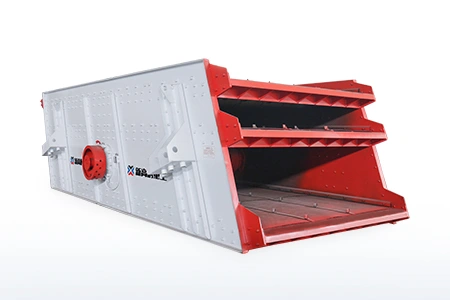
A stone crusher plant does not have one fixed price. A quotation for a crusher alone, a complete equipment package and a fully installed plant can describe three very different purchases. Capacity matters, but the rock, finished products, process layout and delivery scope matter just as much.
For a broad market reference, an industry price guide published in August 2026 lists approximately US$30,000–100,000 for a 20–50 tph plant and US$500,000–2 million or more for a plant above 500 tph. These are another supplier’s planning ranges, not XINGAONAI prices or comparable formal quotations. A project budget should begin with a defined equipment list and supply scope.
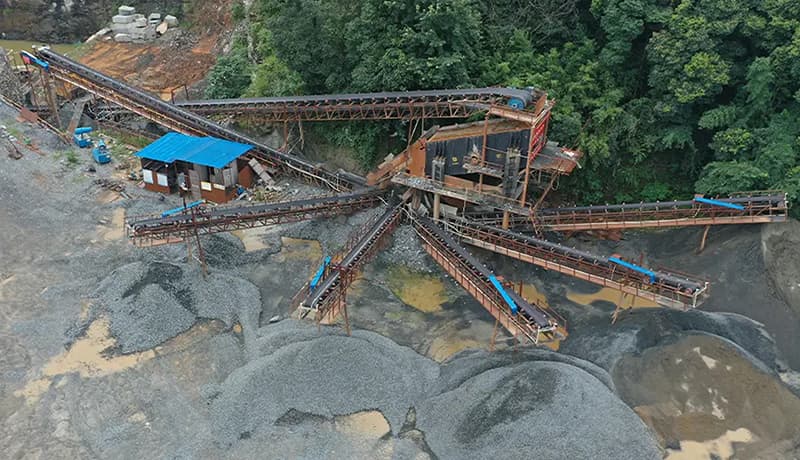
What is included in the price?
Ask suppliers to separate the equipment quotation from the total project investment. The following items may be supplied by different parties:
| Cost item | What to confirm |
|---|---|
| Main equipment | Feeder, crusher or crushers, vibrating screen and conveyors |
| Electrical equipment | Motors, control cabinets, cables and local voltage requirements |
| Site work | Foundations, steelwork, roads, drainage and power connection |
| Delivery and installation | Freight, unloading, cranes, assembly and commissioning |
| Operating provision | Initial wear parts, power, labor and maintenance budget |
A low equipment price is not necessarily a low project price if essential conveyors, electrical systems or installation work are excluded. Check the trade term and named delivery point as well as the machine list.
Why can two plants with the same tph rating cost differently?
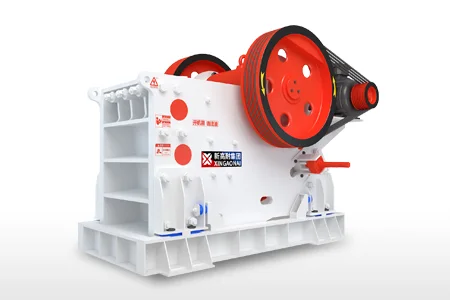
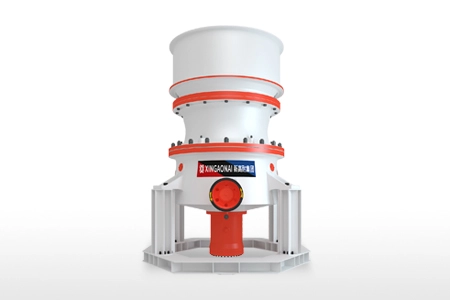
Rock properties change the process. Hard, abrasive granite or basalt may call for a PEV jaw crusher followed by a cone crusher. A suitable less abrasive material may allow a different arrangement. The correct choice depends on test results, feed size, moisture and the required products; neither layout should be selected from rock name alone.
Finished sizes change the equipment list. Producing one coarse aggregate is different from producing several graded aggregates or manufactured sand. More product sizes can require additional screen decks, recirculation conveyors or a further crushing stage.
Capacity must be defined consistently. A “300 tph crusher” rating does not prove that a plant will continuously sell 300 tonnes of finished products each hour. Feed interruptions, circulating load, screening losses and maintenance affect actual output. Our crusher tons per hour guide explains why rated machine capacity and line output need separate checks.
Automation and site conditions also matter. Dust control, remote monitoring, local electrical specifications and difficult access can change both equipment and installation costs.
A real 300 tph configuration—and what it does not tell us
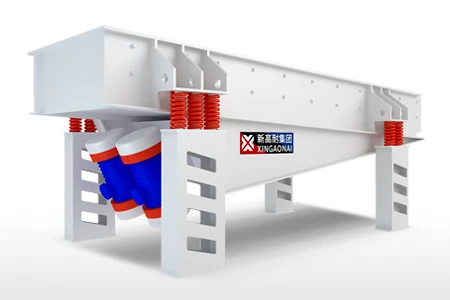
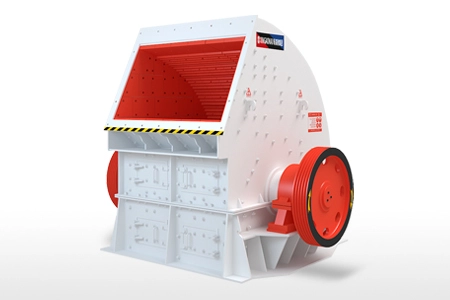
XINGAONAI’s 300 tph bluestone project lists a ZGCX1238 feeder, an XGN-Z1512 heavy hammer crusher and a customized five-deck 2570 screen. This is a useful example of how the equipment list follows a particular material and product requirement. Our heavy hammer crusher and vibrating feeder pages describe two of the equipment categories involved.
Calculate cost per saleable ton, not only purchase price
A cheaper plant can cost more over its working life if it consumes more power, wears parts quickly or fails to produce the required saleable sizes. For an initial comparison, use:
Annual saleable tonnes = design tph × scheduled hours per day × operating days per year × utilization × saleable-product yield
Cost per saleable tonne = (annual operating cost + annualized capital cost) ÷ annual saleable tonnes
For example, a hypothetical 300 tph line scheduled for 8 hours a day and 250 days a year, with 80% utilization and 90% saleable-product yield, would produce:
300 × 8 × 250 × 0.80 × 0.90 = 432,000 saleable tonnes per year
Those utilization and yield figures are calculation assumptions, not measured results from the XINGAONAI project. Replace them with your own production records or a justified forecast. Count capital cost consistently so that financing, depreciation and purchase price are not added twice.
How to compare quotations fairly
Request the same feed and finished-product requirements from every supplier. Then compare:
The process flow and model list.
Included and excluded conveyors, screens, electrical items and spare parts.
The stated capacity conditions and expected finished-product sizes.
The trade term, delivery point, installation responsibilities and commissioning scope.
Power demand, wear-part specifications and support after delivery.
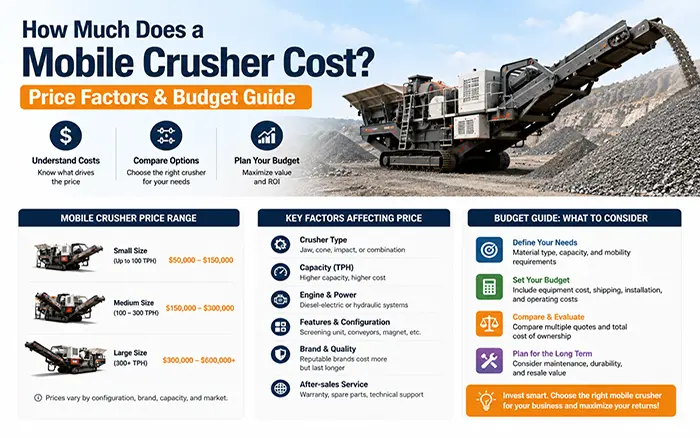
If you are considering relocation between sites, evaluate that requirement separately. Our mobile crusher cost guide covers a different purchasing decision from a fixed plant.
What should you send for a plant quotation?
Send the material name and any available hardness or abrasion data; maximum feed size; required feed rate; target finished sizes and proportions; moisture or clay content; planned operating hours; site country and location; available power supply; and whether you need equipment only or installation support. A site layout, material photos and an existing process drawing can make the proposal more accurate.
Send XINGAONAI your material, feed size, target tph, finished-product sizes and project location. We can then prepare a configuration and itemized quotation for the agreed supply scope.