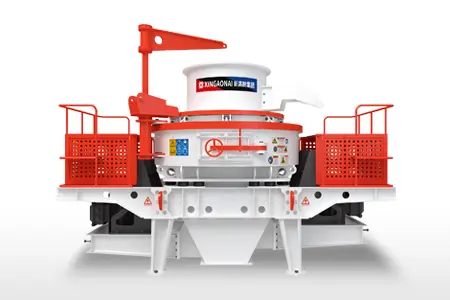
Choosing a sand making machine manufacturer is not simply a matter of comparing machine prices or catalogue capacity figures.
The selected supplier must understand the raw material, finished-product requirements and complete production process. It must also be able to manufacture the equipment consistently, provide suitable wear parts and support the machine after commissioning.
An unsuitable machine may still operate, but it can create long-term problems such as:
Excessive wear-part consumption
Unstable production capacity
Poor particle shape
Excessive fines
High recirculating load
Frequent blockages
Difficult maintenance
Insufficient spare-parts availability
High operating cost per tonne
This guide explains how to evaluate sand making machine manufacturers before requesting a final quotation or signing a purchase contract.
It focuses on verifiable manufacturing and engineering capabilities rather than manufacturer rankings or unverified “best supplier” claims.
1. Manufacturer or Trading Company: What Is the Difference?
A manufacturer normally controls equipment design, machining, assembly and quality inspection. A trading company may source machines from one or more external factories.
Working with a trading company is not automatically a problem, but the buyer should know who is actually responsible for:
Equipment design
Rotor manufacturing and balancing
Welding and machining
Quality inspection
Technical drawings
Warranty
Spare parts
Installation guidance
After-sales troubleshooting
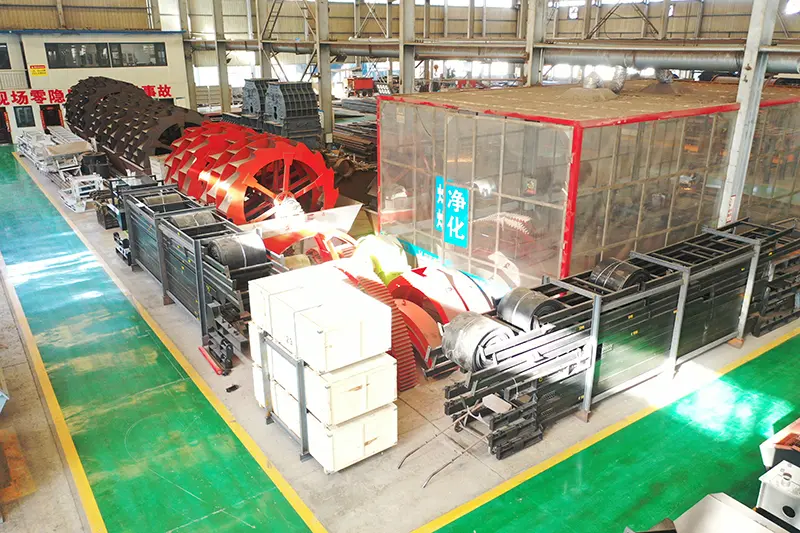
When assessing a supplier, request the legal name and address of the production facility. If possible, arrange a factory visit or live video inspection covering the machining, welding, assembly and testing areas.
A genuine manufacturer should be able to explain how major components are produced and inspected—not only provide exterior machine photographs.
2. Begin with the Material, Not the Machine Model
A reliable manufacturer should not recommend a machine immediately after receiving only the required capacity.
The recommendation should begin with the raw material and finished-product requirements.
Provide the manufacturer with:
Material name and source
Maximum feed size
Feed particle-size distribution
Material hardness
Abrasiveness
Moisture content
Clay or soil content
Required hourly capacity
Required finished-product sizes
Desired percentage of manufactured sand
Particle-shape requirements
Local power supply
Project location and altitude
Available water and dust-control conditions
Material names alone are not sufficient. Granite from two deposits may have different abrasiveness and fracture characteristics. Similarly, limestone may contain clay, silica or other components that substantially change equipment performance.
For an unfamiliar or variable material, ask whether the manufacturer can evaluate a representative sample or arrange a crushing test.
3. Check Whether the Manufacturer Offers the Right Machine Type
“Sand making machine” describes a category rather than one universal machine.
Different machines use different crushing mechanisms and have different feed-size, wear and application characteristics. A supplier offering only one machine type may try to fit that machine into applications for which it is not the best choice.
A broader manufacturer should be able to compare several alternatives.
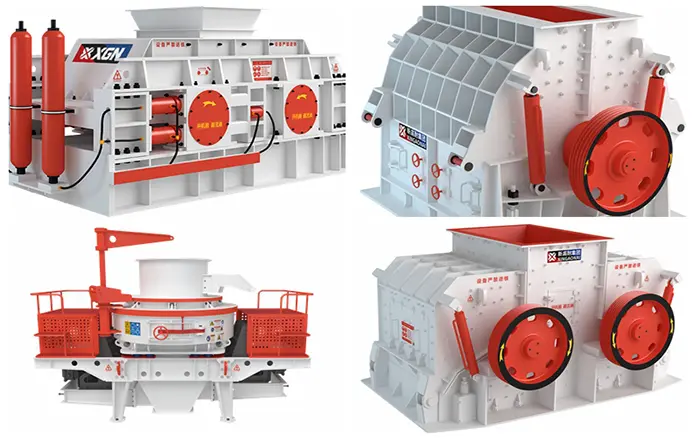
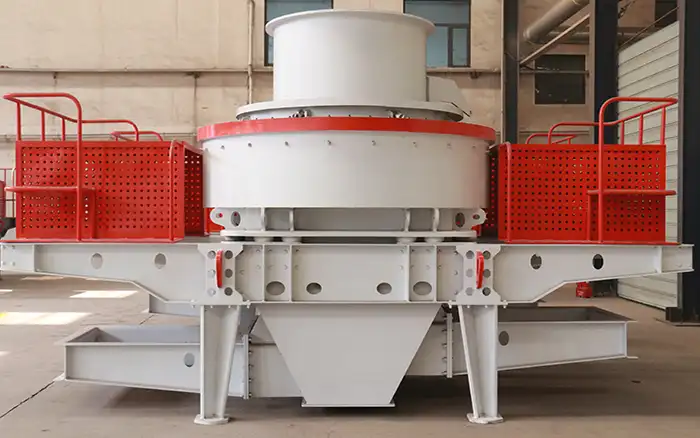
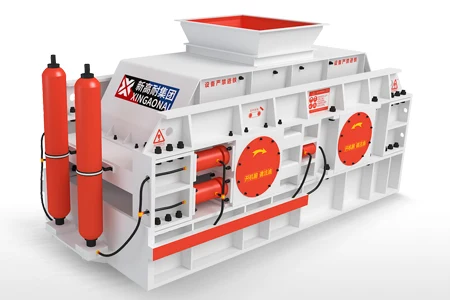
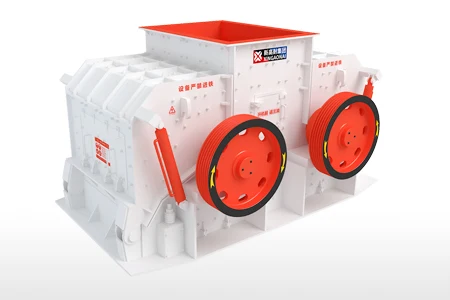
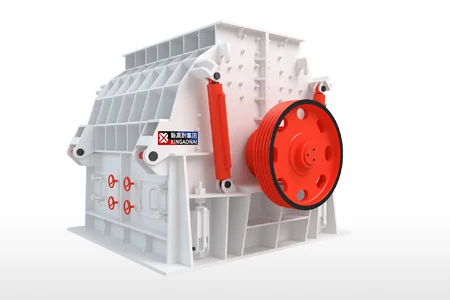
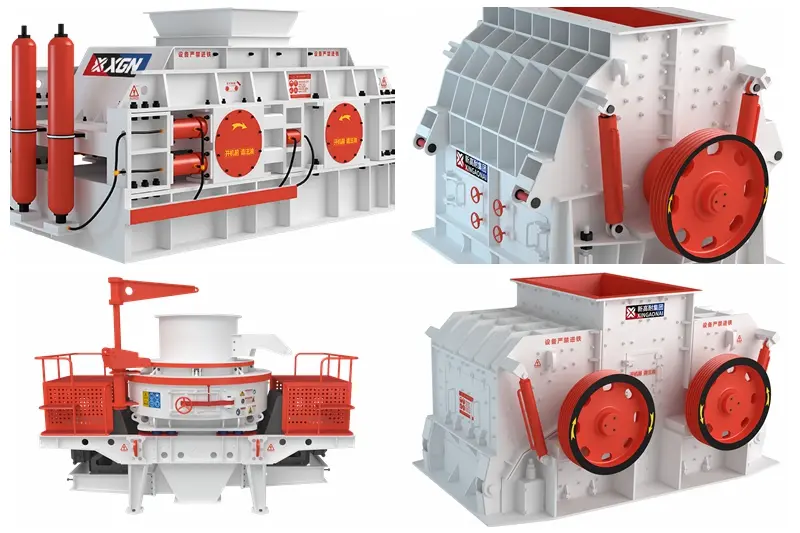
XINGAONAI’s current sand making machine range includes the following principal designs:
| Machine type | Listed feed size | Listed capacity | Typical selection direction |
|---|---|---|---|
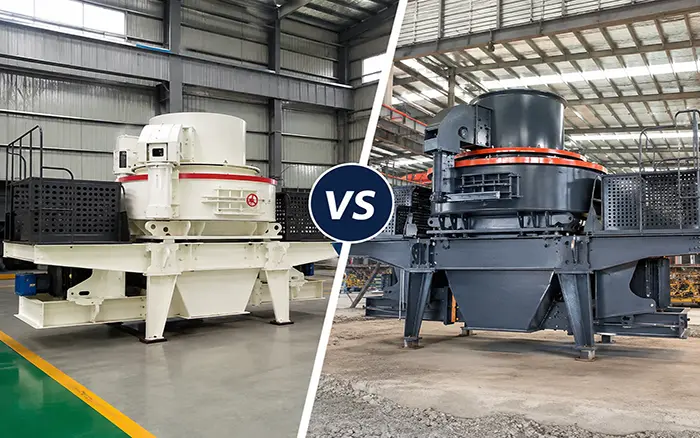
| VSI vertical shaft impact crusher | ≤60 mm | 70–640 t/h | Hard rock, fine crushing and particle shaping |
| Single-rotor sand making machine | ≤700 mm | 20–150 t/h | Larger feed and suitable brittle materials |
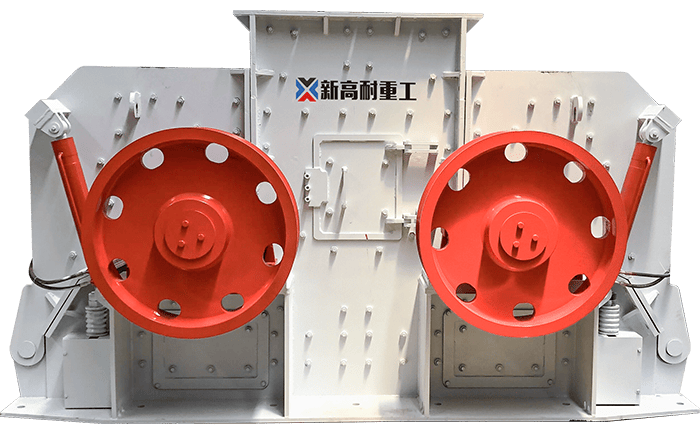
| Double-rotor sand making machine | ≤280 mm | 150–300 t/h | Higher-capacity processing of compatible materials |
| Roller sand making machine | ≤40 mm | 50–300 t/h | Controlled fine crushing by compression |
These values are model ranges, not guaranteed site output. Actual performance depends on feed grading, material properties, moisture, machine configuration and the required finished product.
A qualified manufacturer should explain why a particular crushing mechanism is being recommended.
4. Verify Feed Size and Capacity Claims
Capacity figures are often misunderstood because suppliers may use different test conditions.
When a quotation states “200 t/h,” determine whether this refers to:
Total feed entering the machine
Total machine discharge
Finished manufactured-sand output
Combined output of sand and aggregate
Capacity under open-circuit conditions
Capacity under closed-circuit conditions
Dry material or wet material
Continuous capacity or short-term maximum capacity
Also ask for the assumed:
Feed size distribution
Material bulk density
Moisture content
Crusher setting
Rotor speed
Screen opening
Return-load percentage
Operating hours per day
A machine may process 200 t/h of total feed but produce a much smaller amount of saleable manufactured sand after screening.
The manufacturer should therefore provide both equipment capacity and an estimated mass balance for the production line.
5. Evaluate Complete Process-Design Capability
A sand making machine does not operate independently.
A complete process may include:
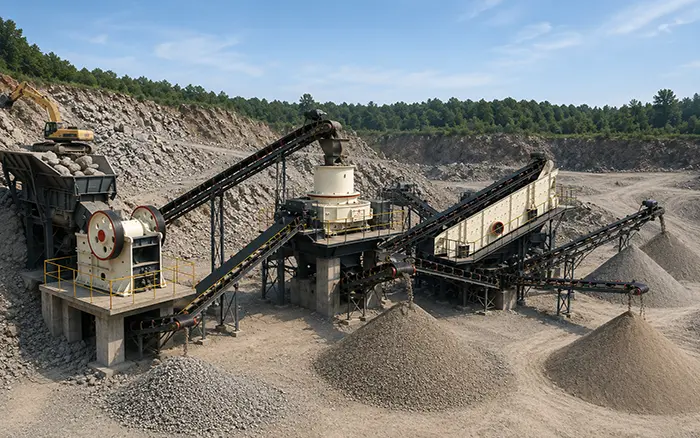
Raw material → Feeding → Primary crushing → Secondary crushing → Screening → Sand making → Final screening → Washing or classification
The exact arrangement depends on the material and product requirements.
A manufacturer with process-design capability should evaluate:
Whether primary and secondary crushing are required
The correct feed size for the sand making stage
The required screen openings
Whether a closed circuit is necessary
Expected return load
Dust collection or water requirements
Fine-material control
Washing and dewatering requirements
Conveyor capacities
Equipment balance across the complete line
A high-capacity sand making machine cannot increase plant output if the upstream crusher cannot supply sufficient material or the final screen is undersized.
The complete production stages are explained in the stone-to-sand production process.
Ask the supplier to provide a process flow diagram, equipment list and preliminary mass balance—not only a quotation for one machine.
6. Inspect Manufacturing and Quality-Control Capability
The appearance of a finished machine does not reveal whether its critical components were manufactured correctly.
Important factory capabilities may include:
Cutting and material preparation
Machining
Welding
Heat treatment
Rotor assembly
Dynamic balancing
Bearing installation
Dimensional inspection
Nondestructive testing where required
No-load testing
Final assembly inspection
For impact-based sand making equipment, the rotor is a particularly important component. Poor rotor balance can contribute to vibration, bearing damage and unstable operation.
During a factory audit, request evidence of:
Material specifications
Component inspection records
Rotor balancing procedures
Welding standards
Bearing and motor brands
Assembly tolerances
Test-run records
Equipment identification and traceability
Certificates can support supplier evaluation, but they should not replace inspection of actual production and quality-control procedures.
7. Compare Wear Parts and Maintenance Requirements
Wear-part cost can have a greater long-term effect than the initial machine price.
Before selecting a manufacturer, identify:
Main wear parts
Material specification of each wear part
Expected service life under the proposed material
Replacement procedure
Replacement time
Required lifting equipment
Local stock availability
Delivery time
Price per set
Whether alternative wear configurations are available
Do not accept one universal wear-life promise for every material. Wear rate depends strongly on abrasiveness, feed size, moisture, rotor speed and operating practice.
The manufacturer should explain which components require routine inspection and how the machine can be accessed safely for maintenance.
Useful design details may include:
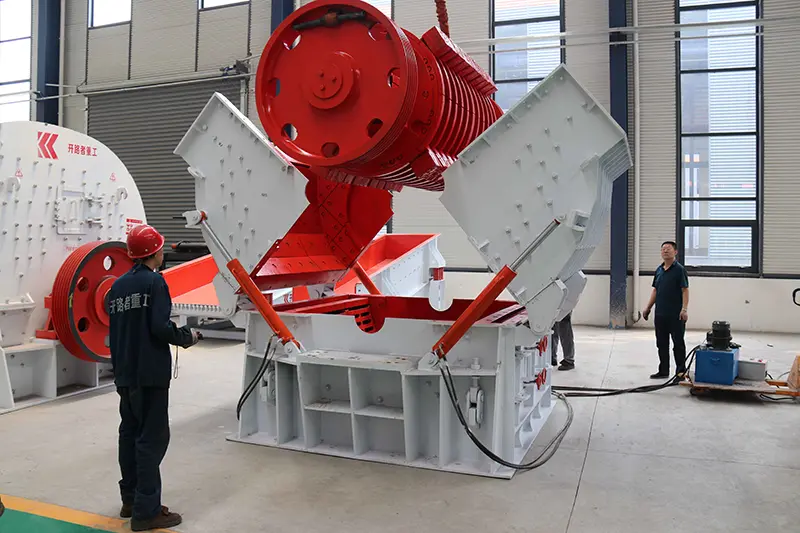
Inspection doors
Hydraulic opening systems
Replaceable internal liners
Accessible bearing housings
Symmetrical wear-part replacement
Maintenance platforms
Rotor-locking or lifting provisions
Request a recommended spare-parts list for the first year of operation.
8. Review Real Project References
Project references are more useful when they are technically comparable to the planned application.
A relevant reference should ideally show:
Material type
Maximum feed size
Required capacity
Product sizes
Selected equipment
Process flow
Commissioning date
Actual operating condition
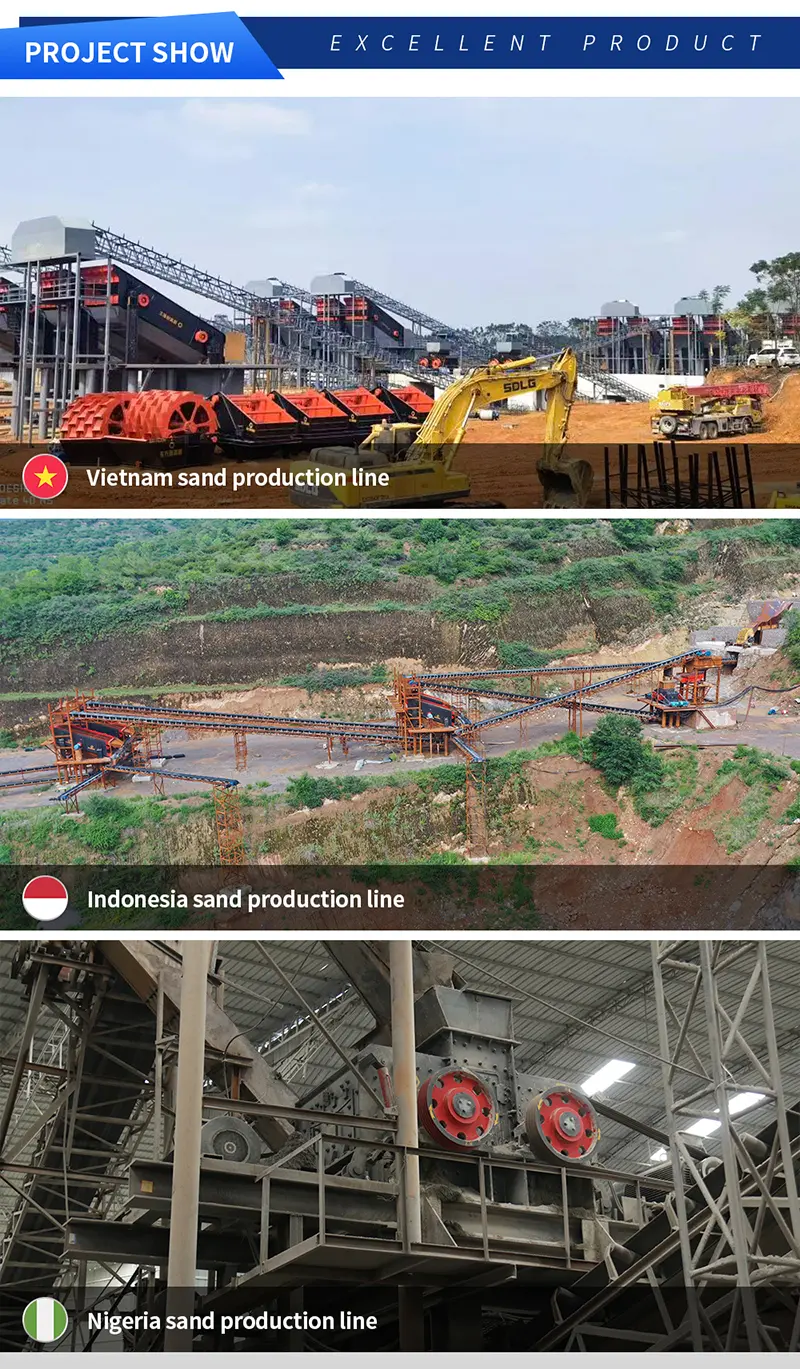
A photograph of installed equipment is useful, but it does not by itself prove capacity or product quality.
Ask whether the reference uses the same machine model, similar raw material and comparable product specifications.
XINGAONAI currently publishes crushing and sand-making project cases involving limestone, granite, diabase, basalt, shale and other materials at different capacities. Relevant examples should be selected according to the buyer’s material rather than simply showing the largest project.
9. Evaluate Engineering Communication
The quality of technical communication before the sale is often an indication of the support available after delivery.
A capable engineering team should ask detailed questions before recommending a model.
Be cautious if a supplier:
Recommends a model without material information
Guarantees capacity without defining test conditions
Claims one machine can process every material
Avoids discussing wear parts
Cannot provide a process flow
Cannot explain the calculation behind the equipment selection
Provides conflicting feed-size or capacity figures
Focuses only on motor power and purchase price
A useful technical proposal should clearly state its assumptions and identify information that still requires confirmation.
10. Check Installation and After-Sales Support
Before purchasing, clarify which services are included and which require additional payment.
Important questions include:
Who provides foundation drawings?
Are general-arrangement drawings included?
Is installation supervision available?
Is commissioning included?
Will operators receive training?
Who handles electrical and automation integration?
How are warranty claims submitted?
What response time is provided?
Where are spare parts shipped from?
Is remote troubleshooting available?
Can technicians travel to the project country?
What is excluded from the warranty?
XINGAONAI’s published equipment service and technical support covers pre-sale consulting, installation and commissioning guidance, operator training and after-sales troubleshooting.
The contract should still define the exact service scope, travel costs, response procedure and responsibilities of both parties.
11. Compare Total Cost, Not Only Purchase Price
The lowest equipment price does not necessarily produce the lowest cost per tonne.
A practical comparison should include:
| Cost category | Items to evaluate |
|---|---|
| Initial investment | Machine, motor, control system and accessories |
| Civil works | Foundation, platform and building changes |
| Installation | Labour, lifting, supervision and commissioning |
| Energy | Power consumption under expected operating load |
| Wear parts | Price, service life and replacement frequency |
| Maintenance | Labour, tools and planned downtime |
| Production loss | Unplanned stoppages and slow parts delivery |
| Product yield | Percentage of saleable finished sand |
| Recirculation | Power and wear caused by excessive return load |
| Support | Remote service, site service and operator training |
Ask each manufacturer to quote under the same technical assumptions. Otherwise, a lower quotation may simply exclude necessary equipment or services.
12. Information to Include in an RFQ
A detailed request for quotation helps manufacturers prepare comparable proposals.
Use the following checklist:
Raw material
Material name:
Source or quarry:
Maximum feed size:
Feed-size distribution:
Moisture:
Clay content:
Hardness or test report:
Abrasiveness or silica content:
Production requirements
Required total capacity:
Required manufactured-sand output:
Finished-product sizes:
Required particle shape:
Permitted fines content:
Operating hours per day:
Dry or wet process:
Site conditions
Project country and location:
Altitude:
Ambient temperature:
Power supply:
Water availability:
Installation-space limitations:
Local environmental requirements:
Required supplier scope
Individual machine or complete plant:
Process design:
Foundation drawings:
Electrical control:
Installation supervision:
Commissioning:
Operator training:
Initial spare parts:
After-sales support:
Providing this information reduces assumptions and makes quotations easier to compare.
13. XINGAONAI Sand Making Equipment and Manufacturing Scope
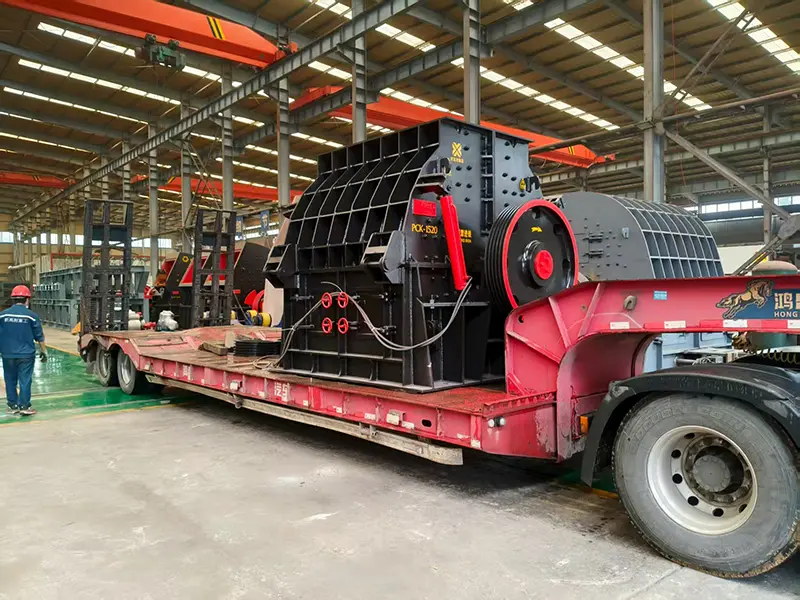
XINGAONAI manufactures crushing, screening, feeding, grinding and sand-processing equipment and provides production-line design services.
According to the current XINGAONAI company profile, the company operates three manufacturing locations in Henan Province. The published facility information includes more than 50,000 square metres of factory area, over 130 engineering and technical personnel and more than 200 sets of processing equipment.
The current sand-making portfolio includes:
VSI Vertical Shaft Impact Crusher
The VSI vertical shaft impact crusher is intended for fine crushing and aggregate shaping, including applications involving suitable hard and abrasive rock.
Single-Rotor Sand Making Machine
The single-rotor sand making machine uses an impact-and-hammer arrangement and accepts larger feed for suitable materials.
Double-Rotor Sand Making Machine
The double-rotor sand making machine uses two crushing stages within one machine and is intended for compatible materials requiring higher throughput.
Roller Sand Making Machine
The roller sand making machine uses compression between rollers for controlled fine crushing of suitable materials.
The appropriate machine should be selected from project data and material characteristics rather than from capacity alone.
14. Manufacturer Evaluation Checklist
Before confirming a supplier, verify whether it can provide:
A traceable production facility
Relevant machine designs
Material-based equipment selection
Clear capacity assumptions
Process flow and equipment list
Technical drawings
Quality-inspection records
Wear-parts information
Relevant project references
Installation and commissioning support
Operator training
Warranty terms
Spare-parts delivery schedule
After-sales contact procedure
A supplier should be evaluated on the quality and consistency of this evidence, not on the number of promotional claims in its quotation.
Conclusion
Selecting a sand making machine manufacturer requires more than comparing catalogue specifications and initial prices.
The supplier should demonstrate that it can:
Understand the material and product requirements
Select an appropriate crushing mechanism
Design a balanced process
Manufacture and inspect critical components
Provide relevant operating references
Supply wear parts
Support installation and long-term operation
A well-prepared RFQ and a structured supplier audit make it easier to distinguish between a general equipment seller and a manufacturer capable of supporting the complete project.
The final selection should be based on verifiable engineering, manufacturing and service evidence, together with the expected total cost per tonne of finished product.