Sand Crusher

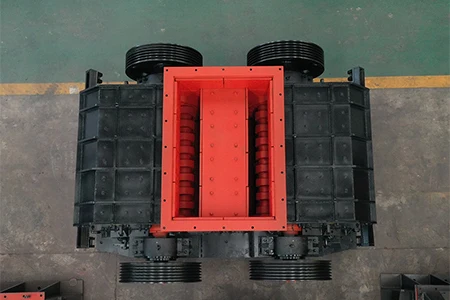
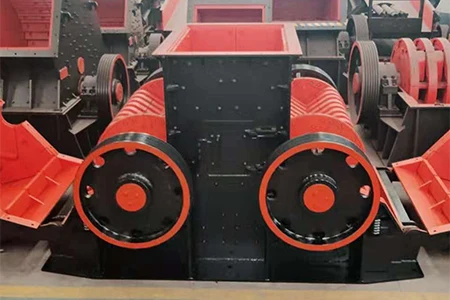
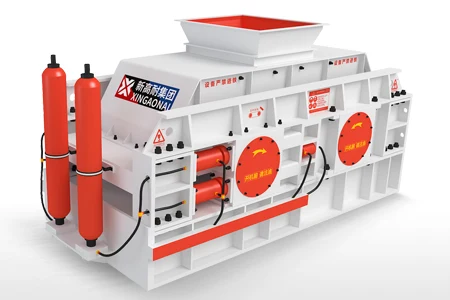
Double Rotor Sand Making Machine

CAPACITY

150-300t/h

FEED SIZE

≤280mm
Application areas:Double rotor sand making machines are widely used in the crushing and sand making of materials in mining, quarries, building materials, commercial mixing stations, and other fields.
Applicable materials:Limestone, bluestone and other low- to medium-abrasiveness materials suitable for hammer-type fine crushing.
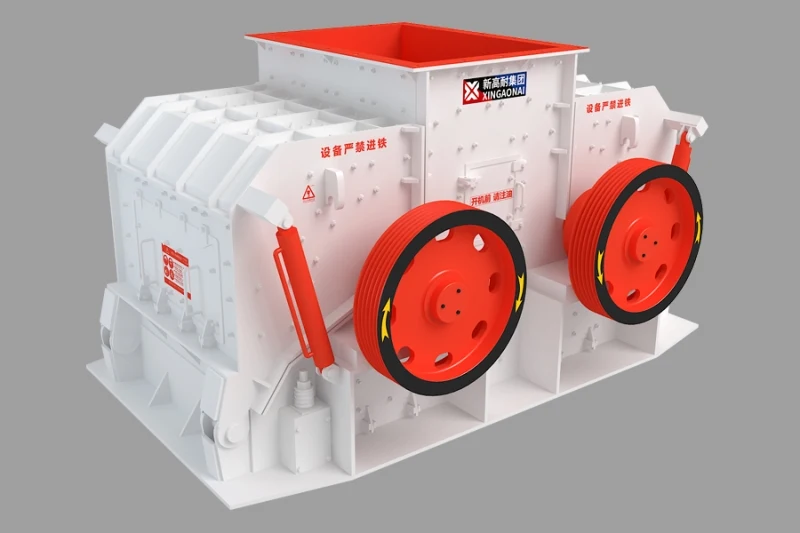
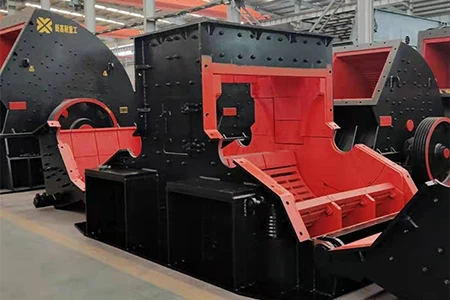
Product Overview

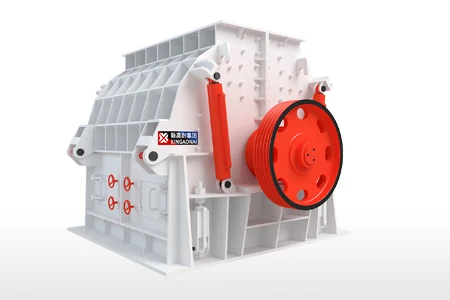
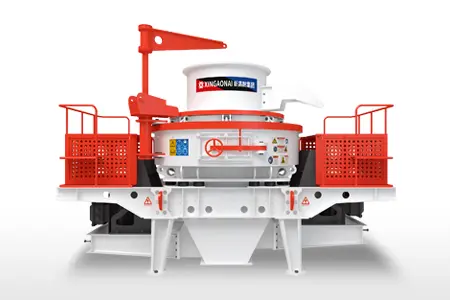
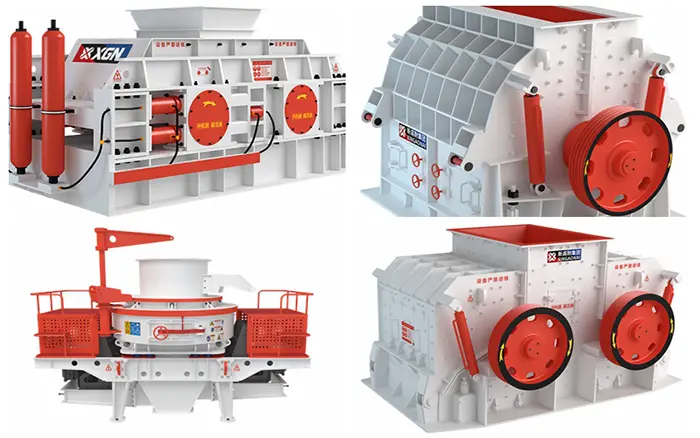
The XGN-SZJ Double-Rotor Sand Making Machine is designed for fine crushing and manufactured-sand production from limestone, bluestone, shale and other low- to medium-abrasiveness materials.

Two high-speed rotors increase impact frequency and inter-particle collision inside the crushing chamber. The machine is suitable for aggregate plants, limestone quarries, ready-mix concrete operations and selected industrial fine-crushing applications.

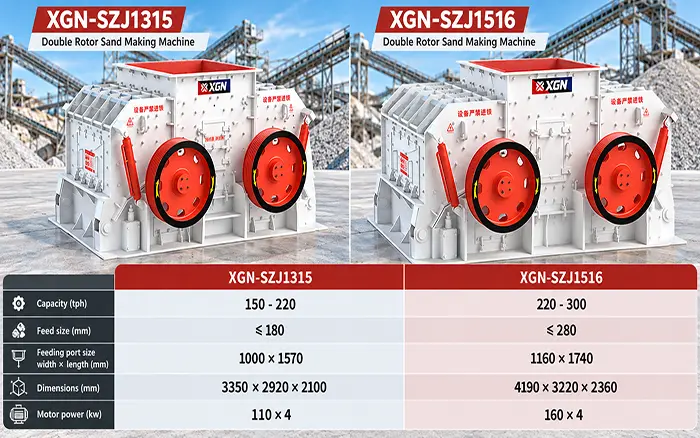
Two models are available, with rated capacities from 150 to 300 t/h and maximum feed sizes of 180 to 280 mm. Final model selection should be based on material abrasiveness, moisture, feed gradation, required product size and finished-sand specification.

Key Advantages

High-Capacity Double-Rotor Structure

The double-rotor structure increases impact frequency inside the crushing chamber and supports rated capacities of 150–300 t/h, depending on the selected model and operating conditions.

Material-to-Material Crushing

The double-rotor arrangement increases the frequency of hammer impact and inter-particle collision, supporting efficient fine crushing of suitable brittle materials.

Hydraulic Opening System

An optional hydraulic opening system provides easier access to the crushing chamber for inspection and wear-part replacement.

Protected Rotor Structure

High-manganese and high-chromium protective covers are installed around the rotor to reduce wear on the rotor body and extend its service life.

Working Principle

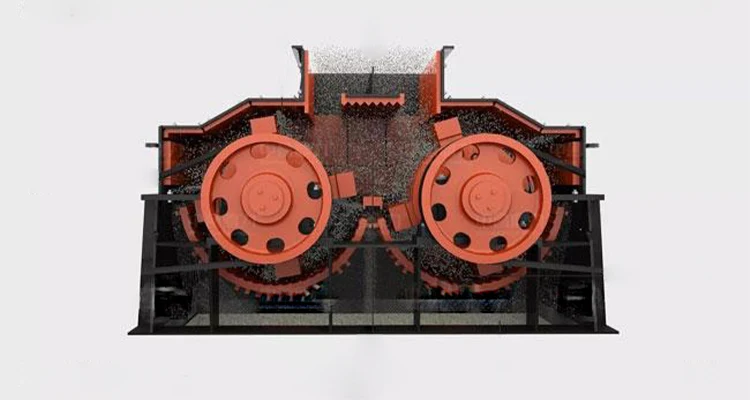
Working Principle of Double Rotor Sand Making Machine
Material enters the crushing chamber and is repeatedly impacted by the hammer heads mounted on the two high-speed rotors. The rotor arrangement increases both hammer impact and particle-to-particle collision. Material is further reduced through contact with the hammers, liners and grate plates. Particles small enough to pass through the grate openings are discharged, while oversized material remains in the chamber for additional crushing. The discharge top size can be adjusted through the grate configuration and operating clearance. Final sand gradation and fineness modulus also depend on feed gradation, rotor speed and the downstream screening circuit.

Technical Parameters

Model

Capacity

(tph)

Feed size

(mm)

Feeding port size width*length

(mm)

Dimensions

(mm)

Motor power

(kW)

XGN-SZJ1315150-220≤1801000x15703350x2920x2100110x4
XGN-SZJ1516220-300≤2801160x17404190x3220x2360160x4


Need Help Choosing the Right Equipment?
Tell us your material type, maximum feed size, required capacity and final product specifications. Our engineers will recommend the right equipment model and process solution for your project.
Talk to an Engineer

Frequently Asked Questions

Compared with a single-rotor machine, the double-rotor arrangement increases hammer-impact frequency and inter-particle collision. This supports efficient fine crushing of suitable brittle materials. Actual capacity, product gradation and power consumption depend on the feed material and operating conditions.

Yes. The XGN-SZJ machine can be used in the fine-crushing or final sand-making stage. The maximum allowable feed size is 180 mm for the XGN-SZJ1315 and 280 mm for the XGN-SZJ1516. For stable manufactured-sand production, the recommended operating feed size may be smaller, depending on the material and required product specification.

The XGN-SZJ series has a rated processing capacity of 150–300 t/h. The XGN-SZJ1315 handles 150–220 t/h, while the XGN-SZJ1516 handles 220–300 t/h. Actual capacity depends on material properties, feed gradation, moisture content and required product size.

If equipped with the optional hydraulic opening system, the crushing chamber can be opened for easier inspection and wear-part replacement. Standard configurations are accessed through the designated maintenance openings. All maintenance must be performed after proper shutdown, electrical isolation and lockout.

Related Blogs

Send message

Please enter your name
Please enter your email
Please enter your message