An overband magnetic separator is one of the most effective solutions for removing tramp iron from conveyor belts in mining, quarrying, recycling, cement, coal, and aggregate processing plants. By automatically extracting unwanted ferrous materials before they reach crushers, screens, mills, or conveyors, overband magnetic separators protect valuable equipment, reduce maintenance costs, and improve overall plant reliability.
As production capacities continue to increase, even a single piece of tramp iron can damage crushers, block transfer points, or cause costly unplanned shutdowns. Modern self-cleaning overband magnetic separators provide continuous metal removal without interrupting material flow, making them an essential component in many bulk material handling systems.
This guide explains how an overband magnetic separator works, its key components, self-cleaning mechanism, selection criteria, applications, and maintenance practices.
What Is an Overband Magnetic Separator?
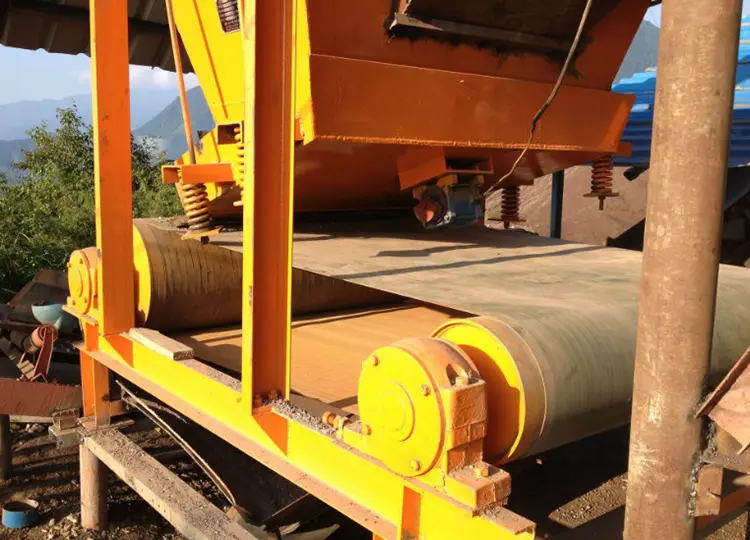
An overband magnetic separator is a suspended magnetic system installed above a conveyor belt to continuously remove unwanted ferrous materials from bulk materials.
Unlike magnetic drum separators that process materials inside a rotating drum, an overband separator operates above the conveyor and captures tramp iron as the material passes beneath it.
The separator typically consists of:
Permanent magnet or electromagnetic system
Self-cleaning conveyor belt
Drive motor and gearbox
Supporting frame
Belt tensioning mechanism
Control system
It is widely used to protect downstream equipment from metal contamination and mechanical damage.
Why Is Tramp Iron Removal Important?
Tramp iron refers to unwanted ferrous objects mixed with raw materials during mining, transportation, or material handling.
Common examples include:
Steel bars
Bolts
Nuts
Drill bits
Excavator teeth
Chain links
Broken tools
Scrap steel
If these objects enter crushers or mills, they can cause:
Installing an overband magnetic separator significantly reduces these risks.
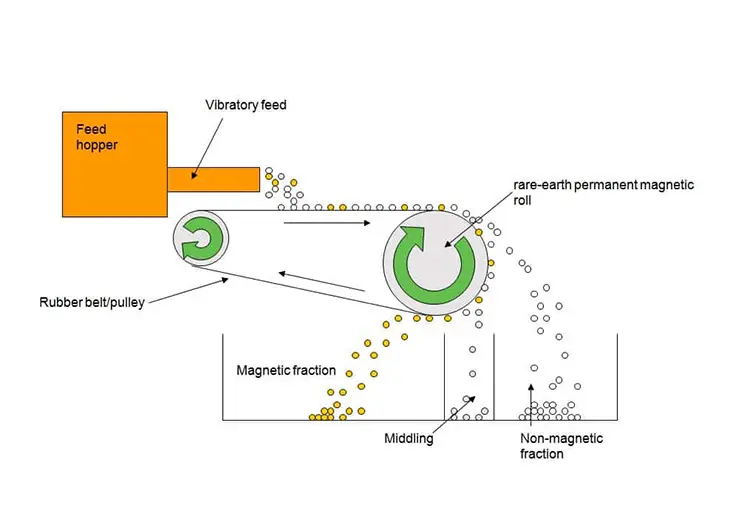
The operating principle is straightforward but highly effective.
Bulk material is transported on a conveyor belt.
The overband magnetic separator is suspended above the belt.
As the material passes beneath the magnetic field, ferrous objects are attracted to the magnet.
A continuously rotating self-cleaning belt carries the trapped metal away from the material flow.
The metal is discharged into a separate collection bin.
Clean material continues to downstream processing equipment.
This automatic process enables continuous removal of tramp iron without stopping production.
Permanent Magnet vs Electromagnetic Overband Separators
Overband magnetic separators are generally available in two configurations.
Permanent Magnetic Overband Separator
Permanent magnets generate a constant magnetic field without requiring electrical power for magnetization.
Advantages
No power consumption for the magnetic field
Lower operating costs
Simple maintenance
Reliable long-term performance
Suitable for continuous operation
Applications
Quarry plants
Aggregate production
Cement plants
Sand processing
Recycling facilities
Electromagnetic Overband Separator
Electromagnetic separators generate magnetic force using energized coils.
Advantages
Stronger magnetic field
Adjustable magnetic intensity
Better performance for thicker material layers
Effective for larger tramp iron pieces
Applications
Self-Cleaning Design
The self-cleaning belt is one of the most important features of an overband magnetic separator.
Unlike manual cleaning systems, the separator continuously removes captured metal without operator intervention.
The self-cleaning system includes:
Rubber discharge belt
Belt drive motor
Tensioning rollers
Guide rollers
Automatic discharge zone
Benefits include:
Continuous operation
Reduced labor requirements
Improved production efficiency
Consistent metal removal
Minimal production interruption
Self-cleaning designs are recommended for high-capacity processing plants where manual cleaning would be impractical.
Key Components
A typical overband magnetic separator includes several major components.
Magnetic Assembly
The magnetic assembly generates the magnetic field required to capture ferrous materials.
Depending on the model, it may use:
Conveyor Belt
The separator belt transports collected metal away from the magnetic zone.
It must provide:
Drive System
The drive system powers the discharge belt.
It typically includes:
Electric motor
Gear reducer
Drive pulley
Chain or direct drive
Reliable drive performance ensures continuous self-cleaning operation.
Support Structure
The separator is mounted above the conveyor using a heavy-duty steel frame.
The installation height depends on:
Main Applications
Overband magnetic separators are used in many industries.
Mining
Applications include:
They protect:
Jaw crushers
Cone crushers
Ball mills
SAG mills
Conveyors
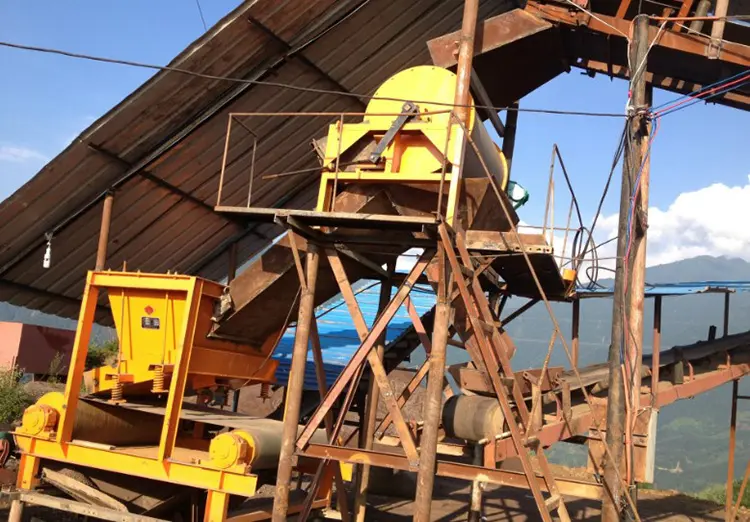
Quarry and Aggregate Plants
They remove tramp iron before:
Primary crushers
Secondary crushers
Screening equipment
This reduces wear and minimizes equipment damage.
Coal Handling Plants
They prevent metal contamination before:
Crushers
Pulverizers
Conveyors
Cement Industry
Applications include:
Recycling Industry
They separate ferrous metals from:
Construction waste
Municipal solid waste
Scrap materials
Wood waste
Factors to Consider When Selecting an Overband Magnetic Separator
Choosing the correct model requires evaluating several operating conditions.
Important factors include:
Conveyor Width
The magnetic separator should cover the full width of the conveyor.
Material Layer Thickness
Thicker material layers require stronger magnetic fields.
Conveyor Speed
Higher belt speeds reduce the time available for magnetic separation.
The separator must be sized accordingly.
Material Characteristics
Consider:
Tramp Iron Size
Large steel objects require greater magnetic lifting capacity.
Installation Height
The distance between the magnet and conveyor directly affects separation efficiency.
Ambient Conditions
Environmental factors include:
Dust
Temperature
Humidity
Corrosive environments
These conditions influence equipment design and material selection.
Installation Recommendations
Proper installation improves separation efficiency.
Recommended practices include:
Position the separator after the head pulley or across the conveyor, depending on the application.
Maintain the recommended suspension height.
Ensure proper belt alignment.
Allow adequate discharge space.
Perform regular magnetic field inspections.
Following the manufacturer's installation guidelines helps maximize equipment performance.
Routine Maintenance
Although overband magnetic separators require relatively little maintenance, routine inspections remain essential.
Maintenance tasks include:
Checking belt tension
Inspecting drive motors
Lubricating bearings
Monitoring belt wear
Cleaning accumulated dust
Verifying magnetic performance
Inspecting electrical systems (for electromagnetic models)
Preventive maintenance helps extend equipment life and maintain consistent separation efficiency.
Advantages of Overband Magnetic Separators
Compared with manual metal removal, overband magnetic separators provide several benefits:
Continuous automatic operation
Improved equipment protection
Reduced maintenance costs
Lower production downtime
Increased plant reliability
Higher operational safety
Long equipment service life
Low labor requirements
These advantages make them a valuable investment for modern material handling systems.
Future Trends
Recent technological developments are improving magnetic separation systems.
Current trends include:
High-energy rare earth magnets
Intelligent monitoring systems
Automated fault diagnostics
Variable-speed self-cleaning belts
Energy-efficient drive systems
Predictive maintenance technologies
IoT-enabled equipment monitoring
These innovations improve reliability while reducing operating costs.
Conclusion
An overband magnetic separator is an essential piece of equipment for protecting crushers, conveyors, mills, and other downstream machinery from tramp iron contamination. Whether using a permanent magnet or an electromagnetic system, modern self-cleaning overband magnetic separators provide continuous, automatic metal removal, enhancing plant safety, reducing maintenance costs, and minimizing unplanned downtime.
When selecting an overband magnetic separator, mining and industrial operators should consider conveyor width, material characteristics, belt speed, installation height, and the size of potential tramp iron. Choosing a properly sized separator and maintaining it through regular inspections will ensure reliable performance, longer equipment life, and more efficient material handling operations.