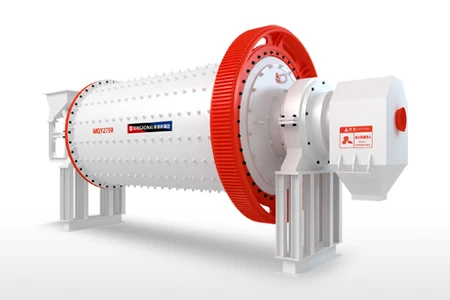
Silver has been valued for thousands of years as both a precious metal and an industrial material. Today, growing demand from the electronics, solar energy, medical, and renewable energy industries has made silver one of the world's most strategically important metals. Before silver can be refined into high-purity metal, it must first be extracted from silver ore, a naturally occurring rock containing economically recoverable silver-bearing minerals.
Unlike gold, silver is rarely mined as a native metal alone. Most commercial silver production comes from complex polymetallic deposits where silver is associated with lead, zinc, copper, or gold minerals. Understanding the characteristics of silver ore is essential for selecting the appropriate mining method, beneficiation process, and extraction technology.
This article explains what silver ore is, its geological formation, major mineral types, physical and chemical properties, global distribution, industrial applications, and the processing methods commonly used in modern mining.
What Is Silver Ore?
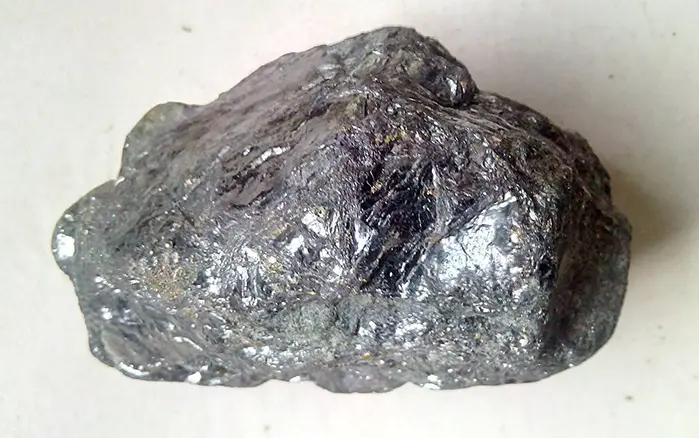
Silver ore is a naturally occurring rock or mineral deposit that contains silver in concentrations high enough to be mined economically.
Silver occurs in two primary forms:
Native silver, where silver exists as a metallic element.
Silver-bearing minerals, where silver is chemically combined with sulfur, antimony, arsenic, chlorine, or other elements.
Because most silver occurs together with base metals, many silver mines also produce lead, zinc, copper, or gold as valuable by-products.
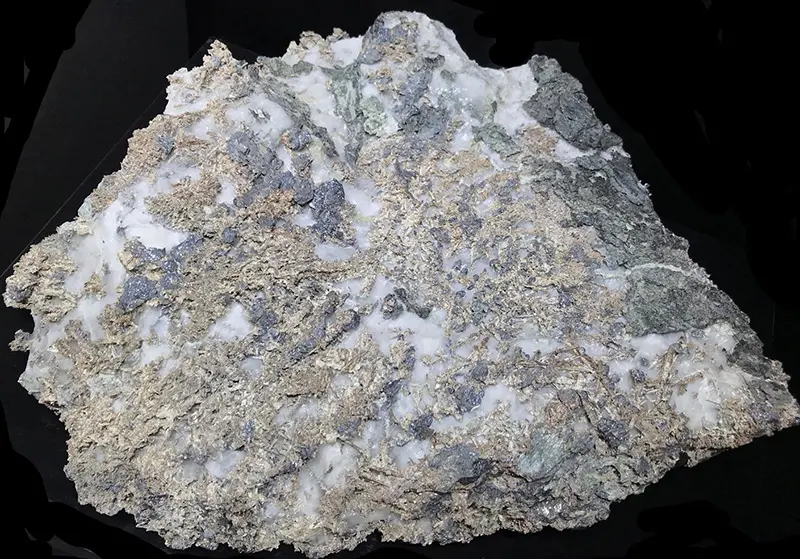
How Is Silver Ore Formed?
Silver ore forms through a variety of geological processes over millions of years.
The most common formation mechanisms include:
Hydrothermal Deposits
Hot mineral-rich fluids circulate through fractures in the Earth's crust and deposit silver-bearing minerals as they cool.
Hydrothermal deposits account for the majority of the world's silver production.
Volcanic-Related Deposits
Silver may accumulate in volcanic environments where magmatic fluids transport precious metals into surrounding rocks.
These deposits often contain significant quantities of gold and copper.
Sedimentary Deposits
Some silver occurs in sedimentary rocks formed through chemical precipitation or replacement processes.
Although less common, these deposits can still be economically important.
Polymetallic Vein Deposits
Many high-grade silver ores occur within veins containing:
Lead
Zinc
Copper
Gold
Silver sulfides
These deposits are widely mined throughout the world.
Major Types of Silver Ore Minerals
Silver exists in many different minerals.
The most economically important include:
| Mineral | Chemical Formula | Silver Content |
|---|---|---|
| Native Silver | Ag | Very High |
| Argentite (Acanthite) | Ag₂S | High |
| Cerargyrite | AgCl | High |
| Pyrargyrite | Ag₃SbS₃ | High |
| Proustite | Ag₃AsS₃ | High |
| Stephanite | Ag₅SbS₄ | Medium to High |
| Polybasite | (Ag,Cu)₁₆Sb₂S₁₁ | Medium |
| Tetrahedrite-Tennantite | Complex Sulfides | Variable |
In many deposits, silver occurs as microscopic inclusions within sulfide minerals rather than as visible crystals.
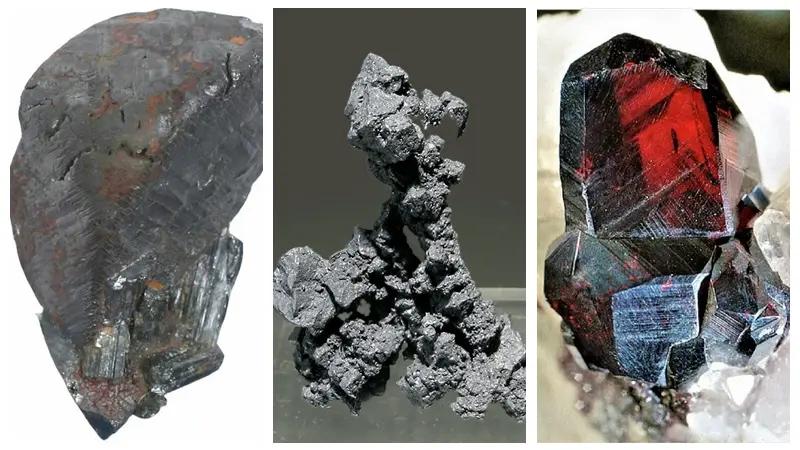
Physical and Chemical Properties of Silver Ore
The appearance and properties of silver ore vary according to mineral composition.
Typical characteristics include:
Metallic or dark gray color
High specific gravity
Metallic to sub-metallic luster
Moderate hardness
Excellent electrical conductivity after refining
High thermal conductivity
Strong chemical stability in metallic form
The ore itself often contains significant amounts of quartz, calcite, pyrite, galena, sphalerite, and chalcopyrite.
Where Is Silver Ore Found?
Silver deposits occur on every continent.
Major silver-producing countries include:
Mexico
China
Peru
Chile
Australia
Russia
Bolivia
Poland
United States
Argentina
Many of the world's largest silver mines primarily produce lead, zinc, or copper, with silver recovered as a valuable by-product.
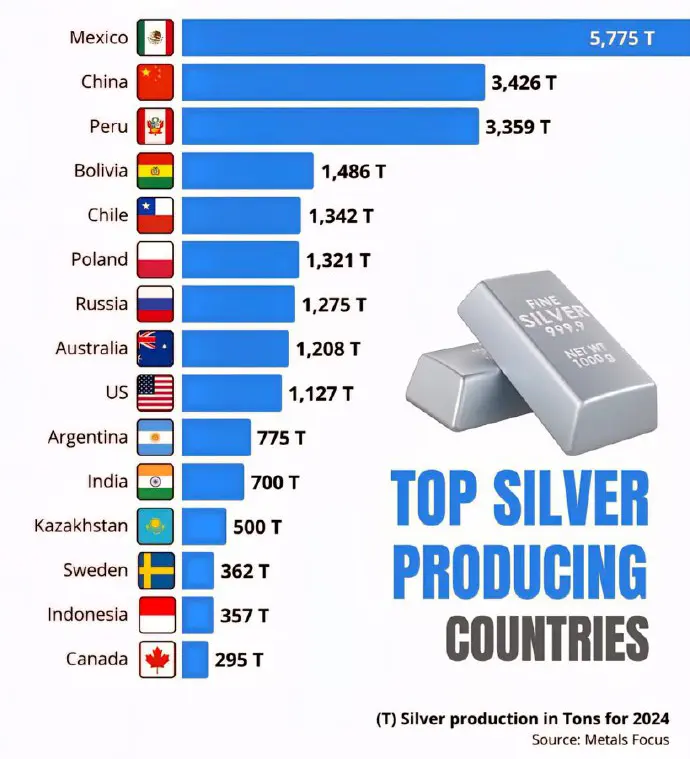
Image source:Metals Focus
Types of Silver Deposits
Several deposit types contribute to global silver production.
Epithermal Silver Deposits
Characteristics:
High silver grades
Associated with volcanic activity
Commonly contain gold
Porphyry Copper Deposits
Silver is frequently recovered alongside:
Copper
Gold
Molybdenum
These deposits typically have large reserves but relatively low silver grades.
Lead-Zinc-Silver Deposits
These polymetallic deposits are among the world's largest silver resources.
Silver commonly occurs with:
Galena
Sphalerite
Pyrite
Skarn Deposits
Silver may occur together with:
Copper
Iron
Tungsten
Zinc
These deposits form where magma interacts with carbonate rocks.
How Is Silver Ore Mined?
Mining methods depend on deposit depth, geometry, and ore grade.
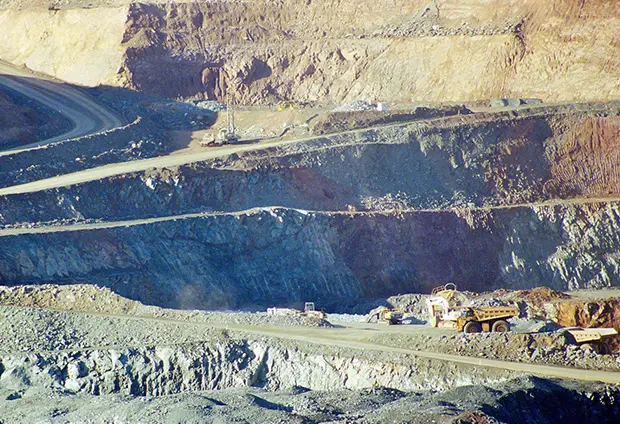
Open-Pit Mining
Suitable for:
Large near-surface deposits
Low stripping ratios
High production rates
Advantages:
Lower mining cost
Large-scale production
High mechanization
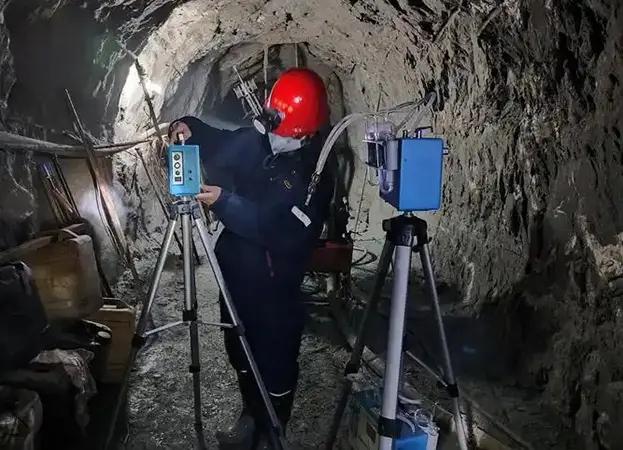
Underground Mining
Suitable for:
Deep ore bodies
Narrow veins
High-grade deposits
Common underground mining methods include:
Cut-and-fill mining
Long-hole stoping
Room-and-pillar mining
Sublevel stoping
How Is Silver Ore Processed?
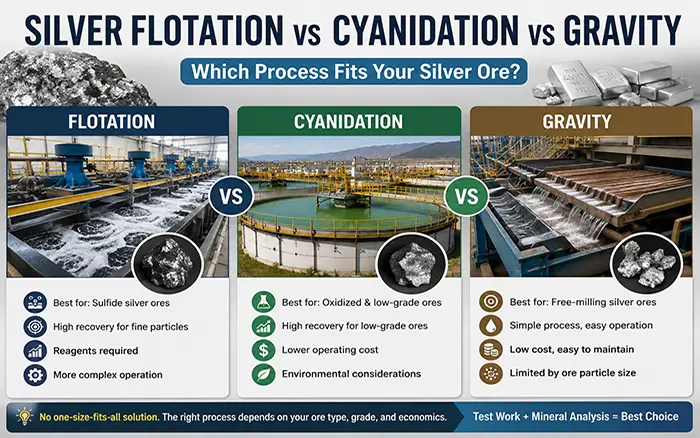
The beneficiation process depends on ore mineralogy and silver occurrence.
Typical flowsheet:
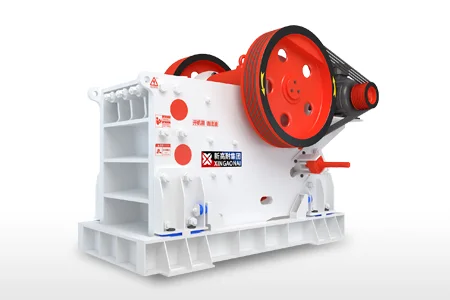
Crushing → Grinding → Classification → Beneficiation → Concentrate Dewatering → Smelting or Chemical Extraction
Common beneficiation methods include:
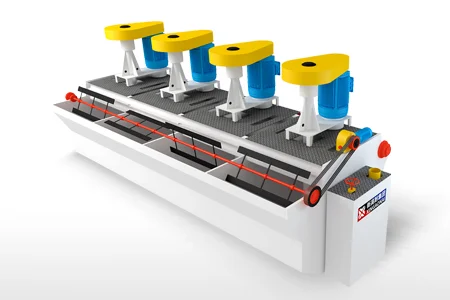
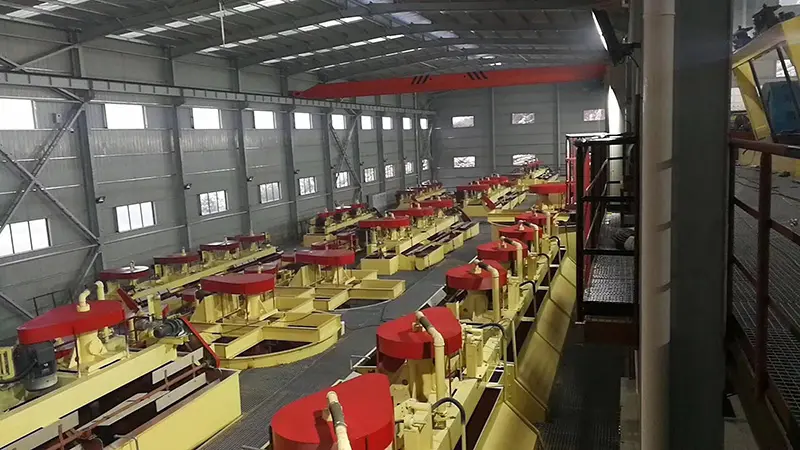
Flotation
The most widely used method for sulfide silver ores.
Suitable for:
Argentite
Galena-associated silver
Copper-silver ores
Gravity Separation
Used when silver occurs as coarse native particles.
Typical equipment:
Shaking tables
Spiral concentrators
Centrifugal concentrators
Cyanidation
Common for oxidized silver ores or gold-silver ores.
Silver is dissolved using cyanide solution before recovery.
Combined Processes
Many modern plants combine:
Gravity separation
Flotation
Cyanidation
to maximize silver recovery from complex ores.
Industrial Significance of Silver
Silver is no longer used only for jewelry and coins.
Major industries include:
Electronics
Silver has the highest electrical conductivity of any metal.
Applications include:
Printed circuit boards
Connectors
Semiconductors
Switches

Solar Energy
Photovoltaic cells use silver conductive paste to improve electrical efficiency.
The rapid growth of renewable energy has significantly increased global silver demand.
Medical Industry
Silver possesses natural antimicrobial properties.
Applications include:
Medical instruments
Wound dressings
Antibacterial coatings
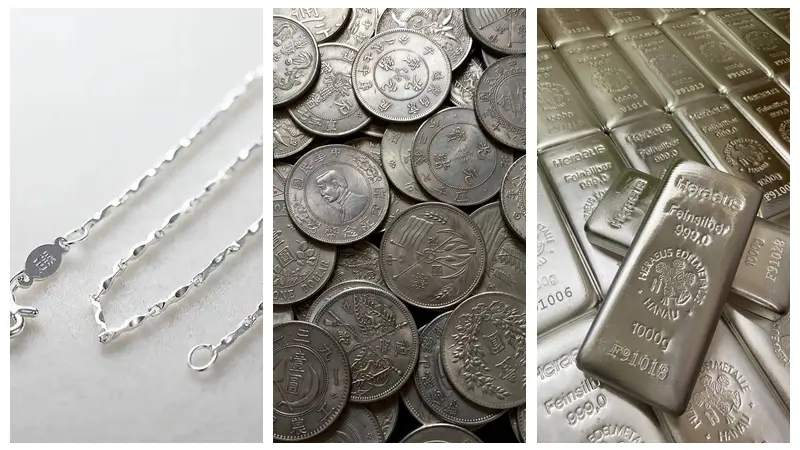
Jewelry and Investment
Silver remains an important precious metal for:
Jewelry
Coins
Bullion
Investment products
Chemical Industry
Silver is widely used as an industrial catalyst in chemical manufacturing.
Challenges in Silver Ore Processing
Modern silver mines face several technical challenges.
These include:
Complex polymetallic ores
Fine silver particle dissemination
Oxidized ore processing
Increasing energy costs
Declining ore grades
Environmental regulations
Water management
Tailings disposal
Addressing these challenges often requires advanced beneficiation technologies, efficient process control, and continuous metallurgical optimization.
Future Trends in Silver Mining
Technological innovation is transforming the silver mining industry.
Current trends include:
Intelligent ore sorting
Automated flotation systems
AI-assisted process optimization
High-efficiency grinding technologies
Dry stack tailings
Water recycling systems
Digital mine management
Low-carbon mining practices
These developments aim to improve recovery, reduce operating costs, and support more sustainable mineral production.
Conclusion
Silver ore is a valuable natural resource that plays a vital role in both the precious metals market and modern industry. Although native silver occurs in some deposits, most commercial production comes from complex silver-bearing minerals associated with lead, zinc, copper, and gold ores. The mineral composition, geological setting, and ore characteristics determine the most suitable mining and beneficiation methods.
As global demand for silver continues to rise—driven by renewable energy, electronics, and advanced manufacturing—efficient silver ore processing has become increasingly important. By combining appropriate crushing, grinding, flotation, gravity separation, or cyanidation technologies with modern process control systems, mining companies can maximize silver recovery while improving operational efficiency and environmental sustainability.