As global demand for high-grade iron ore continues to grow, magnetite mining investment has attracted increasing attention from mining companies, investors, and project developers. Magnetite is one of the world's most valuable iron ore resources because it can produce premium iron concentrates with low impurity levels, making it an essential raw material for modern steel production.
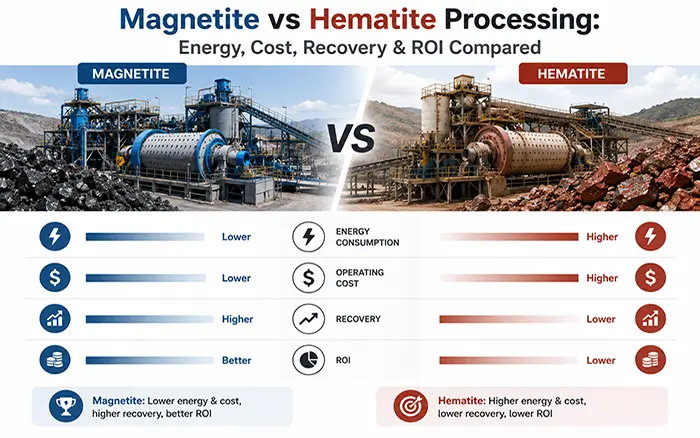
Although magnetite projects generally require higher initial capital investment than direct shipping ore (DSO) hematite mines, they often provide longer mine life, higher concentrate grades, and more stable long-term returns through beneficiation.
This guide explores the economics of magnetite mining investment, including capital costs, processing technology, return on investment (ROI), project risks, and key factors that determine profitability.
Why Invest in Magnetite Mining?
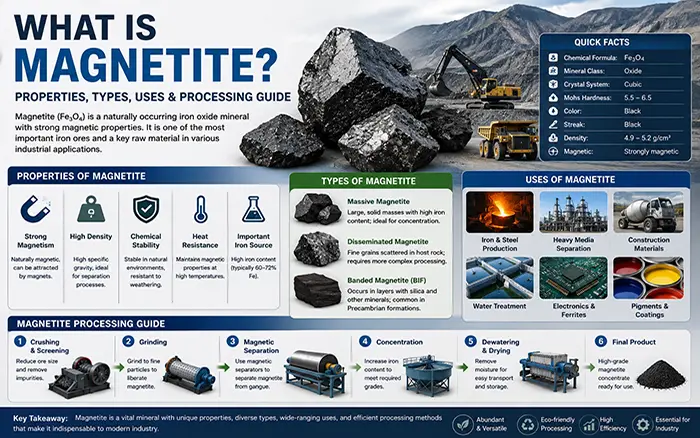
Magnetite (Fe₃O₄) is a strongly magnetic iron oxide mineral containing approximately 72.4% iron in its pure form. Most commercial magnetite ores have iron grades ranging from 20% to 45% Fe, requiring beneficiation before they can be sold as concentrate.
Unlike many hematite deposits that are gradually being depleted, magnetite resources are abundant worldwide and can produce concentrates containing 65–70% Fe with low silica and phosphorus content.
Major advantages include:
Long mine life
Large reserve potential
High-quality iron concentrate
Stable product demand
Excellent recovery using magnetic separation
Suitable for pellet production
Supports low-carbon steelmaking
As steel manufacturers increasingly seek premium-grade feed to reduce emissions and improve blast furnace efficiency, demand for magnetite concentrate continues to grow.
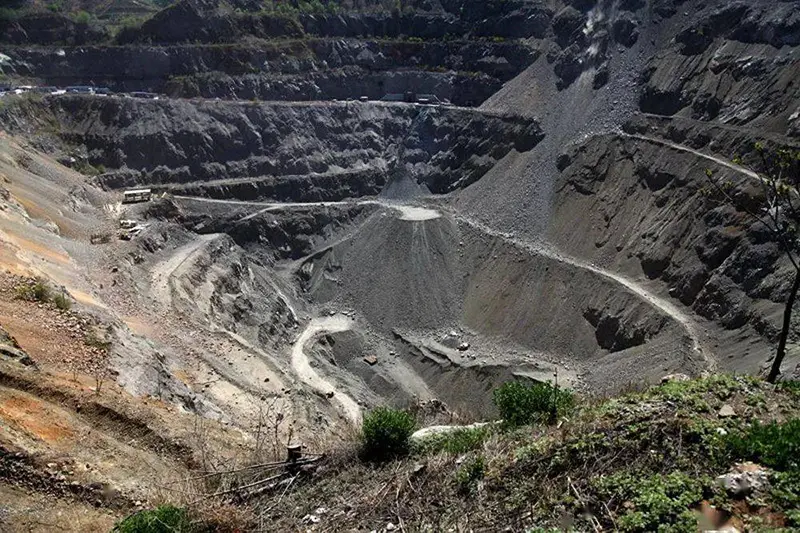
Global Market Outlook for Magnetite
Several long-term trends support investment in magnetite mining.
Growing Demand for High-Grade Iron Ore
Modern steel plants increasingly prefer iron concentrates with:
Higher iron content
Lower silica
Lower alumina
Lower phosphorus
Consistent particle size
Premium magnetite concentrates improve furnace productivity while reducing coke consumption and carbon emissions.
Expansion of Pellet Production
Direct reduction (DR) plants and electric arc furnaces (EAFs) require high-grade iron feed.
Magnetite concentrate is an ideal raw material for producing iron ore pellets used in these processes.
Increasing Environmental Requirements
Governments and steel producers are adopting stricter carbon reduction targets.
High-grade magnetite concentrate helps reduce energy consumption during ironmaking, making it increasingly attractive in the transition toward greener steel production.
Typical Magnetite Mining Project Development
A magnetite mining project generally includes the following stages:
1. Geological Exploration
Activities include:
Geological mapping
Core drilling
Resource estimation
Metallurgical testing
Reserve calculation
The objective is to confirm ore quantity, grade, and beneficiation characteristics.
2. Mine Development
Infrastructure typically includes:
Open-pit or underground mine
Haul roads
Waste dumps
Water supply
Power supply
Workshops
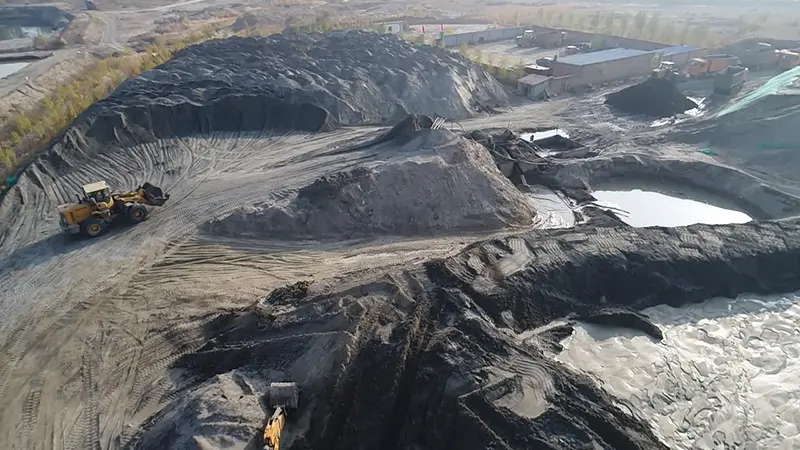
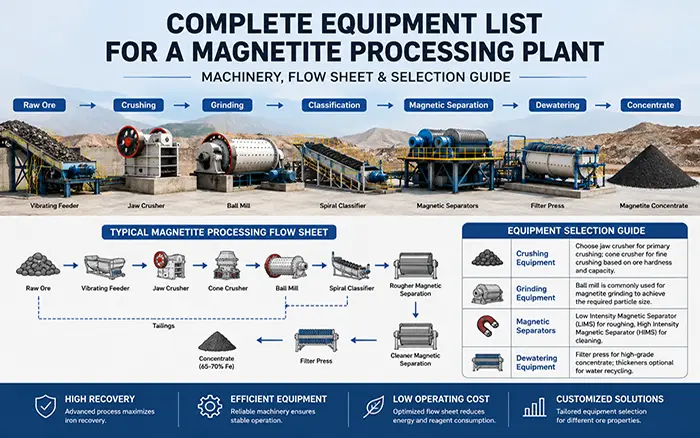
3. Crushing and Grinding
Since magnetite is finely disseminated in many deposits, mineral liberation requires multiple crushing and grinding stages.
Typical equipment includes:
Hydrocyclone
4. Magnetite Beneficiation
The beneficiation circuit generally includes:
Regrinding
Cleaner magnetic separation
Thickening
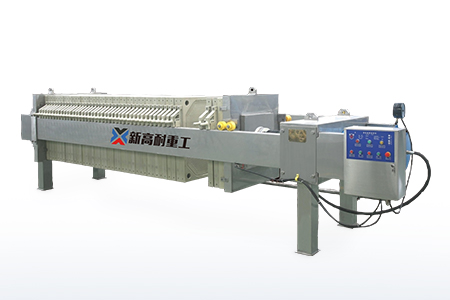
Filtration
LIMS is widely used because magnetite has strong magnetic properties, allowing high recovery with relatively low operating costs.
5. Concentrate Transportation
Final products are transported by:
Rail
Truck
Conveyor
Port facilities
Transportation infrastructure often represents a significant portion of total project investment.
Typical Capital Investment
The total investment required depends on production capacity, mining conditions, infrastructure, and plant configuration.
Typical investment ranges include:
| Project Scale | Annual Capacity | Estimated Investment (USD) |
|---|---|---|
| Small | 0.5–1 Mt | $20–80 million |
| Medium | 1–5 Mt | $80–300 million |
| Large | 5–10 Mt | $300–800 million |
| Mega Project | 10 Mt+ | $800 million–$2 billion+ |
Actual costs vary depending on location, infrastructure, labor, energy prices, and environmental requirements.
Main Cost Components
A magnetite mining project consists of several major cost categories.
Mining Equipment
Typical equipment includes:
Hydraulic excavators
Mining trucks
Bulldozers
Drilling rigs
Wheel loaders
Mining equipment generally accounts for a significant portion of the initial capital investment.
Processing Plant
Major processing equipment includes:
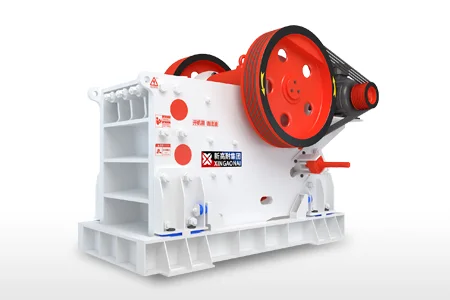
Jaw crushers
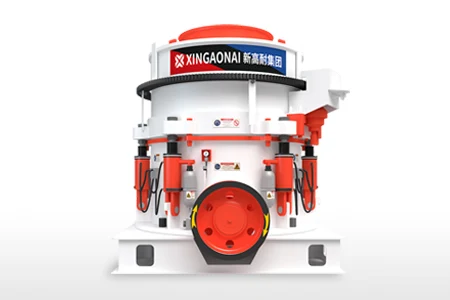
Cone crushers
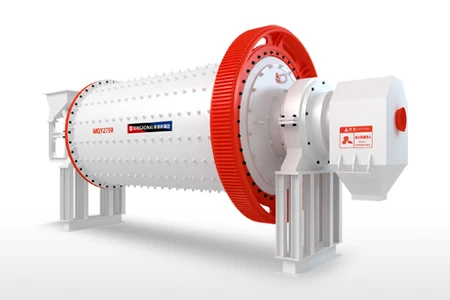
Ball mills
Hydrocyclones
Low intensity magnetic separators
Thickeners
Slurry pumps
The processing plant is usually the largest investment after mine development.
Infrastructure
Infrastructure costs may include:
Roads
Railway connections
Power stations
Water pipelines
Tailings storage facilities
Maintenance workshops
Administrative buildings
Remote mining locations often require greater infrastructure investment.
Environmental Protection
Modern projects must invest in:
Dust suppression systems
Water recycling facilities
Tailings management
Environmental monitoring
Land rehabilitation
Strong environmental management helps reduce long-term operational and regulatory risks.
Operating Costs
Major operating expenses include:
Mining
Crushing
Grinding
Magnetic separation
Electricity
Fuel
Water
Labor
Maintenance
Wear parts
Transportation
Among these, grinding typically represents the largest share of energy consumption in a magnetite processing plant.
Optimizing grinding efficiency is one of the most effective ways to reduce operating costs.
Factors Affecting Project Profitability
Several variables influence the return on a magnetite mining investment.
Ore Grade
Higher-grade deposits generally require less processing and produce more concentrate per ton of ore.
Recovery Rate
Efficient beneficiation can significantly improve project revenue.
Many well-designed LIMS circuits achieve iron recoveries above 95%.
Iron Ore Price
Project profitability is closely linked to global iron ore prices.
Producing premium-grade concentrate can provide additional price premiums compared with lower-grade products.
Energy Costs
Grinding and magnetic separation require substantial electricity.
Selecting energy-efficient equipment helps improve operating margins.
Transportation Distance
Projects located near railways or ports typically have lower logistics costs and stronger competitiveness.
Risks of Magnetite Mining Investment
Like any mining project, magnetite operations involve certain risks.
Potential challenges include:
Commodity price fluctuations
Resource estimation uncertainty
Capital cost overruns
Rising energy costs
Environmental permitting delays
Water availability
Infrastructure limitations
Equipment reliability
Comprehensive feasibility studies and metallurgical testing can help minimize these risks before project development.
Strategies for Improving ROI
Successful magnetite projects often adopt several optimization strategies.
Optimize Beneficiation Circuits
Multi-stage Low Intensity Magnetic Separation (LIMS) improves concentrate grade and recovery.
Increase Energy Efficiency
Modern high-efficiency grinding mills, variable-frequency drives, and automated process controls can significantly reduce power consumption.
Recover and Recycle Water
Efficient thickening and filtration systems reduce freshwater consumption and operating costs.
Use High-Quality Equipment
Reliable crushing, grinding, and magnetic separation equipment minimizes downtime and maintenance expenses.
Implement Plant Automation
Digital monitoring systems improve process stability, increase recovery, and reduce labor requirements.
Is Magnetite Mining Still a Good Long-Term Investment?
Despite higher upfront capital requirements, magnetite mining continues to offer attractive long-term investment opportunities. High-grade concentrates, growing demand from low-carbon steel production, and proven beneficiation technologies provide a solid foundation for sustainable profitability.
Projects with large reserves, efficient Low Intensity Magnetic Separation (LIMS) circuits, optimized grinding systems, and well-developed infrastructure are particularly well positioned to generate strong returns over their operating life. Careful project planning, comprehensive feasibility studies, and appropriate equipment selection remain the keys to maximizing investment value.