Designing an efficient silver ore processing plant requires a comprehensive understanding of ore characteristics, mineralogy, recovery targets, and economic conditions. Unlike simple ores, silver deposits often contain complex mineral associations, including lead, zinc, copper, gold, and sulfide minerals. Therefore, selecting the correct processing flowsheet and equipment is essential for maximizing silver recovery and controlling operating costs.
A well-designed silver processing plant should not only focus on silver extraction but also consider concentrate quality, energy consumption, water usage, environmental requirements, and future production expansion.
This guide explains how to design a silver ore processing plant, covering key design steps, processing flowsheets, equipment selection, plant layout considerations, and optimization strategies.
Why Silver Ore Processing Plant Design Is Important
Silver ores vary significantly in mineral composition and geological characteristics. A processing plant designed for one deposit may not perform effectively on another.
Poor plant design can result in:
Low silver recovery
Excessive reagent consumption
High energy costs
Difficult operation and maintenance
Poor concentrate quality
Increased environmental risks
A successful design must match the processing technology with the specific characteristics of the ore deposit.
Step 1: Conduct Silver Ore Characterization
Before designing a processing plant, detailed ore characterization is required.
Important evaluation parameters include:
Mineral Composition
Determine:
Silver mineral types
Associated metals
Gangue minerals
Sulfide and oxide content
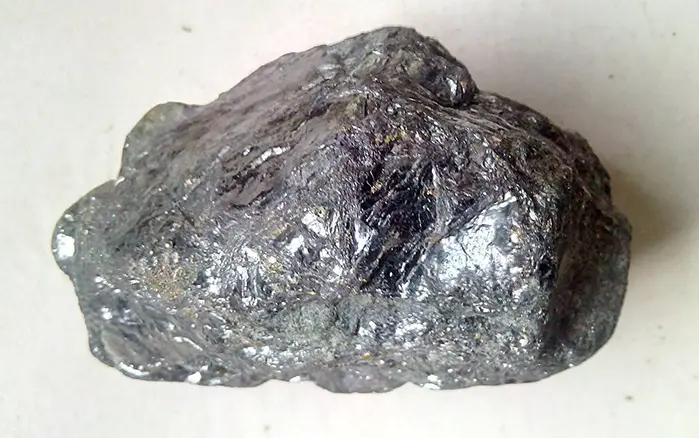
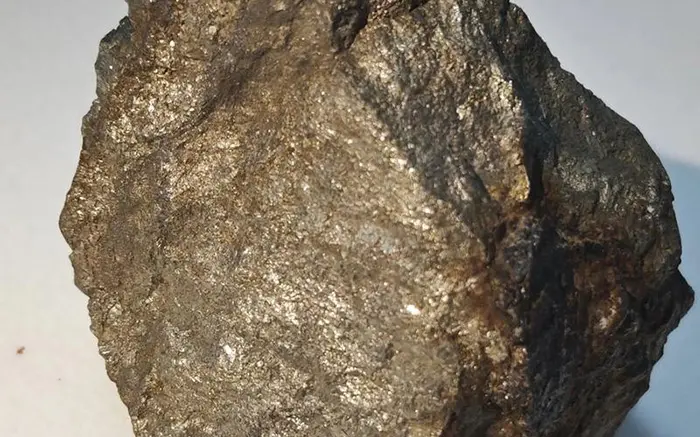
Common silver-bearing minerals include:
Native silver
Argentite
Pyrargyrite
Proustite
Silver-bearing galena
Silver-bearing copper minerals
Silver Distribution
Engineers need to understand whether silver occurs as:
Free particles
Fine inclusions
Sulfide-associated minerals
Oxidized minerals
The occurrence form directly affects process selection.
Metallurgical Testing
Laboratory testing should evaluate:
Gravity recovery potential
Flotation performance
Cyanidation response
Grinding requirements
Reagent consumption
These results provide the foundation for plant design.
Step 2: Select the Appropriate Silver Processing Method
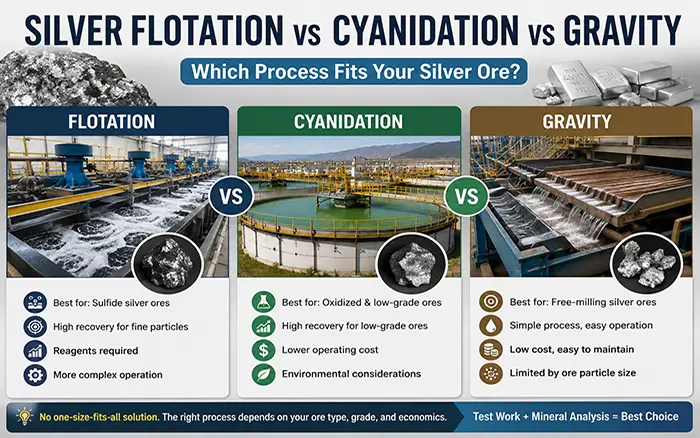
There is no universal silver extraction process. The optimal flowsheet depends on ore characteristics.
The main processing methods include:
Gravity separation
Flotation
Cyanidation
Combined processes
Silver Gravity Separation Plant
Gravity separation is suitable when silver exists as coarse liberated particles.
Typical equipment:
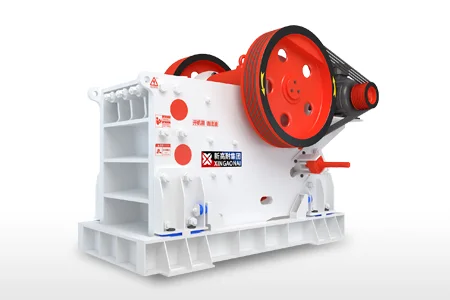
Jaw crusher
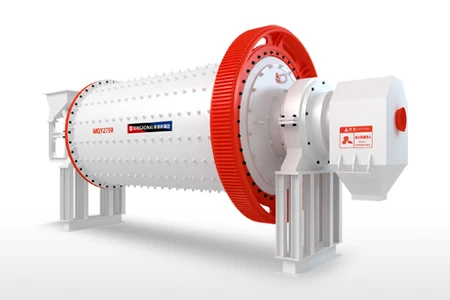
Ball mill
Spiral concentrator
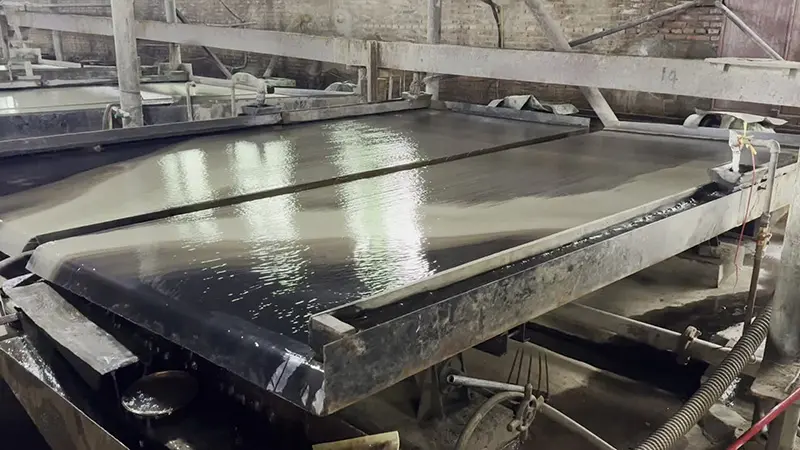
Shaking table
Centrifugal concentrator
Advantages:
Low operating cost
No chemical consumption
Simple operation
Limitations:
Poor recovery of fine silver
Usually requires combination with other methods
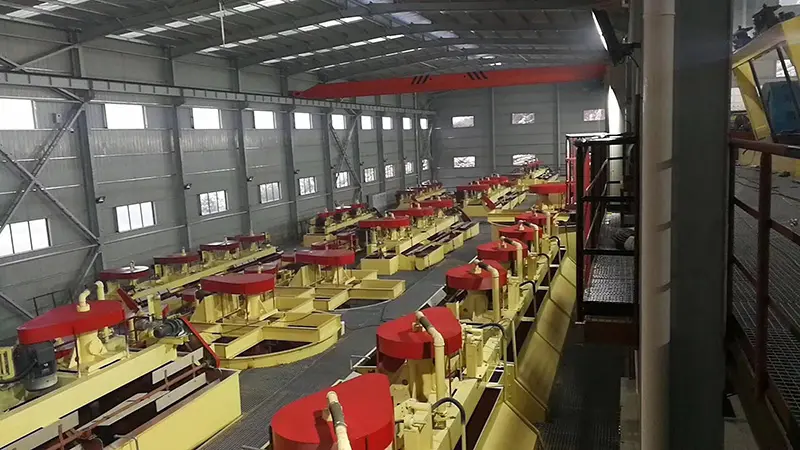
Silver Flotation Plant
Flotation is the most common method for processing sulfide silver ores.
Typical flow:
Crushing → Grinding → Classification → Flotation → Concentrate Thickening → Filtration
Common equipment includes:
Crusher
Ball mill
Hydrocyclone
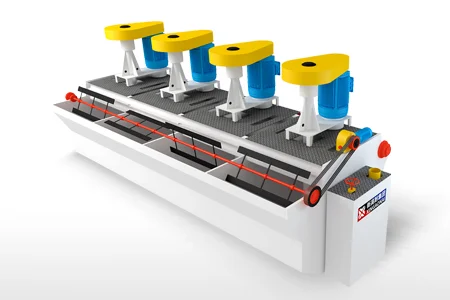
Flotation machine
Thickener
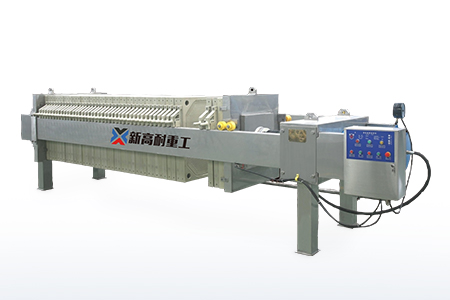
Filter press
Flotation is effective for:
Silver sulfide ores
Silver-lead-zinc ores
Silver-copper deposits
Complex polymetallic ores
Silver Cyanidation Plant
Cyanidation is commonly used for oxidized or free-milling silver ores.
Typical flow:
Crushing → Grinding → Leaching → Adsorption → Elution → Electrowinning
Main equipment:
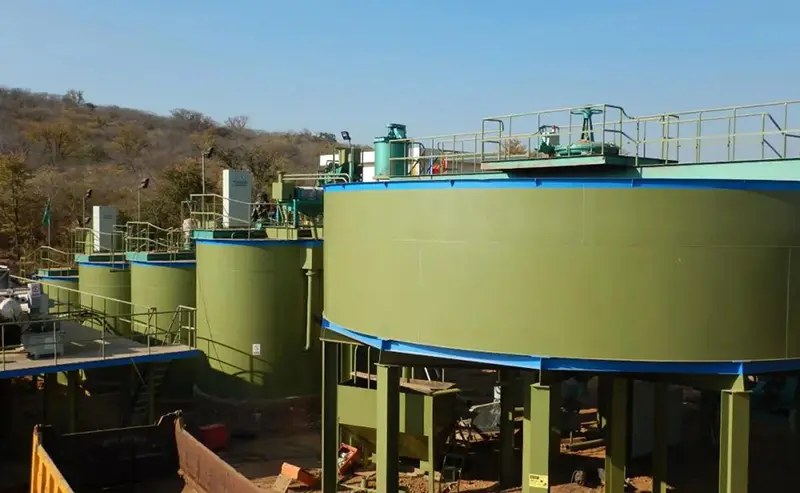
Leaching tanks
Carbon adsorption system
Desorption equipment
Electrowinning cells
Smelting furnace
Advantages:
High recovery for soluble silver
Suitable for fine particles
Challenges:
Requires strict cyanide management
Higher environmental requirements
Step 3: Design the Crushing and Grinding Circuit
Crushing and grinding determine the degree of mineral liberation.
Crushing Section
The crushing circuit typically includes:
Primary Crushing
Equipment:
Jaw crusher
Gyratory crusher
Purpose:
Reduce large ore blocks into manageable sizes.
Secondary Crushing
Equipment:
Cone crusher
Impact crusher
Purpose:
Further reduce particle size before grinding.
Grinding Section
Grinding equipment commonly includes:
Ball mill
Rod mill
Hydrocyclone
The goal is to achieve sufficient liberation while avoiding unnecessary energy consumption.
Over-grinding can increase costs and create excessive slimes, while under-grinding can reduce recovery.
Step 4: Select Silver Processing Equipment
Equipment selection should consider:
Ore hardness
Processing capacity
Required recovery
Plant location
Maintenance requirements
Crushing Equipment
Recommended equipment:
Jaw crusher for primary crushing
Cone crusher for secondary crushing
Vibrating screen for size control
Grinding Equipment
Common choices:
Ball mills
Overflow ball mills
Wet grinding mills
Separation Equipment
Depending on the flowsheet:
Gravity:
Shaking tables
Spiral separators
Flotation:
Mechanical flotation cells
Pneumatic flotation machines
Magnetic or auxiliary separation:
Magnetic separators
Hydrocyclones
Dewatering Equipment
Final concentrate treatment usually requires:
Thickener
Filter press
Vacuum filter
These reduce moisture before transportation or smelting.
Step 5: Design the Silver Processing Plant Layout
An efficient plant layout improves productivity and reduces operating costs.
Important design principles include:
Short Material Transportation Distance
Equipment should be arranged according to the process sequence.
Easy Maintenance Access
Adequate space should be provided for:
Equipment inspection
Spare parts replacement
Maintenance operations
Safety Considerations
The plant should include:
Safe walkways
Emergency systems
Chemical storage areas
Dust control systems
Future Expansion
A flexible layout allows additional equipment installation when production increases.
Step 6: Consider Water and Tailings Management
Modern silver plants must include sustainable water and waste management systems.
Important facilities include:
Water Recycling System
Includes:
Thickener overflow recovery
Process water circulation
Filtration systems
Tailings Management
Options include:
Conventional tailings ponds
Dry stack tailings
Filtered tailings systems
Proper tailings management reduces environmental risks and improves water efficiency.
Step 7: Optimize Silver Recovery and Operating Costs
After commissioning, continuous optimization is necessary.
Key optimization areas include:
Grinding Optimization
The correct grinding size improves liberation while reducing energy consumption.
Reagent Optimization
Adjust:
Collector dosage
Frother dosage
pH control
Depressant usage
Equipment Performance Monitoring
Track:
Recovery rate
Concentrate grade
Equipment efficiency
Energy consumption
Example Silver Ore Processing Plant Flowsheet
A typical sulfide silver processing plant may include:
ROM Ore
↓
Jaw Crusher
↓
Cone Crusher
↓
Ball Mill
↓
Hydrocyclone
↓
Flotation Circuit
↓
Silver Concentrate Thickener
↓
Filter Press
↓
Final Concentrate
For complex deposits, gravity concentration or cyanidation circuits may be added.
Common Challenges in Silver Processing Plant Design
Complex Mineralogy
Silver associated with multiple minerals may require advanced flowsheets.
Low Silver Grade
Low-grade deposits require highly efficient recovery methods to remain profitable.
Fine Silver Particles
Fine dissemination may reduce gravity recovery and require flotation or leaching.
Variable Ore Feed
Changing ore characteristics can affect plant stability and recovery.
Future Trends in Silver Processing Plant Design
Modern silver processing plants are adopting:
Automated process control
Digital monitoring systems
AI-based optimization
Energy-efficient grinding technology
Advanced flotation equipment
Water-saving technologies
Dry stack tailings systems
These technologies improve recovery while reducing environmental impact.
Conclusion
Designing a silver ore processing plant requires a detailed understanding of ore mineralogy, metallurgical behavior, production targets, and economic conditions. The ideal plant design combines the right recovery method with efficient equipment selection, optimized flowsheets, and sustainable waste management.
For sulfide silver ores, flotation is usually the preferred solution, while gravity separation works well for coarse native silver and cyanidation is effective for oxidized or free-milling ores. In many cases, combining multiple technologies provides the highest recovery and best economic performance.
A successful silver processing plant should be designed through geological analysis, laboratory testing, engineering optimization, and long-term operational planning.