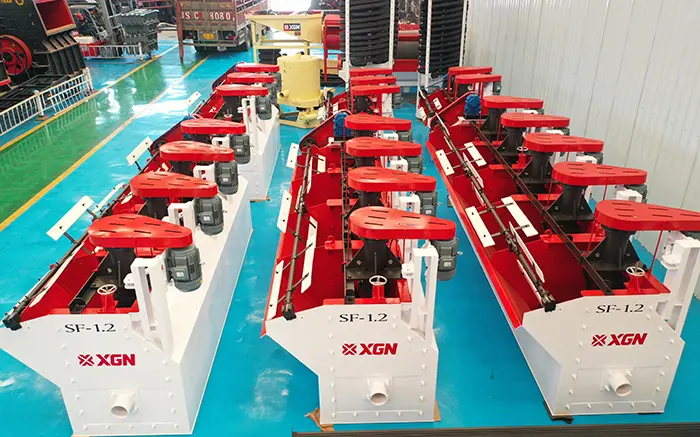
Flotation is one of the most important mineral beneficiation methods used to separate valuable minerals from waste materials. However, the efficiency of a flotation process depends not only on the flotation machine and circuit design but also on the correct selection and application of flotation reagents.
Flotation reagents are chemical compounds added during mineral processing to modify the surface properties of minerals, control particle interactions, and improve the separation of valuable minerals from gangue. Different minerals require different reagent combinations, and improper reagent selection can lead to poor recovery, low concentrate grade, and increased operating costs.
The major categories of flotation reagents include collectors, frothers, depressants, activators, modifiers, and pH regulators. Each type plays a specific role in controlling mineral behavior during flotation.
This guide explains how flotation reagents work, their functions, common types, applications, and how to select the right reagent system for different ores.
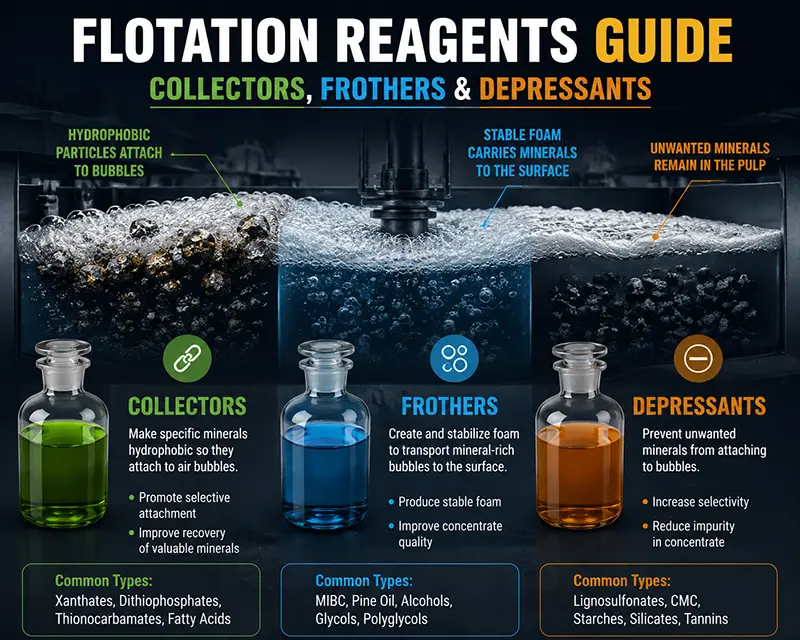
What Are Flotation Reagents?
Flotation reagents are chemicals used to enhance the separation of minerals through differences in surface properties.
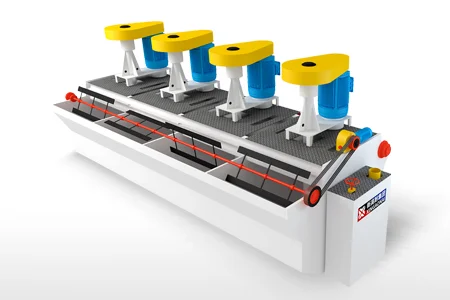
During flotation, finely ground ore particles are mixed with water to form a slurry. Air bubbles are introduced into the flotation cell, and reagents help control which minerals attach to bubbles and which remain in the slurry.
The main purposes of flotation reagents include:
Increasing mineral recovery
Improving concentrate quality
Controlling mineral selectivity
Enhancing bubble formation
Preventing unwanted minerals from floating
Adjusting pulp conditions
Without proper reagent control, many valuable minerals cannot be effectively recovered.
How Do Flotation Reagents Work?
The flotation process depends on the interaction between:
Mineral surfaces
Water
Air bubbles
Chemical reagents
Most minerals are naturally hydrophilic, meaning they prefer contact with water. Flotation reagents modify mineral surfaces and make selected particles more hydrophobic.
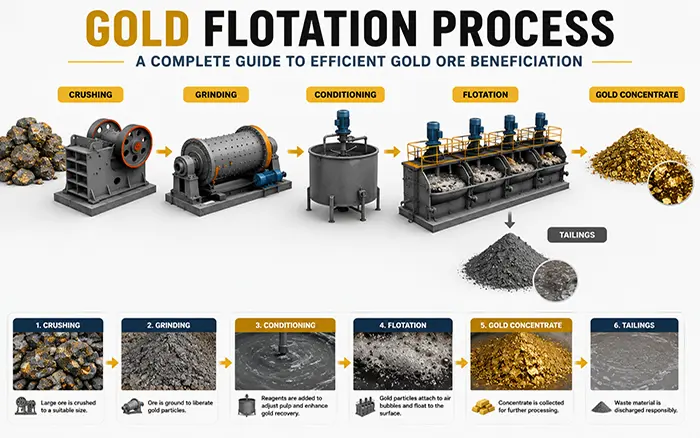
The general process includes:
Ore is crushed and ground to achieve mineral liberation.
The slurry is mixed with selected reagents.
Collectors attach to target minerals.
Frothers create stable bubbles.
Valuable minerals rise with bubbles to form concentrate.
Gangue minerals remain in the tailings.
The correct balance of reagents determines flotation efficiency.
Main Types of Flotation Reagents
Flotation reagents are generally divided into four primary categories:
Collectors
Frothers
Depressants
Activators
Additional reagents such as pH modifiers and dispersants are also commonly used.
Flotation Collectors
Function of Collectors
Collectors are chemicals that increase the hydrophobicity of valuable mineral surfaces, allowing them to attach to air bubbles.
They are one of the most important reagent types because they directly influence mineral recovery.
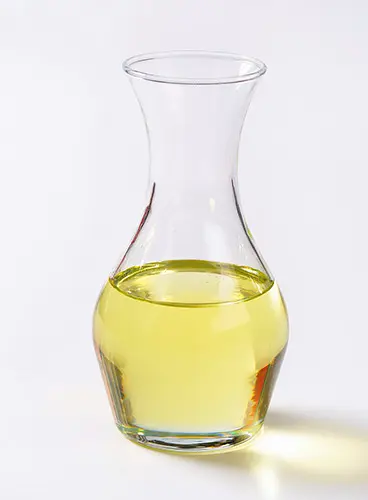
Common Types of Collectors
Xanthates
Xanthates are widely used collectors for sulfide minerals.
Applications include:
Copper sulfide flotation
Lead-zinc ore processing
Nickel sulfide recovery
Common examples:
Dithiophosphates
Dithiophosphates provide strong selectivity and are often used together with xanthates.
Typical applications:
Fatty Acid Collectors
Fatty acids are commonly used for oxide minerals.
Applications include:
Amine Collectors
Amine collectors are mainly used for non-metallic minerals.
Examples:
Flotation Frothers
Function of Frothers
Frothers control bubble formation and stability during flotation.
A suitable frother helps:
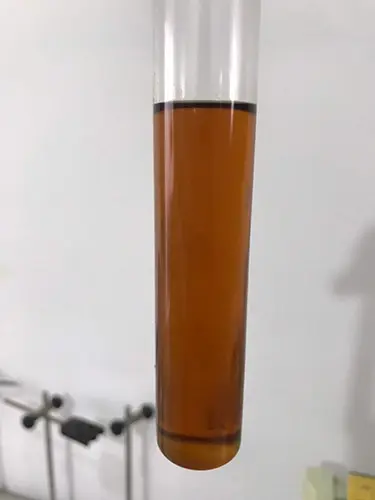
Common Frother Types
Methyl Isobutyl Carbinol (MIBC)
MIBC is one of the most commonly used frothers due to its balanced performance.
Applications:
Pine Oil
Pine oil has historically been used as a frother because of its ability to produce stable foam.
Polyglycol Frothers
Synthetic frothers provide better control over bubble size and froth characteristics.
Depressants
Function of Depressants
Depressants prevent specific minerals from floating by making their surfaces less responsive to collectors.
They improve selectivity when separating minerals with similar flotation behavior.
Common Depressants
Sodium Cyanide
Used in some sulfide separation circuits to depress:
Pyrite
Certain copper minerals
Its application requires strict environmental controls.
Zinc Sulfate
Commonly used to depress sphalerite during lead flotation.
Sodium Silicate
Used for:
Silicate mineral control
Slime dispersion
Gangue depression
Activators
Function of Activators
Activators enhance the flotation response of minerals that do not easily interact with collectors.
They modify mineral surfaces and improve collector adsorption.
Common Activators
Copper Sulfate
Copper sulfate is widely used to activate sphalerite in zinc flotation.
Lead Nitrate
Lead nitrate can improve flotation response for certain gold and sulfide minerals.
Sodium Sulfide
Used in some oxide mineral flotation circuits to modify mineral surfaces.
pH Regulators and Modifiers
Although collectors and frothers receive the most attention, pulp chemistry control is equally important.
pH modifiers influence:
Common pH regulators include:
Lime
Used to increase pulp alkalinity.
Applications:
Copper flotation
Gold flotation
Sulfide ore processing
Sulfuric Acid
Used to reduce pulp pH in specific flotation circuits.
Flotation Reagent Selection Factors
Choosing the correct reagent combination requires understanding several factors.
Mineral Composition
Different minerals respond differently to reagents.
For example:
Sulfide minerals usually require sulfide collectors.
Oxide minerals often need modified collectors.
Non-metallic minerals require different reagent systems.
Ore Liberation Size
The degree of mineral liberation affects reagent performance.
Poor liberation may reduce recovery regardless of reagent dosage.
Water Chemistry
Water quality influences:
Reagent adsorption
Bubble formation
Mineral interactions
Parameters such as dissolved ions and hardness should be considered.
Pulp pH
pH strongly affects reagent selectivity and mineral behavior.
Optimizing pH can significantly improve flotation performance.
Reagent Dosage
Too little reagent may cause low recovery, while excessive dosage can reduce selectivity and increase costs.
Flotation Reagents for Different Minerals
Copper Ore
Common reagent system:
Xanthate collectors
Frothers
Lime modifiers
Gold Ore
Common reagents:
Lead-Zinc Ore
Typical combination:
Collectors
Zinc depressants
Activators
pH modifiers
Iron Ore Reverse Flotation
Common reagents:
Amine collectors
Starch depressants
pH regulators
Common Problems Caused by Incorrect Reagent Selection
Poor reagent management can lead to:
Low Recovery
Possible causes:
Low Concentrate Grade
Possible causes:
Unstable Froth
Possible causes:
Incorrect frother dosage
Poor pulp conditions
Excessive fine particles
Modern Trends in Flotation Reagent Technology
The development of flotation reagents is moving toward higher efficiency and environmental sustainability.
Current trends include:
Biodegradable collectors
Low-toxicity reagent systems
Automated reagent dosing
AI-based flotation optimization
Real-time pulp monitoring
Customized reagent schemes based on mineralogy
These technologies help improve recovery while reducing chemical consumption.
Conclusion
Flotation reagents are essential components of modern mineral processing operations. Collectors improve mineral floatability, frothers control bubble formation, depressants improve selectivity, and activators enhance mineral response.
However, there is no universal reagent formula suitable for every ore. The optimal reagent system depends on mineral composition, liberation size, pulp chemistry, water quality, and processing objectives.
A successful flotation operation requires laboratory testing, reagent optimization, and continuous process monitoring. By selecting and managing flotation reagents correctly, mining operations can achieve higher recovery, better concentrate quality, and improved economic performance.