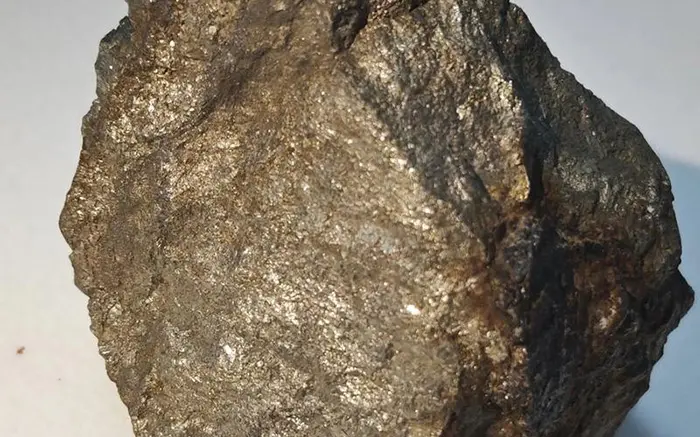
Selecting the right beneficiation process is one of the most important decisions in a silver mining project. Different silver ores have unique mineral compositions, liberation characteristics, and oxidation levels, so no single processing method is suitable for every deposit.
The three most widely used methods are flotation, cyanidation, and gravity separation. Each technology is designed for specific ore types and offers distinct advantages in recovery, operating costs, concentrate quality, and environmental performance.
Choosing the wrong process can lead to poor silver recovery, excessive reagent consumption, and higher operating costs. Therefore, understanding how each method works and when to apply it is essential before designing a silver beneficiation plant.
This guide compares Silver Flotation vs Cyanidation vs Gravity, explaining their working principles, suitable ore types, equipment requirements, advantages, limitations, and selection criteria.
Before selecting a beneficiation method, engineers should first understand how silver occurs within the ore.
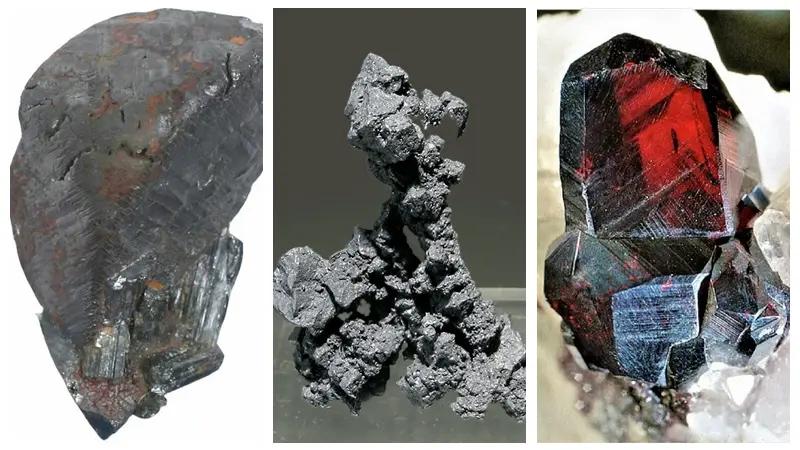
Silver commonly exists as:
Silver may occur as:
The mineralogical characteristics directly determine which recovery process will be most effective.
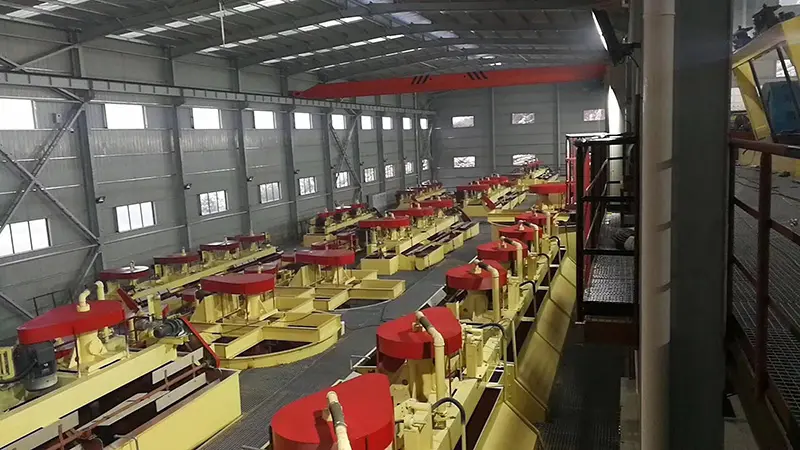
Silver Flotation Process
Working Principle
Flotation separates valuable silver-bearing sulfide minerals from gangue minerals using differences in surface wettability.
After crushing and grinding, flotation reagents are added to the slurry. Air bubbles selectively attach to hydrophobic silver minerals, carrying them to the surface where they form a concentrate.
Typical process:
Crushing → Grinding → Classification → Conditioning → Flotation → Concentrate Dewatering
Suitable Ore Types
Silver flotation is ideal for:
Main Equipment
Typical flotation circuits include:
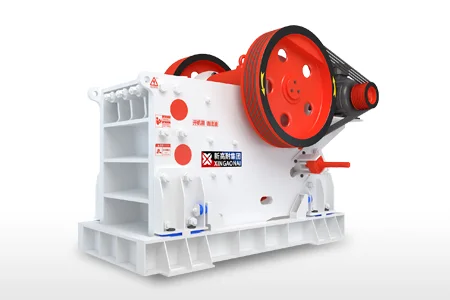
Jaw crusher
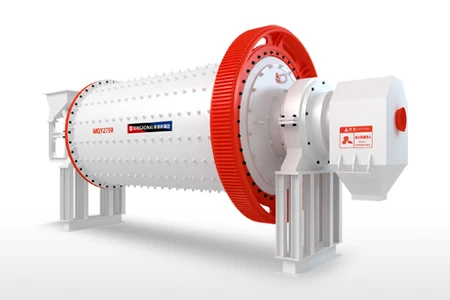
Ball mill
Hydrocyclone
Agitation tank
Flotation machine
Thickener
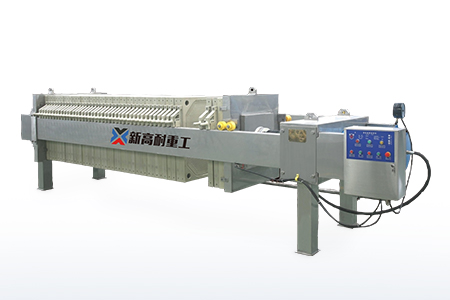
Filter press
Advantages
High recovery for sulfide ores
Suitable for low-grade deposits
Produces high-grade concentrates
Mature industrial technology
Relatively low operating cost
Limitations
Less effective for oxidized ores
Requires reagent management
Sensitive to ore mineralogy
Requires fine grinding
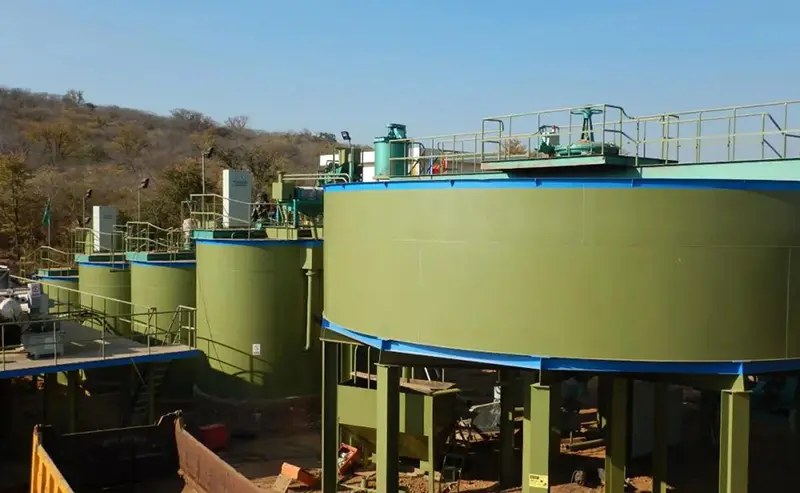
Silver Cyanidation Process
Working Principle
Cyanidation dissolves silver into a cyanide solution under controlled alkaline conditions.
The dissolved silver is then recovered through adsorption, precipitation, or electrowinning.
Typical flowsheet:
Crushing → Grinding → Cyanide Leaching → Carbon Adsorption or Zinc Precipitation → Smelting
Suitable Ore Types
Cyanidation works well for:
Main Equipment
Common equipment includes:
Advantages
High recovery for soluble silver
Suitable for fine particles
Widely adopted worldwide
Can recover both gold and silver simultaneously
Limitations
Cyanide handling requires strict safety measures.
Less efficient for refractory sulfide ores
Higher environmental compliance requirements
Longer processing time
Gravity Separation for Silver
Working Principle
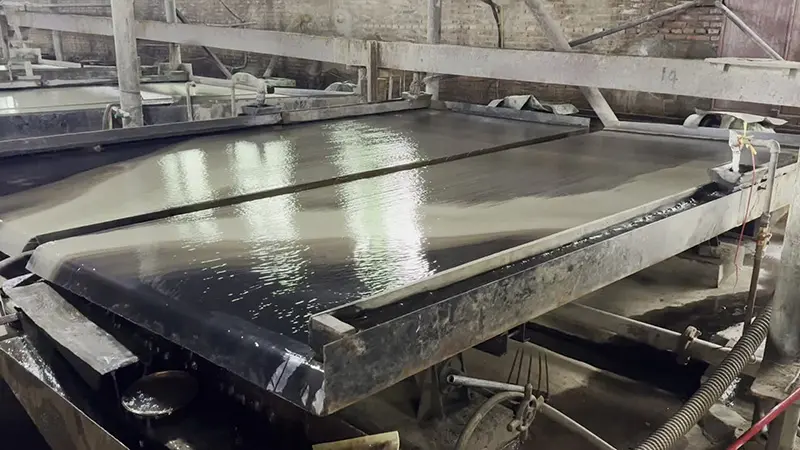
Gravity separation utilizes differences in specific gravity between silver minerals and gangue.
Since silver has a relatively high density, coarse liberated particles can often be concentrated using gravity equipment.
Typical process:
Crushing → Screening → Gravity Separation → Concentrate Collection
Suitable Ore Types
Gravity separation performs well for:
Main Equipment
Common gravity equipment includes:
Advantages
Limitations
Inefficient for fine silver particles
Limited recovery for disseminated ores
Usually requires combination with other methods.
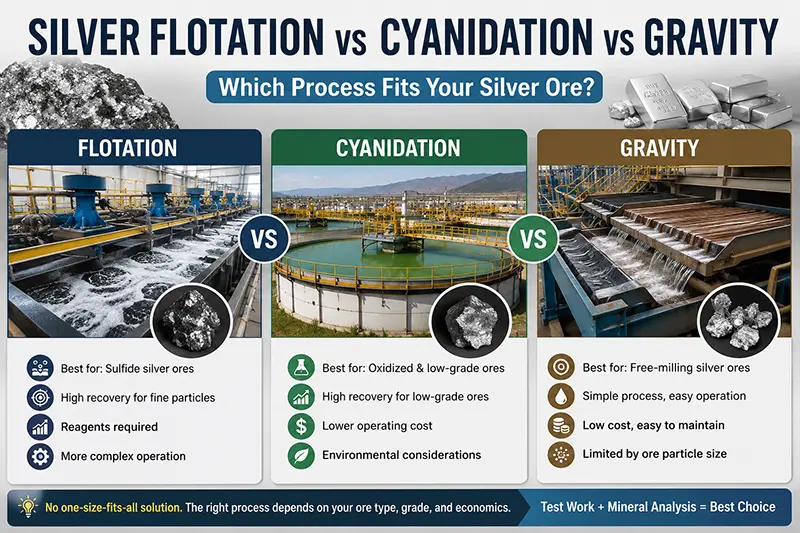
Comparison of Silver Flotation vs Cyanidation vs Gravity
| Feature | Flotation | Cyanidation | Gravity Separation |
|---|
| Best Ore Type | Sulfide | Oxidized & Free Silver | Coarse Native Silver |
| Recovery of Fine Silver | Excellent | Excellent | Limited |
| Chemical Reagents | Required | Cyanide Required | None |
| Environmental Impact | Moderate | Higher | Low |
| Capital Investment | Medium | High | Low |
| Operating Cost | Medium | Medium to High | Low |
| Product | Silver Concentrate | Doré/Metal Recovery | Gravity Concentrate |
| Typical Recovery | High | High | Moderate |
Which Process Fits Different Silver Ores?
Sulfide Silver Ore
Recommended method:
Reason:
Silver is usually locked within sulfide minerals and responds well to flotation collectors.
Oxidized Silver Ore
Recommended method:
Reason:
Silver compounds dissolve efficiently in cyanide solution.
Native Silver
Recommended method:
Gravity separation
Gravity + Flotation
Reason:
Coarse native silver responds well to density separation.
Polymetallic Silver Ore
Recommended method:
Flotation
Flotation + Cyanidation
Reason:
Complex ores often require sequential recovery of different valuable minerals.
Low-Grade Silver Ore
Recommended method:
Proper laboratory testing is essential before selecting the process.
Can These Processes Be Combined?
Yes.
Modern silver beneficiation plants frequently combine multiple recovery methods to maximize recovery.
Common combinations include:
Gravity + Flotation
Gravity recovers coarse silver first, while flotation recovers fine sulfide silver.
Flotation + Cyanidation
Flotation produces a high-grade concentrate, while cyanidation extracts additional silver from flotation tailings or concentrates.
Gravity + Flotation + Cyanidation
Large polymetallic operations often integrate all three processes to achieve maximum recovery from complex ores.
Factors Affecting Process Selection
Before choosing a process, engineers should evaluate:
Ore Mineralogy
Understanding how silver occurs within the ore is the most important factor.
Particle Size Distribution
Fine particles generally favor flotation or cyanidation, while coarse liberated silver is suitable for gravity recovery.
Silver Grade
Low-grade ores often require more efficient recovery technologies to remain economically viable.
Associated Metals
The presence of lead, zinc, copper, or gold influences reagent selection and process design.
Water Availability
Flotation and cyanidation consume more water than gravity separation, making water supply an important consideration.
Environmental Regulations
Projects in regions with strict environmental standards may need advanced cyanide detoxification systems or prefer gravity-based recovery where feasible.
Operating Cost
Energy consumption, reagent usage, labor, and maintenance should all be included in the economic evaluation.
Conclusion
There is no single processing method suitable for every silver deposit. Flotation remains the preferred choice for sulfide and polymetallic silver ores, cyanidation is highly effective for oxidized and free-milling silver, while gravity separation offers a simple and economical solution for coarse native silver.
In many modern beneficiation plants, combining two or even all three methods provides the highest recovery and the best economic return. The final process selection should always be based on detailed mineralogical studies, laboratory testing, pilot-scale trials, and comprehensive economic evaluation to ensure the processing circuit matches the unique characteristics of the ore.