Choosing the right spiral classifier is essential for achieving efficient grinding classification, stable production, and low operating costs in a mineral processing plant. As one of the most widely used classification equipment in mining, a spiral classifier works together with ball mills to separate qualified fine particles from coarse materials for further grinding.
An improperly selected classifier can reduce grinding efficiency, increase circulating load, waste energy, and negatively affect downstream flotation or magnetic separation performance. Therefore, purchasing a spiral classifier should involve more than comparing equipment prices—it requires evaluating ore characteristics, plant capacity, process requirements, and long-term maintenance costs.
This buyer's guide explains how to select a spiral classifier by introducing the seven most important factors every mining company should consider before purchasing classification equipment.
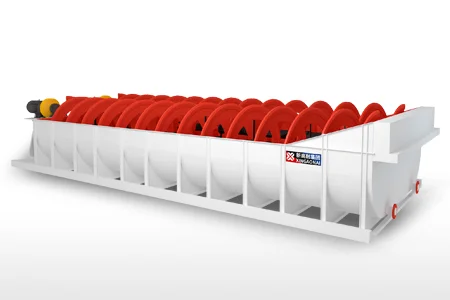
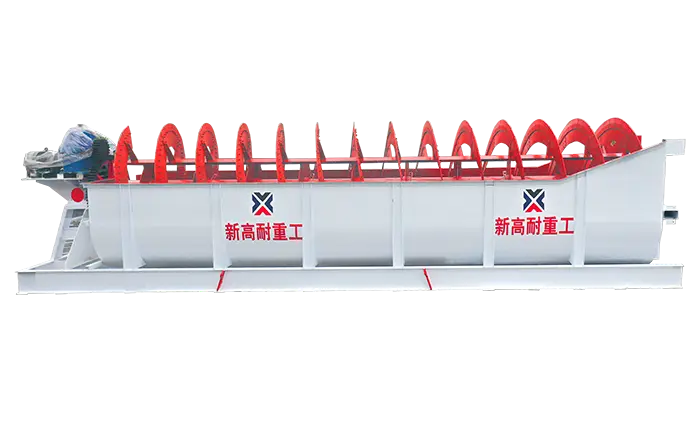
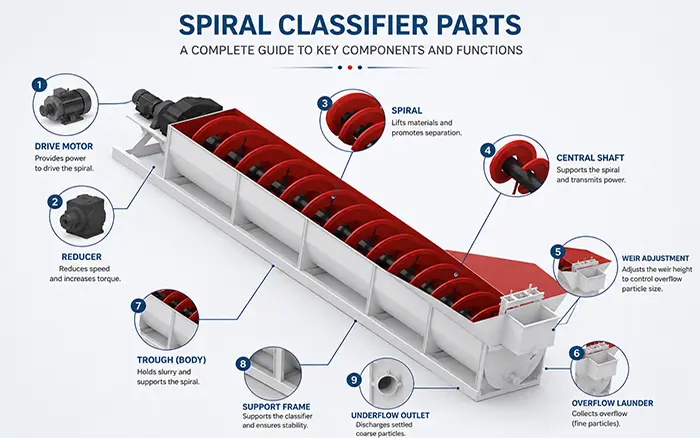
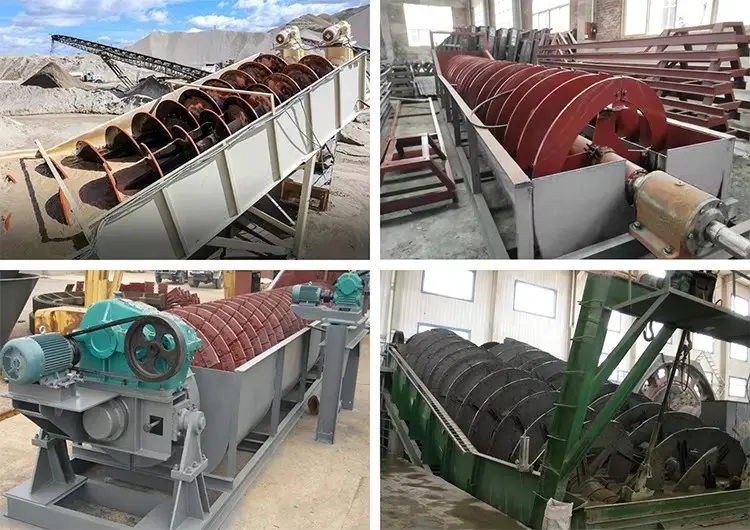
A spiral classifier is a gravity-based classification machine used to separate mineral particles according to their size and settling velocity in a slurry.
In a typical grinding circuit, the classifier receives slurry discharged from a ball mill. Fine particles overflow to the next processing stage, while coarse particles settle to the bottom and are returned to the mill for additional grinding.
Spiral classifiers are commonly used in:
When properly selected, a spiral classifier helps improve grinding efficiency, reduce overgrinding, and maintain stable particle size distribution.
Why Is Spiral Classifier Selection Important?
The classifier directly influences the performance of the entire grinding circuit.
A correctly sized spiral classifier can:
Improve classification efficiency
Reduce circulating load
Increase ball mill productivity.
Lower energy consumption
Improve flotation performance
Produce more consistent particle size.
Reduce wear on downstream equipment.
Selecting an unsuitable classifier may result in poor separation efficiency, unstable operation, and increased operating costs.
Factor 1: Understand Your Ore Characteristics
The first step in selecting a spiral classifier is evaluating the material being processed.
Important ore properties include:
Heavy minerals such as magnetite and hematite settle faster than lighter gangue minerals, affecting classification performance. Therefore, ore characteristics should always be considered during equipment selection.
Factor 2: Determine the Required Processing Capacity
Capacity is one of the most important selection criteria.
Questions to consider include:
What is the required throughput (TPH)?
Will the classifier operate continuously?
Is future capacity expansion planned?
What is the expected ball mill discharge volume?
Selecting a classifier that closely matches the grinding circuit helps maintain stable operation while avoiding unnecessary capital investment.
Factor 3: Choose the Appropriate Spiral Classifier Type
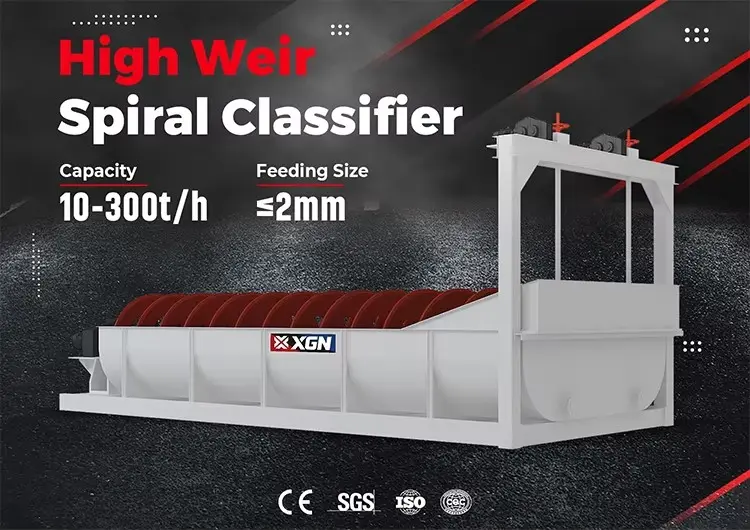
Spiral classifiers are generally divided into two main categories.
Characteristics:
Suitable for fine particle classification
Higher overflow weir
Better separation efficiency
Commonly used in closed-circuit grinding
Typical applications:
Submerged Spiral Classifier
Characteristics:
Larger settling area
Suitable for finer classification
Better handling of high-density slurry
Higher classification accuracy
Typical applications:
Fine mineral beneficiation
High-capacity concentrators
Advanced grinding circuits
Selecting the correct classifier type depends on the desired overflow particle size and process requirements.
Factor 4: Match the Spiral Classifier with the Ball Mill
A spiral classifier should never be selected independently.
Instead, it must be matched with:
An oversized or undersized classifier can reduce grinding efficiency and increase operating costs.
The ball mill and spiral classifier should be designed as an integrated system.
Factor 5: Consider Particle Size Requirements
The required product size determines classifier performance.
Key questions include:
What is the target overflow size?
What is the required grinding fineness?
What percentage should pass 200 mesh?
Is coarse particle recovery important?
Proper classification ensures that only qualified particles proceed to flotation or magnetic separation while oversized particles return for further grinding.
Factor 6: Evaluate Structural Design and Wear Resistance
Mining environments expose equipment to severe abrasion.
Important design features include:
High-quality materials extend service life and reduce maintenance costs.
Factor 7: Analyze Operating and Maintenance Costs
The purchase price represents only part of the total investment.
Long-term operating costs include:
Choosing reliable equipment with lower life-cycle costs often provides a better return on investment than selecting the lowest-priced machine.
Key Technical Parameters to Compare
Before purchasing a spiral classifier, compare the following specifications:
| Spiral Diameter | Determines classification capacity |
| Spiral Length | Influences settling efficiency |
| Overflow Weir Height | Affects overflow particle size |
| Spiral Speed | Controls classification performance |
| Motor Power | Determines energy consumption |
| Processing Capacity | Matches plant throughput |
| Feed Particle Size | Ensures compatibility with the grinding circuit |
| Overflow Size | Meets downstream process requirements |
Common Mistakes When Purchasing a Spiral Classifier
Many buyers focus only on initial investment.
Common procurement mistakes include:
Selecting equipment based solely on price
Ignoring ore characteristics
Purchasing oversized equipment
Underestimating future production growth
Failing to match the classifier with the ball mill
Overlooking wear resistance
Ignoring spare parts availability
Choosing equipment without supplier technical support
Evaluating the total cost of ownership leads to better long-term investment decisions.

Modern Trends in Classification Equipment
Although spiral classifiers remain widely used, many modern concentrators are upgrading their classification systems.
Current trends include:
High-efficiency hydrocyclones
Hybrid grinding-classification circuits
Variable frequency drive (VFD) control
Online particle size monitoring
Intelligent process control
Energy-efficient drive systems
Predictive maintenance technologies
Many plants combine spiral classifiers with hydrocyclones to improve overall classification efficiency and increase grinding circuit flexibility.
Buyer Checklist
Before selecting a spiral classifier, confirm the following:
| Ore Type | What minerals are being processed? |
| Capacity | What is the required TPH? |
| Classifier Type | High weir or submerged? |
| Grinding Circuit | Which ball mill will it match? |
| Product Size | What overflow size is required? |
| Wear Resistance | Are wear parts easy to replace? |
| Energy Consumption | What is the operating power? |
| Maintenance | Are spare parts readily available? |
| Expansion | Will future production increase? |
| Supplier Support | Does the manufacturer provide technical service? |
Conclusion
Selecting the right spiral classifier is essential for maximizing grinding efficiency, improving particle size control, and ensuring the stable operation of a mineral processing plant. Rather than focusing solely on equipment price, mining companies should evaluate ore characteristics, production capacity, grinding circuit design, structural durability, operating costs, and future expansion requirements.
By considering these seven key factors and working with an experienced equipment supplier, plant operators can choose a spiral classifier that delivers reliable classification performance, lower maintenance costs, and long-term economic benefits across a wide range of mining applications.