What Are the Main Cone Crusher Types?
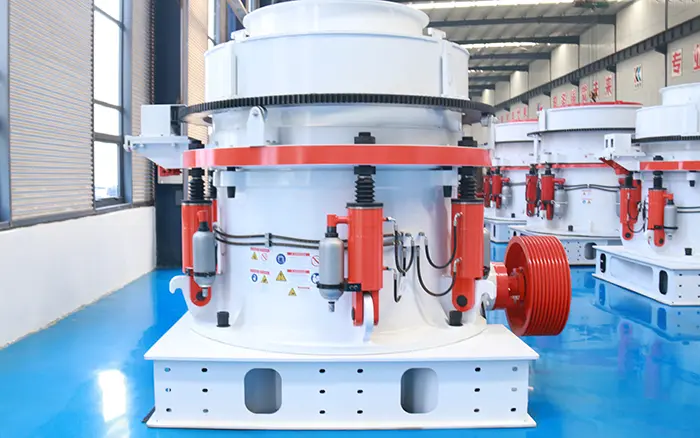
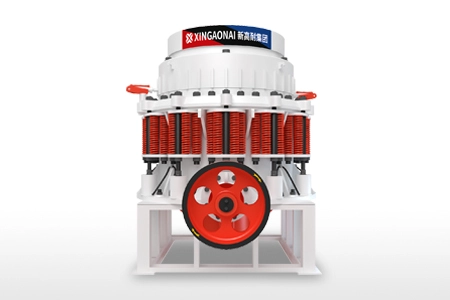
1. Spring Cone Crusher
Key Design & Working Principle
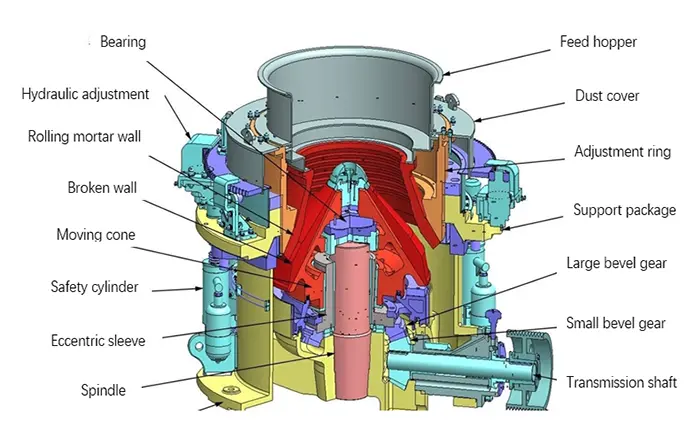
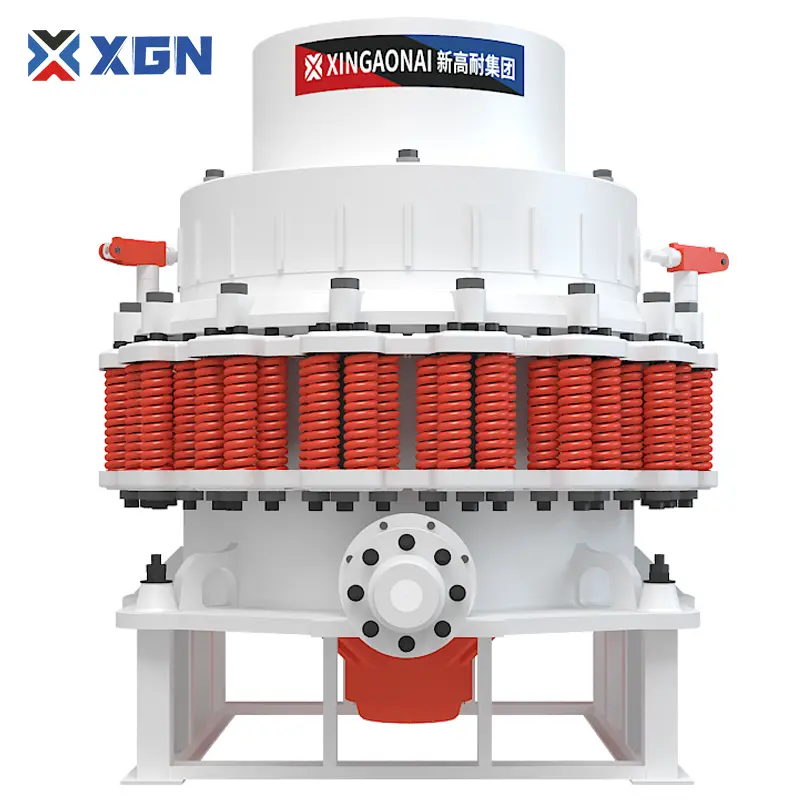
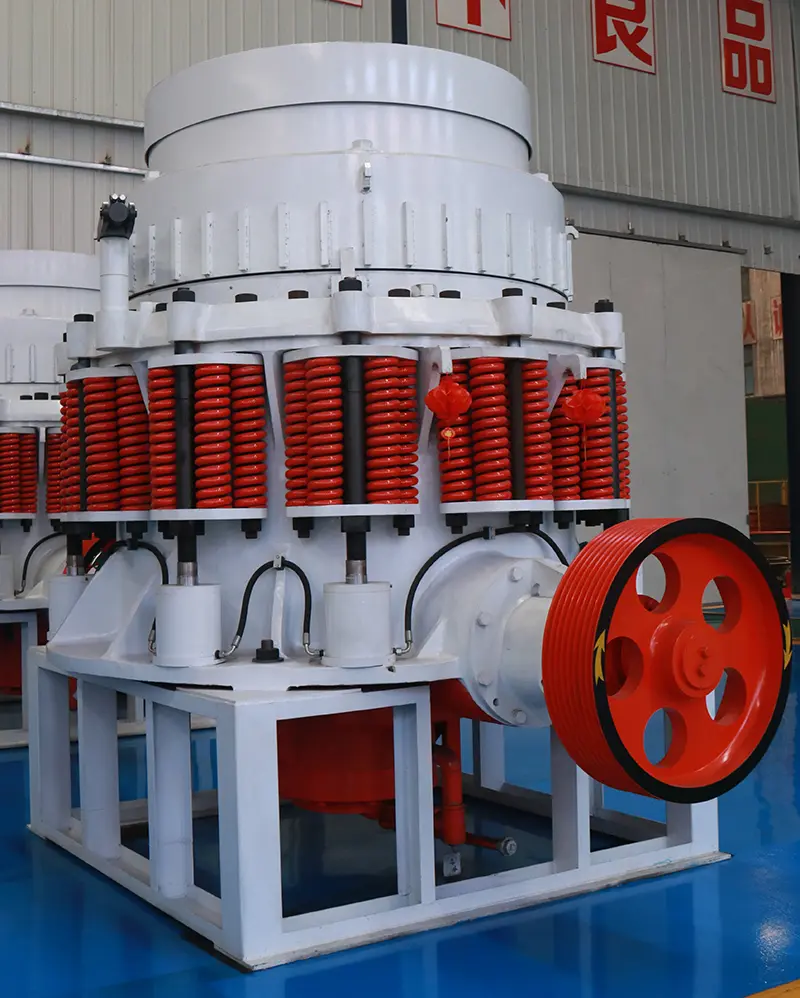
Features a cone-shaped mantle (rotating component), stationary concave (liner), and a set of heavy-duty springs surrounding the crushing chamber.
The mantle rotates eccentrically around the central axis, compressing materials between mantle and concave to achieve crushing.
The spring system acts as a safety mechanism: when uncrushable objects (e.g., steel, large boulders) enter the chamber, springs compress to release the object, then reset automatically to maintain crushing pressure.
Core Features & Advantages
Robust and durable: Simple mechanical structure with fewer moving parts, reducing maintenance frequency and downtime.
Cost-effective: Lower upfront investment and operational costs, ideal for small-to-medium enterprises (SMEs) and budget-constrained projects.
Reliable overload protection: Spring system prevents equipment damage from foreign objects, extending service life.
Easy operation: Manual or semi-automatic crushing gap adjustment, suitable for operators with basic technical skills.
Ideal Applications
Primary or secondary crushing of medium-to-high hardness materials (Mohs hardness 6–8), such as limestone, granite, and iron ore.
Small-to-large quarries, cement plants, and aggregate production lines with capacity requirements of 50–500 TPH.
Construction projects requiring standard-grade aggregates (10–40mm) for roads, bridges, and building foundations.
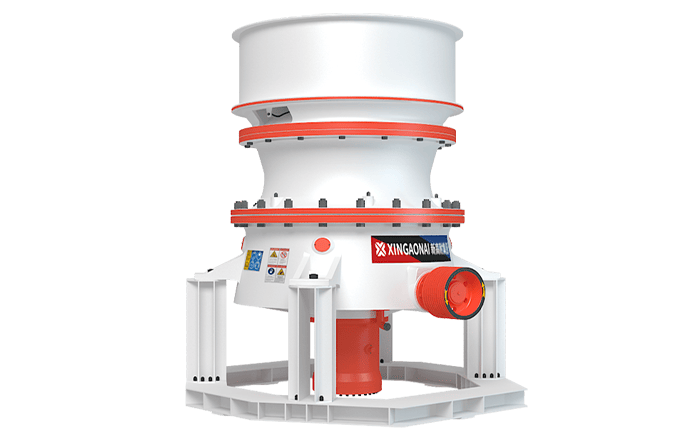
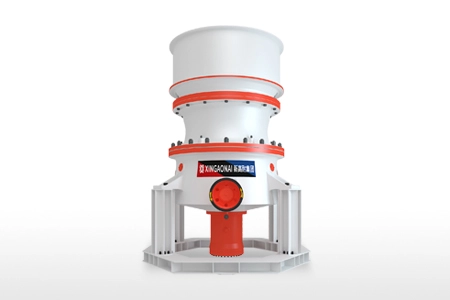
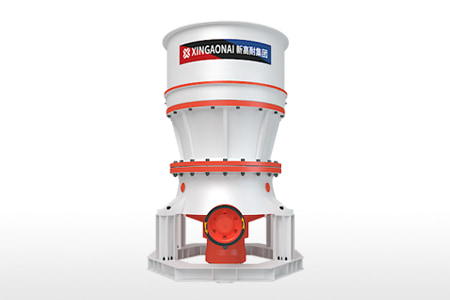
2. Hydraulic Cone Crusher
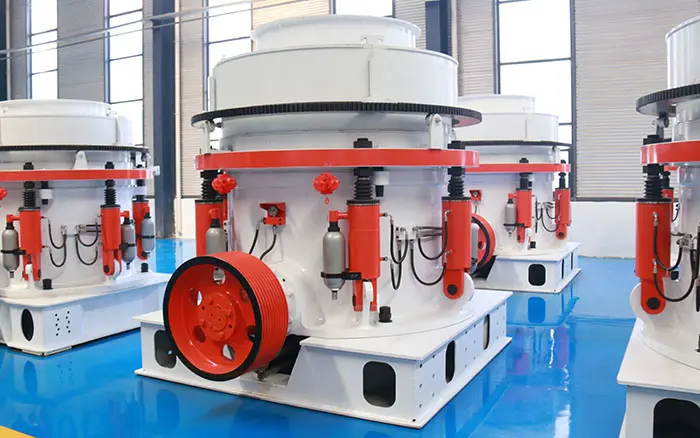
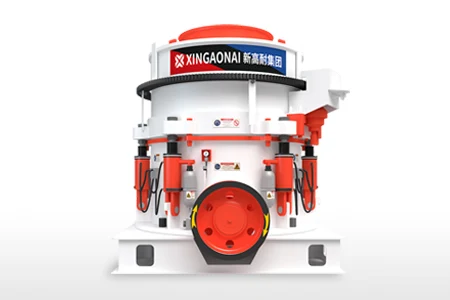
The hydraulic cone crusher is a modern, high-performance cone crusher type that integrates hydraulic technology for precision, safety, and automation—ideal for large-scale operations.
Key Design & Working Principle
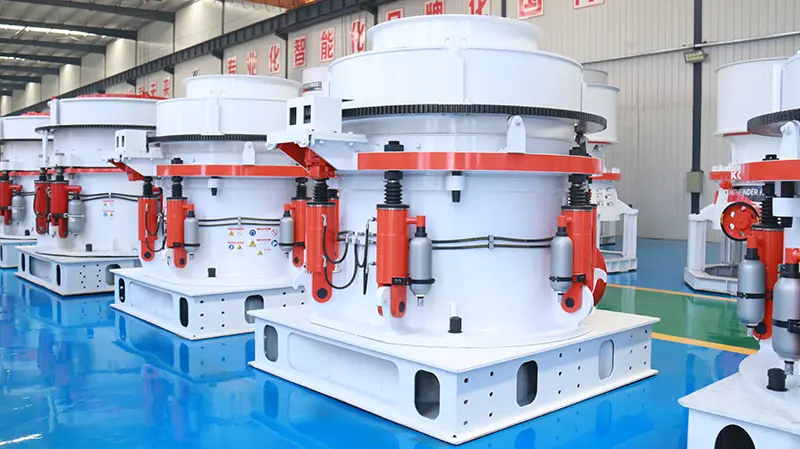
Equipped with a hydraulic system that replaces or complements mechanical components, controlling mantle movement, crushing gap adjustment, and overload protection.
A hydraulic cylinder at the bottom of the crusher adjusts the mantle position to fine-tune output size; when overload occurs, the hydraulic system retracts the mantle to release debris, then resets instantly.
Available in standard (medium crushing) and short-head (fine crushing) configurations, adapting to multi-stage crushing needs.
Core Features & Advantages
Advanced automation: PLC control system with real-time monitoring of crushing parameters (gap, speed, load), optimizing efficiency and product quality.
Energy-efficient: Optimized crushing chamber design and IE3/IE4 motors reduce energy consumption by 15–25% compared to traditional models.
Easy maintenance: Hydraulic lifting system simplifies mantle and concave replacement, cutting maintenance time by 30%.
High capacity: Handles 100–1500 TPH, suitable for continuous large-scale production.
Ideal Applications
Large mining operations, quarries, and cement plants processing high-hardness, abrasive materials (basalt, iron ore, quartz).
High-grade aggregate production for highways, high-rise buildings, and precast concrete.
Industrial lines requiring strict particle size control (0–20mm) and cubical finished products.
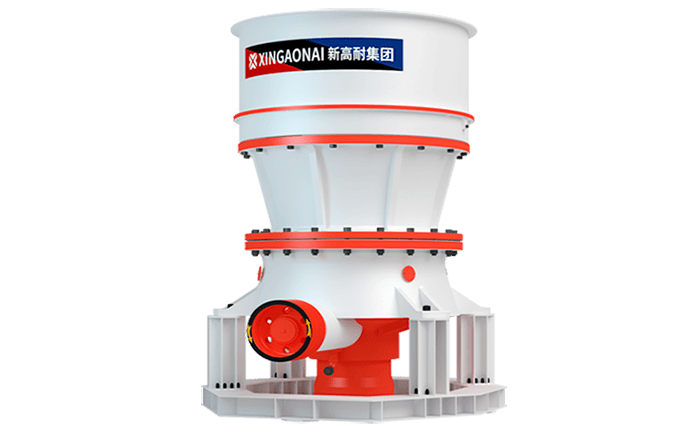
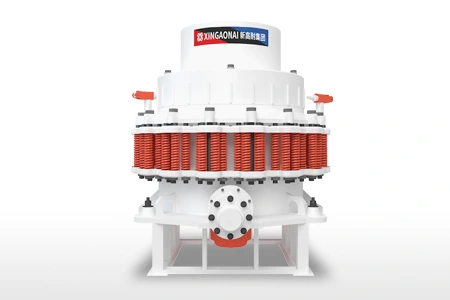
3. Composite Cone Crusher
Key Design & Working Principle
Integrates a spring safety system and hydraulic adjustment mechanism, balancing reliability and precision.
Features interchangeable crushing chamber liners (medium or fine cavity), allowing quick switching between medium and fine crushing tasks.
Variable eccentricity (3–8mm) enables operators to adjust crushing intensity based on material type and output requirements.
Core Features & Advantages
Versatility: Single machine handles multi-stage crushing, eliminating the need for multiple equipment and reducing investment costs.
Flexible adjustment: Hydraulic gap adjustment for precise output control; spring system for reliable overload protection.
Space-saving: Compact design with high capacity-to-footprint ratio, suitable for limited-site operations.
Consistent product quality: Produces cubical aggregates with flakiness rate ≤10%, meeting diverse industrial standards.
Ideal Applications
Medium-to-large quarries and mines with diverse material types (e.g., limestone, granite, coal).
Construction and infrastructure projects requiring both medium aggregates (20–40mm) and fine sand (0–5mm).
Mobile crushing plants and semi-fixed production lines where versatility and space efficiency are critical.
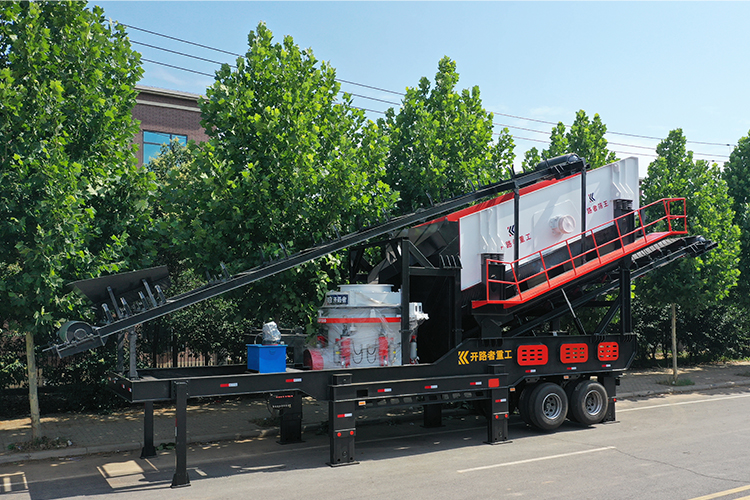
4. Mobile Cone Crusher
Key Design & Working Principle
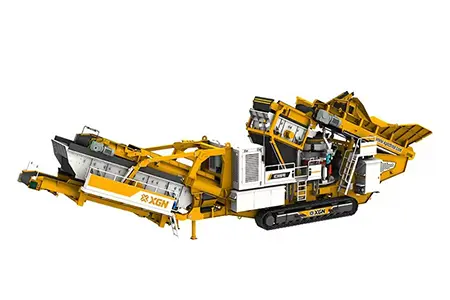
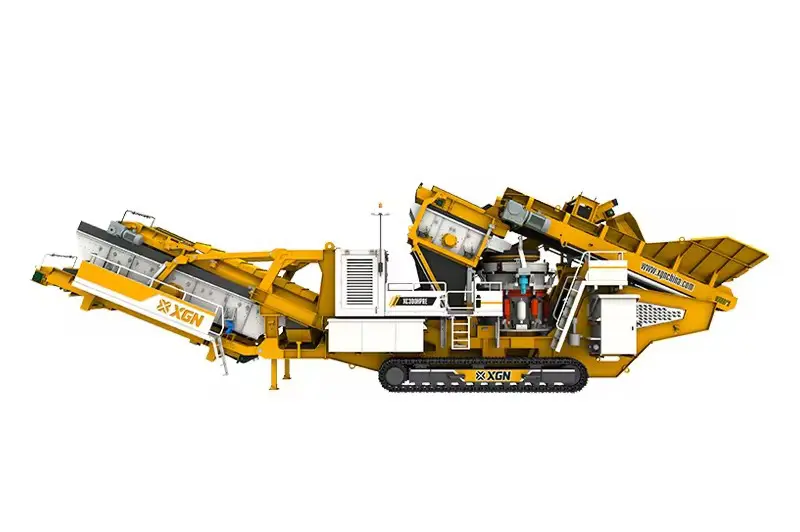
Integrates a cone crusher (spring, hydraulic, or composite core), vibrating feeder, screening equipment, and belt conveyor on a single mobile platform.
Can be transported to job sites via truck, set up in hours, and moved as project needs change.
Maintains the same crushing performance as stationary models, with additional mobility and adaptability.
Core Features & Advantages
On-site crushing: Eliminates material transportation costs, reducing overall project expenses by 20–30%.
Mobility: Tracked chassis adapts to rough terrain (e.g., remote mines, construction sites); wheeled models for paved roads.
Quick deployment: Minimal site preparation required, ideal for temporary or emergency projects (e.g., disaster recovery, road construction).
Self-contained: Integrated feeder and screen enable independent operation without external equipment.
Ideal Applications
Construction waste recycling (crushing concrete, brick into recycled aggregates).
Remote mining sites and temporary quarrying operations.
Infrastructure projects (highways, railways) requiring on-demand aggregate production.
Quarries with multiple job sites or changing crushing locations.
How to Choose the Right Cone Crusher Type?
Material Properties: Spring or hydraulic types for high-hardness/abrasive materials; composite types for mixed-material operations.
Production Capacity: Hydraulic types for large-scale production (100+ TPH); spring types for small-to-medium capacity (50–100 TPH).
Mobility Needs: Portable types for on-site or temporary projects; stationary spring/hydraulic/composite types for fixed production lines.
Budget & Maintenance: Spring types for cost-sensitive projects; hydraulic types for high-efficiency, low-maintenance requirements.