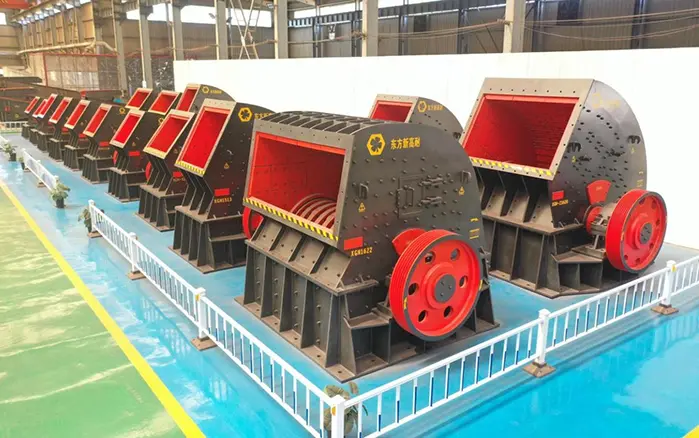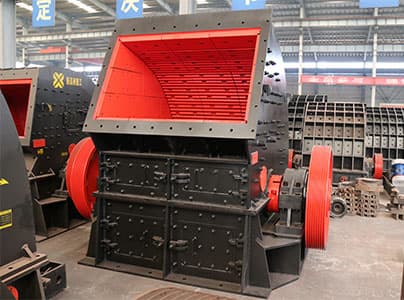
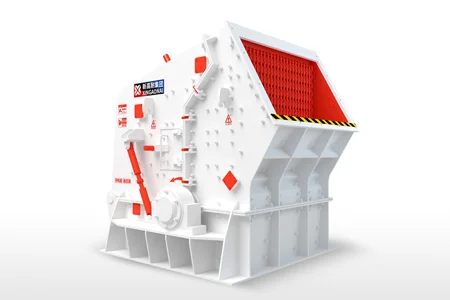
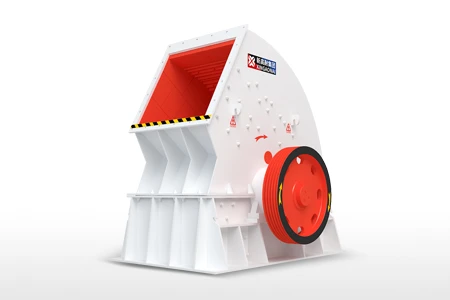
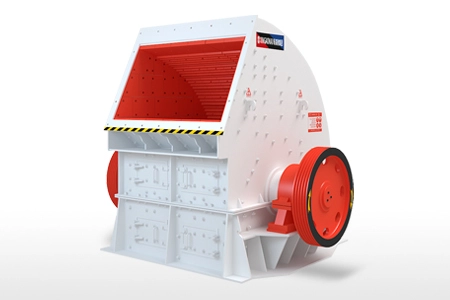
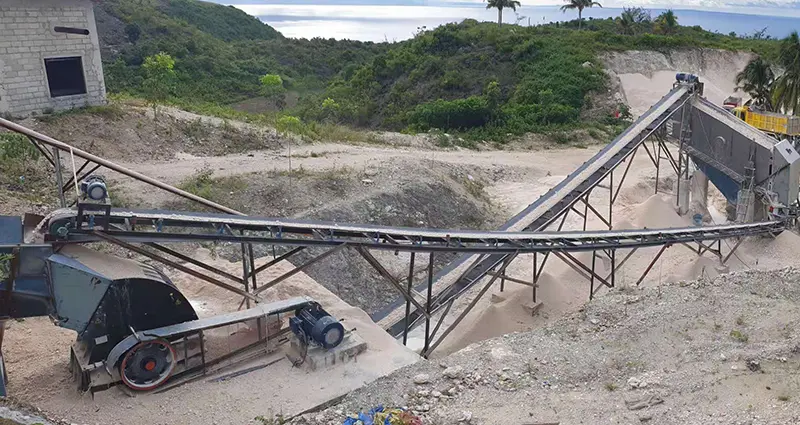
A heavy hammer crusher is mainly designed for crushing medium-soft to medium-hard, brittle materials that fracture easily under impact. Typical applications include limestone, coal, coal gangue, shale, gypsum, brick and selected construction waste.
However, material suitability cannot be determined by compressive strength alone. Abrasiveness, silica content, moisture, feed size, metal contamination and the required final product must also be considered.
As a general guide, a hammer crusher is most effective when the feed material:
Is brittle and breaks readily under impact
Has low to moderate compressive strength
Does not contain excessive quartz or other abrasive minerals
Contains little or no tramp metal
Fits within the crusher’s specified feed opening
Is not excessively sticky
Can achieve the required product size without excessive fines
The XINGAONAI heavy hammer crusher is intended for large-scale primary crushing of suitable brittle materials. For smaller feed or fine-crushing applications, the light hammer crusher may be considered.
Quick Material Suitability Guide
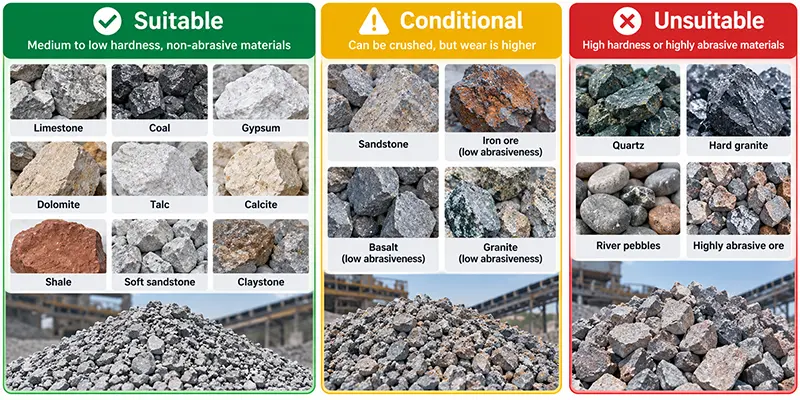
| Material | General suitability | Important conditions |
|---|---|---|
| Limestone | Highly suitable | Check silica, clay and moisture content |
| Coal | Highly suitable | Control dust and feed moisture |
| Coal gangue | Suitable | Confirm hardness and abrasive mineral content |
| Gypsum | Highly suitable | Avoid excessive moisture and buildup |
| Shale | Suitable | Check moisture, clay content and bedding structure |
| Brick and tile waste | Suitable | Remove steel, wood and other contaminants |
| Dolomite | Conditional | Confirm hardness and abrasiveness |
| Marble | Conditional | Suitable when relatively brittle and not highly abrasive |
| Sandstone | Conditional | Quartz-rich sandstone can cause rapid wear |
| Concrete waste | Conditional | Remove reinforcing steel before crushing |
| Cement clinker | Conditional | Abrasive material may increase hammer wear |
| Blast-furnace slag | Conditional | Check hardness, metal inclusions and cooling method |
| Low-hardness ores | Conditional | Mineral composition must be tested |
| Wet, sticky clay | Usually unsuitable | May adhere to the chamber and obstruct material flow |
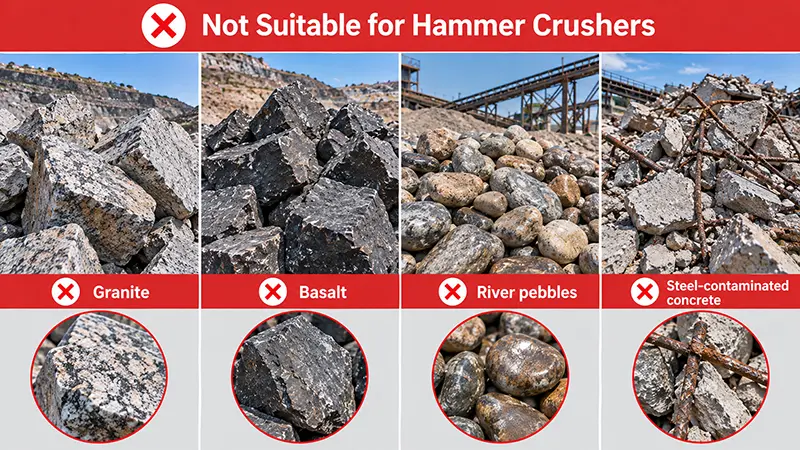
| Granite | Generally unsuitable | Hard and abrasive |
| Basalt | Generally unsuitable | Hard, tough and abrasive |
| Quartzite | Generally unsuitable | Very high quartz content and rapid wear |
| River pebbles | Generally unsuitable | Hard, rounded and abrasive |
| Reinforced concrete | Unsuitable without pretreatment | Steel reinforcement must be removed |
| Scrap metal | Unsuitable | Can severely damage the rotor and hammers |
This table is a preliminary guide. A material test and operating-condition review are still required before final equipment selection.
Why Material Properties Matter
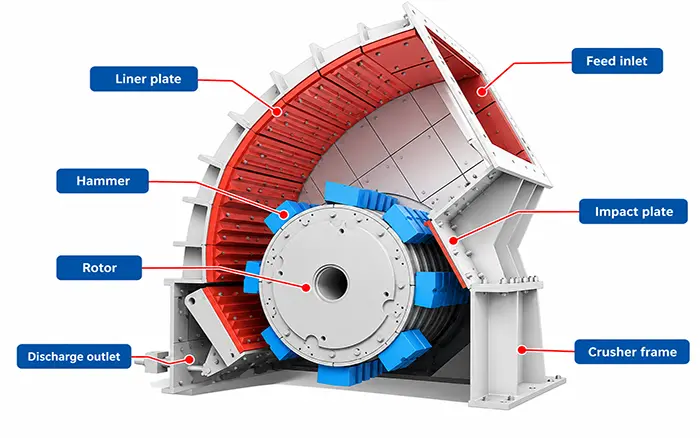
A hammer crusher reduces material through impact. The motor drives the rotor, and the rotating hammers strike the incoming feed. Brittle material fractures quickly, while tougher or more abrasive material resists impact and increases wear.
For a detailed explanation of the machine structure and crushing process, see what a hammer crusher is and how it works.
The following material properties determine whether hammer crushing is economical.
Compressive Strength
Current XINGAONAI hammer crusher models are mainly positioned for brittle materials with compressive strength around 150 MPa or below.
This figure should be treated as a model-selection reference rather than a universal limit. Two materials with similar compressive strength may perform very differently because their toughness, mineral composition and fracture characteristics are not the same.
Brittleness
Brittle materials break rapidly when struck. This makes limestone, gypsum, coal and many types of shale well suited to impact crushing.
Tough materials absorb impact without fracturing easily. They remain in the crushing chamber longer, increase recirculation and may raise power consumption.
Abrasiveness and Silica Content
Abrasiveness often has a greater effect on operating cost than compressive strength.
Quartz-rich feed can wear hammer heads, liners and rotor protection components rapidly. Sandstone, some ores and industrial slags may appear relatively easy to break but still produce high wear because of their mineral composition.
When abrasive content is uncertain, examine the material analysis and conduct a crushing test. The selection of hammer crusher wear parts should be based on both impact load and abrasive conditions.
Moisture and Stickiness
Moisture does not automatically make a material unsuitable. The actual risk depends on whether the feed becomes sticky and whether the crusher uses grate bars.
Traditional grate-equipped hammer crushers may clog when processing wet, sticky material. Grate-free designs provide a more open discharge path and can handle some high-moisture materials more effectively.
However, sticky clay can still coat the crushing chamber, hammers and discharge area. A material test is recommended whenever clay or moisture content changes significantly.
Feed Size
The maximum lump size must remain within the selected model’s feed specification.
Oversized material may:
Overload the crusher
Damage hammer heads
Increase vibration
Reduce capacity
Cause uneven feeding
Shorten the life of pins and rotor components
Feed size distribution is also important. A mixture of very large lumps and excessive fines may not produce the same performance as uniformly sized feed.
Metal Contamination
Steel bars, excavator teeth, bolts and other metal objects can cause sudden impact damage.
Construction waste and industrial by-products should pass through appropriate sorting, screening and metal-removal equipment before entering the crusher. Related internal components are explained in the hammer crusher parts and components guide.
Materials Well Suited to a Heavy Hammer Crusher
1. Limestone
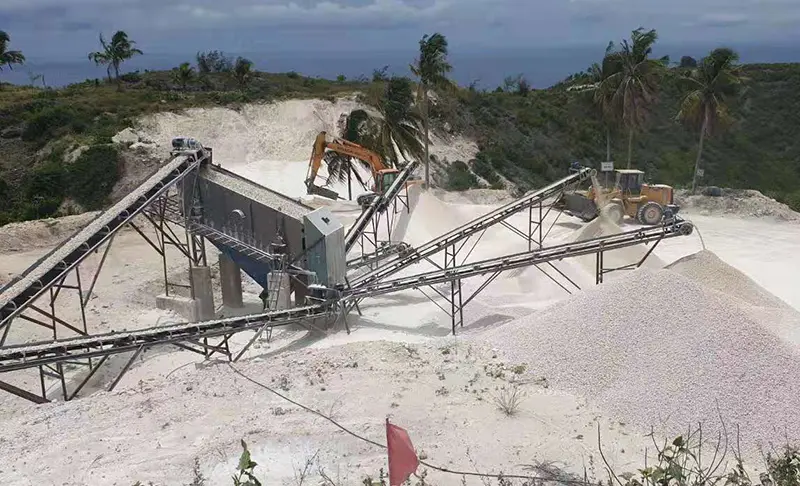
Limestone is one of the most common heavy hammer crusher applications. It is generally brittle, fractures readily under impact and can often be reduced from large feed to the required aggregate size in fewer crushing stages.
Crushed limestone is used for:
Cement raw material
Concrete aggregate
Road base
Agricultural lime
Chemical processing
Desulfurization material
Limestone quality can vary considerably. High silica content increases hammer and liner wear, while clay-rich or wet limestone may create buildup. A material analysis should therefore be completed before estimating capacity and wear-part life.
2. Coal
Coal normally breaks easily under impact and is a common hammer crusher feed material. Hammer crushers may be used for size reduction in coal preparation, power generation and industrial fuel-processing systems.
Important considerations include:
Coal rank and hardness
Moisture content
Required product size
Dust-control requirements
Fire and explosion protection
Foreign metal contamination
The crushing system must include suitable dust collection and safety measures for the specific coal application.
3. Coal Gangue
Coal gangue can be processed when its hardness, mineral composition and feed size fall within the crusher’s operating range.
Potential uses for crushed gangue include:
Brick production
Cement raw material
Road construction
Backfilling
Selected aggregate applications
Coal gangue composition varies by mine. Gangue containing a high percentage of hard quartz minerals may cause significantly faster wear than ordinary coal.
4. Gypsum
Gypsum is soft and brittle, making it suitable for hammer crushing in many applications. It may be processed for:
Cement production
Plaster products
Agricultural materials
Industrial gypsum powder
Waste gypsum recycling
Wet or sticky gypsum can accumulate inside the crusher. Feed moisture and discharge design should therefore be considered during model selection.
5. Shale
Shale generally fractures along its bedding planes and can be crushed effectively by impact. It is used in brick production, cement raw-material preparation, lightweight aggregate and other industrial applications.
Suitability depends on:
Clay content
Moisture
Degree of weathering
Quartz content
Required product size
Dry, brittle shale is normally easier to process than wet, plastic shale.
6. Brick, Tile and Masonry Waste
Waste bricks, roof tiles and similar masonry materials are usually brittle and can be reduced efficiently after sorting.
The feed should be cleaned of:
Steel
Wood
Plastic
Glass
Insulation
Cables
Oversized concrete pieces
The final product should be tested before use as recycled aggregate because strength, water absorption and contamination vary between demolition sources.
Materials That Require Testing
The following materials are not automatically unsuitable, but they require a more detailed evaluation.
Dolomite and Marble
Dolomite and marble can be processed when they are sufficiently brittle and fall within the crusher’s strength range.
However, their properties vary by deposit. Material testing should confirm:
Compressive strength
Silica content
Feed size
Required reduction ratio
Expected wear rate
Sandstone
Sandstone suitability depends heavily on quartz content and cementation.
Soft, weakly cemented sandstone may break readily. Dense quartz-rich sandstone can be highly abrasive and may make hammer crushing uneconomical because of rapid wear.
Do not select a crusher based only on the name “sandstone.” A mineral analysis and crushing test are important.
Cement Clinker
Hammer crushers are used in some cement operations, but clinker can be abrasive. Hammer material, rotor configuration, feed temperature and maintenance requirements must be evaluated.
The lowest equipment purchase price may not provide the lowest operating cost if hammer consumption is high.
Industrial Slag
Blast-furnace slag and other industrial by-products vary considerably according to their source and cooling process.
Before crushing slag, check for:
Embedded or residual metal
Abrasive mineral phases
Large solid metal pieces
Material hardness
Required product specifications
Environmental or chemical restrictions
Steel slag should not be treated as an ordinary soft feed material. It can be hard, abrasive and contaminated with metal, requiring specialized pretreatment and crushing equipment.
Low- or Medium-Hardness Ores
Some brittle, low-hardness ores can be pre-crushed by a hammer crusher. However, ore name alone does not determine suitability.
Iron, copper, lead-zinc and other deposits may contain hard quartz, sulfides or other abrasive minerals. Even when the target mineral is relatively soft, the gangue material may cause severe hammer wear.
Ore crushing should be evaluated using:
Mineralogical composition
Bond or abrasion data
Moisture
Maximum feed size
Required liberation size
Downstream grinding or beneficiation requirements
Wear cost per tonne
[
Can a Heavy Hammer Crusher Process Construction Waste?
A heavy hammer crusher can process selected construction waste, but the material must be sorted and pretreated.
Suitable fractions may include:
Waste bricks
Roof tiles
Masonry blocks
Unreinforced concrete
Brittle mortar and cement products
Potential problems include:
Reinforcing steel
Structural steel
Bolts and wire
Wood
Plastic
Glass
Insulation
Soil and clay
Highly abrasive natural aggregate inside concrete
Reinforcing steel must be removed before crushing. Magnetic separation after primary processing does not eliminate the risk of steel entering and damaging the crushing chamber.
The operator should also determine whether the recycled product will be used for road base, backfill or concrete aggregate because each application has different quality requirements.
Materials Usually Not Recommended
Granite
Granite contains hard minerals such as quartz and feldspar. It is strong, tough and abrasive, which can cause rapid hammer and liner wear.
For continuous granite aggregate production, jaw and cone crushing systems are generally more appropriate.
Basalt
Basalt is dense, strong and abrasive. Even if a hammer crusher can physically break some basalt, wear cost and operating stability may make it an unsuitable long-term choice.
Quartzite and Quartz-Rich Rock
Quartzite has high hardness and abrasive resistance. It can quickly wear hammer heads and internal protection components.
The same concern applies to other rocks containing a high proportion of quartz.
River Pebbles
River pebbles are hard, rounded and difficult to fracture by impact. They may also contain significant quartz.
A compression-crushing circuit is normally more suitable.
Wet, Sticky Clay
Sticky clay may adhere to the hopper, chamber and discharge components rather than fracture cleanly. It can reduce capacity and cause material buildup.
Grate-free designs may handle some moist feed better than traditional machines, but extremely sticky material still requires testing or pretreatment.
Metal and Unsorted Reinforced Concrete
A hammer crusher is not designed to process large steel pieces. Reinforcing bars, scrap iron and other metal objects may damage:
Hammer heads
Hammer pins
Rotor discs
Liners
Main shaft
Bearings
Appropriate sorting and metal-removal equipment should be installed before the crusher.
How to Determine Whether Your Material Is Suitable
Before selecting a heavy hammer crusher, collect the following information.
Step 1: Identify the Material
Provide the specific rock, ore, industrial by-product or waste type. Avoid broad descriptions such as “stone” or “mineral.”
Step 2: Test Its Physical Properties
Relevant data include:
Compressive strength
Bulk density
Moisture
Clay content
Silica or quartz content
Abrasion characteristics
Brittleness
Maximum lump size
Step 3: Define the Production Requirement
Specify:
Required capacity
Maximum feed size
Target product size
Acceptable fines content
Operating hours per day
Final product use
Step 4: Check for Contaminants
Determine whether the material contains:
Reinforcing steel
Scrap metal
Wood
Plastic
Soil
Sticky clay
Uncrushable objects
Step 5: Conduct a Crushing Test
When the material is variable or difficult to classify, send a representative sample for testing. A test can provide evidence about:
Crushing behavior
Product-size distribution
Fines generation
Material buildup
Hammer wear
Estimated capacity
Step 6: Compare Total Cost
Equipment selection should consider the total cost per tonne, including energy, wear parts, maintenance and downtime.
The hammer crusher price and operating cost guide explains why purchase price alone is not enough for comparing crusher options.
Heavy vs. Light Hammer Crusher for Different Materials
| Selection factor | Heavy hammer crusher | Light hammer crusher |
|---|---|---|
| Main duty | Large-scale primary crushing | Smaller-scale or finer crushing |
| Feed size | Larger feed capability | Smaller feed relative to heavy models |
| Capacity | Higher-capacity applications | Lower to medium-capacity applications |
| Suitable material | Medium-soft, brittle bulk material | Brittle material requiring finer reduction |
| Moist feed | Depends on material and design | Grate-free design can reduce clogging risk |
| Typical applications | Limestone aggregate and large production lines | Limestone, shale, gangue and similar materials |
Final model selection should be based on the manufacturer’s technical parameters and a representative material sample.
How Feed Material Affects Maintenance
Material changes should be recorded even if production capacity initially remains stable. A new quarry bench or supplier can introduce more silica, clay or oversized feed.
Warning signs include:
Faster hammer wear
Uneven liner wear
Increased vibration
Higher motor current
Reduced capacity
More oversized product
More fines
Material buildup
Higher bearing temperature
If these changes appear after the feed source changes, inspect the material before modifying the crusher.
Follow the heavy hammer crusher maintenance guide when adjusting inspection intervals for a new material.
Conclusion
A heavy hammer crusher is best suited to medium-soft or medium-hard brittle materials that fracture readily under impact. Limestone, coal, coal gangue, gypsum, shale and sorted brick waste are among the most common applications.
Dolomite, sandstone, clinker, industrial slag, concrete and low-hardness ores require additional evaluation because their abrasiveness, mineral composition and contaminants can vary significantly.
Hard and abrasive materials such as granite, basalt, quartzite and river pebbles are generally better processed with compression crushers. Unsorted reinforced concrete and metal-contaminated feed should not enter a hammer crusher.
Before choosing a model, analyze the material’s compressive strength, brittleness, silica content, moisture, feed size and contamination. A representative crushing test is the safest way to confirm capacity, product size and expected wear cost.