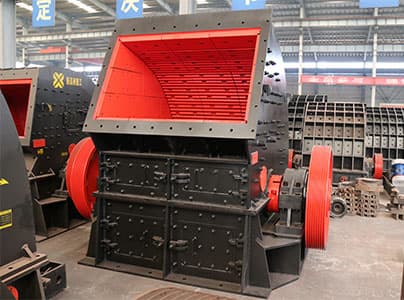
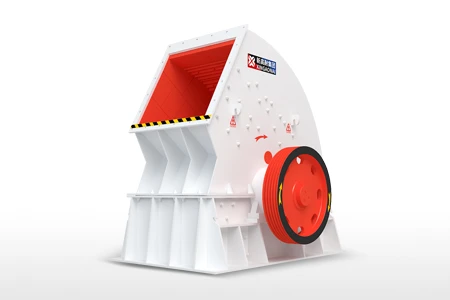
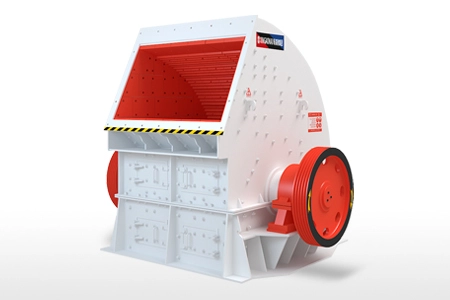
Choosing a reliable hammer crusher supplier involves more than comparing machine prices.
The supplier must understand your feed material, maximum feed size, required capacity, final product specification and operating conditions. It should also provide clear technical data, suitable wear parts, manufacturing inspection records and practical support throughout installation and operation.
A low initial quotation can become expensive if the crusher is incorrectly selected, wears rapidly, produces too many fines or cannot achieve the promised capacity.
This guide explains how to evaluate a hammer crusher manufacturer, compare equipment options and prepare the information required for an accurate quotation.
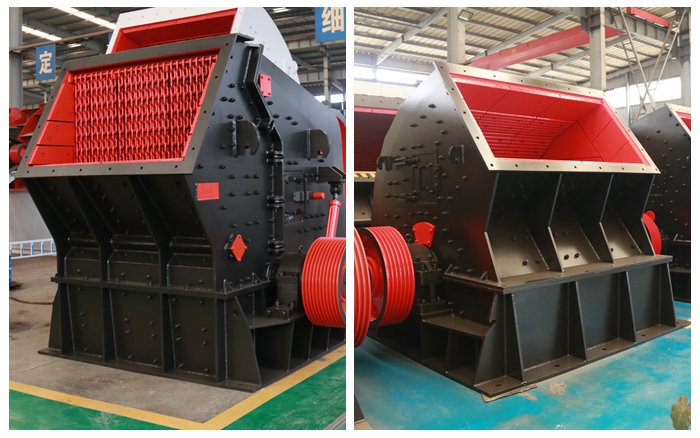
What Should a Hammer Crusher Supplier Provide?
A professional supplier should provide more than a machine specification sheet.
Before recommending equipment, the supplier should evaluate:
Feed material
Compressive strength
Abrasiveness
Moisture and clay content
Maximum feed size
Required capacity
Finished product size
Acceptable percentage of fines
Daily operating hours
Installation environment
Upstream feeding equipment
Downstream screening equipment
The supplier should then explain why a particular model and configuration are suitable.
If you are still evaluating whether this crusher type is appropriate, start with what a hammer crusher is and how it works.
Seven Criteria for Evaluating a Hammer Crusher Supplier
1. Material and Application Knowledge
The first requirement is the ability to match the crusher to the material.
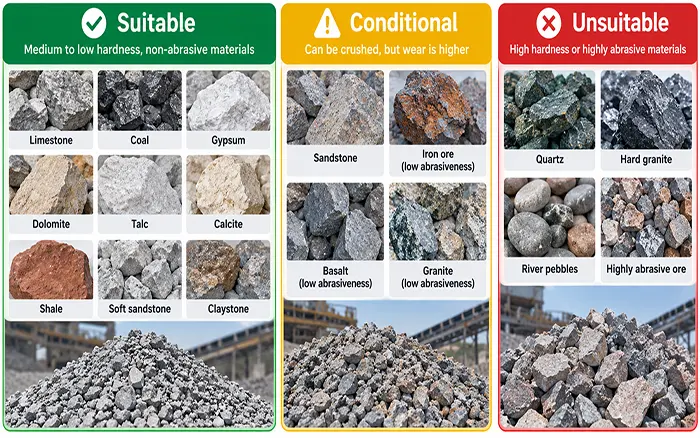
Hammer crushers generally perform best with medium-hard to brittle materials such as:
Limestone
Coal
Coal gangue
Gypsum
Shale
Chalk
Dolomite
Brick
Certain types of construction waste
Highly abrasive granite, basalt, quartz-rich rock and hard metallic ores may produce rapid hammer and liner wear. Wet or sticky material can also create feeding and discharge problems, depending on the crusher design.
A reliable supplier should request material information before preparing a quotation. It should not recommend the same machine for every application.
Review what materials a heavy hammer crusher can crush for more detailed material-selection guidance.
2. Suitable Product Range
A supplier with only one crusher configuration may attempt to make that machine fit every project.
A stronger supplier should be able to compare different rotor sizes, hammer configurations, feed openings, capacities and discharge designs.
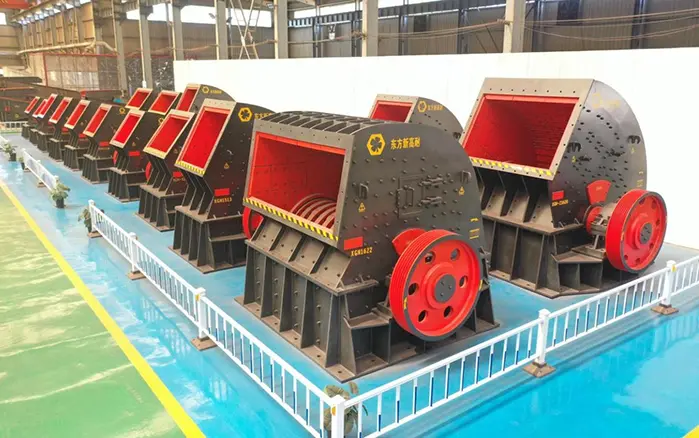
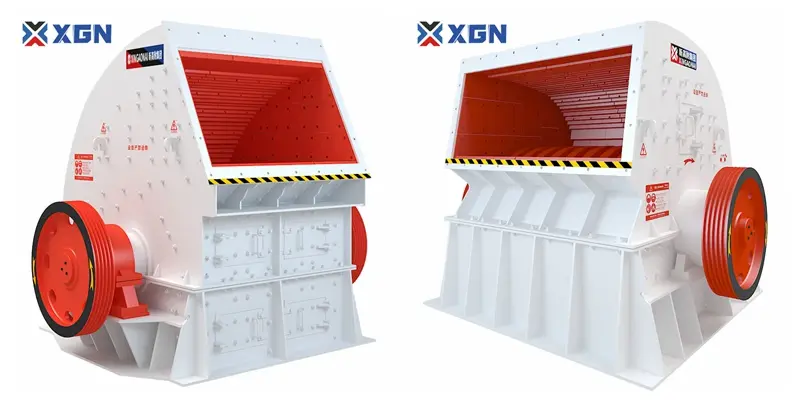
XINGAONAI currently offers two primary hammer crusher ranges.
| Product | Feed size | Capacity | Recommended application |
|---|---|---|---|
| XGN-Z Heavy Hammer Crusher | Up to 1,800 mm | 150–6,000 t/h | Large-feed and high-capacity limestone, coal gangue and aggregate applications |
| XGN-Q Light Hammer Crusher | Up to 1,000 mm | 50–1,600 t/h | Medium-capacity crushing of limestone, shale, gangue and other brittle materials |
The XGN-Z Series heavy hammer crusher is designed for projects requiring a large feed opening and high production capacity.
The XGN-Q Series light hammer crusher provides a more compact option for lower-capacity projects and smaller maximum feed sizes.
Actual capacity depends on the material, feed gradation, moisture, discharge requirements and operating conditions. Published capacity should therefore be treated as a model-selection range rather than a guaranteed result for every material.
3. Manufacturing and Quality-Control Evidence
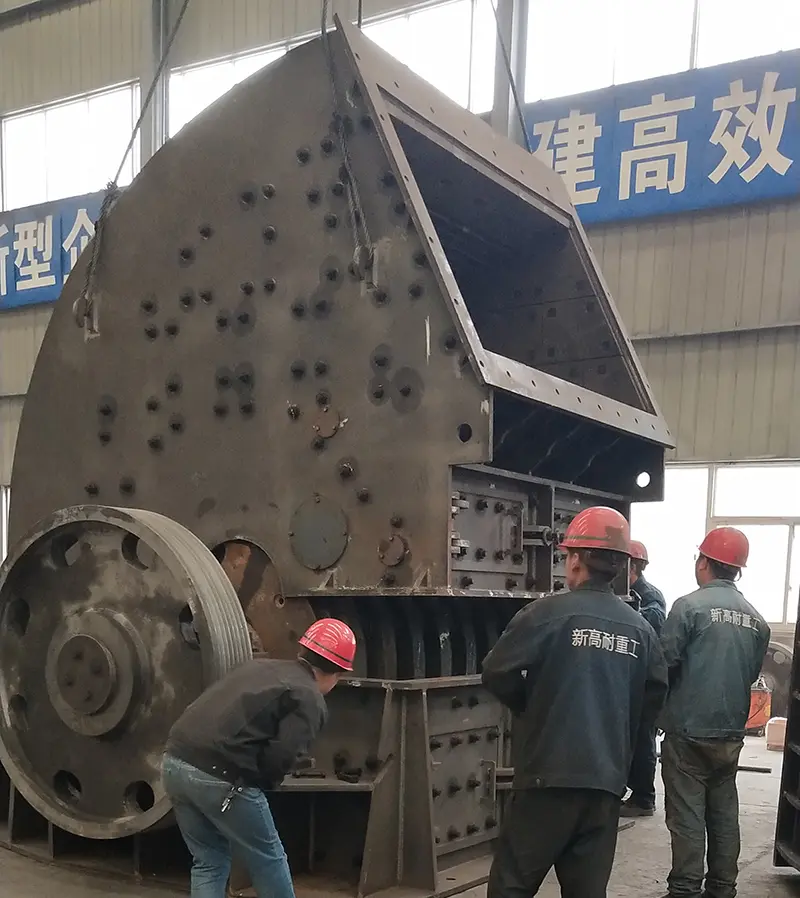
A manufacturer should be able to show how critical components are produced and inspected.
Important components include:
Main shaft
Rotor discs
Hammer pins
Hammer heads
Bearings
Liners
Crusher housing
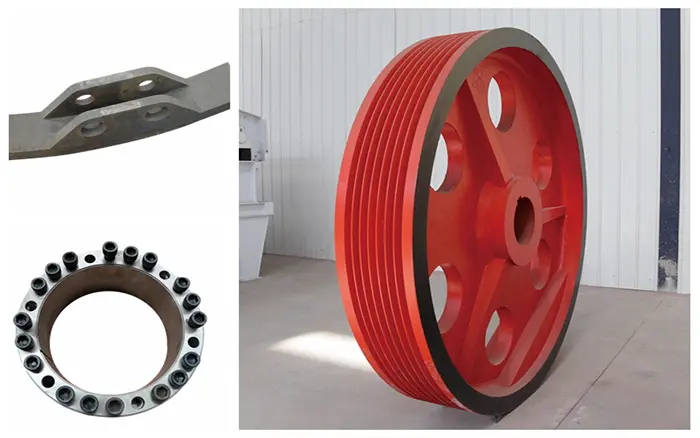
Drive system
Discharge components
Ask the supplier to explain its inspection process for the rotor, shaft, hammers and assembled machine.
Useful manufacturing evidence may include:
Raw-material certificates
Dimensional inspection records
Shaft machining records
Hammer material reports
Heat-treatment records
Welding inspection records
Rotor balance reports
Assembly inspection sheets
No-load test videos
Final inspection reports
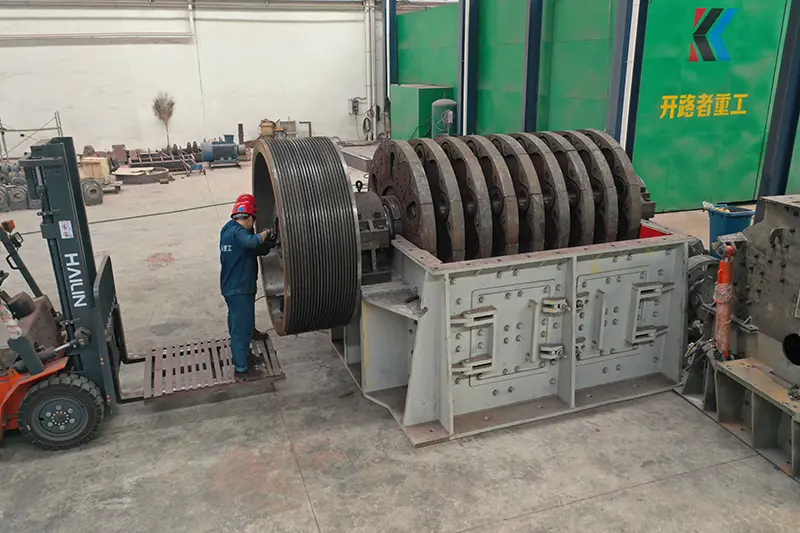
Factory photographs should show the actual manufacturing process rather than only finished equipment.
Avoid relying solely on statements such as “high quality” or “advanced technology.” Ask for evidence that can be connected to the quoted machine.
4. Rotor and Hammer Quality
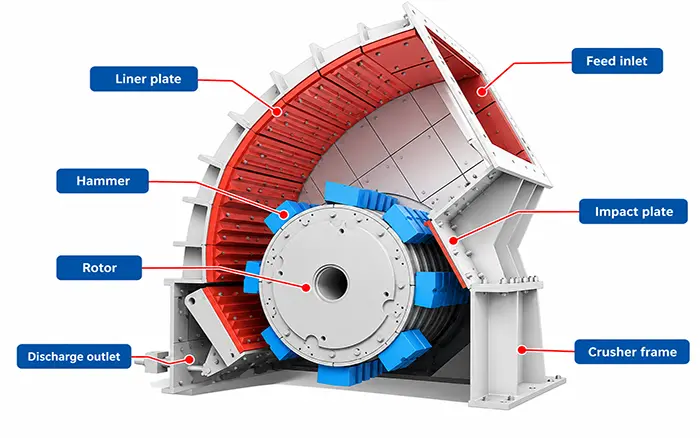
The rotor and hammer heads are directly responsible for crushing performance.
The supplier should be able to explain:
Hammer material
Hammer manufacturing process
Heat-treatment method
Hammer weight tolerance
Rotor balancing procedure
Main-shaft material
Hammer-pin material
Replacement method
Recommended spare-parts quantity
Hammer material should be selected according to both impact load and abrasiveness.
A very hard hammer is not automatically the best option. Excessive hardness without sufficient toughness may increase the risk of cracking, while a softer material may wear too quickly.
Different sections of a hammer may require different properties. The working surface requires wear resistance, while the mounting area must withstand repeated impact.
See the hammer crusher wear parts guide for more information about wear patterns and hammer materials.
5. Technical Data That Matches the Quotation
A professional quotation should identify the exact crusher model and operating assumptions.
It should include:
Crusher model
Feed-opening dimensions
Maximum permitted feed size
Rotor dimensions
Expected capacity range
Motor power
Required discharge size
Machine dimensions
Machine weight
Included accessories
Recommended spare parts
Delivery scope
Estimated production period
Installation requirements
Be cautious when a supplier promises one exact capacity without asking about the material.
The same crusher can produce very different output when processing dry limestone, wet coal, construction waste or abrasive rock.
6. Spare-Parts Availability
Wear parts are an unavoidable operating expense.
Before purchasing a machine, confirm the availability of:
Hammer heads
Hammer pins
Liners
Breaker or impact plates
Rotor components
Bearings and seals
Drive belts
Coupling components
Discharge components
Fasteners
Ask for:
Recommended spare-parts list
Spare-part drawings or part numbers
Expected manufacturing time
Packaging method
Replacement instructions
Wear-limit recommendations
A low machine price offers little advantage if replacement hammers are expensive, difficult to obtain or incompatible with the original rotor.
The hammer crusher parts guide explains the function and maintenance requirements of the main components.
7. Installation and Technical Support
The required level of support depends on the project.
Confirm which services are included in the quotation:
Foundation guidance
Installation drawings
Electrical documentation
Equipment assembly instructions
Remote technical support
On-site installation guidance
Commissioning assistance
Operator training
Maintenance instructions
Spare-parts support
The quotation should distinguish between included services and optional services.
If on-site assistance is required, confirm the responsibilities for travel, accommodation, local labor, lifting equipment and site preparation before signing the contract.
Manufacturer or Trading Company: Which Should You Choose?
Both manufacturers and trading companies can supply crushing equipment, but buyers should understand the difference.
Working Directly with a Manufacturer
Potential advantages include:
Direct technical communication
Easier equipment customization
Better access to manufacturing records
More direct spare-parts support
Clearer responsibility for technical decisions
Working with a Trading Company
Potential advantages may include:
Access to equipment from multiple manufacturers
Consolidated purchasing
Local-language communication
Assistance with international trade procedures
The company type alone does not determine quality. The important question is whether the supplier can provide accurate technical information, traceable equipment details and reliable support.
Ask who will manufacture the crusher, who will provide the warranty and who will supply replacement parts.
Information to Send Before Requesting a Quotation
A complete project inquiry allows the supplier to recommend the correct model more quickly.
Provide the following information:
Material Information
Material name
Compressive strength, if known
Abrasiveness
Moisture content
Clay content
Bulk density
Photographs or material samples
Feed Information
Maximum feed size
Typical feed-size distribution
Method of feeding
Presence of tramp metal
Required feed rate
Production Requirements
Required capacity in tons per hour
Daily operating hours
Required finished product size
Permitted percentage of fines
Number of final products
Future expansion requirements
Site Information
Installation country
Site altitude
Ambient temperature
Available voltage and frequency
Indoor or outdoor installation
Space limitations
Existing equipment
Required environmental controls
Questions to Ask a Hammer Crusher Supplier
Before placing an order, ask these questions:
Why is this model suitable for my material?
What capacity can it achieve under my feed conditions?
What is the maximum permitted feed size?
How is the finished product size controlled?
Does the crusher use grate bars or a grate-free discharge design?
What hammer material is recommended?
What is the expected hammer wear pattern?
How are replacement hammers balanced?
Which spare parts should be purchased with the machine?
What inspection records will be supplied?
Can the supplier provide a no-load test video?
Which installation services are included?
What site preparation is required?
How long does spare-parts production normally take?
What information is covered by the warranty?
The supplier’s answers should be specific to the proposed model. Generic answers may indicate that the equipment has not been properly selected.
Initial Price vs Total Operating Cost
The cheapest machine is not always the lowest-cost machine.
Total operating cost may include:
Electricity
Hammer replacement
Liner replacement
Bearing replacement
Lubrication
Maintenance labor
Production downtime
Spare-parts shipping
Material recirculation
Fine-material losses
For example, an incorrectly selected crusher may meet the required capacity when new but lose output rapidly as the hammers wear.
A more suitable machine with better wear-part matching may have a higher initial price but a lower cost per ton over its service life.
Ask each supplier to explain which components are expected to wear and how the machine can be inspected and maintained. The hammer crusher maintenance guide provides a practical preventive-maintenance checklist.
Warning Signs of an Unreliable Supplier
Use caution when a supplier:
Provides a quotation without asking about the material
Guarantees capacity without stating operating assumptions
Recommends a hammer crusher for every type of rock
Cannot identify the hammer material
Cannot provide an exact model
Uses inconsistent technical specifications
Avoids discussing wear-part costs
Cannot provide machine drawings
Refuses to show manufacturing or inspection evidence
Uses project photographs that cannot be verified
Makes unsupported energy-saving claims
Promises unrealistic delivery times
Offers no clear spare-parts process
Provides vague warranty terms
A reliable supplier should be willing to explain both the advantages and limitations of the proposed crusher.
Why Consider XINGAONAI as a Hammer Crusher Supplier?
XINGAONAI provides heavy and light hammer crushers for mining, quarrying, cement raw-material processing, aggregate production and construction-material applications.
Current hammer crusher options include:
XGN-Z Series Heavy Hammer Crusher
The XGN-Z Series is intended for projects requiring large feed sizes and high production capacity.
Published model ranges include:
Feed size up to 1,800 mm
Capacity from 150 to 6,000 t/h
Multiple rotor sizes and motor configurations
Applications involving limestone, coal gangue and other suitable brittle materials
View the complete heavy hammer crusher specifications.
XGN-Q Series Light Hammer Crusher
The XGN-Q Series provides a smaller-capacity alternative with a grate-free design.
Published model ranges include:
Feed size up to 1,000 mm
Capacity from 50 to 1,600 t/h
Applications involving limestone, shale, gangue and similar brittle materials
Multiple models for different feed and capacity requirements
View the complete light hammer crusher specifications.
The final model should be selected according to actual project information. Published specifications should not replace material testing and technical evaluation.
Recommended Purchasing Process
A structured purchasing process reduces technical and commercial risk.
Step 1: Submit Project Information
Provide material, feed size, capacity, finished product and site information.
Step 2: Review the Proposed Model
Check the feed opening, rotor size, motor power, capacity assumptions and discharge design.
Step 3: Confirm the Complete Delivery Scope
Verify which accessories, spare parts, documents and services are included.
Step 4: Review Manufacturing Evidence
Request relevant component information, inspection records and testing arrangements.
Step 5: Compare Total Cost
Evaluate machine price, wear parts, energy, maintenance and expected downtime.
Step 6: Confirm Installation Responsibilities
Clarify foundation preparation, lifting equipment, electrical work, installation guidance and commissioning.
Step 7: Prepare Spare Parts Before Production
Order the recommended startup inventory so that normal wear does not cause an extended shutdown.
Conclusion
A reliable hammer crusher supplier should be able to match the equipment to your material, explain the proposed configuration, provide consistent technical specifications and support the machine with suitable spare parts.
Before placing an order, compare:
Material suitability
Feed-size limits
Capacity assumptions
Rotor and hammer design
Quality-control evidence
Spare-parts availability
Installation support
Warranty scope
Total operating cost
For high-capacity and large-feed applications, review the XGN-Z Series heavy hammer crusher.
For medium-capacity applications and smaller feed sizes, review the XGN-Q Series light hammer crusher.
Submit your material, maximum feed size, required capacity and finished product specification to receive a model recommendation and detailed quotation.