Choosing between stone crusher manufacturers is not simply a matter of comparing machine prices or maximum capacity figures. A reliable supplier should be able to understand your raw material, design a suitable crushing process, manufacture or integrate the required equipment, define performance conditions, and provide parts and technical support after delivery.
The lowest quotation is not necessarily the lowest-cost solution. A crusher that is poorly matched to the feed material may suffer from low output, excessive wear, frequent blockage or unstable product gradation. These problems can cost more than the original price difference between suppliers.
This guide explains how quarry owners, mining companies, contractors and aggregate producers can compare manufacturers using technical evidence, project references, documentation and total operating cost.
Quick answer: Evaluate a stone crusher manufacturer by its process-design capability, factory evidence, equipment selection, stated performance conditions, comparable project cases, spare-parts support and commercial transparency—not by price alone.
1. Define Your Project Before Comparing Manufacturers
Before requesting quotations, prepare a clear project brief. Manufacturers cannot design comparable solutions when each supplier receives different or incomplete information.
At minimum, your project brief should include the following details:
| Project information | What to provide | Why it matters |
|---|---|---|
| Material | Granite, basalt, limestone, river stone, ore or recycled concrete | Affects crusher type, power demand and wear |
| Maximum feed size | Largest expected lump size in millimetres | Determines feed opening and primary crusher size |
| Feed gradation | Percentage of coarse, medium and fine material | Influences practical capacity and chamber loading |
| Required capacity | Normal and peak throughput in t/h | Determines equipment size and number of crushing stages |
| Final products | Required sizes and approximate percentages | Determines screening and closed-circuit requirements |
| Moisture and clay | Estimated percentage or test result | Indicates possible sticking and blockage risks |
| Product application | Concrete aggregate, road base, railway ballast or manufactured sand | Determines shape and gradation requirements |
| Plant type | Stationary, portable or mobile | Affects layout, foundations and relocation |
| Power supply | Voltage, frequency and available power | Affects motors and electrical design |
| Site conditions | Layout, elevation, temperature and access | Influences installation and equipment arrangement |
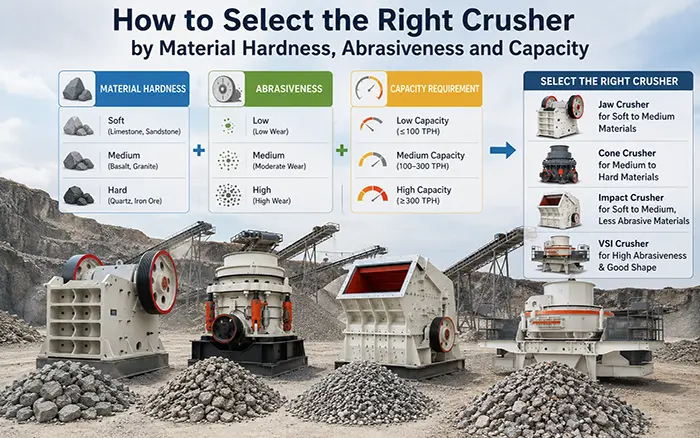
If the crusher type has not yet been decided, consult this guide on how to select a crusher before comparing individual models.
Capacity must always be linked to operating conditions. A machine processing dry limestone at a coarse discharge setting cannot be assumed to provide the same throughput when processing abrasive granite at a finer setting.
2. Understand the Type of Supplier You Are Evaluating
Not every company selling crushing equipment operates in the same way. A potential supplier may be a manufacturer, a trading company or a system integrator.
Equipment manufacturer
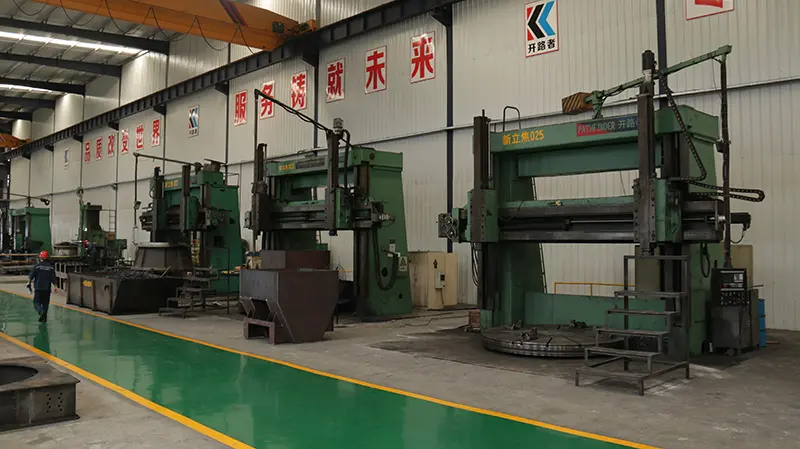
A manufacturer produces some or all of the equipment in its own facilities. It should be able to show machining, welding, assembly, inspection and testing processes for the machines it supplies.
Trading company
A trading company sources equipment from one or more factories and manages communication, export documentation and purchasing. This arrangement is not automatically unsuitable, but the actual manufacturer, quality responsibility and parts supply route should be disclosed.
Crushing-plant integrator
An integrator combines crushers, screens, feeders, conveyors and control systems into a complete line. Some integrators manufacture the major crushers themselves and source auxiliary equipment from qualified partners.
The important question is not simply, “Are you a factory?” It is:
Who is responsible for process design, equipment quality, performance, documentation, commissioning and long-term spare-parts support?
Request a written explanation of the supplier’s scope before signing a contract.
3. Nine Checks for Comparing Stone Crusher Manufacturers
3.1 Check the manufacturer’s process-design capability
A capable supplier should begin with your material and product requirements—not with a predetermined machine model.
The proposal should explain:
How many crushing stages are required
Why each crusher type was selected
How material moves between the stages
Where screening and recirculation take place
How oversize material returns to the circuit
Which operating conditions affect the stated capacity
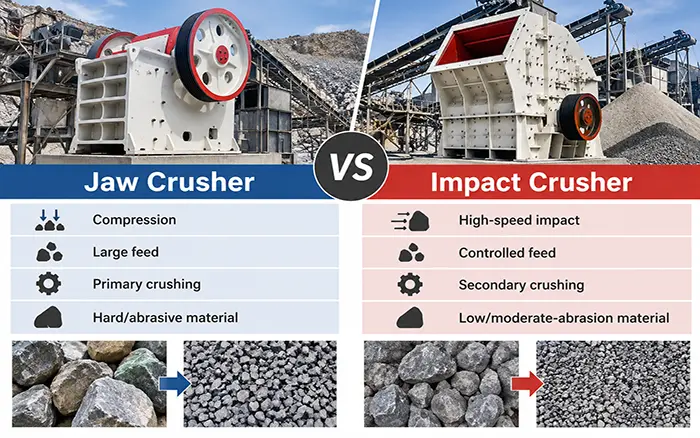
For example, a hard and abrasive granite project may use compression crushers in the primary and secondary stages, while a limestone application may permit a different configuration. Product shape requirements may also justify adding an impact-crushing or shaping stage.
For an overview of the available technologies, see this guide to the types of stone crushers.
A supplier that recommends the same configuration for every material and application should be treated cautiously.
3.2 Evaluate the available equipment range
A complete crushing plant may include:
Primary crusher
Secondary or tertiary crusher
Vibrating feeder
Vibrating screen
Conveyors
Metal detector
Dust-control system
Electrical control system
A broad product range does not automatically prove that a company is better. However, it can reduce interface problems when one supplier is responsible for matching several pieces of equipment.
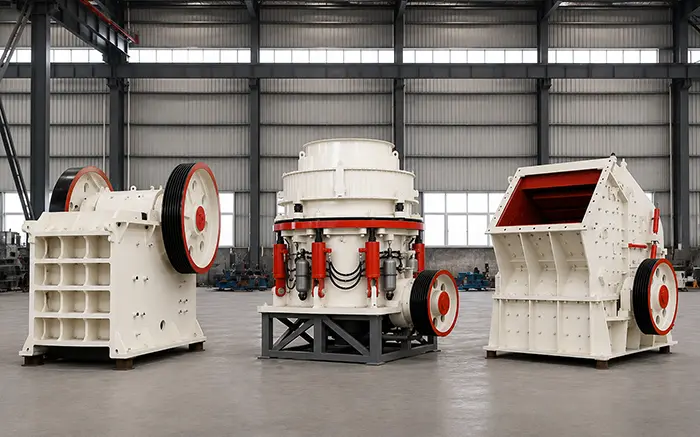
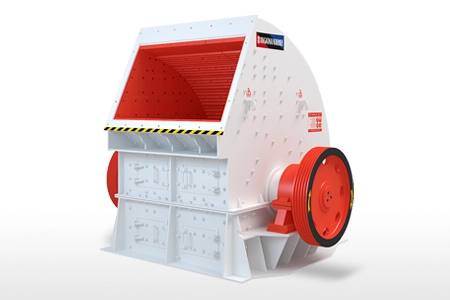
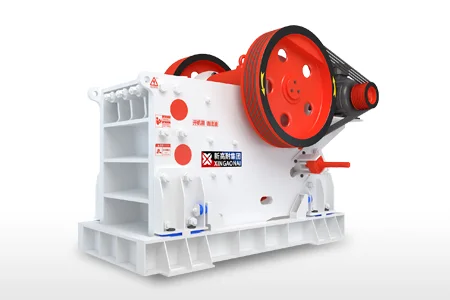
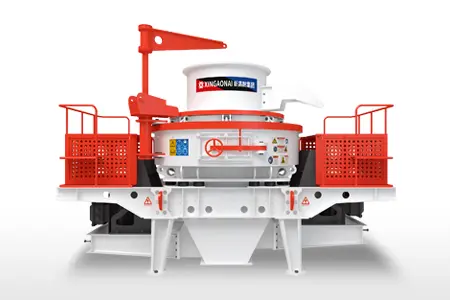
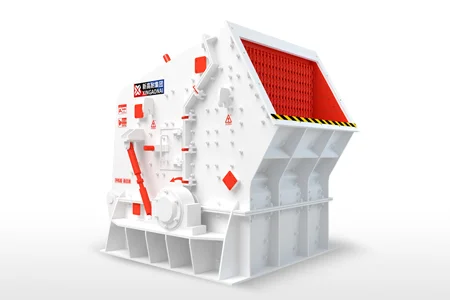
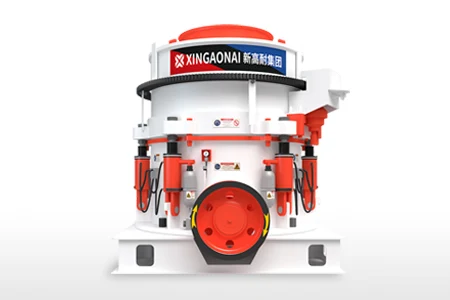
Depending on the application, the process may use a PEV jaw crusher for primary crushing, a multi-cylinder hydraulic cone crusher for hard-rock secondary or tertiary crushing, or an impact crusher where material characteristics and product-shape requirements permit impact crushing.
Projects that move regularly between sites may instead require mobile crushing plants.
The manufacturer should explain why the proposed equipment suits the project. A long product catalogue is not a substitute for correct equipment matching.
3.3 Ask for verifiable factory evidence
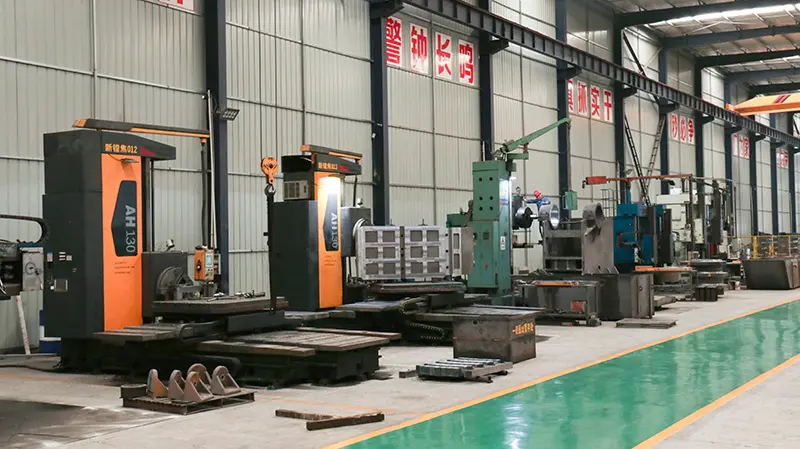
A factory video should show more than a completed machine with a company logo. Ask to see the manufacturing stages relevant to the equipment you are buying.
Useful evidence includes:
Raw-material identification
Frame fabrication
Welding procedures
Machining of bearing seats and shafts
Component inspection
Crusher assembly
Hydraulic and lubrication-system checks
No-load testing
Quality-control records
Packing and shipment preparation
A live video call can be more informative than edited marketing footage. During the call, ask the supplier to show the workshop, the model being manufactured and the identification plate or production record associated with it.
3.4 Verify materials and key components
Ask the manufacturer to identify the materials and specifications used for critical parts, including:
Crusher frame
Main shaft
Eccentric assembly
Bearings
Jaw plates
Mantle and concave
Blow bars
Hydraulic components
Electric motors
Lubrication system
Do not accept descriptions such as “high-quality steel” or “famous-brand bearing” without further detail. The quotation or technical agreement should state the applicable grade, specification, brand or approved alternative where necessary.
Certificates should also be checked carefully. ISO 9001 relates to a company’s quality-management system; it does not independently confirm the performance of a specific crusher. The current standard and its purpose can be checked through the official ISO quality-management information.
For equipment intended for the European Economic Area, a CE logo by itself is not sufficient evidence. The European Commission explains that manufacturers are responsible for conformity assessment, technical documentation and the EU declaration of conformity before affixing the CE marking.
Ask for current certificates, their scope, issuing body and supporting documentation.
3.5 Compare performance under defined conditions
Published capacity ranges are useful for preliminary selection, but they should not be treated as unconditional guarantees.
Ask the manufacturer to define:
Feed material
Bulk density
Feed-size distribution
Maximum lump size
Moisture and clay content
Crusher setting
Operating hours
Screening arrangement
Circulating load
Method used to measure output
A statement such as “capacity: 300 t/h” is incomplete. A more useful commitment would define the material, feed distribution, crusher setting, final products and measurement period associated with that output.
If performance guarantees are included in the contract, the acceptance-test method and remedies should also be clear.
3.6 Examine comparable project cases
A case study is most relevant when it resembles your own project.
Compare:
Material type
Abrasiveness and compressive strength
Feed size
Required capacity
Final product sizes
Number of crushing stages
Climate and site conditions
Operating schedule
Ask whether the stated figure is:
Design capacity
Nominal equipment capacity
Peak short-term output
Stable measured production
Accepted contractual output
A site video can confirm that equipment was installed and operated, but it does not independently prove hourly production. Throughput claims should be supported by belt-scale records, shift reports or a documented acceptance test when available.
3.7 Confirm spare-parts availability
Crusher downtime is often determined by parts availability rather than by the original purchase price.
Before ordering, request:
Recommended commissioning spares
One-year or two-year spare-parts list
Wear-part drawings or part numbers
Estimated production lead time
Available stock information
Packaging dimensions and weight
Replacement instructions
Technical support contact
Wear life should not be presented as a universal number. It depends on feed abrasiveness, chamber profile, operating settings, feeding consistency and maintenance practices.
The initial order should normally include critical parts that could cause extended downtime if they were unavailable locally.
3.8 Define installation and technical-support responsibilities
Clarify which services are included in the quotation:
General arrangement drawings
Foundation drawings
Electrical drawings
Installation guidance
On-site supervision
Commissioning
Operator training
Maintenance training
Remote technical support
Engineer travel and accommodation
If an overseas engineer is required, specify who pays for visas, flights, accommodation, local transport and daily service charges.
For a complete plant, also clarify who is responsible for conveyors, steel structures, chutes, cables, civil works, cranes, water supply and dust-control equipment.
3.9 Compare total cost, not only purchase price
A low machine price can be offset by:
Higher energy consumption
Short wear-part life
Frequent shutdowns
Difficult maintenance access
Expensive replacement parts
Long international delivery times
Incomplete installation documentation
Additional civil or electrical work
Unplanned commissioning costs
Calculate the expected total cost over a defined period rather than comparing only the initial equipment price.
A simple evaluation may include:
Total evaluated cost =
Equipment purchase price
+ Freight and import costs
+ Installation and commissioning
+ Initial spare and wear parts
+ Estimated energy cost
+ Planned maintenance cost
+ Expected downtime risk
Not every item can be predicted precisely, but using the same assumptions for every quotation creates a more meaningful comparison.
4. Stone Crusher Manufacturer Evaluation Scorecard
The following scorecard can help a purchasing team compare shortlisted suppliers.
| Evaluation item | Weight |
|---|---|
| Understanding of the material and project requirements | 20 |
| Process design and equipment matching | 15 |
| Manufacturing and quality-control evidence | 15 |
| Performance conditions and guarantees | 15 |
| Comparable, verifiable project references | 10 |
| Spare-parts and technical-support plan | 10 |
| Documentation, delivery and contract clarity | 10 |
| Total evaluated cost | 5 |
| Total | 100 |
This scorecard is an editorial procurement framework, not an international industry standard. Buyers may adjust the weighting according to project risk.
For example, a remote mining operation may assign more weight to spare-parts availability, while a contractor operating several short-term sites may prioritize mobility and rapid installation.
5. Documents to Request Before Ordering
Requesting the same documents from every supplier makes quotations easier to compare.
The document package should include:
Process flow sheet
Detailed equipment list
General arrangement drawing
Motor and installed-power list
Foundation and dynamic-load information
Electrical single-line diagram
Equipment technical specifications
Performance conditions
Recommended spare-parts list
Wear-part specifications
Inspection and test plan
Delivery schedule
Packing and shipping list
Installation and commissioning scope
Warranty terms
List of quotation exclusions
For a complete plant, request interface information for the feeder, crushers, screens, conveyors and discharge chutes. Missing interface data can create significant installation delays.
6. How to Compare Quotations from Different Suppliers
Transfer each proposal into a standard comparison table.
| Comparison item | Supplier A | Supplier B | Supplier C |
|---|---|---|---|
| Design material | |||
| Maximum feed size | |||
| Capacity and stated conditions | |||
| Required product sizes | |||
| Main equipment | |||
| Total installed power | |||
| Screening and recirculation | |||
| Steel structures and conveyors | |||
| Spare and wear parts | |||
| Installation and commissioning | |||
| Delivery time | |||
| Warranty scope | |||
| Freight and packaging | |||
| Exclusions | |||
| Total evaluated cost |
Do not compare total prices until the technical scope has been aligned. One quotation may include screens, conveyors, control cabinets and spare parts, while another may cover only the crushers.
When two suppliers quote different motor powers or machine sizes, ask each company to explain its selection rather than assuming that larger equipment is automatically better.
7. Warning Signs of a High-Risk Supplier
Be cautious when a supplier:
Promises capacity before requesting material and product information
Recommends the same plant configuration for every rock type
Provides only a total price without an equipment list
Gives a performance guarantee without operating conditions
Refuses to identify the actual manufacturing facility
Uses case images that cannot be connected to a project
Gives vague descriptions of key components
Does not provide foundation or installation drawings
Cannot supply a recommended spare-parts list
Offers an unrealistic production or delivery period
Avoids providing written warranty exclusions
Changes major technical details during commercial negotiation
One warning sign does not automatically disqualify a supplier, but unresolved inconsistencies should be recorded before payment.
8. How to Assess a Manufacturer’s Project Evidence
Project cases should demonstrate more than the appearance of the equipment. They should show that the supplier can match a process to a real material, capacity and final-product requirement.
Malaysia 280 t/h granite crushing project
The recorded configuration for this granite project includes:
PEV950×1250 primary jaw crusher
CS430 cone-crushing stage
CH440 cone-crushing stage
The configuration demonstrates a multi-stage approach for hard-rock reduction. When assessing a similar case, buyers should still verify:
Maximum feed size
Crusher settings
Screen arrangement
Recirculating load
Required aggregate sizes
Operating hours
Method used to determine throughput
Unless supported by commissioning or production records, 280 t/h should be described as the project’s design capacity rather than an independently verified continuous output.
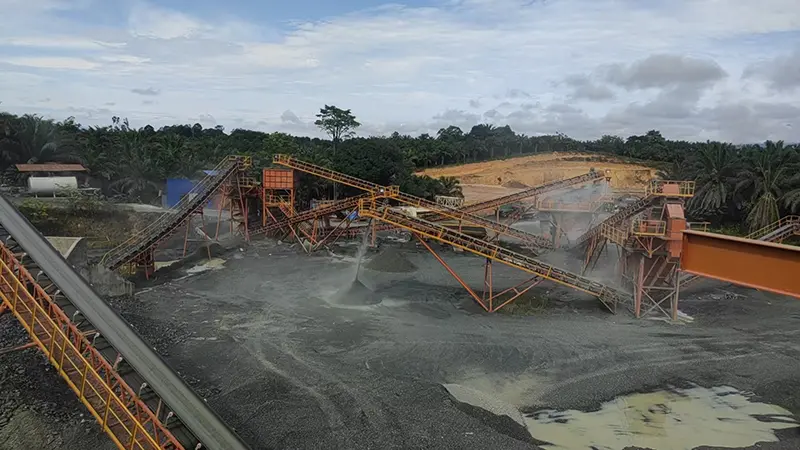
Vietnam 600 t/h diabase crushing project
XINGAONAI’s Vietnam project records the equipment lifecycle from factory production and shipment through installation and plant operation.
This type of evidence helps a buyer assess:
Manufacturing progress
Equipment identification
Packing and shipment
Installation sequence
Plant layout
Operational condition after commissioning
Because diabase is typically treated as a hard, abrasive feed, equipment selection and wear control are important parts of the project evaluation. The 600 t/h figure should be identified as design capacity unless continuous production is supported by a defined measurement record.
Conclusion
The best stone crusher manufacturer for a project is not necessarily the largest company or the supplier offering the lowest quotation. It is the company that can understand the application, explain its equipment selection, provide verifiable manufacturing and project evidence, define performance under realistic conditions, and support the plant after delivery.
Before making a decision:
Give every supplier the same project information.
Compare technical scope before comparing prices.
Verify the factory, materials and project references.
Put capacity conditions and responsibilities in writing.
Confirm spare-parts and service arrangements.
Evaluate total cost instead of purchase price alone.
XINGAONAI can prepare a preliminary crushing-process proposal based on your material, maximum feed size, target capacity, required products and project location. Send these details with any available site drawings or material-test data so that the equipment configuration can be evaluated under clearly defined conditions.