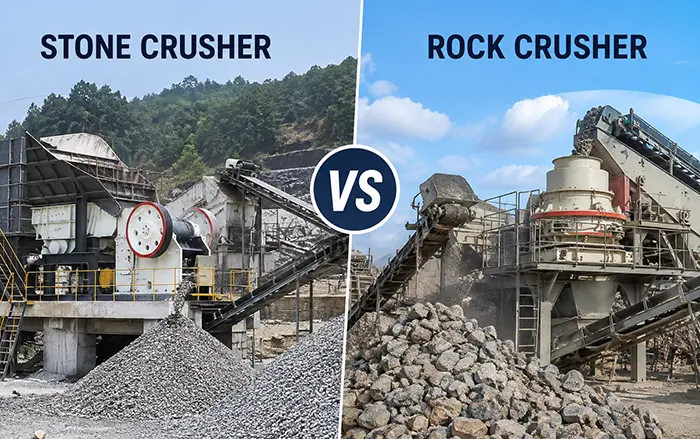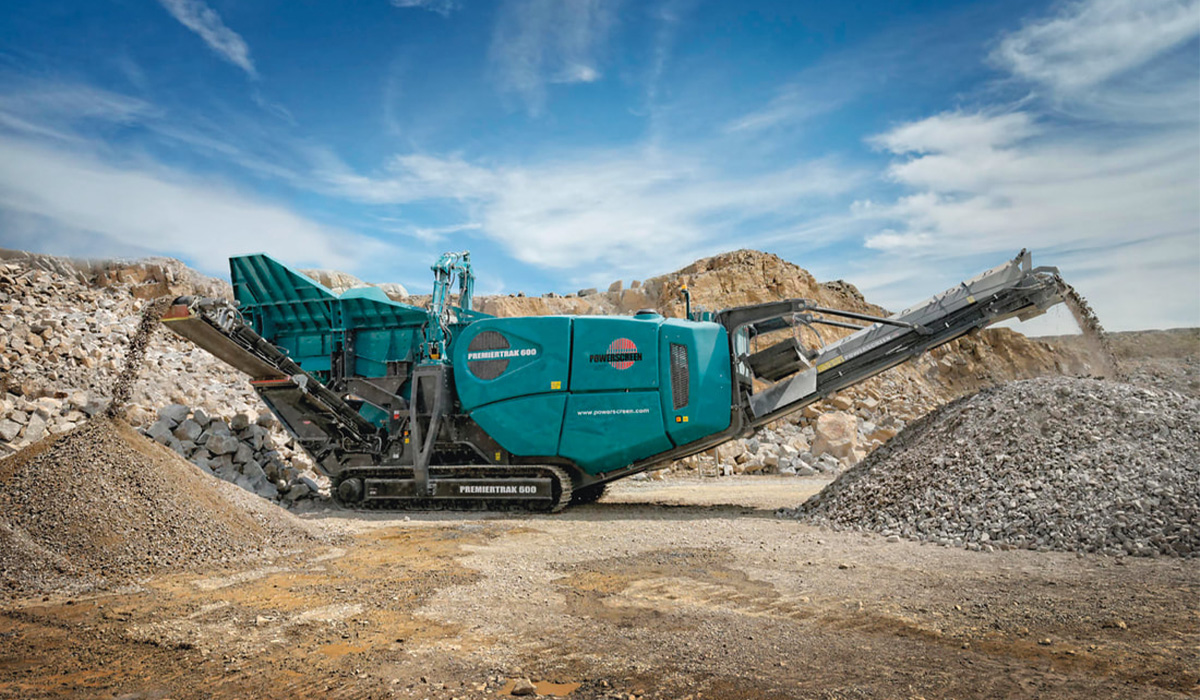
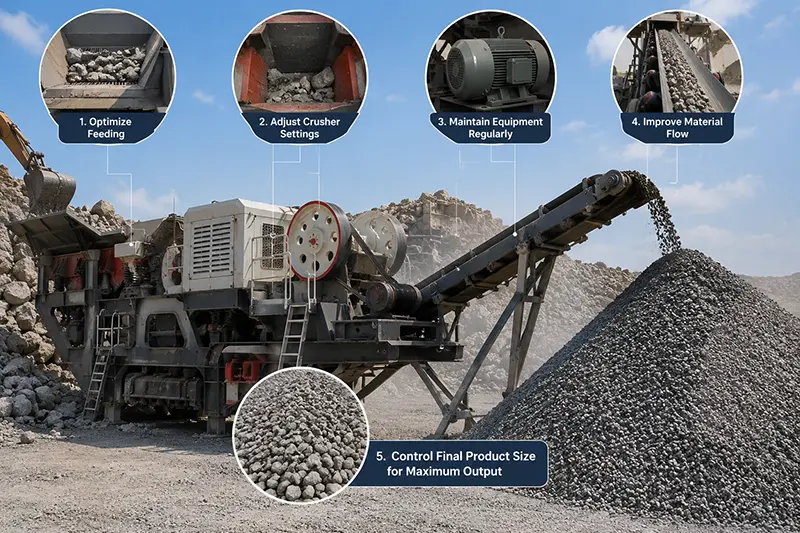
Increasing stone crusher capacity is not simply a matter of installing a larger crusher. Actual production depends on the entire crushing circuit, including the feeder, crusher, screening system, conveyors, material characteristics, and operating conditions.
A crusher may have a high rated capacity but still produce less than expected if the feed is inconsistent, the chamber is poorly utilized, the screen is overloaded, or material repeatedly circulates through the circuit.
To increase stone crusher production effectively, the goal should be to improve the performance of the complete crushing plant while maintaining the required product size and quality.
1. What Determines Stone Crusher Capacity?
Stone crusher capacity is influenced by several interconnected factors:
Feed size and feed distribution
Material hardness and abrasiveness
Crusher type and chamber configuration
Crusher setting
Feed rate
Crushing reduction ratio
Screening efficiency
Circulating load
Conveyor capacity
Equipment downtime
For this reason, the rated capacity of an individual crusher does not always represent the actual production of the entire plant.
A bottleneck in any part of the circuit can limit overall output.
2. Maintain a Consistent Feed
A stable feed is one of the simplest ways to improve crusher production.
If the crusher receives too little material, its available capacity is not fully utilized. If the feed rate fluctuates significantly, the crusher may alternate between underloading and overloading.
A properly sized vibrating feeder or other suitable feeding system can provide a more consistent flow of material.
Good feed control also helps maintain more stable crushing conditions and can improve product consistency.
3. Optimize the Feed Size
Oversized feed requires more energy and can reduce crushing efficiency.
Before the material enters the main crusher, the feed size should be controlled according to the crusher's specifications.
A suitable scalping screen can remove fine material before primary crushing. This reduces the amount of material that needs to pass through the crusher and can increase effective throughput.
However, excessive pre-screening is not always beneficial. The screening arrangement should be evaluated according to the material and overall plant flow.
4. Choose the Right Crusher for the Material
Different crushers are designed for different materials and reduction requirements.
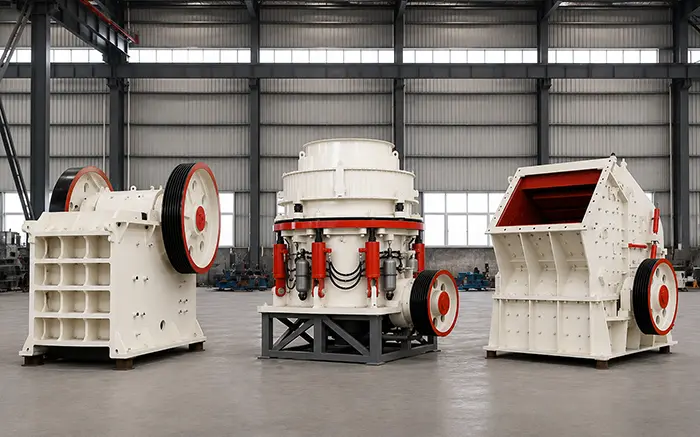
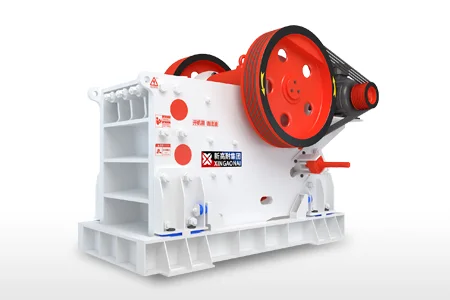
Jaw Crusher
Jaw crushers are commonly used for primary crushing of large rocks and can handle relatively large feed sizes.
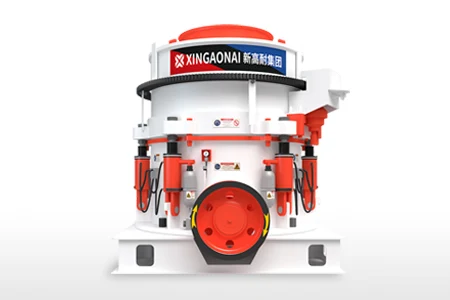
Cone Crusher
Cone crushers are widely used for secondary and tertiary crushing, particularly when processing hard and abrasive materials.
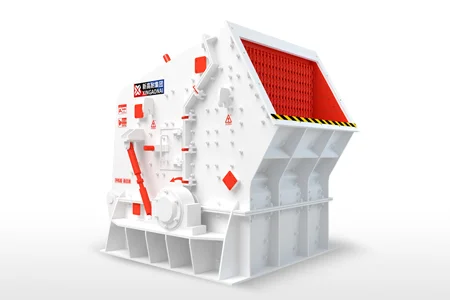
Impact Crusher
Impact crushers can be effective for softer to medium-hard materials and applications where particle shape is important.
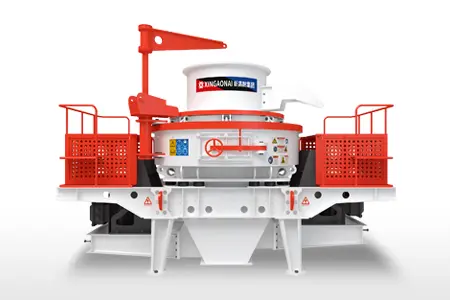
VSI Crusher
VSI crushers are commonly used for fine crushing and particle shaping, especially when manufactured sand or cubical aggregates are required.
Selecting the right crusher for the material can have a greater effect on production than simply increasing the size of the machine.
5. Optimize the Crusher Setting
Crusher settings directly affect the relationship between capacity and product size.
A smaller discharge setting generally produces a finer product but can reduce throughput and increase circulating load.
A larger setting can increase throughput but may result in a product that is too coarse for the required specification.
The optimal setting should therefore be determined based on:
Required product size
Feed characteristics
Desired capacity
Screening efficiency
The objective is to achieve the required product specification without excessive reduction.
6. Improve Screening Efficiency
The screening system is often overlooked when production is low.
If the screen cannot efficiently separate finished material from oversize particles, excessive material may return to the crusher.
This increases the circulating load and reduces effective capacity.
Screen performance can be improved by checking:
Screen media condition
Screen inclination
Feed distribution
Aperture size
Material moisture
Screen loading
The screen should receive material evenly across its effective screening area.
7. Reduce Material Recirculation
In a closed crushing circuit, oversize material returns to the crusher for additional processing.
Some circulating load is normal, but excessive recirculation can significantly reduce fresh-feed capacity.
If the crushing plant produces too much oversize, investigate whether the problem is related to:
Crusher setting
Feed size
Crusher wear
Incorrect chamber configuration
Reducing unnecessary recirculation can increase final production without increasing the crusher's nominal capacity.
8. Keep the Crusher Properly Choke-Fed
For crushers designed to operate effectively under choke-fed conditions, maintaining an appropriate and consistent feed level can improve crushing performance.
An unstable feed can cause uneven crushing and reduce the effective use of the crushing chamber.
However, the correct feeding condition depends on the crusher type and manufacturer specifications. Operators should avoid overloading the machine in an attempt to increase production.
The objective is to maintain a stable operating condition rather than simply maximize the instantaneous feed rate.
9. Control Moisture and Fines
Wet or sticky material can cause problems in both crushing and screening.
Excessive moisture may lead to:
Screen blinding
Material buildup
Reduced screening efficiency
Uneven feeding
Increased downtime
Where appropriate, removing excessive fines before crushing can reduce unnecessary load on the crusher.
For particularly wet or clay-rich feed, a suitable washing, scalping, or material-handling solution may be required.
10. Maintain Crusher Wear Parts
Worn wear parts can change the geometry of the crushing chamber and affect the crushing process.
Depending on the crusher type, worn components may include:
Mantle
Concave
Blow bars
Impact plates
VSI wear components
Operating with excessively worn parts can reduce capacity, increase energy consumption, and affect product shape.
Wear parts should therefore be inspected regularly and replaced according to operating conditions and manufacturer recommendations.
11. Improve Material Distribution
Uneven material distribution can reduce the effective capacity of a crusher or screen.
For example, if material enters one side of a screen instead of being distributed across the entire deck, part of the screening surface is underutilized.
Similarly, uneven feeding can result in unstable crusher loading.
Feed chutes, distributors, feeders, and transfer points should be designed and maintained to provide consistent material flow.
12. Optimize the Complete Crushing Circuit
Increasing production should be approached as a system-level problem.
A typical aggregate crushing circuit may look like:
Feeding → Primary Crushing → Screening → Secondary Crushing → Screening → Tertiary Crushing → Final Screening
If the primary crusher can process 300 TPH but the screen can handle only 220 TPH under actual operating conditions, the plant cannot consistently produce 300 TPH.
The effective capacity is determined by the bottleneck.
Therefore, increasing production may require improving a screen, feeder, conveyor, or transfer point rather than replacing the main crusher.
13. Improve Conveyor and Transfer Capacity
Conveyors must be capable of handling the required material flow.
A conveyor that is too narrow, too slow, or poorly configured can become a bottleneck.
Transfer points should also be inspected for:
Material buildup
Blockages
Spillage
Excessive wear
Uneven material flow
Improving material handling can increase plant availability and reduce production losses.
14. Reduce Unplanned Downtime
Production capacity depends not only on hourly throughput but also on operating availability.
A crusher producing 300 TPH for 6 hours is less productive than one operating steadily for 8 hours at an appropriate rate.
Common sources of downtime include:
Wear-part replacement
Blockages
Lubrication problems
Belt failures
Screen damage
Motor or electrical faults
Poor maintenance planning
Preventive maintenance can reduce unexpected shutdowns and improve annual production.
15. Monitor Key Production Indicators
Regular monitoring helps identify where capacity is being lost.
Useful indicators include:
Tons per hour
Crusher utilization
Feed rate
Product size distribution
Circulating load
Screen efficiency
Power consumption
Downtime
Wear-part life
Comparing actual performance with design conditions can reveal whether the problem is caused by equipment limitations or operating conditions.
16. Upgrade the Crushing Plant When Necessary
Operational optimization should come before major equipment upgrades, but some plants genuinely require additional capacity.
Possible upgrades include:
Larger feeder
Higher-capacity screen
Additional crusher
Larger crusher
Parallel crushing equipment
Improved conveying system
Automated feed control
Improved screening configuration
Before investing in new equipment, the entire circuit should be evaluated to identify the actual production bottleneck.
17. Practical Ways to Increase Stone Crusher Production
A practical improvement plan can follow this sequence:
Step 1: Measure current production and identify the bottleneck.
Step 2: Check feed size, feed rate, and material characteristics.
Step 3: Inspect crusher settings and wear parts.
Step 4: Evaluate screen efficiency and circulating load.
Step 5: Check feeder and conveyor capacity.
Step 6: Optimize operating parameters.
Step 7: Monitor the results over a representative production period.
Step 8: Consider equipment upgrades if the existing circuit remains capacity-limited.
This approach helps avoid spending money on equipment that does not address the actual bottleneck.
Conclusion
Increasing stone crusher capacity requires more than increasing the crusher's rated throughput. The entire crushing circuit must work efficiently together.
Consistent feeding, suitable feed size, optimized crusher settings, effective screening, proper wear-part maintenance, efficient material handling, and reduced downtime can all contribute to higher production.
In many cases, the most effective improvement is to identify and remove the plant's bottleneck rather than simply replacing the main crusher with a larger model.
For a new project or major plant upgrade, the crushing circuit should be evaluated as a complete system. Equipment selection should consider material properties, target capacity, product size, crushing stages, screening requirements, and long-term operating costs.