Auxiliary Equipment

High Frequency Electromagnetic Vibrating Screen

CAPACITY

10-20t/h
Application areas:Fine material classification, dewatering or desliming in mineral processing, coal preparation, industrial mineral processing and manufactured-sand systems.
Applicable materials:Mineral concentrates, coal fines, silica sand, quartz sand, feldspar, calcium carbonate, ceramic raw materials and other fine granular materials.
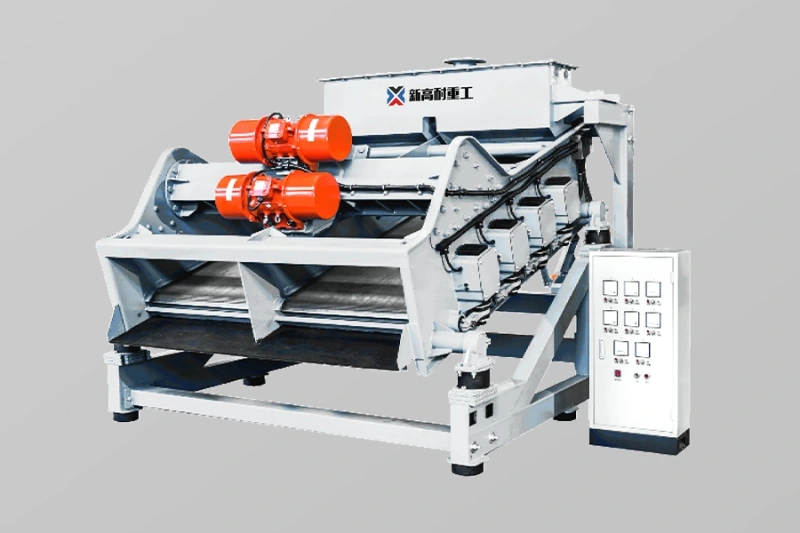
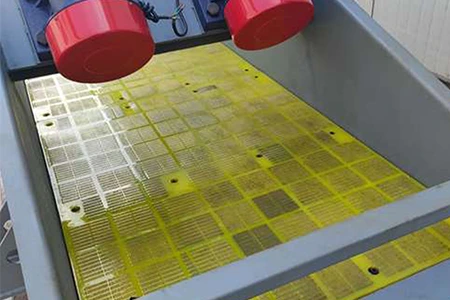
Product Overview

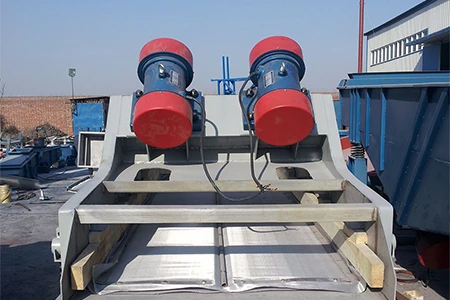
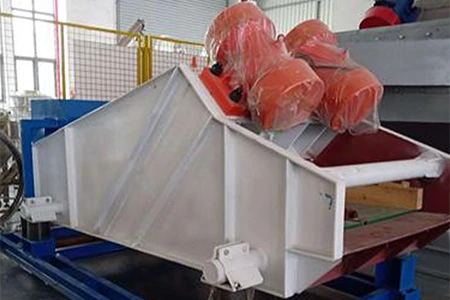
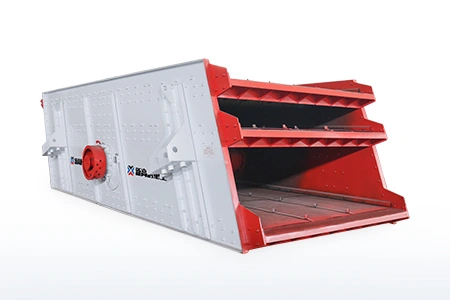
The FZS High Frequency Electromagnetic Vibrating Screen is designed for the classification of fine materials that may be difficult to separate efficiently with a conventional circular vibrating screen. Its electromagnetic excitation system produces high-frequency, low-amplitude vibration to increase particle contact with the screen surface and improve the passage of undersize material.

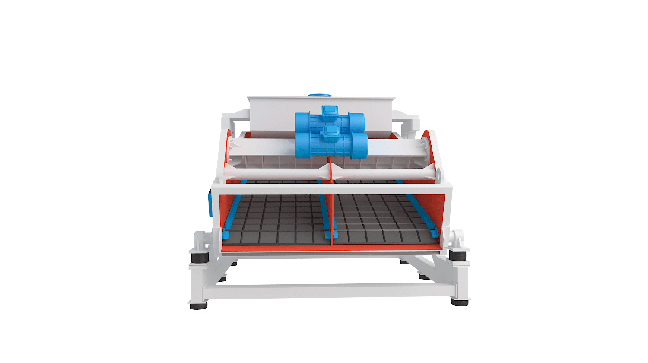
The listed XZFS2020 model uses a [single-deck, dual-channel] screen arrangement with a total screening area of 4 m² and a reference capacity of 10–20 t/h. Actual performance depends on feed gradation, moisture content, bulk density, screen aperture and the proportion of near-size particles.

Depending on the confirmed application, the screen surface may use [polyurethane panels/stainless steel mesh/other verified media]. Frequency and amplitude settings must be adjusted within the model-specific operating range according to the material and required separation size.

This screen is suitable for selected fine-screening duties in mineral processing, coal preparation and industrial mineral applications. Material testing is recommended when the feed contains high moisture, clay, fibrous particles or a large percentage of near-size material.

Key Advantages

Superior Fine Screening Efficiency, Down to 0.074 mm

High-frequency, low-amplitude excitation increases the number of contacts between particles and the screen surface. This can improve the probability of fine particles passing through the apertures, especially when the feed is evenly distributed and the screen is correctly selected.

Electromagnetic Anti-Blinding Technology

Rapid screen-surface vibration can reduce the accumulation of near-size particles in the apertures. However, blinding may still occur when the feed has high moisture, clay, fibrous material or an unsuitable particle-size distribution. Screen-media selection and feed preparation remain important.

Adjustable Frequency & Amplitude for Process Flexibility

The excitation settings can be adjusted within the permitted operating range to suit different feed materials and separation requirements. Adjustment procedures and allowable settings should follow the model-specific control and operation manual.

Modular Screen Panel System for Rapid Maintenance

The replaceable screen surface allows the screening aperture and media to be selected according to the material and target product size. Available fixing methods and screen-media configurations should be confirmed for the selected model.

Compact Footprint, Easy Retrofit

The unit can be considered for fine-screening stages where installation space is limited. Before installation, the supporting structure must be checked for equipment weight, dynamic load, maintenance clearance, feed arrangement and discharge-chute layout.

Electromagnetic Excitation System

The electromagnetic excitation system is designed to provide high-frequency vibration without a conventional eccentric-shaft drive. Energy consumption should be evaluated according to the selected model, operating frequency, screen loading and required throughput.

Working Principle

Working Principle of High Frequency Electromagnetic Vibrating Screen
Feed material is distributed evenly across the screen surface through the feed box or distribution chute. The electromagnetic exciter generates high-frequency, low-amplitude vibration at the screen surface or vibration assembly, depending on the equipment design. The vibration promotes material stratification. Smaller particles move toward the screen surface and pass through the apertures, while larger particles remain above the screen and move toward the discharge end. High-frequency vibration can help release some near-size particles lodged in the apertures and maintain the effective open area of the screen. Performance still depends on feed uniformity, moisture, screen-media condition and the proportion of near-size particles. The operating frequency and amplitude must remain within the specified range for the selected model. Operators should monitor feed distribution, screen condition, discharge flow, abnormal noise and electromagnetic-component temperature during operation.

Technical Parameters

ModelScreen box layersPassage

Sieve surface area

(㎡)

Power

(kw)

Capacity

(tph)

XZFS20201
Dual passage47.5210-20


We are here waiting for you
Our professional team can tailor the solution to suit your needs and answer your questions
Contact Engineer

Frequently Asked Questions

It is used for selected fine-material classification duties where conventional lower-frequency screens may have difficulty achieving the required cut size or screening performance. Typical applications may include mineral concentrates, coal fines, silica sand and industrial minerals, subject to material testing.

A high-frequency electromagnetic screen uses high-frequency, low-amplitude excitation and is generally intended for finer classification. A circular vibrating screen uses a mechanical exciter with a larger vibration amplitude and is generally more suitable for coarser aggregate and mineral sizing. The correct choice depends on feed size, target cut size, moisture and required capacity.

Suitability for wet or sticky material must be confirmed according to the equipment configuration, screen media and feed characteristics. High-frequency vibration may reduce some aperture blockage, but it cannot eliminate blinding caused by excessive clay, moisture or fibrous material.

Adjustment methods depend on the electromagnetic controller and mechanical design of the selected model. Operators should use only the permitted settings and procedures specified in the operation manual.

Please provide the material name, bulk density, feed-size distribution, moisture content, target separation size, required capacity, dry or wet screening requirement, power supply and project location.

Inspection intervals depend on operating hours, material abrasiveness, screen-media wear and site conditions. Operators should regularly inspect the screen surface, fasteners, suspension components, electrical connections and electromagnetic exciter for wear, looseness or overheating.

Explore Our Projects

Send message

Please enter your name
Please enter your email
Please enter your message