

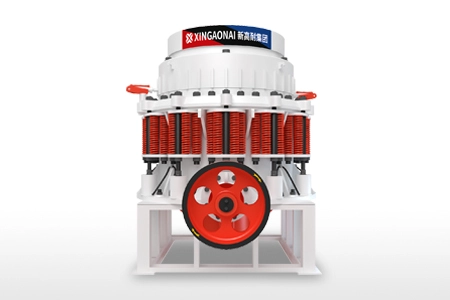
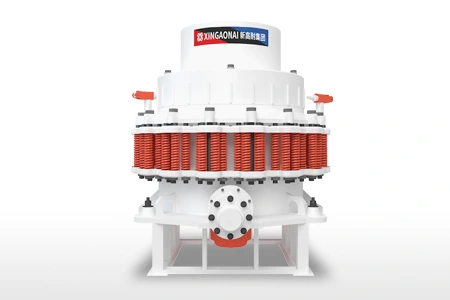
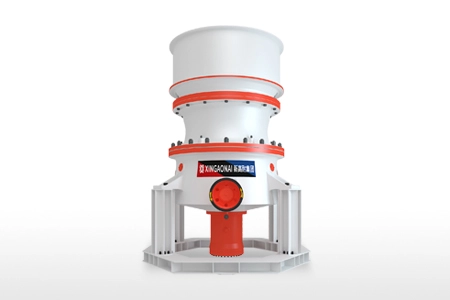
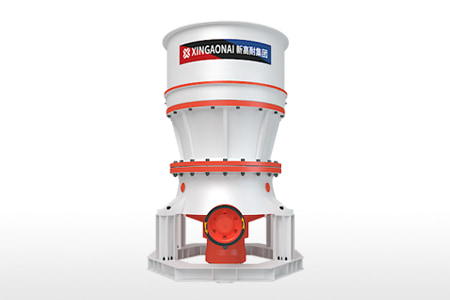
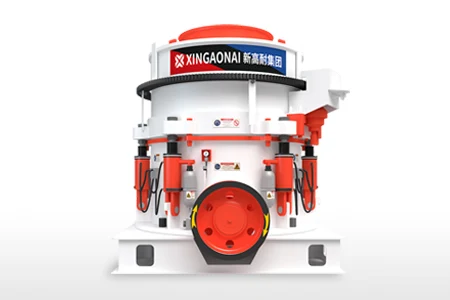
In the world of aggregate processing, mining, and construction, cone crushers stand out as workhorses, delivering consistent and high-quality crushing results. At the heart of these powerful machines lies a component that often determines their performance, durability, and cost-effectiveness: cone crusher liners. These seemingly simple wear parts play a pivotal role in shaping the crushing process, protecting the crusher’s internal components, and ensuring that materials are reduced to the desired size efficiently. Whether you’re a plant manager, maintenance supervisor, or procurement specialist, understanding cone crusher liners—from their types and materials to selection criteria and maintenance—is essential for maximizing your equipment’s potential and minimizing operational downtime.
What Are Cone Crusher Liners and Why Do They Matter?
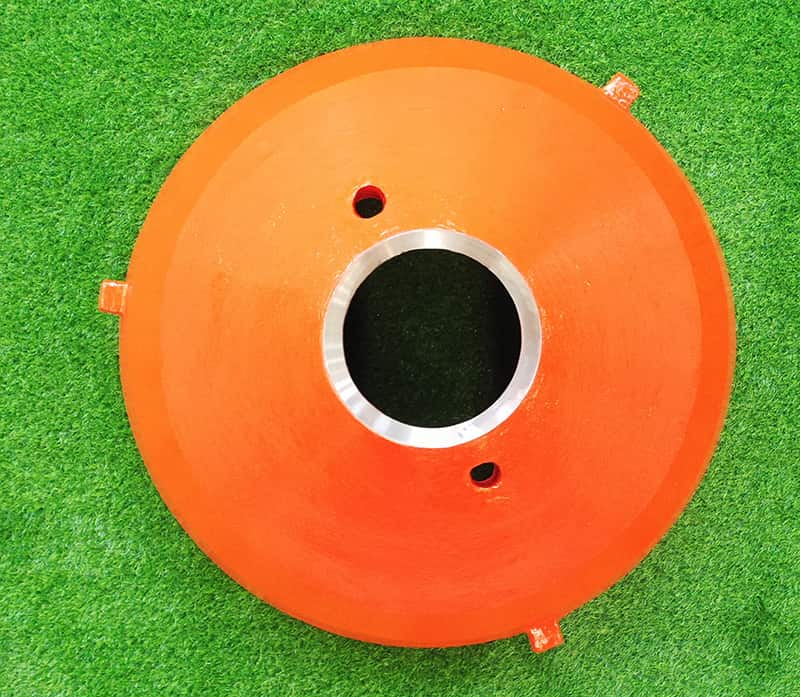
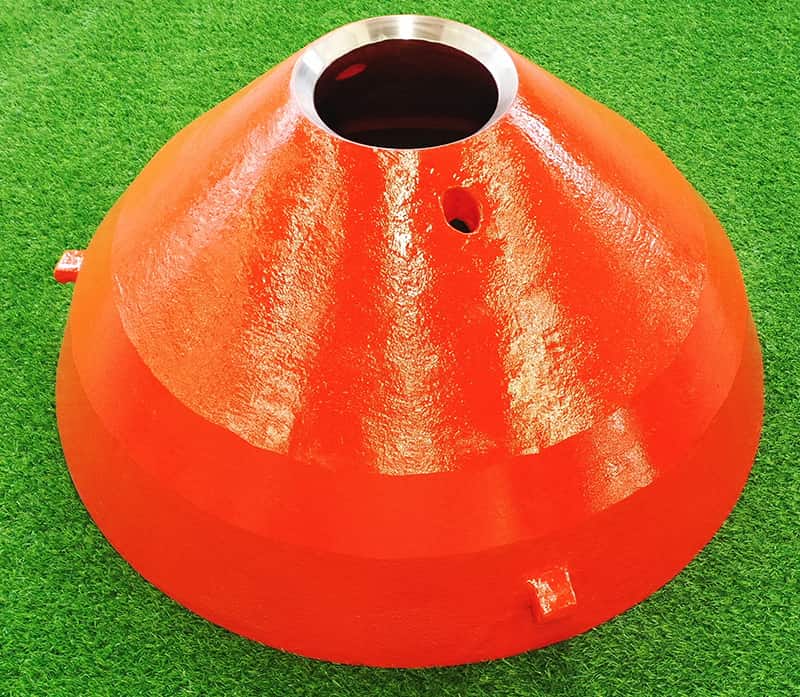
Cone crusher liners, also known as crushing bowls or mantle liners, are replaceable components that line the crushing chamber of a cone crusher. They are positioned between the rotating mantle and the stationary concave, forming the space where raw materials (such as granite, limestone, gravel, and ore) are compressed, crushed, and shaped. Beyond just facilitating the crushing action, these liners serve two critical purposes: protecting the crusher’s expensive internal components (like the mantle and concave) from direct wear and tear, and controlling the particle size and shape of the final product.
The importance of high-quality cone crusher liners cannot be overstated. A well-designed and properly selected liner can significantly boost crushing efficiency by reducing energy consumption—since less energy is wasted on uneven wear or inefficient material processing. It also extends the lifespan of the cone crusher itself, as the liner absorbs the brunt of the impact and abrasion from hard materials. Conversely, a poorly chosen or worn-out liner can lead to a host of issues: increased operational costs due to frequent replacements, reduced production output, inconsistent product quality, and even damage to the crusher’s core components, resulting in costly repairs and prolonged downtime.
Common Types of Cone Crusher Liners: Materials and Applications
Cone crusher liners are available in a range of materials and designs, each tailored to specific applications, material types, and crushing requirements. The choice of liner material directly impacts its wear resistance, durability, and performance. Below are the most common types of cone crusher liners, along with their key characteristics and ideal uses:
1. Manganese Steel (Mn Steel) Liners
Manganese steel, particularly high-manganese steel (such as 14% Mn), is one of the most widely used materials for cone crusher liners. This material is renowned for its exceptional work-hardening properties—when exposed to impact and pressure, the surface of the liner becomes harder and more wear-resistant, while the core remains tough and ductile. This makes manganese steel liners ideal for crushing hard, abrasive materials like granite, basalt, and ore, where impact forces are high.
Advantages: Excellent impact resistance, self-hardening capability, and durability in tough applications. Disadvantages: May not be the most cost-effective for low-impact, low-abrasion materials, as their work-hardening properties are not fully utilized.
2. High-Chrome Iron Liners
High-chrome iron liners are crafted from iron alloys with a high chromium content (typically 15-30%), which imparts superior abrasion resistance. Unlike manganese steel, high-chrome liners do not rely on work hardening; instead, their hardness is inherent, making them ideal for crushing materials with high abrasiveness but lower impact forces, such as limestone, sandstone, and recycled concrete.
Advantages: Outstanding abrasion resistance, longer lifespan in low-impact applications, and consistent performance. Disadvantages: Brittle compared to manganese steel, so they are prone to cracking under high impact or if foreign objects (like metal) enter the crushing chamber.
3. Composite Material Liners
Composite liners combine the best properties of manganese steel and high-chrome iron, using a dual-layer design: a tough manganese steel core for impact resistance and a high-chrome outer layer for abrasion protection. These liners are a versatile option, suitable for a wide range of materials and crushing conditions, from medium-hard to hard and abrasive ores.
Advantages: Balanced impact and abrasion resistance, versatility, and reduced replacement frequency. Disadvantages: Higher initial cost compared to single-material liners, but often offset by longer lifespan and lower total operational costs.
How to Select the Right Cone Crusher Liners: Key Considerations
Selecting the right cone crusher liners is not a one-size-fits-all process. It requires a thorough understanding of your specific operational needs, material characteristics, and crusher specifications. Below are the critical factors to consider when choosing cone crusher liners:
1. Material to Be Crushed
The hardness, abrasiveness, and moisture content of the material are the most important factors. For hard, impact-prone materials (e.g., granite, ore), manganese steel liners are the best choice. For abrasive but less hard materials (e.g., limestone, gravel), high-chrome iron liners offer better value. For mixed materials, composite liners provide a balanced solution.
2. Crusher Model and Specifications
Cone crushers come in various models and sizes, each with unique crushing chamber dimensions and operational parameters (e.g., rotation speed, capacity). Ensure that the liner you select is compatible with your crusher’s model—ill-fitting liners can cause uneven wear, reduced efficiency, and damage to the machine. Always refer to the crusher manufacturer’s guidelines for liner compatibility.
3. Desired Product Size and Shape
The design of the cone crusher liner (e.g., the profile of the crushing chamber) directly affects the particle size and shape of the final product. Liners with a steep chamber profile are ideal for fine crushing, while shallow profiles are better for coarse crushing. If you require a consistent product shape (e.g., cubical aggregates for construction), choose liners with optimized chamber designs that promote uniform crushing.
4. Operational Conditions
Consider factors like production capacity (tons per hour), operating hours, and the presence of foreign objects in the material stream. High-capacity operations or continuous running require liners with exceptional durability (e.g., composite or high-manganese steel). If your operation is prone to foreign objects (e.g., metal scraps), manganese steel liners are preferable due to their ductility, which reduces the risk of cracking.
5. Cost-Effectiveness
While initial cost is a consideration, it’s important to focus on total cost of ownership (TCO) rather than just the purchase price. A more expensive liner (e.g., composite) may have a longer lifespan, reduce replacement frequency, and minimize downtime—resulting in lower overall costs in the long run. Evaluate the liner’s expected lifespan against its cost to determine the most cost-effective option.
Maintenance Tips for Cone Crusher Liners: Extend Lifespan and Performance
Proper maintenance is key to maximizing the lifespan of cone crusher liners and ensuring consistent performance. Neglecting liner maintenance can lead to premature wear, uneven crushing, and increased operational costs. Below are essential maintenance practices:
1. Regular Inspection
Implement a routine inspection schedule to check the condition of the liners. Look for signs of uneven wear, cracks, deformation, or loose fasteners. Inspections should be conducted before and after each shift, as well as during scheduled maintenance downtime. Early detection of issues allows for timely repairs or replacements, preventing further damage to the crusher.
2. Proper Installation
Incorrect installation is a common cause of premature liner wear. Ensure that liners are installed according to the manufacturer’s instructions, with proper alignment and torque on fasteners. A loose liner can vibrate during operation, causing uneven wear and damage to the crusher’s mantle or concave. Use gaskets or shims if necessary to achieve a tight, secure fit.
3. Control Feed Material
Avoid feeding oversized materials or foreign objects (e.g., metal, wood) into the crusher, as these can cause impact damage to the liners. Use feeders and scalpers to screen out oversized material and remove contaminants. Additionally, maintain a consistent feed rate—overfeeding can lead to overloading the crusher, increasing wear on the liners and reducing efficiency.
4. Monitor Operating Parameters
Keep track of key operational parameters, such as crusher rotation speed, pressure, and temperature. Deviations from normal parameters can indicate issues with the liners (e.g., uneven wear or misalignment). Adjust parameters as needed to ensure optimal crushing conditions and reduce stress on the liners.
5. Timely Replacement
Replace liners before they become excessively worn. Continuing to use worn-out liners can lead to damage to the crusher’s core components, reduced product quality, and increased energy consumption. Establish a replacement schedule based on the liner’s expected lifespan and actual wear rates (which can be tracked through routine inspections).
FAQs About Cone Crusher Liners
Q1: How often should cone crusher liners be replaced?
The replacement frequency depends on factors like material abrasiveness, operational hours, and liner material. Manganese steel liners typically last 3-6 months in high-impact applications, while high-chrome liners can last 6-12 months in low-impact, abrasive applications. Composite liners may last even longer—up to 12-18 months in some cases. Routine inspections will help determine when replacement is necessary.
Q2: Can I mix different liner materials in the same crusher?
It is not recommended to mix different liner materials (e.g., manganese steel mantle liner and high-chrome concave liner) unless specified by the crusher manufacturer. Different materials have different wear rates and hardness, which can lead to uneven crushing, reduced efficiency, and premature wear on both liners and the crusher itself.
Q3: How do cone crusher liners affect energy consumption?
Well-designed and properly maintained liners reduce energy consumption by ensuring efficient material crushing. Worn or ill-fitting liners force the crusher to work harder to reduce materials, increasing energy use. For example, a liner with uneven wear can create gaps in the crushing chamber, leading to incomplete crushing and wasted energy.
Q4: Are aftermarket cone crusher liners as good as OEM liners?
Not all aftermarket liners are created equal. Reputable aftermarket manufacturers produce liners that meet or exceed OEM specifications, using high-quality materials and precision manufacturing. These liners can offer the same performance as OEM liners at a lower cost. However, low-quality aftermarket liners may be made from subpar materials, leading to premature wear and reduced performance. Always choose aftermarket liners from trusted suppliers with a proven track record.
Conclusion: Invest in Quality Cone Crusher Liners for Optimal Performance
Cone crusher liners are more than just wear parts—they are a critical investment that directly impacts your operation’s efficiency, productivity, and profitability. By understanding the different types of liners, selecting the right one for your specific needs, and implementing proper maintenance practices, you can extend the lifespan of your cone crusher, reduce operational costs, and ensure consistent, high-quality crushing results.
Whether you’re crushing aggregates for construction, ore for mining, or recycled materials for sustainability, the right cone crusher liners will help you get the most out of your equipment. Remember to prioritize quality over initial cost, follow manufacturer guidelines, and stay proactive with inspections and maintenance—your bottom line will thank you.