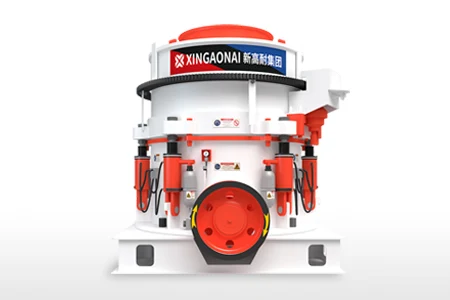
In the mining and construction industries,
cone crushers are pivotal for crushing hard and abrasive materials into uniform sizes. At the heart of these high-performance machines lies the cone crusher hydraulic system, a sophisticated assembly that ensures smooth operation, overload protection, and precise adjustment of the crushing chamber. As the backbone of modern cone crushers, the cone crusher hydraulic system directly impacts operational efficiency, equipment lifespan, and overall productivity. Understanding its design, functionality, and proper maintenance is essential for plant managers, operators, and maintenance teams aiming to optimize crushing processes.
Why the Cone Crusher Hydraulic System Is Indispensable
Traditional cone crushers relied on mechanical systems for adjustment and protection, which were often cumbersome, slow, and prone to wear. The introduction of the cone crusher hydraulic system revolutionized the industry by addressing these limitations. Unlike mechanical alternatives, the cone crusher hydraulic system offers rapid and precise adjustment of the discharge setting, allowing operators to quickly adapt to changing material requirements. More importantly, it provides reliable overload protection: when uncrushable materials (such as metal debris) enter the crushing chamber, the hydraulic system automatically retracts the crushing cone, preventing catastrophic damage to the crusher’s components. This safety feature not only safeguards expensive equipment but also minimizes downtime, ensuring continuous production.
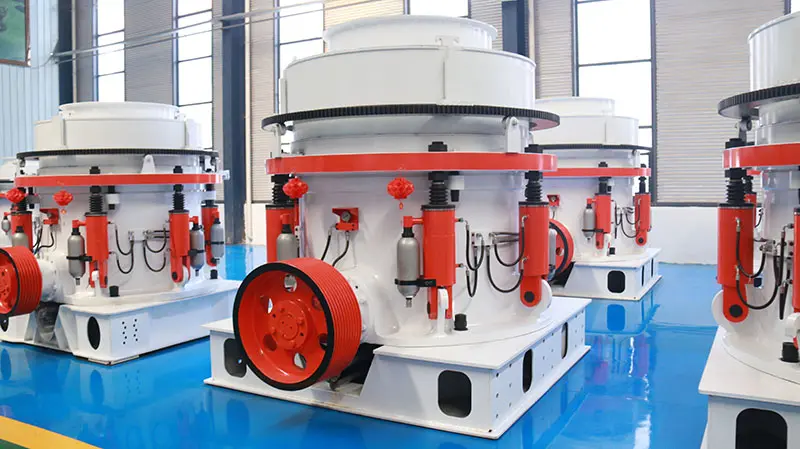
Key Components of a Cone Crusher Hydraulic System
A typical
cone crusher hydraulic system consists of several interconnected components, each playing a vital role in its overall functionality. Familiarizing oneself with these components is crucial for effective maintenance and troubleshooting:
Hydraulic Pump: As the “heart” of the system, the hydraulic pump converts mechanical energy into hydraulic energy by pressurizing hydraulic oil. It supplies the necessary flow and pressure to power other components of the cone crusher hydraulic system.
Hydraulic Cylinders: These act as linear actuators, converting hydraulic pressure into mechanical force. In cone crushers, hydraulic cylinders are used to adjust the position of the crushing cone (to set the discharge gap) and to retract the cone during overload situations.
Control Valves: These regulate the flow, pressure, and direction of hydraulic oil within the system. Control valves ensure that the cone crusher hydraulic system operates smoothly, directing oil to the appropriate cylinders or components as needed.
Hydraulic Tank: Serves as a reservoir for hydraulic oil, providing cooling and filtration. The tank also helps separate air and contaminants from the oil, maintaining the cleanliness and performance of the cone crusher hydraulic system.
Pressure Relief Valve: A safety component that prevents excessive pressure buildup in the system. If pressure exceeds the preset limit, the valve opens to release excess oil back to the tank, protecting the system from damage.
Hydraulic Oil: Acts as a medium for transmitting power, lubricating components, and cooling the system. The quality and viscosity of hydraulic oil directly affect the efficiency and lifespan of the cone crusher hydraulic system.
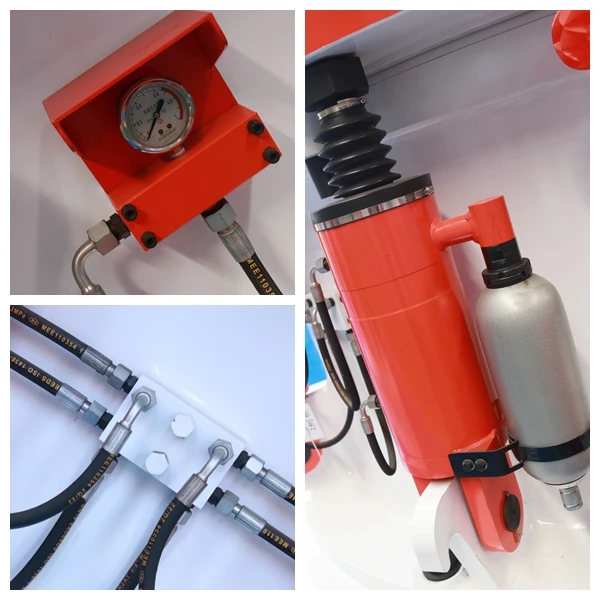
Working Principle of the Cone Crusher Hydraulic System
The cone crusher hydraulic system operates on the principle of Pascal’s law, which states that pressure applied to an enclosed fluid is transmitted undiminished to all portions of the fluid and the walls of the container. Here’s a simplified breakdown of its working mechanism:
1. Normal Crushing Operation: The hydraulic pump draws oil from the tank and pressurizes it. The control valves direct the pressurized oil to the hydraulic cylinders, which maintain the crushing cone in the desired position. This ensures a consistent discharge gap and stable crushing performance.
2. Discharge Gap Adjustment: When the discharge size needs to be changed, operators adjust the control valves to direct oil into the appropriate cylinders. Extending or retracting the cylinders moves the crushing cone up or down, altering the gap between the cone and the concave (fixed crushing surface).
3. Overload Protection: If uncrushable material enters the crushing chamber, the pressure in the hydraulic system rises sharply. The pressure relief valve detects this increase and triggers the retraction of the hydraulic cylinders, moving the crushing cone away from the concave. This creates a larger gap, allowing the uncrushable material to pass through. Once the material is cleared, the system automatically resets the cone to its original position, resuming normal operation.
Essential Maintenance Tips for Cone Crusher Hydraulic System
Proper maintenance is key to extending the lifespan of the cone crusher hydraulic system and preventing unexpected breakdowns. Here are some critical maintenance practices:
Regular Oil Checks and Replacement: Monitor the level, quality, and viscosity of hydraulic oil regularly. Contaminated or degraded oil can cause wear to components and reduce system efficiency. Replace the oil and filters according to the manufacturer’s recommendations.
Inspect for Leaks: Check hydraulic hoses, fittings, and seals for leaks regularly. Even small leaks can lead to a loss of pressure, reduced performance, and increased oil consumption. Replace damaged hoses or seals immediately.
Clean the Hydraulic Tank and Filters: Keep the hydraulic tank and filters clean to prevent contaminants from entering the system. Clogged filters can restrict oil flow, leading to overheating and component damage.
Check Pressure Settings: Verify that the pressure relief valve and other pressure controls are set to the manufacturer’s specifications. Incorrect pressure settings can cause premature wear or system failure.
Lubricate Moving Components: Ensure that all moving parts of the cone crusher hydraulic system (such as cylinder rods) are properly lubricated to reduce friction and wear.
Common Issues and Troubleshooting for Cone Crusher Hydraulic System
Even with proper maintenance, the cone crusher hydraulic system may encounter issues. Here are some common problems and their solutions:
Low Pressure: Possible causes include a faulty pump, clogged filter, or leak in the system. Check for leaks, replace the filter, and inspect the pump for damage.
Slow or Unresponsive Cylinders: This may be due to insufficient oil flow, a clogged control valve, or worn cylinder seals. Clean the control valve, check the oil flow, and replace worn seals.
Overheating: Overheating can result from contaminated oil, a clogged cooling system, or excessive pressure. Replace the oil, clean the cooling system, and check the pressure settings.
System Leaks: Identify the source of the leak (hoses, fittings, seals) and replace the damaged component. Ensure that all connections are tight.
Conclusion: Investing in a Reliable Cone Crusher Hydraulic System
The
cone crusher hydraulic system is a critical component that directly influences the performance, safety, and efficiency of cone crushers. By understanding its key components, working principle, and maintenance requirements, operators and plant managers can minimize downtime, extend equipment lifespan, and maximize productivity. Whether you’re maintaining an existing system or selecting a new cone crusher, prioritizing a high-quality and well-maintained cone crusher hydraulic system is essential for long-term operational success.