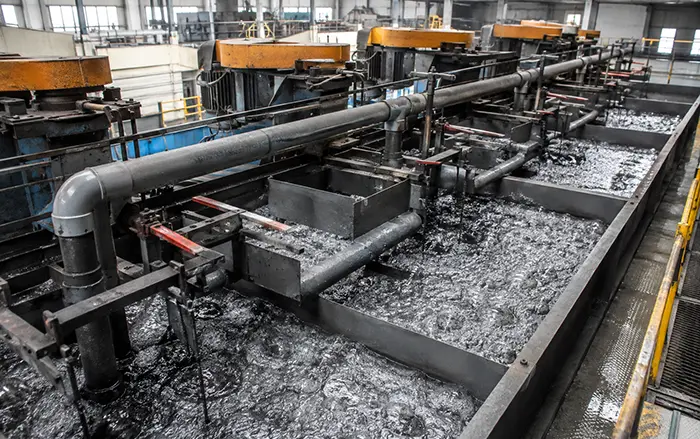
Lead-zinc mining and beneficiation generate large quantities of tailings containing fine mineral particles, residual sulfide minerals, and other potentially hazardous components. If these tailings are not properly managed, dissolved or particulate metals can migrate into surrounding soil and water systems.
A lead-zinc tailings treatment plant is therefore designed not only to reduce the volume and mobility of tailings but also to control contaminants, recover process water, and produce a stable final residue suitable for long-term storage or disposal.
The appropriate treatment process depends on tailings composition, particle size, mineralogy, water chemistry, contaminant concentration, and local environmental requirements.
A typical treatment concept may include:
Tailings Thickening → Solid-Liquid Separation → Heavy Metal Treatment → Filtration → Water Recycling → Tailings Disposal
However, the actual flowsheet should be developed from laboratory testing and site-specific environmental requirements.
1. What Are Lead-Zinc Tailings?
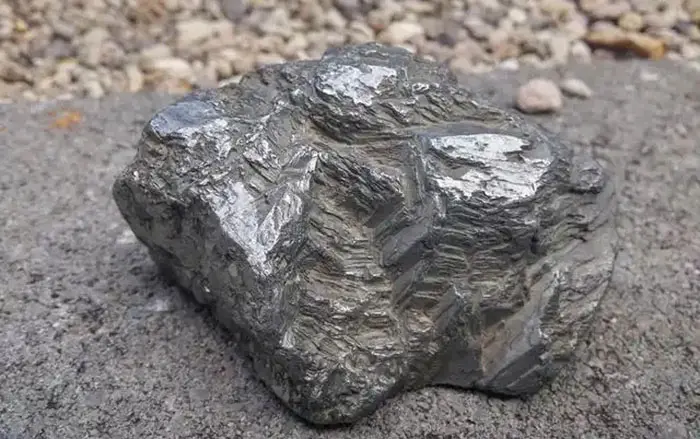
Lead-zinc tailings are the finely ground residues remaining after valuable lead- and zinc-bearing minerals have been recovered during ore beneficiation.
Depending on the ore and processing method, tailings may contain:
Fine gangue minerals
Residual galena
Residual sphalerite
Pyrite and other sulfide minerals
Lead
Zinc
Iron
Calcium and magnesium minerals
Process water and dissolved ions
The composition varies significantly between deposits.
For this reason, a tailings treatment plant should not be designed solely according to the nominal lead or zinc grade of the original ore. Detailed tailings characterization is required to determine which contaminants need to be controlled and which treatment methods are technically appropriate.
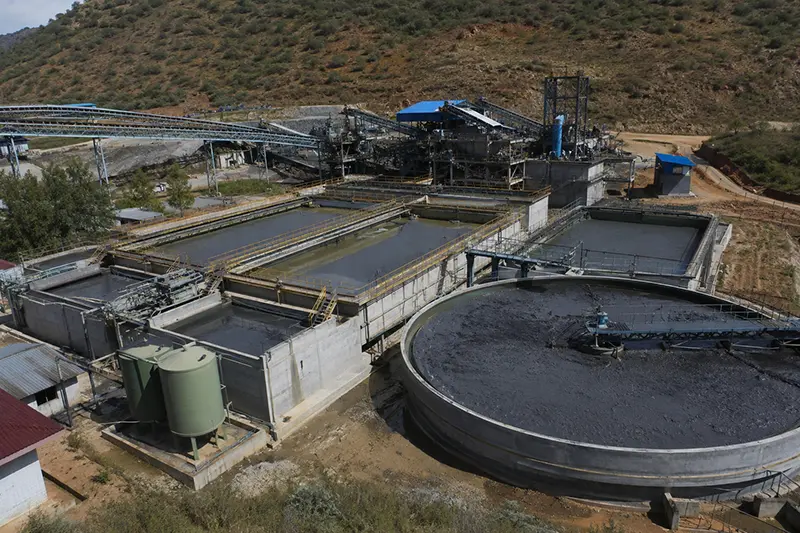
2. Why Does Lead-Zinc Tailings Treatment Matter?
Poorly managed tailings can create several environmental and operational challenges.
Heavy Metal Mobility
Lead and zinc can potentially migrate from tailings into water under suitable chemical conditions.
The degree of mobility depends on factors such as:
pH
Redox conditions
Mineral form
Sulfide oxidation
Water chemistry
Particle size
The total metal concentration alone does not determine environmental risk. The chemical form and leachability of the metals are also important.
Acid Generation
Tailings containing sulfide minerals such as pyrite may oxidize when exposed to oxygen and water.
Under certain conditions, this can contribute to acidic drainage and increase the mobility of metals.
Water Contamination
Fine tailings particles and dissolved contaminants can enter process water or runoff if the storage and treatment system is poorly controlled.
Long-Term Storage Requirements
Tailings facilities must remain stable over the long term. Reducing water content and improving the physical properties of tailings can make storage and management easier.
3. Characterize the Tailings Before Designing the Plant
Tailings characterization is the foundation of process design.
Important tests may include:
Chemical Analysis
Determine concentrations of:
Lead
Zinc
Iron
Sulfur
Calcium
Magnesium
Other regulated elements
Mineralogical Analysis
Mineralogical testing helps determine how metals occur in the tailings.
For example, lead associated with residual sulfide minerals may behave differently from dissolved or adsorbed lead.
Particle-Size Analysis
Tailings are usually fine-grained, but their particle-size distribution can vary.
Particle size affects:
Settling
Thickening
Filtration
Reagent consumption
Water recovery
Leaching Tests
Leaching tests can help evaluate whether metals are likely to migrate from the solid phase into water under specified conditions.
Water Chemistry
The treatment design should also consider:
pH
Total dissolved solids
Sulfate
Suspended solids
Dissolved metals
Alkalinity
These parameters provide a basis for selecting the appropriate treatment process.
4. Typical Lead-Zinc Tailings Treatment Flow
A complete system can be organized into several stages:
Tailings Slurry
↓
Thickening
↓
Conditioning
↓
Heavy Metal Removal / Stabilization
↓
Solid-Liquid Separation
↓
Water Treatment
↓
Water Recycling
↓
Tailings Filtration
↓
Dry Stack or Other Disposal
Not every project requires all stages.
For example, a plant with relatively clean process water may need only thickening and filtration, while tailings with significant dissolved metals may require additional water treatment.
5. Tailings Thickening
The first step in many tailings treatment plants is thickening.
A tailings thickener separates suspended solids from water and increases the solids concentration of the underflow.
The clarified water can potentially be returned to the processing plant.
Main Benefits
Thickening can:
Reduce water volume
Recover process water
Increase tailings solids concentration
Reduce downstream filtration load
Improve water management
A thickener is commonly selected according to tailings throughput, solids concentration, settling characteristics, and desired underflow density.
6. Heavy Metal Removal
Heavy metal treatment is one of the most important parts of the system when dissolved lead or zinc concentrations exceed applicable discharge or reuse limits.
The appropriate treatment depends on the chemical form of the metals.
Chemical Precipitation
Chemical precipitation can convert dissolved metals into less soluble compounds that can then be separated from water.
Common approaches may involve hydroxide or sulfide precipitation, depending on the water chemistry and treatment objectives.
The reagent selection should be based on laboratory testing because excessive reagent addition can increase sludge production and operating costs.
Adsorption
Certain adsorbent materials can remove dissolved metals from water.
Adsorption can be considered as a polishing step when residual concentrations need to be reduced after primary treatment.
Ion Exchange
Ion exchange can selectively remove certain dissolved ions from water.
It may be considered for specific water-treatment applications, particularly where relatively low residual concentrations are required.
7. Metal Stabilization in Tailings
Not all tailings treatment focuses on removing metals from the solid material.
In some cases, the objective is to reduce the mobility of metals and prevent them from entering water.
Stabilization can involve modifying the chemical environment or adding materials that promote the formation of less mobile mineral phases.
The treatment approach should be verified through laboratory leaching tests to determine whether metal mobility has actually been reduced.
8. pH Control
pH is a critical parameter in lead-zinc tailings treatment.
It can influence:
Metal solubility
Precipitation reactions
Sulfide oxidation
Reagent performance
Water treatment efficiency
For example, changing the pH can alter the solubility of dissolved lead and zinc compounds.
However, maintaining a particular pH value should not be treated as a universal solution. The optimal operating range depends on the specific contaminants and treatment chemistry.
Continuous monitoring and controlled reagent addition are therefore important.
9. Tailings Filtration
After thickening and, where necessary, chemical treatment, filtration can further reduce water content.
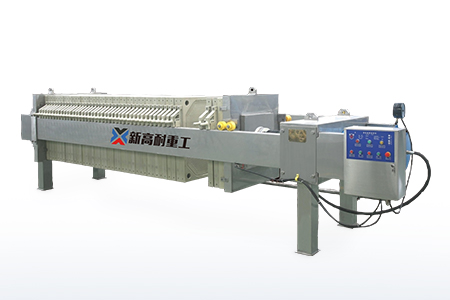
A filter press is commonly used for this purpose.
The basic process is:
Conditioned Tailings → Filter Press → Filter Cake + Filtrate
The filter cake contains most of the solids, while the filtrate can be returned to the water-treatment or recycling system.
Filtration can significantly reduce the amount of free water remaining in tailings.
10. Dry Stack Tailings
Filtered tailings can be transported and stacked as relatively dry material.
A typical dry-stack system may include:
Thickener → Filter Press → Conveying → Dry Stack
Compared with conventional slurry storage, filtered tailings can reduce the amount of water stored with the solid material.
Potential advantages include:
Reduced water inventory
Smaller tailings footprint in some projects
Improved water recovery
Easier progressive reclamation
Reduced reliance on large slurry storage volumes
The suitability of dry stacking depends on climate, tailings properties, filtration performance, land availability, and project economics.
11. Water Recycling
Water recovery should be integrated into the tailings treatment system.
A simplified water circulation loop is:
Process Water → Mineral Processing → Tailings → Thickening → Clarification → Water Recycling
Additional treatment may be required before the recovered water can be returned to the process.
Recycling can reduce:
Fresh-water demand
Wastewater discharge
Water procurement costs
Overall water consumption
The water balance should be evaluated during the plant design stage.
12. Managing Acid Mine Drainage Potential
Where sulfide minerals remain in the tailings, oxidation testing should be considered.
Potential acid-generating tailings may require additional management measures.
Possible strategies include:
Limiting Oxygen and Water Contact
Reducing exposure to oxygen and water can help limit sulfide oxidation.
Alkaline Addition
Alkaline materials may be used in some treatment systems to neutralize acidity, but the appropriate dosage should be established experimentally.
Water Management
Controlling surface water and seepage can reduce unwanted contact between tailings and oxygenated water.
Cover Systems
Engineered covers may be used to limit infiltration and oxygen transport after closure.
The appropriate strategy depends on site-specific geochemical behavior.
13. Tailings Treatment Equipment
A lead-zinc tailings treatment plant may include:
| Process Stage | Typical Equipment |
|---|---|
| Tailings transport | Slurry pump, pipeline |
| Thickening | High-rate or conventional thickener |
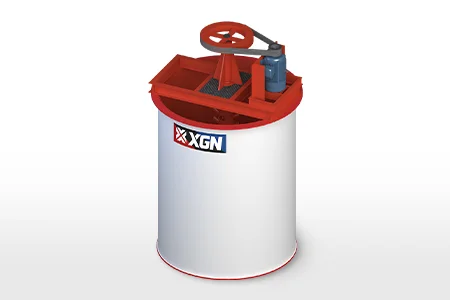
| Conditioning | Agitation tank |
| Chemical treatment | Dosing system, reaction tank |
| Solid-liquid separation | Filter press |
| Water clarification | Thickener or clarification system |
| Water polishing | Adsorption or other treatment equipment |
| Tailings transport | Conveyor or pump |
| Dry stacking | Filter press, conveyor, stacker |
| Water recycling | Water tank and pumps |
The actual equipment configuration should be based on tailings test results and the required treatment performance.
14. How to Select a Tailings Treatment Process
The selection process should begin with the environmental and technical objectives.
Step 1: Identify Contaminants
Determine which metals and other parameters require control.
Step 2: Determine Metal Mobility
Analyze whether contaminants are present primarily as dissolved species, suspended particles, or mineral-bound phases.
Step 3: Evaluate Water Chemistry
Test pH, sulfate, dissolved metals, suspended solids, and other important parameters.
Step 4: Conduct Treatment Tests
Compare alternative treatment methods through laboratory or pilot testing.
Step 5: Develop the Water Balance
Estimate water consumption, recovery, discharge, and losses.
Step 6: Select Dewatering Equipment
Determine whether thickening alone is sufficient or whether filtration is required.
Step 7: Design Final Disposal
Evaluate dry stacking, conventional tailings storage, or other disposal methods.
15. Environmental Compliance Considerations
Environmental compliance requirements vary by jurisdiction and project.
A lead-zinc tailings treatment plant may need to address:
Water discharge quality
Groundwater protection
Tailings storage stability
Seepage control
Dust emissions
Acid-generating potential
Heavy metal mobility
Process-water management
Closure and reclamation
Specific regulatory limits should be established according to the applicable local permits and environmental standards.
Plant design should therefore involve environmental specialists and regulatory requirements from the early engineering stage rather than treating compliance as a final step.
16. Monitoring and Process Control
A treatment plant requires continuous or scheduled monitoring to confirm that the system performs as designed.
Important parameters may include:
Tailings feed flow
Solids concentration
Thickener underflow density
pH
Dissolved lead
Dissolved zinc
Suspended solids
Filtrate quality
Water recycling rate
Filter cake moisture
Automatic instrumentation can help maintain stable operating conditions.
Regular laboratory testing remains important for verifying the performance of online monitoring systems.
17. Common Problems in Lead-Zinc Tailings Treatment
High Metal Concentration in Recycled Water
Possible causes include insufficient precipitation, poor solid-liquid separation, or unsuitable reagent conditions.
The treatment chemistry and separation performance should be reviewed.
Excessive Filter Cake Moisture
Potential causes include unsuitable feed density, poor flocculation, incorrect filtration pressure, or inappropriate filter cloth selection.
Poor Thickener Performance
High overflow turbidity may result from unsuitable flocculant dosage, excessive feed rate, or changes in tailings properties.
High Reagent Consumption
Unexpected reagent consumption can indicate changes in water chemistry, tailings composition, or inadequate process control.
Unstable Water Quality
Fluctuations in dissolved metal concentrations may occur when feed chemistry changes or when water recycling causes contaminants to accumulate.
18. How to Improve Tailings Treatment Efficiency
Several measures can improve overall performance.
Improve Tailings Characterization
Regularly monitor changes in mineralogy and chemical composition rather than relying only on initial design data.
Optimize Reagent Dosage
Laboratory testing and plant trials can help determine effective reagent levels while avoiding unnecessary consumption.
Improve Solid-Liquid Separation
Optimizing thickener and filtration performance can increase water recovery and reduce the moisture content of final tailings.
Increase Water Recycling
A properly designed water circuit can reduce fresh-water demand while minimizing discharge.
Monitor Metal Mobility
Total metal concentration is not enough to evaluate treatment effectiveness. Leaching behavior and dissolved concentrations should also be monitored.
19. Economic Factors
The cost of a tailings treatment plant depends on several factors:
Tailings throughput
Initial solids concentration
Heavy metal concentrations
Water chemistry
Required treatment level
Reagent consumption
Filtration capacity
Water recycling requirements
Tailings transportation
Power consumption
Environmental infrastructure
A low-cost treatment method is not necessarily the most economical solution if it produces excessive sludge, consumes large quantities of reagents, or requires substantial downstream handling.
The preferred solution should consider both capital expenditure and long-term operating costs.
20. Example Lead-Zinc Tailings Treatment Circuit
A representative circuit can be arranged as follows:
Lead-Zinc Flotation Tailings
↓
Tailings Thickener
↓
Clarified Water → Process Water Recycling
↓
Thickener Underflow
↓
Conditioning & Chemical Treatment
↓
Filter Press
↓
Filter Cake
↓
Conveyor
↓
Dry Stack
Meanwhile, filtrate from the filter press can be returned to the water-treatment system before being recycled.
This is a conceptual flowsheet. The final configuration should be established through laboratory and pilot testing.
Conclusion
A lead-zinc tailings treatment plant should be designed around both environmental protection and efficient resource management.
The first step is to characterize the tailings, including their chemical composition, mineralogy, particle size, water chemistry, and metal leachability. This information provides the basis for selecting appropriate thickening, heavy metal treatment, filtration, water recycling, and disposal technologies.
Depending on project conditions, a treatment system may combine thickening, chemical precipitation, stabilization, filtration, water treatment, and dry stacking.
Environmental compliance should be incorporated into the plant design from the beginning. Discharge requirements, groundwater protection, tailings stability, acid-generating potential, and closure considerations all need to be addressed according to the applicable regulatory framework.
The most effective solution is not necessarily the most complex one. A well-designed system should achieve the required environmental performance while maintaining reasonable water consumption, reagent use, energy demand, and operating costs