The lead-zinc flotation process is a widely used beneficiation method for recovering lead and zinc from sulfide ores. It uses differences in the surface properties of minerals to selectively separate valuable sulfide minerals from each other and from gangue.
In a typical
lead-zinc ore, galena is the primary lead-bearing mineral, while sphalerite is the main zinc-bearing mineral. These minerals may occur together with pyrite, quartz, calcite, dolomite, and other gangue minerals.
Because lead and zinc minerals are often closely associated, the objective is not simply to float both minerals. The flotation circuit must achieve selective separation while maintaining high recovery and producing concentrates that meet downstream processing requirements.
A conventional lead-zinc flotation process may include:
Crushing → Grinding → Classification → Lead Flotation → Zinc Flotation → Concentrate Thickening → Filtration
The exact flowsheet depends on the ore's mineralogy, liberation characteristics, oxidation degree, and processing requirements.
1. What Is Lead Zinc Flotation?
Lead zinc flotation is a mineral separation process used to recover lead- and zinc-bearing minerals from sulfide ores.
The process is based on the ability of selected mineral particles to attach to air bubbles after flotation reagents have modified their surfaces.
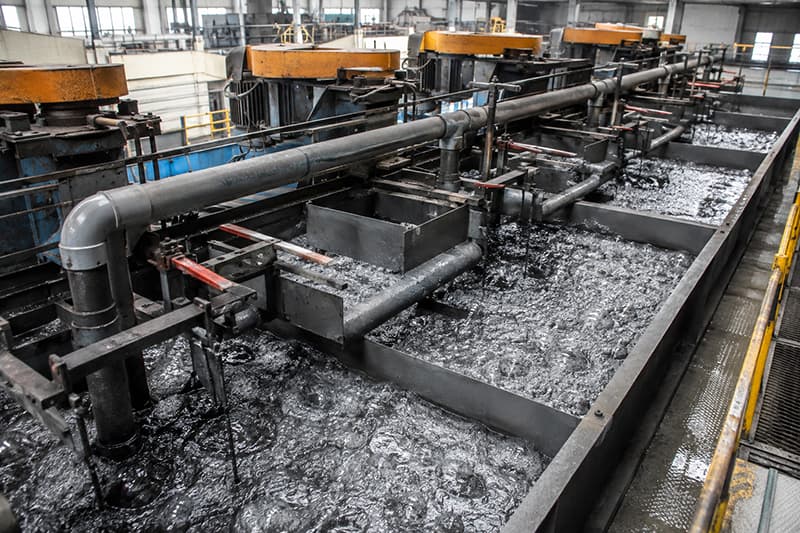
In a flotation cell:
Ground ore is mixed with water to form a slurry.
Reagents modify the surfaces of selected minerals.
Air is introduced into the flotation pulp.
Hydrophobic mineral particles attach to air bubbles.
The bubbles rise to form a mineral-rich froth.
The froth is collected as a flotation concentrate.
By changing the reagent conditions and flotation sequence, operators can selectively recover lead and zinc minerals.
Understanding the mineral composition is essential before designing a flotation circuit.
Galena
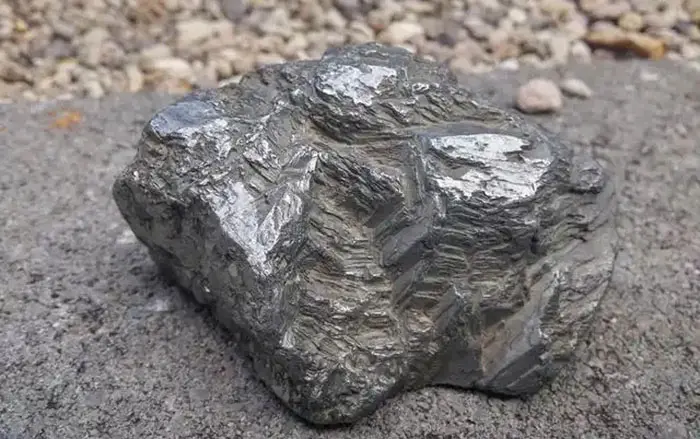
Galena (PbS) is the principal lead mineral in many sulfide lead-zinc deposits.
It commonly has good flotation characteristics and is usually recovered during the lead flotation stage.
Silver may also occur in association with galena, which can increase the economic value of the lead concentrate.
Sphalerite
Sphalerite (ZnS) is the primary zinc mineral.
In many lead-zinc ores, sphalerite is depressed during lead flotation and activated later during zinc flotation.
The degree of mineral liberation and the relationship between sphalerite and other sulfides strongly influence the separation efficiency.
Pyrite
Pyrite is a common associated sulfide mineral.
If excessive pyrite enters the lead or zinc concentrate, concentrate grade can decrease. Selective reagent control is therefore important when pyrite is abundant.
Gangue Minerals
Common gangue minerals include:
Quartz
Calcite
Dolomite
Clay minerals
Silicate minerals
The type and quantity of gangue can affect grinding, pulp conditions, reagent consumption, and flotation selectivity.
3. Lead-Zinc Flotation Process Flow
A conventional flowsheet can be divided into several major stages.
Stage 1: Crushing
Run-of-mine ore is first reduced to a suitable particle size.
A typical crushing circuit may include:
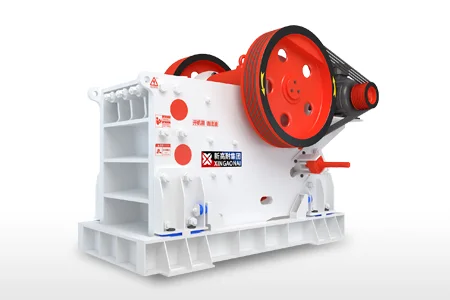
Jaw crusher
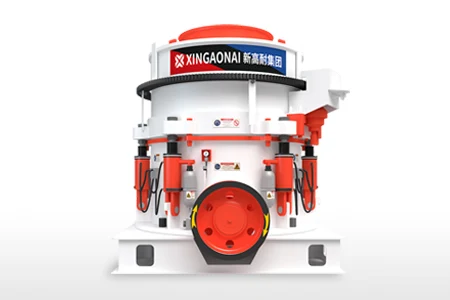
Cone crusher
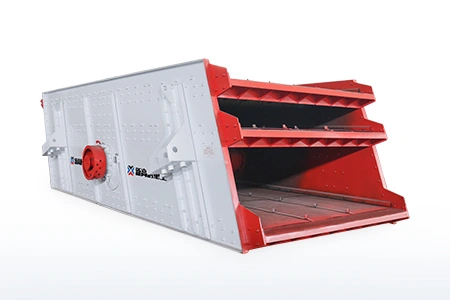
Vibrating screen
Belt conveyor
The purpose is to prepare a stable feed for the grinding circuit.
Stage 2: Grinding
The crushed ore is ground to liberate lead and zinc minerals from gangue.
Ball mills are commonly used for this stage.
The target grinding size should be determined through mineralogical and metallurgical testing. Excessive grinding can increase energy consumption and generate slimes, while insufficient grinding may leave valuable minerals locked with gangue.
Stage 3: Classification
After grinding, the slurry is classified according to particle size.
Hydrocyclones are commonly used in modern grinding circuits.
Coarser particles can be returned to the mill for further grinding, while sufficiently fine material proceeds to flotation.
This closed-circuit arrangement helps maintain a relatively consistent feed size for flotation.
4. Lead Flotation
Lead flotation is commonly performed before zinc flotation in a conventional differential flotation circuit.
The objective is to recover galena while keeping sphalerite and other unwanted minerals from entering the lead concentrate.
The process may include:
Conditioning → Rougher Flotation → Cleaner Flotation → Lead Concentrate
The rougher stage aims to recover as much lead-bearing mineral as practical.
Cleaner stages then improve concentrate quality by removing entrained gangue and unwanted minerals.
The number of cleaning stages depends on the ore and the required concentrate specification.
5. Zinc Flotation
After lead flotation, the remaining slurry is treated to recover sphalerite.
The zinc flotation circuit may include:
Conditioning → Zinc Rougher → Zinc Cleaner → Zinc Concentrate
Before zinc flotation, the pulp conditions are adjusted so that sphalerite can be effectively activated and floated.
The resulting zinc concentrate is then separated from the flotation tailings.
6. Selective Flotation of Lead and Zinc
Selective separation is one of the most important aspects of the lead-zinc flotation process.
If lead and zinc minerals are floated together, the resulting bulk concentrate may contain both metals and require additional downstream separation.
In differential flotation, the circuit is designed to produce separate lead and zinc concentrates.
A simplified concept is:
Lead-Zinc Ore → Lead Concentrate + Zinc Concentrate + Tailings
The actual separation strategy depends on the mineralogy.
Some ores may respond well to a conventional lead-first circuit, while others may require modified reagent schemes or alternative flotation sequences.
7. Flotation Reagents for Lead-Zinc Ores
Reagent selection has a major influence on flotation performance.
The main reagent categories include:
Collectors
Collectors increase the hydrophobicity of selected mineral surfaces and promote attachment to air bubbles.
Different collectors may be selected depending on the target mineral and ore characteristics.
Depressants
Depressants reduce the flotation response of minerals that should remain in the pulp during a particular stage.
For example, sphalerite may be depressed during lead flotation and activated later for zinc recovery.
Activators
Activators improve the flotation response of certain minerals.
Sphalerite often requires activation before efficient zinc flotation can occur.
Frothers
Frothers help create and stabilize the froth layer.
The type and dosage should be controlled carefully because excessive froth stability can increase entrainment of unwanted fine particles.
pH Regulators
pH control affects mineral surface chemistry, reagent behavior, and flotation selectivity.
Lime is commonly used in sulfide flotation circuits for pH adjustment and pyrite control, although the appropriate reagent scheme depends on the ore.
8. Importance of Grinding in Lead Zinc Flotation
Grinding directly affects mineral liberation.
If galena or sphalerite remains locked inside gangue particles, flotation recovery may be limited even when the flotation reagents are properly selected.
However, grinding finer is not always better.
Excessive grinding can produce:
Slimes
Higher energy consumption
Difficult flotation conditions
Increased reagent consumption
Lower selectivity
The optimal grinding size should therefore be established through laboratory testing and mineralogical analysis.
9. Rougher and Cleaner Flotation
Most lead-zinc flotation circuits contain multiple flotation stages.
Rougher Flotation
The rougher stage focuses primarily on recovering valuable minerals from the feed.
Recovery is generally prioritized over concentrate grade at this stage.
Cleaner Flotation
Cleaner stages upgrade the rougher concentrate.
They remove:
The final concentrate should meet the required quality specifications.
Scavenger Flotation
A scavenger stage may be used to recover valuable minerals remaining in the rougher tailings.
The recovered material can be returned to an appropriate part of the circuit.
10. Lead Zinc Concentrate Dewatering
After flotation, lead and zinc concentrates contain substantial amounts of water.
A typical dewatering circuit is:
Concentrate Thickener → Filter → Concentrate Storage.
Thickeners increase the solids concentration and recover part of the process water.
Filter presses or other filtration equipment can then reduce concentrate moisture to a suitable level for handling and transportation.
Water recovered during dewatering can often be returned to the processing circuit.
11. Tailings Management
The final flotation tailings contain the non-recovered gangue and residual minerals.
Proper tailings management is an important part of lead-zinc processing.
Depending on the project, tailings systems may include:
The appropriate solution depends on tailings characteristics, site conditions, water availability, and environmental requirements.
12. Factors Affecting Lead Zinc Flotation Recovery
Flotation performance can vary significantly between deposits.
Important factors include:
Ore Mineralogy
The type, distribution, and association of lead and zinc minerals determine how easily they can be separated.
Liberation Size
Poor liberation can limit recovery and concentrate grade.
Particle Size
Very coarse particles may not float effectively, while excessive fines can cause entrainment and selectivity problems.
Reagent Dosage
Insufficient reagent addition can reduce recovery, while excessive dosage may reduce selectivity or increase operating costs.
Pulp pH
pH influences mineral surface chemistry and reagent performance.
Pulp Density
The solids concentration affects flotation kinetics, reagent distribution, and air bubble interaction.
Flotation Time
Insufficient flotation time can reduce recovery, while excessive residence time may increase operating costs without providing proportional benefits.
13. Common Problems in Lead Zinc Flotation
Low Lead Recovery
Potential causes include:
The cause should be identified through process sampling and laboratory testing rather than simply increasing reagent dosage.
Low Zinc Recovery
Low zinc recovery may be related to insufficient sphalerite activation, poor liberation, inappropriate pH conditions, or excessive oxidation of the mineral surface.
Low Concentrate Grade
A low concentrate grade can result from:
Excessive gangue entrainment
Poor selectivity
Over-activation of unwanted minerals
Excessive fine particles
Inadequate cleaner stages
High Zinc Content in Lead Concentrate
This can indicate inadequate zinc depression or insufficient separation between lead and zinc minerals.
High Lead Content in Zinc Concentrate
Possible causes include incomplete lead recovery upstream, poor differential flotation, or lead mineral entrainment during zinc flotation.
14. How to Improve Lead Zinc Flotation Performance
Improving flotation performance requires optimization of the complete circuit rather than focusing on a single operating parameter.
Useful approaches include:
Optimize Grinding
Find the grinding size that provides adequate liberation without excessive production of slimes.
Improve Reagent Control
Adjust collector, depressant, activator, frother, and pH-regulating reagent dosages according to ore characteristics.
Stabilize Feed Conditions
Consistent feed size, mineral composition, and pulp density can improve flotation stability.
Optimize Flotation Stages
Rougher, scavenger, and cleaner stages should be configured according to recovery and concentrate-grade targets.
Monitor Process Performance
Regular sampling of feed, concentrate, middlings, and tailings can help identify losses and separation problems.
15. Lead Zinc Flotation Equipment
A typical flotation plant may include the following equipment:
|
|
| Crushing | Jaw crusher, cone crusher, vibrating screen |
| Grinding | Ball mill |
| Classification | Hydrocyclone |
| Conditioning | Agitation tank |
| Lead flotation | Flotation cells |
| Zinc flotation | Flotation cells |
| Concentrate thickening | Thickener |
| Concentrate filtration | Filter press |
| Tailings treatment | Thickener, filter press or tailings storage system |
| Material transport | Slurry pumps, conveyors |
The actual equipment list depends on the ore properties and plant capacity.
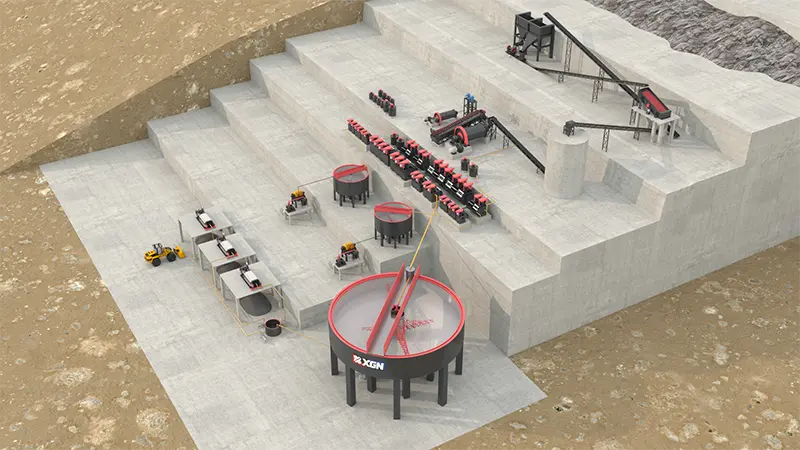
16. Lead Zinc Flotation Plant Design
A complete plant should be designed around the characteristics of the ore rather than copied from another operation.
The design process typically includes:
Ore Characterization → Laboratory Testing → Grinding Test → Flotation Test → Flowsheet Development → Pilot Testing → Equipment Selection → Plant Design
Laboratory flotation tests can help determine:
Reagent types
Reagent dosages
Grinding requirements
Flotation sequence
Concentrate grades
Recovery
Residence time
For complex ores, pilot-scale testing can provide additional information before full-scale plant construction.
17. Lead Zinc Flotation vs Other Beneficiation Methods
Flotation is particularly effective for sulfide lead-zinc ores, but it is not necessarily suitable for every deposit.
Other methods may be considered depending on the mineralogy.
For example:
Gravity separation may be useful for certain coarse, high-density mineral particles.
Magnetic separation may have a role when magnetic minerals are present.
Dense media separation may be considered for suitable coarse ores.
Leaching can be evaluated for some oxidized or specially treated materials.
In some projects, multiple methods are combined to improve overall recovery.
18. Example Lead Zinc Flotation Flowsheet
A conventional differential flotation circuit can be summarized as:
Run-of-Mine Ore
↓
Crushing
↓
Grinding & Classification
↓
Lead Conditioning
↓
Lead Rougher Flotation
↓
Lead Cleaning
↓
Lead Concentrate
↓
Zinc Activation & Conditioning
↓
Zinc Rougher Flotation
↓
Zinc Cleaning
↓
Zinc Concentrate
↓
Final Tailings
This simplified flowsheet provides a general framework. Actual plants may include scavenger circuits, recleaners, regrinding, middlings recycling, or other modifications.
Conclusion
The lead zinc flotation process is a selective beneficiation method used to recover valuable lead and zinc minerals from sulfide ores.
A typical circuit involves crushing, grinding, classification, selective lead flotation, zinc flotation, concentrate cleaning, and dewatering. The most important factor is not simply the choice of flotation equipment but the interaction between mineralogy, liberation, reagent chemistry, and operating conditions.
Because lead-zinc deposits vary considerably, the optimal flowsheet must be developed through mineralogical investigation and metallurgical testing.
A properly designed lead-zinc flotation plant should balance lead and zinc recovery, concentrate grade, reagent consumption, energy use, water management, and overall operating cost. For complex ores, additional grinding, cleaning, scavenging, or alternative beneficiation stages may be required.