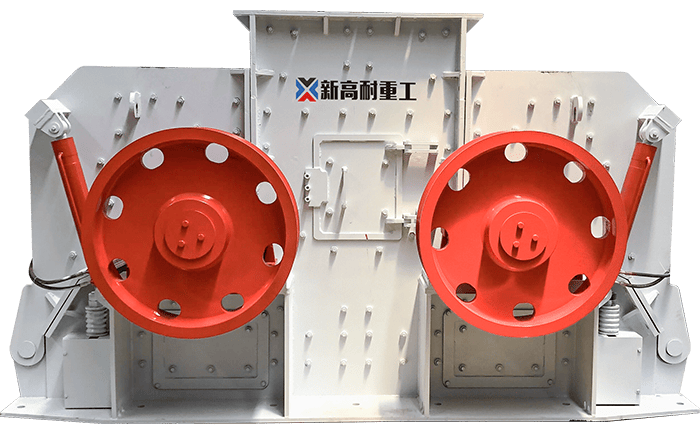
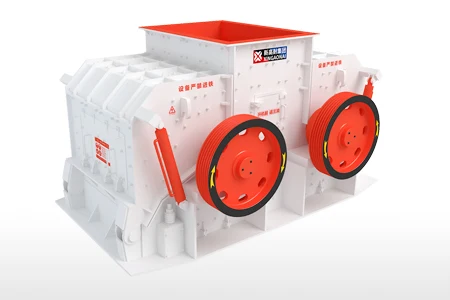
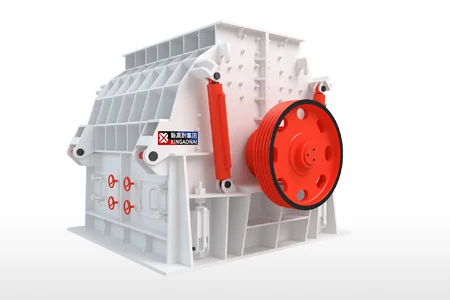
A double rotor sand making machine can be considered when a project needs higher throughput than a small single-rotor machine and the raw material is suitable for hammer-impact crushing.
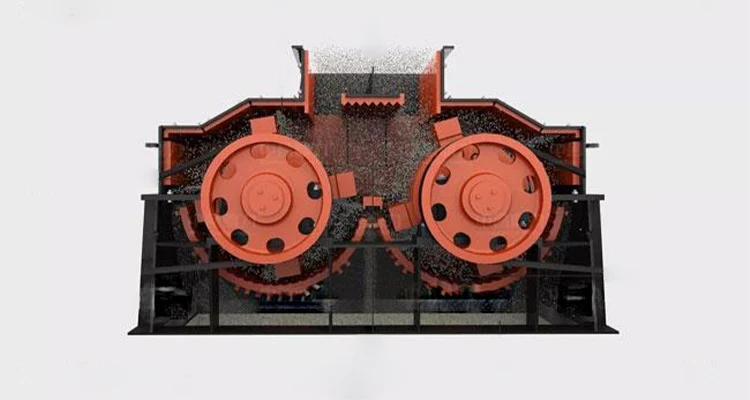
Instead of relying on one rotor, the machine uses two rotors to perform consecutive crushing stages inside the same body. Material is first impacted by the upper rotor and then enters the lower rotor area for additional crushing. Particles that reach the required size pass through the grate system, while larger particles remain inside the chamber for further reduction.
However, a double rotor machine is not suitable for every rock or every production line. Before requesting a quotation, the buyer should confirm the raw material, feed size, target capacity, required product sizes, moisture and abrasiveness.
This guide explains how to evaluate a double rotor sand making machine for sale, compare the available models and prepare the information needed for an accurate quotation.
What Is a Double Rotor Sand Making Machine?
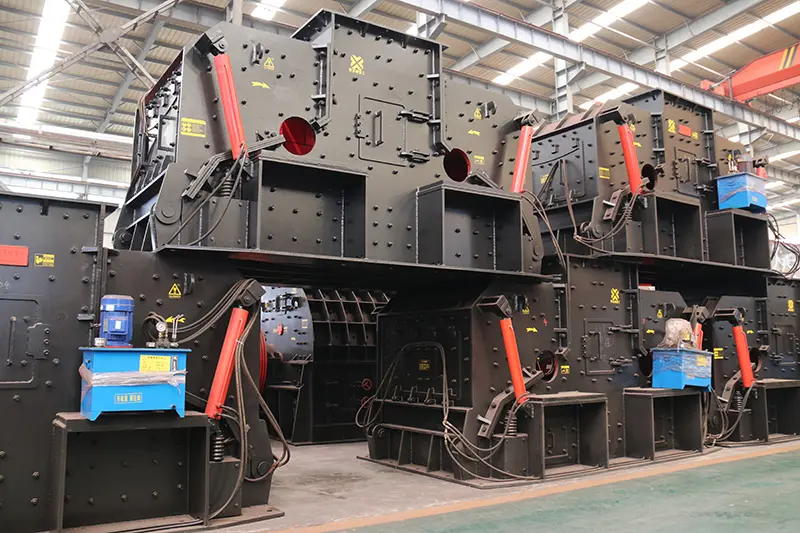
A double rotor sand making machine is a hammer-impact crushing machine equipped with two crushing rotors.
The material passes through two successive impact zones:
The upper rotor delivers the initial impact and size reduction.
The partially crushed material enters the second rotor area.
The lower rotor provides further impact and refinement.
Material continues to collide with hammers, liners and other particles.
Qualified particles pass through the grate openings.
Oversized particles remain in the chamber until they are sufficiently reduced.
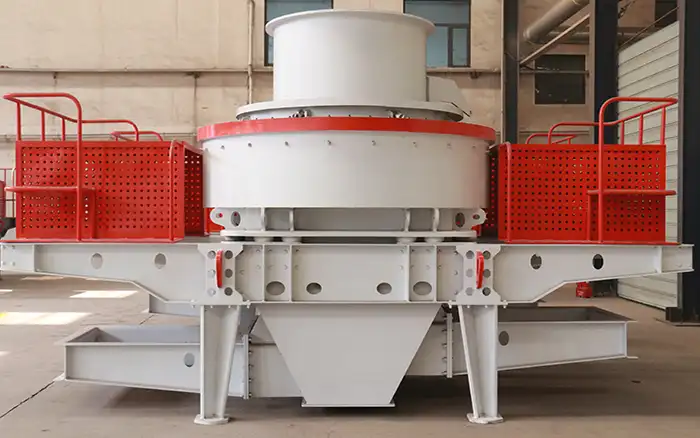
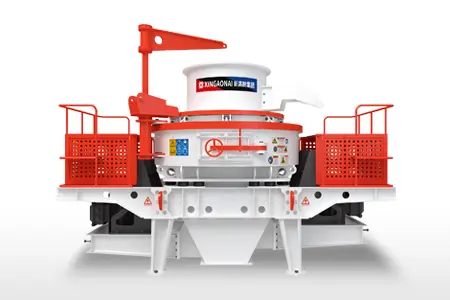
This design is intended for fine crushing and sand production from suitable brittle materials. It should not be confused with a VSI crusher, which accelerates pre-crushed material through a vertical-shaft rotor.
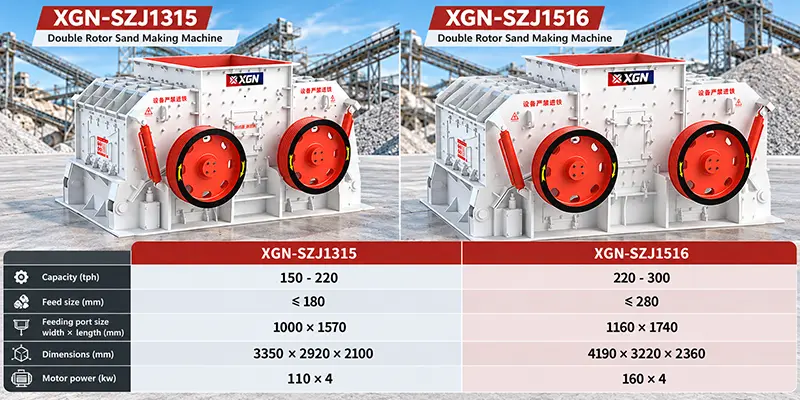
The current XINGAONAI Double Rotor Sand Making Machine range has nominal capacities of 150–300 t/h.
How Does the Double Rotor Crushing Process Work?
Stage 1: Material feeding
Material enters the crushing chamber through the feed opening. Feed size must remain within the limit of the selected model, and the feed rate should be stable.
Although the published maximum feed size is important, it should not automatically be treated as the ideal continuous feed size. A controlled feed distribution normally improves capacity and reduces impact loading.
Stage 2: Upper-rotor crushing
The upper rotor drives the hammer components through the incoming material. Impact breaks the larger particles and accelerates them toward the liner and lower crushing area.
Stage 3: Lower-rotor crushing
Material discharged from the upper crushing stage enters the lower rotor area. It undergoes further impact, collision and size reduction.
The two-stage action allows the machine to perform more crushing inside one housing than a comparable single-stage hammer arrangement.
Stage 4: Grate control
Particles small enough to pass through the grate openings leave the crushing chamber. Larger particles remain inside and continue to be crushed.
The grate configuration and the gap between the hammer heads and grate bars influence:
Discharge size
Fines generation
Circulating material inside the chamber
Capacity
Wear
Risk of blockage
Stage 5: External screening
The machine does not replace the vibrating screen.
After discharge, the material should normally be screened into the required product fractions. Oversized material can be returned according to the production-line design.
For a broader explanation of the complete process, see how a sand making machine works.
Current Models and Technical Parameters
| Model | Nominal capacity | Maximum stated feed | Feed opening | Motor configuration |
|---|---|---|---|---|
| XGN-SZJ1315 | 150–220 t/h | ≤180 mm | 1000 × 1570 mm | 4 × 110 kW |
| XGN-SZJ1516 | 220–300 t/h | ≤280 mm | 1160 × 1740 mm | 4 × 160 kW |
These figures are published equipment parameters rather than guaranteed project output.
Actual performance depends on:
Material hardness
Abrasiveness
Feed-size distribution
Moisture and clay content
Required discharge size
Grate configuration
Hammer and liner condition
Feed stability
Screening efficiency
A representative material test should be completed before final model selection.
Which Materials Are Suitable?
More suitable materials
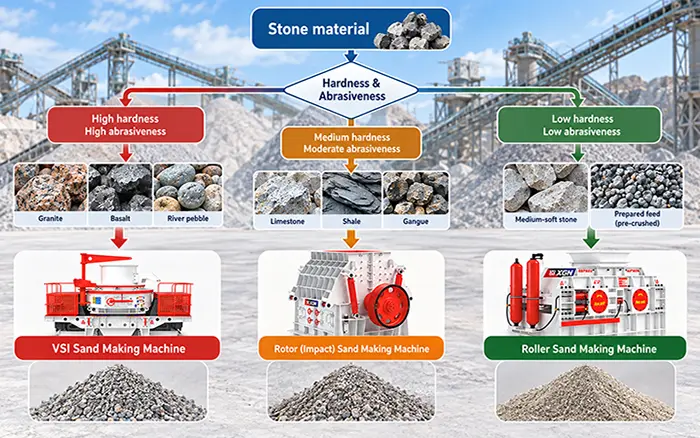
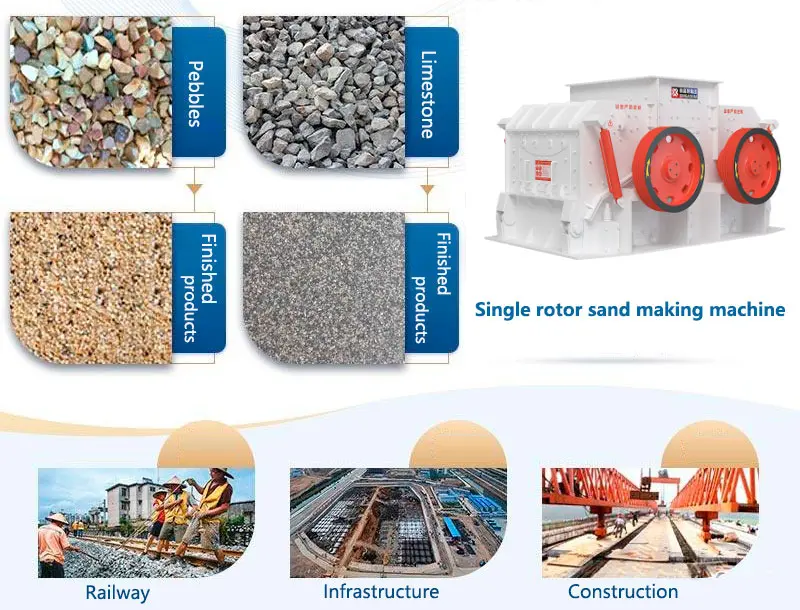
The double rotor machine is primarily intended for relatively brittle materials with acceptable abrasiveness, including:
Limestone
Bluestone
Shale
Coal gangue
Selected dolomite
Similar medium-soft or brittle stone
The precise suitability cannot be determined from the material name alone. Limestone from two deposits may have different silica content, moisture and wear characteristics.
Materials requiring testing
The following materials should be evaluated carefully before selection:
Recycled concrete
Brick waste
Clinker
Phosphate rock
Mixed quarry by-products
Selected mineral-processing feed
Contaminants such as reinforcing steel, wood, plastic and tramp metal must be removed before recycled material enters the machine.
Materials that are not the first-choice application
Highly abrasive hard rocks can cause rapid hammer, liner and grate wear, including:
Granite
Basalt
Quartzite
Diabase
Hard river pebbles
Quartz-rich ores
These materials are commonly better matched with a staged hard-rock circuit and an appropriate VSI vertical shaft impact crusher for final sand making or shaping.
Use the sand making machine selection by stone type guide when the material is not clearly within the normal double-rotor application range.
Main Advantages of a Double Rotor Machine
Two consecutive crushing stages
The upper and lower rotors perform successive crushing operations inside one machine body. This can provide the required reduction for suitable brittle material without installing two separate hammer-type machines.
It should not be described as “double crushing force,” because actual crushing performance depends on rotor configuration, motor power, feed and material behaviour.
Capacity for medium-to-large production
The current range covers 150–300 t/h, making it more suitable for continuous commercial production than a small 20–50 t/h machine.
A double rotor model may fit:
Medium and large limestone quarries
Commercial aggregate plants
Concrete-material suppliers
Cement and building-material operations
Shale or gangue crushing projects
Adjustable discharge control
The hammer-to-grate gap and grate configuration can be selected or adjusted according to the material and required discharge.
Changing the opening does not independently guarantee the final sand gradation. A downstream screen is still necessary.
Inspection access
Observation and access doors can simplify internal inspection and maintenance. Before purchasing, confirm whether the doors provide safe access to:
Hammer components
Rotor areas
Liners
Grate bars
Hammer shaft assemblies
The machine must be isolated and locked out before internal inspection.
Wear-resistant component design
The current product description includes protective sleeves around rotor components and wear-resistant sleeves around the hammer-shaft holes.
These features are intended to protect critical areas, but wear life should not be promised as a fixed number. Actual service life varies considerably with material abrasiveness and operating conditions.
Limitations to Consider Before Buying
It is not intended for every hard rock
A machine may technically break granite or basalt, but that does not mean it is the most economical option. Excessive wear can offset any initial purchase-price advantage.
Wet and sticky material can affect discharge
Clay-rich or high-moisture material may adhere to internal surfaces or block grate openings. Pre-screening, drying, blending or alternative equipment may be necessary.
Installed power is significant
Both published models use four motors. The buyer should confirm:
Available electrical supply
Transformer capacity
Starting method
Cable size
Control cabinet
Local voltage and frequency
Whether soft starters or variable-frequency equipment are included
It does not replace a complete production line
Depending on the project, supporting equipment may include:
Feed hopper
Vibrating feeder
Upstream crusher
Belt conveyors
Vibrating screen
Dust-control system
Sand washer or classifier
Finished-product conveyors
The correct crusher and sand making machine configuration should be determined from the complete material balance.
Finished-sand quality must be tested
A double rotor machine does not automatically guarantee:
Cubical sand
A specified flakiness percentage
A fixed fineness modulus
Concrete-grade material
Compliance with every international standard
Finished sand must be screened, sampled and tested according to the project specification.
Double Rotor vs Single Rotor vs VSI
| Factor | Double rotor | Single rotor | VSI |
|---|---|---|---|
| Current XGN capacity | 150–300 t/h | 20–150 t/h | 70–640 t/h |
| Feed direction | Up to 280 mm by model | Up to 700 mm by model | Up to 60 mm |
| Main mechanism | Two-stage hammer impact | Single-rotor hammer impact | High-speed vertical-shaft impact |
| Suitable material direction | Limestone, shale, gangue and similar brittle materials | Medium-soft, brittle materials | Prepared hard rock and aggregate shaping |
| Main project position | Medium/high-capacity fine crushing | Small/medium sand production | Final hard-rock sand making or shaping |
| Key selection concern | Hammer, liner and grate wear | Capacity and grate control | Feed preparation and rotor wear |
Choose a Single Rotor Sand Making Machine when production is below the practical double-rotor range and the material is suitable.
Choose a double rotor machine when the required capacity is approximately 150–300 t/h and the material is brittle with acceptable abrasiveness.
Choose a VSI when hard-rock suitability or aggregate shaping is more important than accepting a large feed size.
How to Choose Between SZJ1315 and SZJ1516
Consider SZJ1315 when:
Required machine throughput is approximately 150–220 t/h
Feed remains within the model limit
The power supply supports the listed motor configuration
Planned production does not require the larger machine
Material testing confirms suitable performance
Consider SZJ1516 when:
Required throughput is approximately 220–300 t/h
Feed-size requirements justify the larger inlet
Upstream and downstream equipment can support the higher capacity
The available power system supports four 160 kW motors
The expected demand is stable enough to justify the larger model
Do not select SZJ1516 simply because it has the higher rating. If the screen, feeder or conveyor cannot support the required flow, the larger machine will not increase complete-plant output.
For requirements above 300 t/h, evaluate:
Multiple machines
A different process layout
Alternative crushing technology
Division of output between aggregate and manufactured sand
The capacity of the complete screening circuit
Typical Position in a Production Line
A simplified limestone arrangement may be:
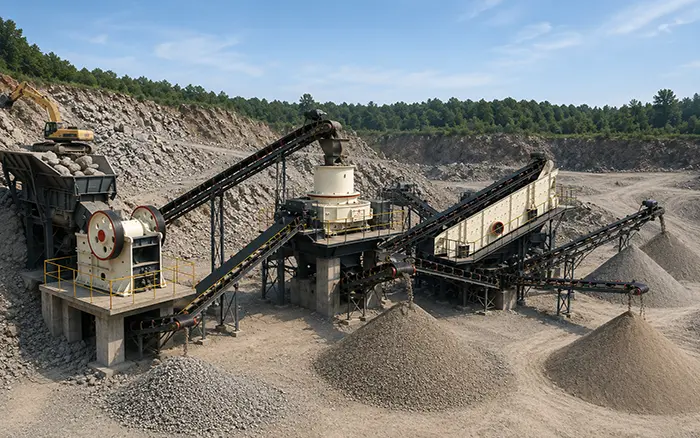
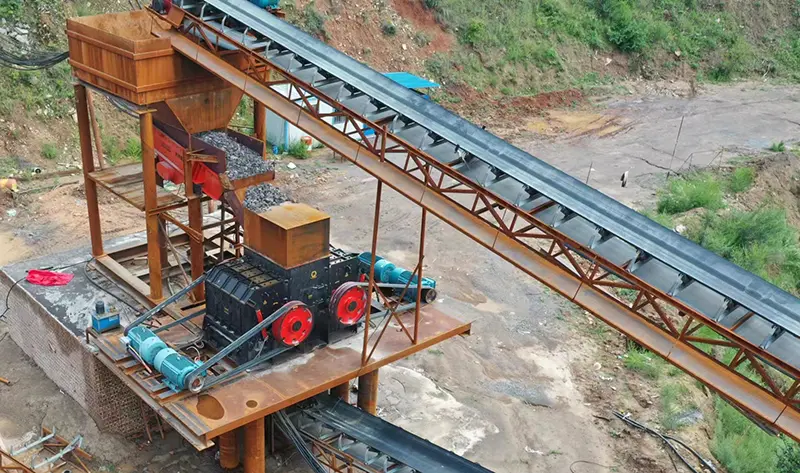
Raw material → Primary crushing → Double rotor sand making → Vibrating screen → Finished products
If the incoming limestone is already within the selected machine’s acceptable feed range, the number of upstream stages may be reduced after engineering evaluation.
The screen can divide the discharge into:
Manufactured sand
Fine aggregate
Coarse aggregate
Oversized return material
If the finished product contains excessive clay, dust or unwanted fines, additional washing or classification may be required.
For a detailed production flow, refer to the complete stone-to-sand process.
What Determines the Price?
There is no useful fixed price without project information. The final quotation can be affected by the following factors.
Machine model
SZJ1516 is larger and has a higher installed motor configuration than SZJ1315. Equipment, electrical and shipping costs will therefore differ.
Wear-part configuration
Hammer, liner, grate and protective-sleeve specifications should be selected according to the material. A harder or more wear-resistant configuration may increase purchase price but can be more appropriate for demanding feed.
Required discharge system
Different grate openings and discharge requirements may require customized components.
Motor and electrical standard
Price can vary according to:
Voltage
Frequency
Motor brand
Protection class
Starting method
Control cabinet
Local electrical certification
Supporting equipment
A machine-only quotation is different from a system quotation containing feeders, screens, conveyors and dust-control equipment.
Spare-parts package
The buyer should confirm whether the quotation includes:
Spare hammers
Grate bars
Liners
Hammer pins or shafts
Bearing-related parts
Lubrication components
Shipping and installation scope
Packaging, inland transport, ocean freight, site installation, commissioning and operator training should be listed separately.
Information Required for an Accurate Quote
Provide the following information before requesting a quotation:
Raw-material name and source
Material hardness or test report
Abrasiveness or silica information
Maximum feed size
Normal feed-size distribution
Required hourly capacity
Required finished sizes
Moisture and clay content
Operating hours per day
Project country and installation altitude
Local voltage and frequency
Existing upstream and downstream equipment
Machine-only or complete-line requirement
Required spare-parts package
A sample photograph is helpful, but it cannot replace representative material testing.
Pre-Purchase Inspection Checklist
Before placing an order, confirm:
The quoted model matches the required capacity
Feed size is within the model limit
Material suitability has been evaluated
Motor voltage and frequency match the project
Motor quantity and power are clearly listed
Grate type and opening are specified
Hammer and liner materials are identified
Access doors and safety guards are included
Machine dimensions and foundation loads are supplied
Wearing parts are itemized
Delivery scope is clearly defined
Installation and commissioning responsibilities are clear
Warranty terms appear in the written contract
Performance guarantees state test conditions
The quotation distinguishes nominal machine capacity from finished-product output
Maintenance Points Affecting Purchase Value
The lowest purchase price is not always the lowest operating cost.
Evaluate how easily the operator can:
Inspect both rotors
Replace worn hammers symmetrically
Inspect liners and grate bars
Access bearings and lubrication points
Check fastener tightness
Remove accumulated sticky material
Obtain replacement parts
Restore rotor balance after maintenance
Wear parts should be inspected according to actual condition rather than an invented universal operating-hour interval.
Conclusion
A double rotor sand making machine for sale should be evaluated as part of a complete production system rather than selected from capacity alone.
XINGAONAI currently offers two SZJ models covering 150–300 t/h. They are primarily intended for limestone, bluestone, shale, coal gangue and similar brittle materials. The two-stage rotor arrangement can support medium- to high-capacity fine crushing, while the grate system helps control machine discharge.
Before purchasing, confirm material suitability, actual feed distribution, required finished products, power supply, screening capacity and expected wear cost. An accurate quotation depends on these project details—not simply on the phrase “double rotor sand making machine price.”