A small sand making machine can be a practical choice for a quarry, construction-material producer or recycling operation that does not require the capacity of a large industrial sand plant. However, “small” should refer to the production requirement and equipment configuration—not simply the physical dimensions of the machine.
Selecting a smaller machine can reduce the initial project scale, installed power and space requirement. It does not automatically guarantee low operating costs, portability or compliant manufactured sand. Material characteristics, feed preparation, screening and wear costs remain important regardless of machine size.
This guide explains the real advantages of small sand making machines, their limitations and the information required to select an appropriate model.
What Is Considered a Small Sand Making Machine?
There is no universal capacity standard separating small, medium and large sand making machines. The definition varies between manufacturers, materials and production processes.
For practical project planning, the following ranges can be used as a preliminary reference:
| Project level | Approximate sand-making capacity | Typical application |
|---|---|---|
| Small | 20–50 t/h | Local aggregate supply, small quarry, recycling or workshop production |
| Small to medium | 50–150 t/h | Commercial sand production and regional construction projects |
| Medium | 150–300 t/h | Continuous quarry and batching-plant supply |
| Large | Above 300 t/h | Large aggregate plants and infrastructure projects |
These ranges describe the sand-making stage rather than guaranteed finished-sand output. Actual production depends on the feed material, required product size, circulating load and operating conditions.
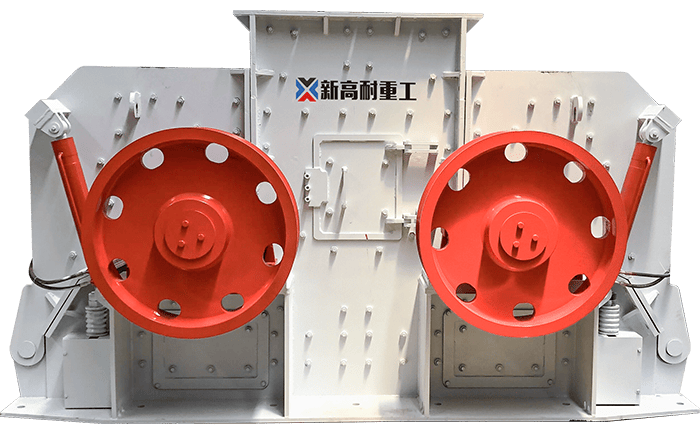
Within XINGAONAI’s current range, the smaller models of the Single Rotor Sand Making Machine provide nominal capacities of 20–40 t/h and 40–50 t/h. These models are more closely aligned with the search intent behind “small sand making machine” than the larger VSI or double-rotor models.
Main Advantages of a Small Sand Making Machine
1. Better capacity matching for small projects
A machine should be selected according to realistic demand rather than the highest possible capacity.
Installing an oversized machine in a low-demand operation may result in:
Long periods of underloaded operation
Unnecessary installed power
Higher initial investment
Oversized feeders, screens and conveyors
More expensive foundations and electrical infrastructure
A properly selected small machine can operate closer to its intended loading range while meeting the actual production target.
2. Lower initial project scale
A small sand-making unit normally requires less capital than a large-capacity model of the same machine type. The surrounding infrastructure may also be smaller, including:
Feed hopper
Supporting steel structure
Conveyor system
Electrical control equipment
Foundation
Product storage area
This can make small-scale manufactured-sand production more accessible to local quarries, construction-material businesses and operators testing a new market.
However, the complete project cost must still include feeding, screening, dust control, installation, electrical work and spare parts. The crusher purchase price alone does not represent the total investment.
3. Smaller equipment footprint
Small machines generally occupy less installation space than larger industrial models.
This can be useful when:
The existing workshop has limited floor space
The machine must be added to an existing crushing line
The project has restricted foundation space
Several product stockpiles must share a compact site
The operation is being expanded in stages
The entire production system still requires safe maintenance access and sufficient space for feeders, conveyors and screens.
4. Suitable for phased investment
A smaller production unit allows an operator to begin with a limited capacity and evaluate:
Local demand for manufactured sand
Actual wear-part consumption
Material response during crushing
Finished-product acceptance
Production and maintenance costs
Seasonal changes in demand
If demand increases, the operator can evaluate adding another production unit or upgrading the wider plant.
Expansion should be planned in advance. The existing screen, conveyors and power supply must have sufficient capacity if another machine is added later.
5. Simpler maintenance on suitable machine types
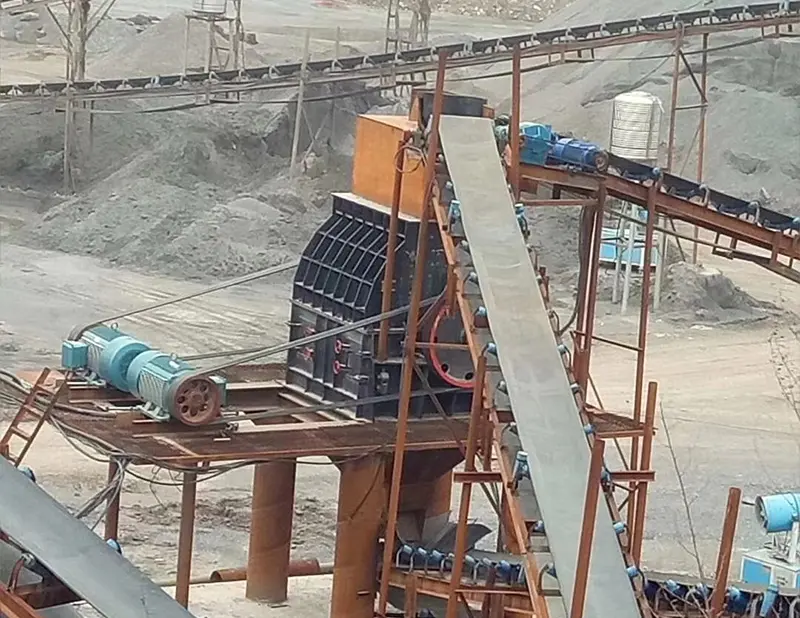
Some small single-rotor and roller machines have relatively straightforward mechanical structures. This may simplify routine inspection and replacement of wear parts.
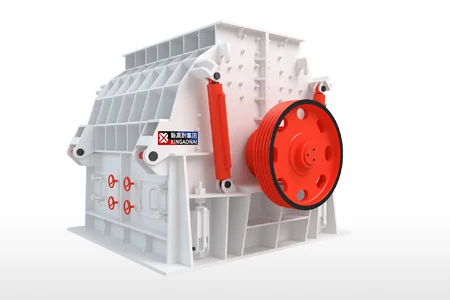
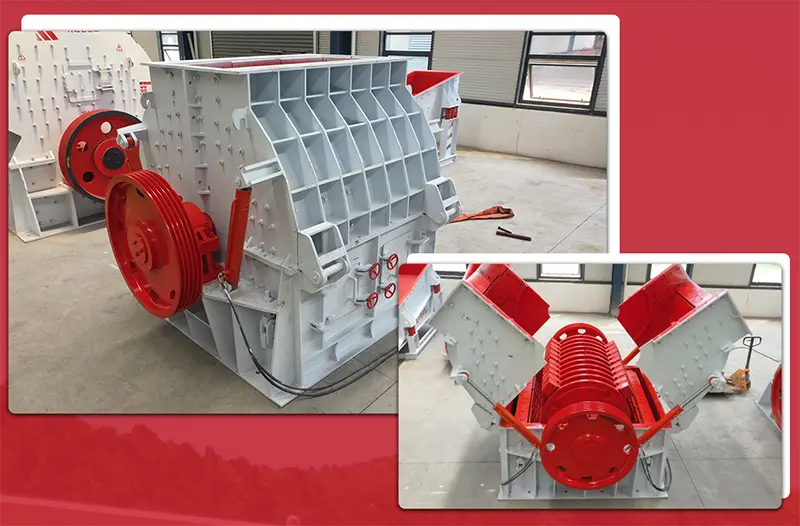
For example, the PCK single-rotor design uses:
One reversible rotor
Replaceable hammer components
Adjustable grate bars
An adjustable hammer-to-grate gap
Accessible liners and internal wear parts
A simpler machine does not mean maintenance can be ignored. Rotor balance, bearing lubrication, hammer wear, grate condition and fastener tightness must still be checked regularly.
6. Useful for local raw materials and quarry by-products
A small sand maker can process appropriately sized material that might otherwise have limited value, including:
Limestone quarry screenings
Selected shale or gangue
Dolomite or bluestone
Clean recycled concrete fractions
Oversized material returned from screening
Material suitability must be confirmed first. Excessive clay, metal, wood, plastic or highly abrasive minerals can reduce performance and increase wear.
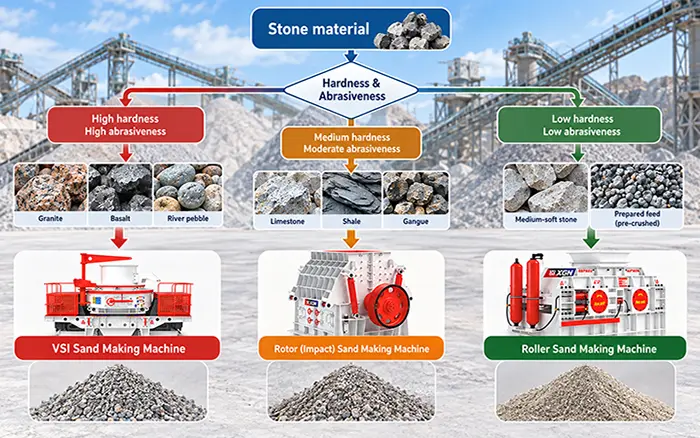
For guidance on matching equipment to the source rock, see sand making machine selection by stone type.
7. Easier integration into an existing plant
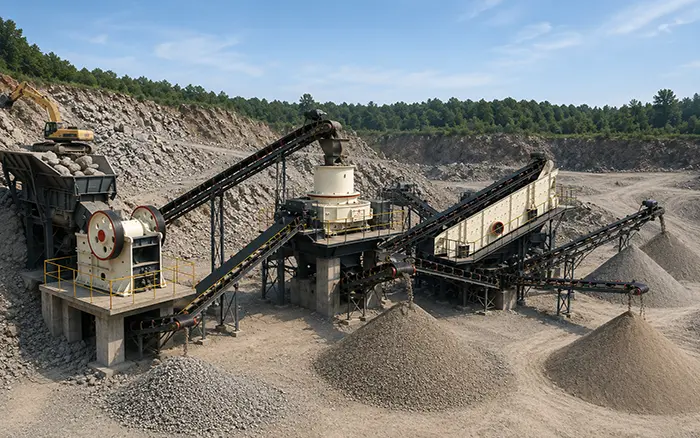
A small sand-making unit can sometimes be installed as an additional fine-crushing stage in an existing aggregate plant.
Possible objectives include:
Processing surplus coarse screenings
Increasing the manufactured-sand fraction
Producing an additional 0–5 mm product
Reducing the amount of unsold quarry by-product
Testing a new sand specification
Before installation, the operator should verify whether the existing screen, dust-control system and conveyors can handle the additional material.
Important Limitations of Small Sand Making Machines
The advantages of smaller equipment should not be overstated. A small machine is not appropriate for every project.
Limited capacity
A 20–40 t/h machine cannot support a plant that requires 150 t/h of finished sand. Running a small machine continuously above its intended capacity can increase wear, cause blockages and make product quality unstable.
Not suitable for every stone
A small hammer-type machine may be suitable for limestone, shale or coal gangue but may be uneconomical for highly abrasive granite, basalt or quartzite.
Hard-rock sand production generally requires staged crushing and suitable final-stage equipment, even when the required hourly capacity is relatively low.
A complete line still needs auxiliary equipment
The sand maker normally does not replace:
Feeding equipment
Primary or secondary crushers
Vibrating screens
Belt conveyors
Dust collection
Washing or classification equipment
Electrical controls
The required configuration depends on the feed and finished product. See the stone crusher and sand making machine configuration guide for complete-line planning.
Small does not automatically mean portable
A fixed small machine can be easier to transport than a large machine, but it is not automatically a mobile plant.
Frequent relocation requires a properly designed:
Skid-mounted structure
Trailer or mobile chassis
Integrated feeder
Conveyor arrangement
Electrical connection system
Safety access platform
Do not describe a standard stationary machine as portable unless the supplied configuration genuinely supports relocation.
Product quality is not guaranteed by machine size
The finished product depends on:
Raw material quality
Feed-size consistency
Machine settings
Wear condition
Screening accuracy
Recirculating load
Fines classification
Washing requirements
A small machine can produce a suitable product only when the complete system is correctly configured and the sand is tested against the required specification.
Which Type of Small Sand Making Machine Should You Choose?
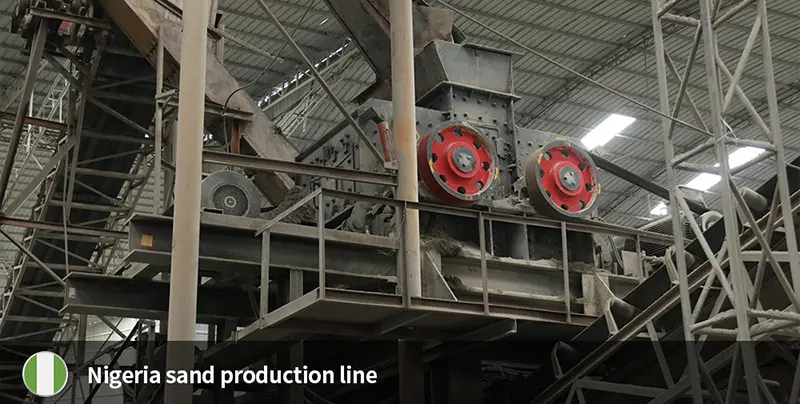
Single-rotor sand making machine
A single-rotor machine is the primary option for XINGAONAI’s small-capacity range.
Current product range:
Capacity: 20–150 t/h
Maximum stated feed size: up to 700 mm
Suitable direction: limestone, shale, coal gangue, gypsum, dolomite and similar medium-soft brittle materials
The smaller PCK models include:
| Model | Nominal capacity |
|---|---|
| PCK0808 | 20–40 t/h |
| PCK1010 | 40–50 t/h |
| PCK1013 | 60–80 t/h |
The actual acceptable feed should be confirmed according to the selected model, material characteristics and required discharge size. The maximum published feed value should not automatically be treated as the preferred continuous feed size.
A single-rotor machine may be suitable when:
Capacity demand is below approximately 80 t/h
Material is brittle and not highly abrasive
A relatively simple structure is preferred
Adjustable grate control is appropriate
The project requires a lower-capacity fixed installation
Roller sand making machine
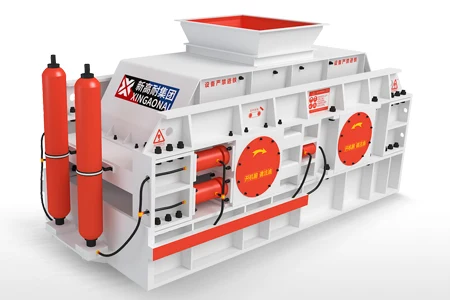
The Roller Sand Making Machine uses compression between counter-rotating rollers.
Current product range:
Capacity: 50–300 t/h
Maximum stated feed size: up to 40 mm
Suitable direction: medium-hard or softer prepared material
The smallest listed model has a nominal capacity of 50–80 t/h, placing it at the boundary between small and medium production.
It may be considered when:
Feed has already been reduced to a suitable size
The material is not highly abrasive
An adjustable roller gap is useful
The plant needs approximately 50–80 t/h
Compression crushing is preferred over hammer impact
It should not be selected for highly abrasive granite or quartzite without careful wear evaluation.
VSI sand making machine
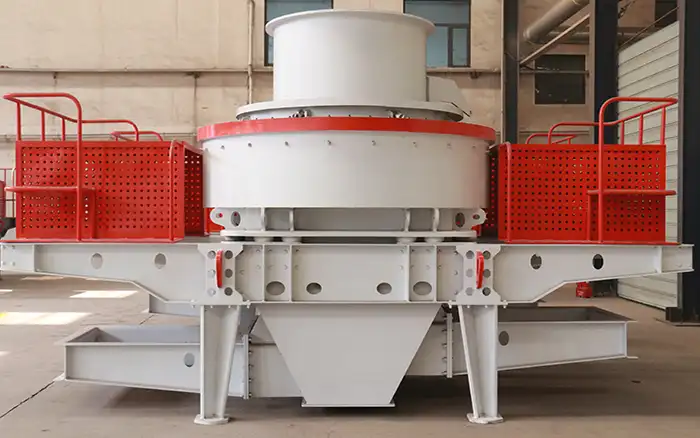
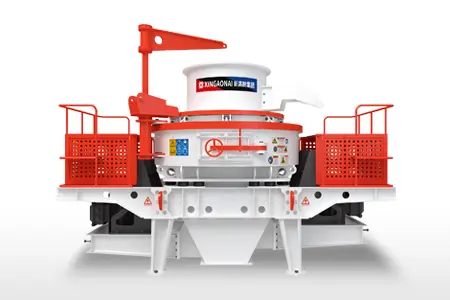
A VSI Vertical Shaft Impact Crusher is more suitable for hard-rock sand making and aggregate shaping.
The current product range begins at approximately 70 t/h under center-feeding conditions, so it should not automatically be classified as a small sand maker.
A VSI may still be the correct choice when:
The feed is granite, basalt, diabase or river pebble
Particle shaping is important
Feed has already been reduced to the VSI limit
The required capacity justifies the machine
Wear costs have been evaluated
The project should not use a small hammer machine merely to obtain a lower purchase price when the material requires a VSI.
Double-rotor sand making machine
The current double-rotor range is approximately 150–300 t/h. It is therefore not a primary recommendation for a page targeting small sand making machines.
It may be considered only when the project’s capacity has grown beyond the small-equipment range.
Quick Selection Table
| Requirement | More suitable direction |
|---|---|
| 20–40 t/h limestone or shale | Small single-rotor model |
| 40–50 t/h brittle, low-abrasion material | Single-rotor model |
| 50–80 t/h prepared medium-soft feed | Single-rotor or roller machine |
| Granite or basalt requiring shaping | VSI after upstream crushing |
| Feed above the machine limit | Add upstream crushing |
| Wet or clay-rich material | Pre-screen, clean or test before selection |
| Frequent relocation | Purpose-designed mobile or skid-mounted system |
| More than 150 t/h continuous demand | Evaluate medium or large production equipment |
Where Small Sand Making Machines Are Most Useful
Small limestone quarries
A small single-rotor machine can process suitable limestone feed into fine aggregate or manufactured-sand fractions. The quarry must still evaluate moisture, clay and abrasiveness.
Local construction-material suppliers
A lower-capacity plant can supply local concrete, mortar or paving-material producers when demand does not justify a large centralized plant.
Finished sand must be tested before it is sold for a specified construction application.
Existing aggregate plants
A small machine can process selected screening returns or surplus fine aggregate without replacing the main crushing line.
Construction-waste recycling
Clean, sorted concrete may be processed into recycled fine aggregate. Reinforcing steel, wood, soil and other contaminants must be removed before the material enters the machine.
Product and market testing
A smaller unit can help evaluate a new source material or regional sand market before a larger expansion. Representative production testing is still required.
How to Select the Correct Model
1. Confirm the material
Provide:
Rock or recycled-material type
Hardness
Abrasiveness
Moisture
Clay content
Bulk density
2. Confirm the feed
Specify:
Maximum feed size
Normal feed-size distribution
Hourly feed quantity
Percentage of fines
Presence of contaminants
3. Define the finished product
The supplier needs to know:
Required particle sizes
Required gradation
Intended application
Acceptable fines content
Particle-shape requirements
4. Calculate the real capacity requirement
Do not select a machine only from the expected daily sales volume.
Consider:
Operating hours per day
Planned maintenance time
Seasonal demand
Screen efficiency
Circulating material
Required finished-product yield
For example, a project requiring 200 tonnes of finished sand per day does not necessarily need a 25 t/h machine if it operates for only five effective hours.
5. Evaluate total operating cost
Compare:
Power consumption
Wear-part consumption
Lubrication
Labour
Maintenance time
Screen and conveyor requirements
Finished-product yield
Unplanned downtime
A smaller machine may have a lower total power rating but does not always have a lower cost per tonne.
6. Test representative material
A material test can help confirm:
Actual throughput
Discharge-size distribution
Fines production
Wear behaviour
Need for recirculation
Suitability for the intended sand product
Common Purchasing Mistakes
Choosing the smallest machine only to reduce price
If the selected machine cannot meet the required capacity, it may operate continuously under overload and create a production bottleneck.
Ignoring raw-material abrasiveness
A low-capacity project can still have severe wear if it processes granite, basalt or quartz-rich material.
Assuming the machine produces saleable sand by itself
Screening and classification are necessary to control finished-product size. Washing or dust separation may also be required.
The complete stone-to-sand process explains how the sand-making stage works with the rest of the plant.
Selecting from motor power alone
Motor power does not determine material suitability, finished-product quality or actual plant capacity.
Believing every small machine is mobile
Mobility must be designed into the supporting chassis, conveyors, feed system and electrical installation.
Expecting an immediate return on investment
Profitability depends on local sand prices, raw-material cost, utilisation rate, wear cost and market demand. A small purchase price does not guarantee a quick return.
Conclusion
The main advantage of a small sand making machine is not simply that it is cheaper or physically smaller. Its real value is the ability to match a limited production requirement without installing an unnecessarily large system.
For suitable limestone, shale, coal gangue and similar brittle materials, a small single-rotor machine can provide a practical 20–50 t/h starting point. A roller machine may suit prepared medium-soft feed at approximately 50–80 t/h, while hard and abrasive material may still require a VSI and staged crushing even when project capacity is relatively low.
The final selection should be based on material testing, feed size, finished-product requirements and total operating cost. Correctly sized equipment can reduce unnecessary investment, but only a properly configured production system can deliver stable manufactured-sand quality.