The river pebble crushing production line shown in this video is configured to process 200 tonnes of river pebble per hour through a multi-stage crushing and screening circuit that reduces the raw feed material to finished aggregate products across a range of size fractions. At 200 TPH, this plant represents a medium-to-large scale aggregate production capacity suited to regional concrete supply operations, infrastructure construction material supply, and high-volume road construction aggregate requirements.
The production circuit visible in operation throughout the video includes the following key stages and equipment:
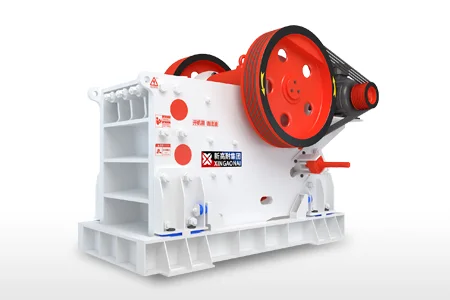
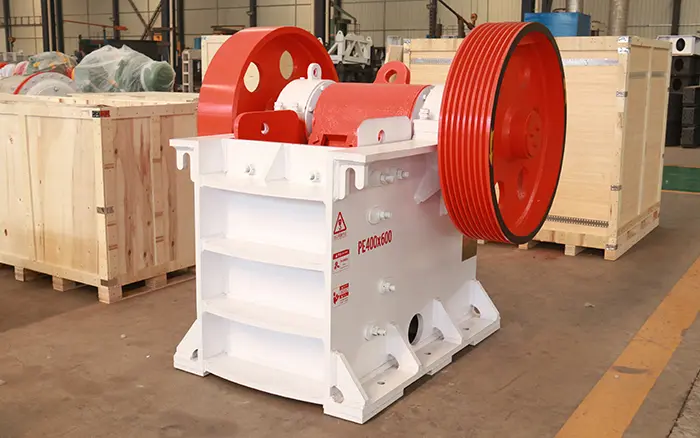
Primary Crushing — Jaw Crusher: The raw river pebble feed, which may include material up to several hundred millimeters in maximum dimension, is reduced in the primary jaw crusher to a manageable size suitable for secondary processing. The jaw crusher shown in operation handles the high compressive strength and abrasive nature of river pebble effectively, with robust frame construction and high-manganese jaw dies providing the combination of structural integrity and wear resistance required for this duty. The primary crusher operates in open circuit, with all crusher output passing to the secondary stage without pre-screening.
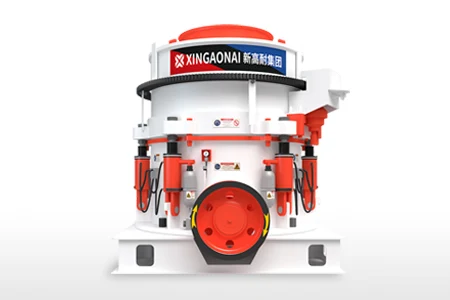
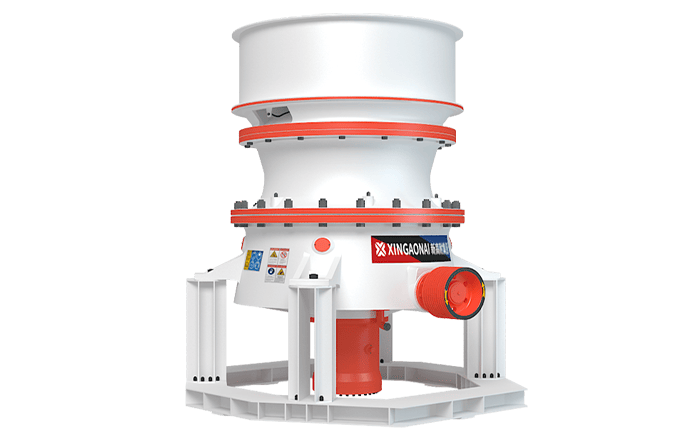
Secondary and Tertiary Crushing — Cone Crusher: The primary crushed product is fed to a cone crusher for secondary and, in some configurations, tertiary reduction. The cone crusher is particularly well matched to river pebble crushing because its compressive crushing action and choke-fed operating mode produce a well-shaped, cubical product particle, and its robust eccentric and mantle design can sustain continuous operation against hard, abrasive pebble feed without excessive wear rates. The video shows the cone crusher operating under full choke-feed conditions, which is the optimal operating mode for both product shape and energy efficiency.
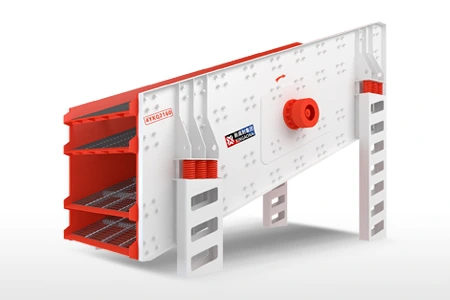
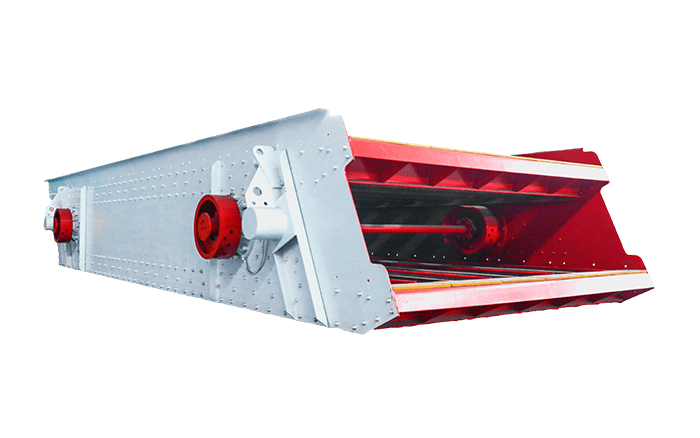
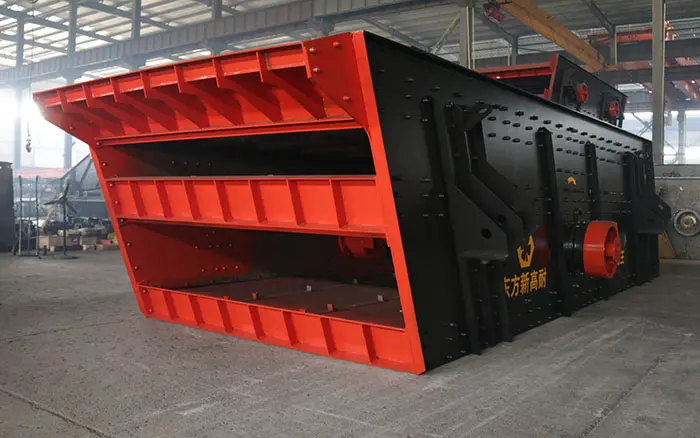
Vibrating Screen Classification: Between and after the crushing stages, multi-deck vibrating screens classify the crushed material into the required product size fractions. The screens shown in operation in this video handle the full 200 TPH throughput of the circuit, separating the crushed river pebble into finished aggregate products — typically including coarse aggregate fractions of 20–40 mm and 10–20 mm, a fine aggregate fraction of 5–10 mm, and manufactured sand passing 5 mm — while returning oversized material to the appropriate crushing stage for further reduction in a closed-circuit configuration.
Material Handling Conveyors: The crushing and screening equipment shown in the video is connected by a system of belt conveyors that transport material between process stages, carry finished products to stockpile positions, and return oversize fractions from the screens back to the crushers. The conveyor system layout visible in the video reflects a well-engineered plant design that minimizes re-handling, maintains consistent material flow, and supports the rated 200 TPH throughput without bottlenecks.
Dust Suppression: Operating a river pebble crushing plant at 200 TPH generates significant airborne dust, particularly at transfer points, screen decks, and crusher discharge points. The dust suppression measures visible in the video — water spray systems at key dust generation points — reflect the environmental management requirements of responsible aggregate plant operation and demonstrate compliance with the site's environmental operating conditions.