

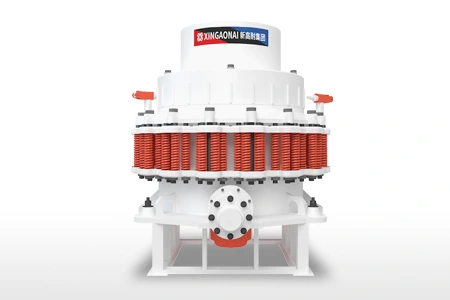
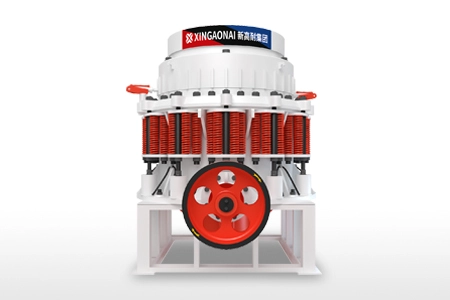
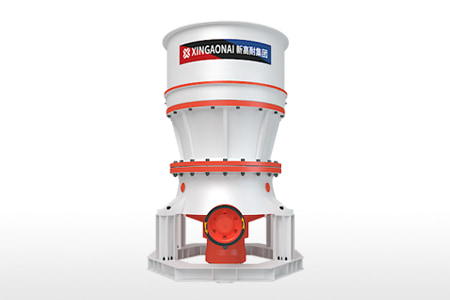
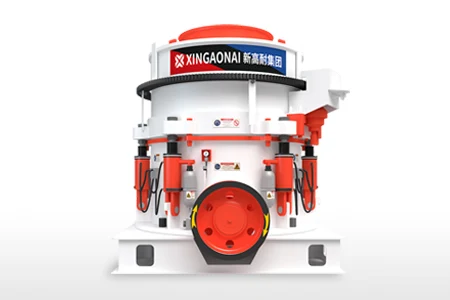
A secondary cone crusher is a specialized industrial crushing equipment designed for secondary crushing processes, where it reduces pre-crushed materials (from primary crushers like jaw crushers) into finer, uniform aggregates. As a key component in crushing production lines, the secondary cone crusher is widely used in mining, construction, aggregate processing, and cement industries, delivering high-efficiency, high-quality crushing for a wide range of materials—including hard rocks, ores, and construction waste. Unlike primary crushers, which handle large, bulky materials, the secondary cone crusher is engineered to process smaller feed sizes, producing consistent particle sizes that meet the strict requirements of downstream applications.
The secondary cone crusher’s unique design—featuring a rotating cone within a fixed concave—enables it to deliver precise, uniform crushing with minimal wear and tear, even when processing abrasive materials. Its ability to adjust the discharge size easily, combined with its high throughput and low energy consumption, makes the secondary cone crusher an indispensable piece of equipment in modern crushing operations. Below is a comprehensive guide to the secondary cone crusher, covering its working principle, core features, types, applications, and maintenance best practices.
Working Principle of a Secondary Cone Crusher
The secondary cone crusher operates on the principle of compression and crushing between a rotating cone (mantle) and a fixed concave (liner). The core mechanism is simple yet efficient, ensuring consistent and precise particle size reduction:
When pre-crushed materials (from primary crushers) enter the crushing chamber of the secondary cone crusher, they fall between the rotating mantle and the fixed concave. The mantle is driven by an eccentric shaft, which causes it to rotate in a circular motion—moving closer to and farther from the concave alternately. As the mantle rotates, materials are compressed and crushed between the two surfaces, gradually reducing in size until they are small enough to pass through the discharge gap at the bottom of the crushing chamber.
The discharge size of the secondary cone crusher is adjustable by modifying the gap between the mantle and the concave. A smaller gap produces finer aggregates, while a larger gap generates coarser particles, allowing operators to tailor the output to meet specific project requirements. The secondary cone crusher’s crushing chamber is designed to minimize material slipping and ensure uniform crushing, reducing the formation of oversized particles and improving overall efficiency.
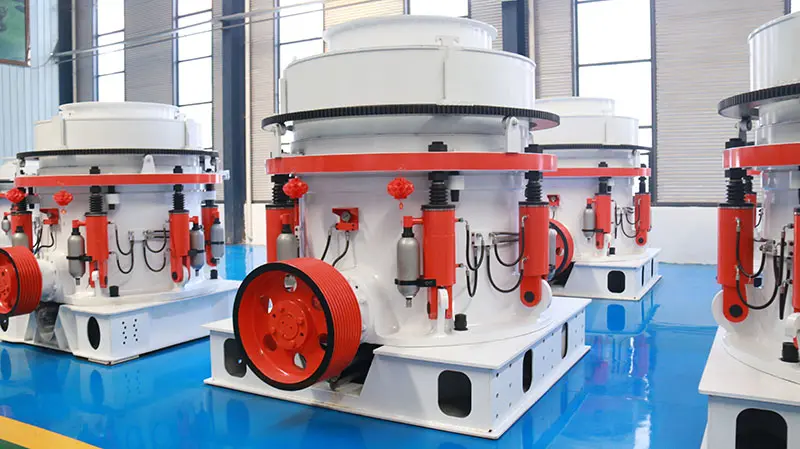
Core Features of a Secondary Cone Crusher
The secondary cone crusher is distinguished by a set of core features that make it ideal for secondary crushing applications, balancing efficiency, durability, and versatility:
1. High Crushing Efficiency
Secondary cone crushers are engineered with optimized crushing chamber designs and high rotational speeds, enabling them to process large volumes of pre-crushed materials quickly. The compression-based crushing mechanism ensures that materials are crushed uniformly, reducing the need for reprocessing and improving overall production efficiency.
2. Adjustable Discharge Size
One of the key advantages of a secondary cone crusher is its adjustable discharge gap, which allows operators to fine-tune the particle size of the final product. This flexibility makes the secondary cone crusher suitable for a wide range of applications, from producing aggregates for concrete to manufacturing fine powders for the cement industry.
3. Durable and Wear-Resistant
Secondary cone crushers are built with robust components, including wear-resistant mantles and concaves (typically made from manganese steel or alloy steel), which can withstand the abrasion of hard, sharp materials. The heavy-duty frame and eccentric shaft are designed to handle high loads and vibration, ensuring long-term reliable operation in harsh industrial environments.
4. Low Energy Consumption and Noise
Compared to other secondary crushing equipment, the secondary cone crusher consumes less energy per ton of material processed. Its enclosed design and vibration-damping components also reduce operational noise, creating a safer and more comfortable working environment for operators.
5. Easy Operation and Maintenance
Modern secondary cone crushers feature user-friendly controls, including hydraulic adjustment systems for the discharge gap, making operation simple even for inexperienced operators. The modular design of key components (such as mantles and concaves) allows for quick and easy replacement, minimizing downtime and reducing maintenance costs.
Common Types of Secondary Cone Crushers
Secondary cone crushers are available in various types, each designed for specific secondary crushing applications, material types, and production requirements. The most common types include:
1. Standard Cone Crusher (Symons Cone Crusher)
The standard cone crusher (also known as the Symons cone crusher) is the most widely used type of secondary cone crusher. It features a steep crushing chamber and high rotational speed, making it ideal for crushing hard rocks and ores into medium to fine aggregates. The standard cone crusher is suitable for mining, aggregate processing, and construction applications where high efficiency and uniform particle size are required.
2. Short Head Cone Crusher
The short head cone crusher has a shorter, flatter crushing chamber compared to the standard cone crusher. It is designed for fine secondary crushing, producing aggregates with a smaller, more uniform particle size. The short head cone crusher is commonly used in cement plants, asphalt mixing plants, and high-grade aggregate production lines, where fine, consistent particles are essential.
3. Hydraulic Cone Crusher
The hydraulic cone crusher is equipped with a hydraulic adjustment system and overload protection, making it more efficient and reliable than traditional cone crushers. The hydraulic system allows for quick adjustment of the discharge gap and automatic clearing of blockages (when uncrushable materials enter the chamber), reducing downtime and improving operational safety. Hydraulic secondary cone crushers are ideal for heavy-duty applications, including mining and large-scale aggregate processing.
4. Compound Cone Crusher
The compound cone crusher combines the features of standard and short head cone crushers, offering both medium and fine crushing capabilities. It has a adjustable crushing chamber that can be modified to suit different material types and output requirements, making it a versatile choice for secondary crushing in various industries.
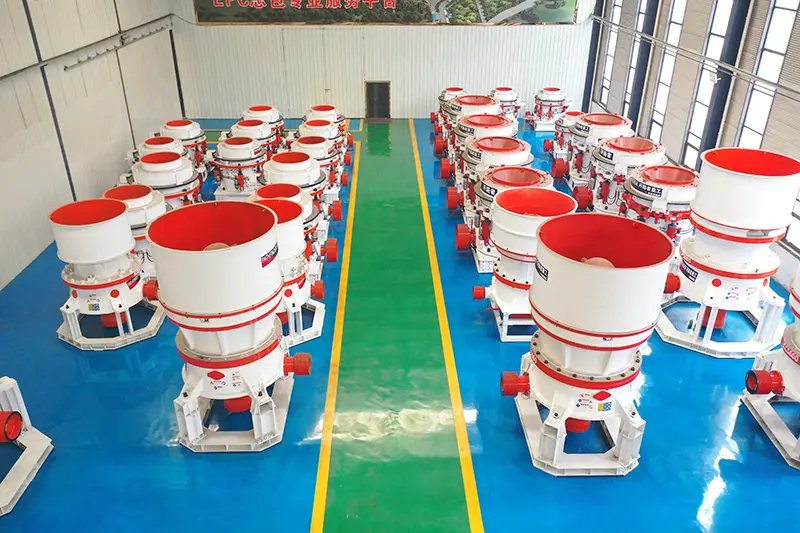
Industrial Applications of Secondary Cone Crushers
Secondary cone crushers are widely used in industries that require secondary crushing of pre-crushed materials into finer aggregates. Their versatility and efficiency make them suitable for a range of applications, including:
1. Mining and Mineral Processing
In mining operations, secondary cone crushers are used to crush ores (such as gold, copper, iron, and limestone) that have been pre-crushed by primary jaw crushers. The secondary cone crusher reduces the ore into smaller particles, making it easier to process in downstream equipment (such as ball mills and flotation machines) for mineral extraction.
2. Aggregate Production
Aggregate plants rely on secondary cone crushers to produce high-quality aggregates for concrete, asphalt, and road construction. The secondary cone crusher processes pre-crushed rock (from primary crushers) into uniform, graded aggregates that meet the strict quality standards of the construction industry.
3. Construction and Demolition Waste Processing
In construction and demolition (C&D) waste processing, secondary cone crushers are used to crush concrete, brick, and stone waste into reusable aggregates. These aggregates are used for road base, backfill material, and concrete mixing, promoting environmental sustainability and reducing waste disposal costs.
4. Cement and Building Materials Industry
Cement plants use secondary cone crushers to crush limestone, clinker, and other raw materials into fine particles for cement production. The uniform particle size produced by the secondary cone crusher ensures consistent quality in the final cement product.
5. Road and Highway Construction
In road and highway construction, secondary cone crushers are used to produce aggregates for asphalt and concrete pavements. The fine, uniform aggregates produced by the secondary cone crusher improve the strength and durability of road surfaces, ensuring long-term performance.
Maintenance Best Practices for Secondary Cone Crushers
Proper maintenance of a secondary cone crusher is essential to extend its service life, reduce downtime, and ensure optimal performance. Follow these maintenance best practices:
1. Regular Inspection
Conduct daily visual inspections of the secondary cone crusher to check for signs of wear, damage, or loose components. Inspect the mantle, concave, eccentric shaft, and hydraulic system for leaks, cracks, or excessive wear. Conduct weekly detailed inspections to measure the wear of key components and check the lubrication system.
2. Lubrication
Keep the secondary cone crusher’s moving components (such as the eccentric shaft, bearings, and gears) properly lubricated using the manufacturer-recommended lubricant. Regular lubrication reduces friction and wear, prevents overheating, and extends the service life of the components. Check the lubricant level and quality daily, and replace the lubricant at the recommended intervals.
3. Replacement of Wear Parts
Replace worn mantles, concaves, and other wear parts before they become too damaged to function effectively. Delayed replacement can lead to reduced crushing efficiency, poor product quality, and damage to other components of the secondary cone crusher. Keep spare wear parts on hand to minimize downtime during replacement.
4. Cleanliness
Keep the secondary cone crusher clean of material buildup, dust, and debris. Use a brush, air compressor, or low-pressure water to clean the crushing chamber, discharge chute, and other components. Buildup can cause blockages, increase wear, and reduce the crusher’s efficiency.
5. Proper Operation
Operate the secondary cone crusher within the manufacturer’s recommended parameters, including feed size, throughput, and rotational speed. Avoid overloading the crusher, as this increases the load on the components and accelerates wear. Ensure the feed material is properly pre-crushed to avoid damaging the crusher.
Conclusion
A secondary cone crusher is a vital piece of equipment in modern crushing production lines, designed to deliver efficient, uniform secondary crushing of pre-crushed materials into finer aggregates. Its unique working principle, core features, and versatile types make it suitable for a wide range of industrial applications, from mining and aggregate production to construction and cement manufacturing.