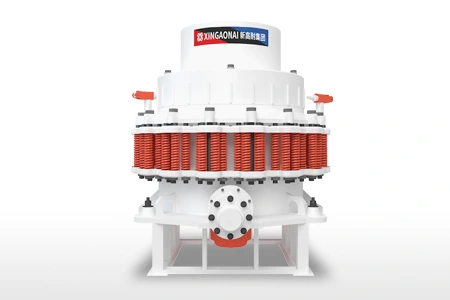
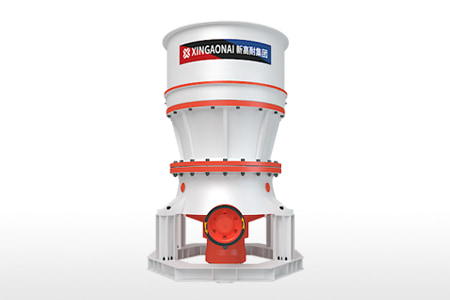
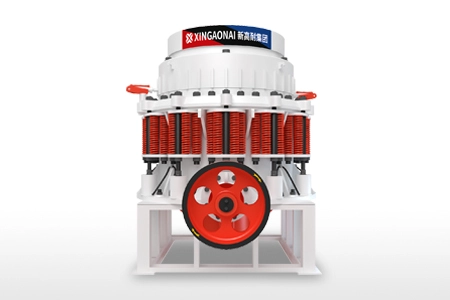
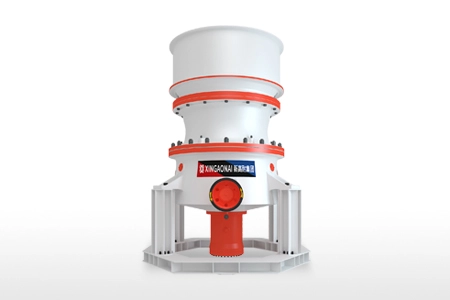
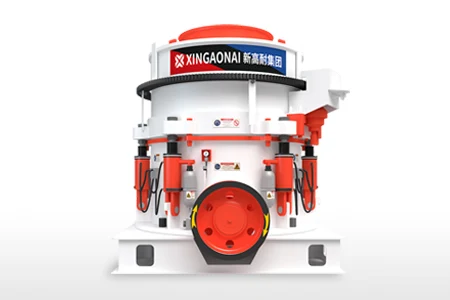
Multi-cylinder hydraulic cone crushers are the backbone of high-capacity crushing operations in mining, aggregate, and construction industries. Their advanced multi-cylinder design delivers superior crushing efficiency, uniform particle size, and stable performance—yet like all heavy machinery, they require timely cone crusher repair when malfunctions arise. Neglecting issues can lead to costly downtime, reduced productivity, and irreversible component damage. Below is a comprehensive guide to common multi-cylinder hydraulic cone crusher problems, step-by-step repair processes, and preventive maintenance to minimize future cone crusher repair needs.
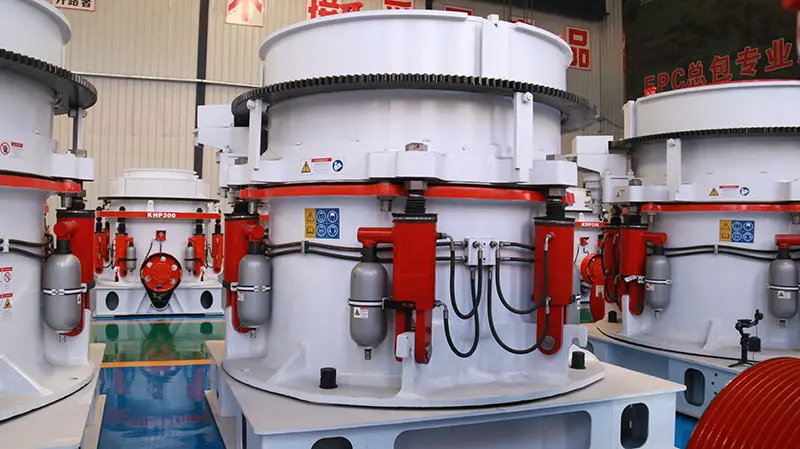
The multi-cylinder hydraulic system’s complexity, combined with heavy loads and abrasive materials, makes specific issues more prevalent. Here are the top problems that demand professional cone crusher repair:
The multi-cylinder hydraulic system is critical for adjusting the discharge port and absorbing impact loads. Leaks (from worn seals, cracked hoses, or loose fittings) and pressure fluctuations are frequent issues. Signs include inconsistent crushing force, slow discharge port adjustment, and visible oil seepage.
Repair Steps:
Shut down the crusher, relieve hydraulic pressure, and lock out the power supply for safety.
Inspect all hydraulic hoses, cylinders, and seals for cracks, wear, or deformation—pay extra attention to multi-cylinder connection points.
Replace damaged OEM-compatible seals, hoses, or fittings; tighten loose connections to manufacturer-specified torque.
Refill the hydraulic system with the recommended oil grade (e.g., ISO VG 46) and bleed air to ensure smooth operation.
Test pressure levels (typically 15-25 MPa for multi-cylinder models) and monitor for leaks during low-load operation.
The eccentric bushing drives the crusher’s crushing motion; excessive wear or seizure (caused by insufficient lubrication, contaminated grease, or misalignment) disrupts operation. Symptoms include abnormal vibration, loud noise, and uneven product size.
Repair Steps:
Disassemble the crusher’s upper frame to access the eccentric bushing.
Clean the bushing and shaft with kerosene to remove dirt, metal particles, or degraded grease.
Inspect for wear patterns, pitting, or deformation—replace the bushing if wear exceeds 0.5mm.
Realign the shaft and bushing to ensure concentricity; apply high-temperature lithium-based grease (filling 1/3-1/2 of the bushing’s void volume).
Reassemble components and run a test cycle to check for smooth operation.
Multi-cylinder hydraulic cone crushers rely on hydraulic pressure to adjust the discharge port; failures often stem from sensor errors, valve blockages, or cylinder damage. This leads to inability to change product size or inconsistent output.
Repair Steps:
Calibrate the discharge port sensor to ensure accurate readings.
Inspect the hydraulic valve block for clogs—clean with diesel fuel and replace damaged valves.
Check multi-cylinder synchronization: ensure all cylinders extend/retract uniformly; adjust hydraulic flow if needed.
Test the adjustment mechanism by cycling through different discharge port settings (e.g., 10-30mm) to verify responsiveness.

Crushing liners (fixed and movable cones) endure constant abrasion; loosening (from worn bolts) or excessive wear reduces crushing efficiency and risks component damage.
Repair Steps:
Power off the crusher and remove residual material from the crushing chamber.
Inspect liner thickness—replace when wear exceeds 50% of the original thickness (use wear-resistant high manganese steel liners for multi-cylinder models).
Tighten liner bolts to the recommended torque (typically 350-450 N·m) and install lock washers to prevent loosening.
Ensure liners are properly aligned to avoid uneven wear during future operation.
Inadequate lubrication (from clogged filters, low oil levels, or pump malfunctions) causes overheating of bearings and moving parts. For multi-cylinder models, poor lubrication can damage both mechanical and hydraulic components.
Repair Steps:
Inspect the lubrication pump, filters, and pipelines for clogs or leaks.
Replace dirty filters and refill with the recommended lubricant (e.g., ISO VG 68 gear oil).
Test the lubrication system’s pressure and flow rate to ensure all critical parts (bearings, eccentric bushing, multi-cylinder joints) receive sufficient lubrication.
Install a backup lubrication alarm to alert operators of low oil levels or pump failures.
To ensure effective, long-lasting repairs, follow these industry standards:
Prioritize Safety: Always adhere to lockout-tagout procedures, wear protective gear (gloves, goggles), and relieve hydraulic pressure before disassembling components.
Use Quality Parts: Opt for OEM or certified aftermarket parts—substandard parts can cause repeated malfunctions and increase long-term cone crusher repair costs.
Document Repairs: Record details (date, parts replaced, issue root cause) to track maintenance trends and plan future service for multi-cylinder systems.
Gradual Testing: After repair, run the crusher at 50% load for 1 hour, then increase to full capacity—monitor for vibration, noise, or pressure abnormalities.
Follow Manufacturer Guidelines: Refer to the multi-cylinder hydraulic cone crusher’s service manual for torque specifications, lubrication intervals, and component tolerances.
Proactive maintenance is the most cost-effective way to minimize cone crusher repair needs for multi-cylinder models:
Daily Inspections: Check hydraulic pressure, lubrication levels, liner tightness, and multi-cylinder connections; remove debris from the crushing chamber.
Regular Lubrication: Lubricate bearings and moving parts every 8 hours of operation; replace hydraulic oil and lubricant every 3-6 months (or 2,000 operating hours).
Material Control: Use a vibrating screen to pre-process raw materials—avoid oversized (exceeding 80% of the feed opening) or contaminated materials (e.g., metal).
Operator Training: Train staff to recognize early warning signs (abnormal noise, vibration, pressure drops) and operate the crusher within rated capacity.
Remote Monitoring: Install sensors to track multi-cylinder performance, bearing temperature, and hydraulic pressure—detect issues before they require major cone crusher repair.
Multi-cylinder hydraulic cone crusher repair requires a combination of technical expertise, quality parts, and adherence to best practices. By addressing common issues like hydraulic system leaks, eccentric bushing wear, and discharge port failures with targeted fixes, you can extend equipment service life, reduce downtime, and maintain consistent production efficiency. Remember, proactive preventive maintenance is key to minimizing cone crusher repair costs—investing in routine care ensures your multi-cylinder hydraulic cone crusher operates at peak performance for years. For complex repairs or technical support, consult a service team specializing in multi-cylinder cone crusher systems.