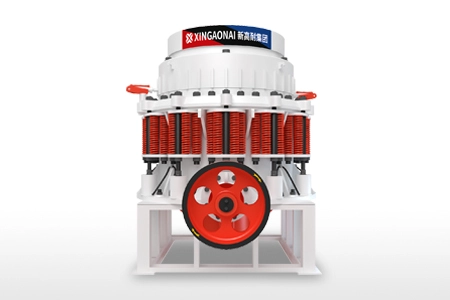
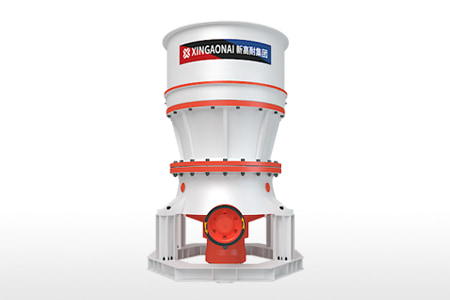
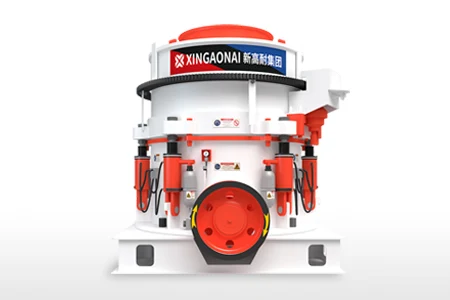
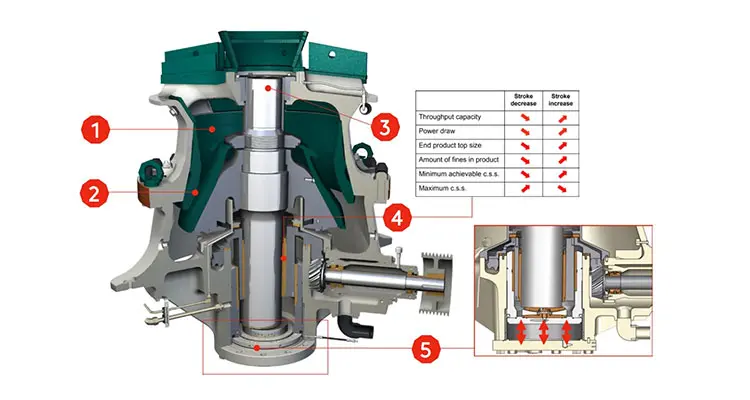
Cone crushers are essential secondary and tertiary crushing equipment in mining, aggregate production, and construction industries. At the heart of every cone crusher’s operation are cone crusher bearings—critical components that support the crusher’s eccentric shaft, enable smooth rotation, and absorb the heavy loads and vibrations generated during crushing.
The performance and service life of
cone crusher bearings directly impact the overall efficiency, reliability, and operational costs of the cone crusher. A well-maintained bearing system ensures continuous, stable operation, while premature bearing failure can lead to unplanned downtime, costly repairs, and reduced production output. This guide covers everything you need to know about cone crusher bearings, including their types, functions, common failures, maintenance practices, and troubleshooting solutions.
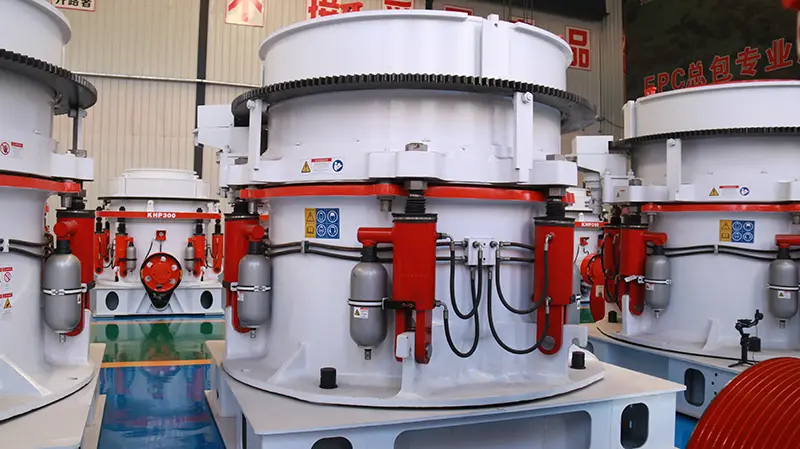
Types of Cone Crusher Bearings
Cone crusher bearings are designed to withstand high radial and axial loads, extreme vibrations, and harsh working environments (such as dust, moisture, and high temperatures). The type of bearing used depends on the cone crusher’s model, size, and application. The most common types of cone crusher bearings include:
1. Spherical Roller Bearings
Spherical roller bearings are the most widely used type in cone crushers. They are designed to accommodate both radial and axial loads, as well as misalignment between the shaft and housing—an essential feature given the vibrations and dynamic forces in cone crusher operation.
These bearings have a spherical outer ring and rollers, allowing them to self-align, reduce friction, and distribute loads evenly. Their robust construction makes them ideal for heavy-duty applications, and they are resistant to wear and fatigue under high-pressure conditions.
2. Tapered Roller Bearings
Tapered roller bearings are sometimes used in smaller cone crushers or specific components (such as the crusher’s main shaft). They are designed to handle combined radial and axial loads, with a tapered raceway that allows for efficient load distribution.
While they offer high load-carrying capacity, tapered roller bearings are less tolerant of misalignment compared to spherical roller bearings, making them suitable for applications with minimal shaft deflection.
3. Cylindrical Roller Bearings
Cylindrical roller bearings are used in some cone crusher designs to handle primarily radial loads. They have cylindrical rollers that run along the raceway, providing high radial load capacity and low friction.
These bearings are often used in conjunction with other bearing types to support the crusher’s shaft, especially in applications where axial loads are minimal.
Key Functions of Cone Crusher Bearings
Cone crusher bearings play three critical roles in the operation of the cone crusher, without which the machine cannot function properly:
Load Support: They bear the heavy radial and axial loads generated by the crushing process, including the weight of the crusher’s mantle, eccentric shaft, and the force of material being crushed.
Smooth Rotation: They reduce friction between the rotating eccentric shaft and the fixed housing, enabling smooth, consistent rotation of the crusher’s mantle—essential for efficient crushing.
Vibration Absorption: They absorb the high-frequency vibrations produced during crushing, protecting other components (such as the shaft and housing) from damage and reducing overall machine wear.
Common Failures of Cone Crusher Bearings and Their Causes
Cone crusher bearings operate in harsh conditions, making them prone to premature failure if not properly maintained. The most common failures and their root causes are:
1. Bearing Overheating
Overheating is the most frequent issue with cone crusher bearings. Symptoms include excessive heat on the bearing housing, discoloration of the bearing, or even seizure of the shaft.
Causes: Insufficient or contaminated lubrication, over-lubrication, misalignment of the shaft or bearing, worn or damaged bearing components, or excessive load.
2. Bearing Wear and Fatigue
Wear and fatigue occur over time, but premature wear is often avoidable. Symptoms include increased noise, vibration, reduced rotation smoothness, and visible wear on the rollers or raceways.
Causes: Contaminated lubrication (dust, dirt, or water), improper lubricant type, insufficient lubrication, misalignment, or excessive load.
3. Bearing Seizure
Seizure occurs when the bearing stops rotating due to excessive heat or damage, leading to catastrophic failure of the cone crusher.
Causes: Severe overheating, lack of lubrication, contaminated lubricant, or severe misalignment.
4. Bearing Corrosion
Corrosion is common in cone crushers operating in wet or humid environments. Symptoms include rust on the bearing components, pitting on the raceways, and reduced bearing performance.
Causes: Water or moisture contamination, use of improper lubricant, or exposure to corrosive materials (such as acidic ores).
Maintenance Practices for Cone Crusher Bearings
Proper maintenance is the key to extending the service life of cone crusher bearings and avoiding premature failure. Below are essential maintenance practices:
1. Regular Lubrication
Lubrication is critical for reducing friction and heat in cone crusher bearings. Use the lubricant recommended by the crusher manufacturer (typically high-temperature, heavy-duty grease or oil) and follow the recommended lubrication schedule.
Ensure the lubricant is clean and free of contaminants. Over-lubrication is as harmful as under-lubrication—follow the manufacturer’s guidelines for the correct amount of lubricant.
2. Routine Inspection
Inspect cone crusher bearings regularly (daily, weekly, or monthly, depending on operation intensity) for signs of wear, overheating, noise, or vibration. Check the bearing housing for leaks, and ensure the bearing is properly aligned.
Use tools such as thermometers or vibration analyzers to monitor bearing temperature and vibration levels—abnormal readings indicate potential issues.
3. Contamination Control
Prevent dust, dirt, water, and other contaminants from entering the bearing system. Ensure the crusher’s seals are in good condition, and clean the bearing housing regularly to remove accumulated debris.
4. Proper Alignment
Misalignment of the shaft or bearing can cause uneven load distribution, increased friction, and premature wear. Regularly check and adjust the alignment of the eccentric shaft and bearing to ensure they are properly positioned.
5. Timely Replacement of Wear Parts
Replace worn or damaged bearing components (such as rollers, raceways, or seals) promptly. Using worn parts can lead to further damage to the bearing system and other crusher components.
Troubleshooting Common Cone Crusher Bearing Issues
When
cone crusher bearings experience issues, prompt troubleshooting can prevent further damage and minimize downtime. Below are solutions for common problems:
1. Troubleshooting Bearing Overheating
Check lubricant level and quality—replenish or replace if necessary.
Inspect for misalignment and adjust the shaft or bearing.
Check for excessive load—reduce feeding rate if overloading.
Inspect bearing components for wear or damage—replace if needed.
2. Troubleshooting Bearing Wear and Fatigue
Replace contaminated or improper lubricant with the manufacturer-recommended type.
Check and adjust alignment to ensure even load distribution.
Replace worn bearing components.
Ensure proper lubrication frequency and amount.
3. Troubleshooting Bearing Seizure
Shut down the crusher immediately to prevent further damage.
Inspect the bearing for damage—replace the entire bearing if seized.
Identify and fix the root cause (e.g., lack of lubrication, contamination, misalignment).
4. Troubleshooting Bearing Corrosion
Clean the bearing and bearing housing to remove corrosion.
Replace contaminated lubricant and install new seals to prevent moisture ingress.
Use corrosion-resistant bearings or lubricants if operating in harsh, wet environments.
Conclusion
Cone crusher bearings are vital components that ensure the smooth, efficient operation of cone crushers. Understanding their types, functions, common failures, and maintenance practices is essential for minimizing downtime, reducing operational costs, and extending the service life of the crusher.
By following proper lubrication, routine inspection, and contamination control practices, you can prevent premature bearing failure and keep your cone crusher running at peak performance. When issues arise, prompt troubleshooting and timely replacement of worn parts will help avoid catastrophic damage and ensure continuous production.
Whether you’re a plant manager, maintenance technician, or engineer, mastering the basics of cone crusher bearings is key to optimizing your crushing operation and maximizing profitability.