

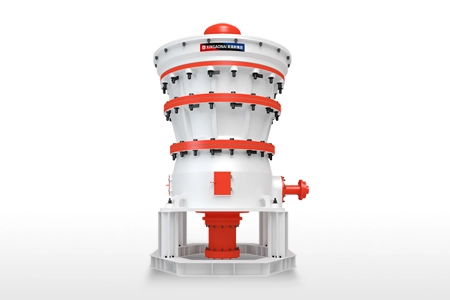
Gyratory crushers are the workhorses of primary crushing in large-scale mining, quarrying, metallurgy, and aggregate production. Designed to handle massive volumes of hard, abrasive materials, these machines operate under extreme conditions—sustaining high impact forces, constant friction, and heavy loads. At the heart of their reliable performance are gyratory crusher wear parts, which bear the brunt of the crushing process and directly influence equipment efficiency, product quality, operational safety, and long-term costs.
Over time, gyratory crusher wear parts degrade due to continuous use, and their condition can make or break the productivity of an entire crushing line. Premature wear or failure of these parts leads to unplanned downtime, costly repairs, poor product particle shape, and reduced output. This comprehensive guide explores the key types of gyratory crusher wear parts, the factors that affect their lifespan, essential maintenance practices, and guidelines for timely replacement—helping you optimize your crushing operation and minimize losses.
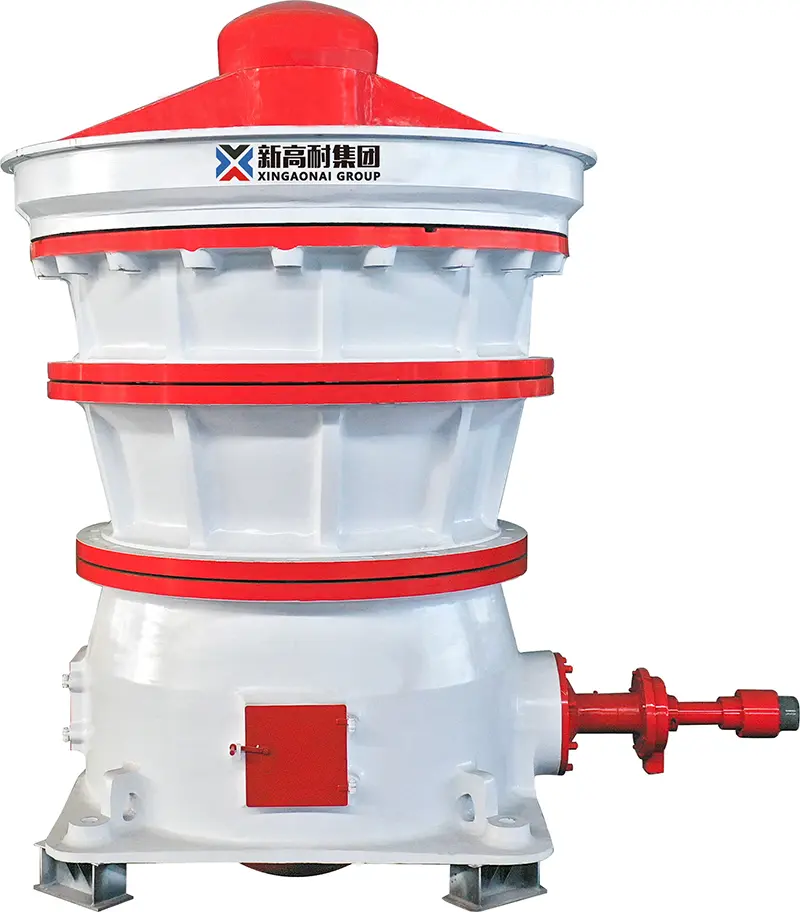
Key Types of Gyratory Crusher Wear Parts
Gyratory crusher wear parts consist of core crushing components and auxiliary protective parts, each designed to perform a specific function and withstand the harsh conditions of primary crushing. Understanding these parts is critical for effective maintenance and replacement.
1. Mantle
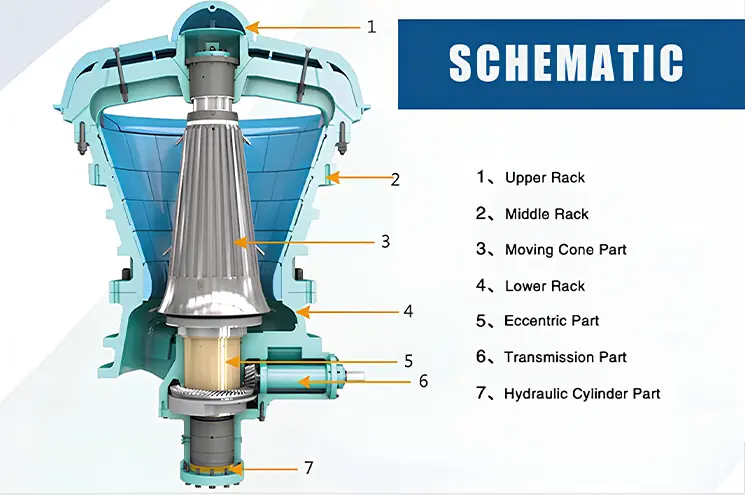
The mantle is one of the most critical and frequently replaced gyratory crusher wear parts. It is a conical, wear-resistant component attached to the crusher’s main shaft, which rotates eccentrically during operation. As the mantle spins, it crushes materials against the fixed concave, generating the force needed to reduce large rocks into smaller aggregates.
Due to its direct contact with raw materials, the mantle endures constant impact and friction, making it prone to wear, cracking, and deformation. High-quality mantles are typically made of wear-resistant alloys (such as manganese steel) to extend their service life.
2. Concave
The concave (also known as the concave liner) is a fixed, curved wear part installed in the upper shell of the gyratory crusher. Together with the rotating mantle, it forms the crushing chamber—the space where raw materials are compressed and crushed.
Like the mantle, the concave is exposed to intense friction and impact, so it must be made of durable, wear-resistant materials. Concaves are available in different profiles to suit specific material types and desired product sizes, and they require regular inspection to ensure optimal crushing performance.
3. Spider Bushing
The spider bushing is a key auxiliary gyratory crusher wear part located in the upper section of the crusher. It supports the main shaft and reduces friction between the shaft and the spider assembly during eccentric rotation. This component plays a critical role in ensuring smooth, stable operation of the crusher.
Spider bushings are typically made of bronze or other wear-resistant alloys, and they wear over time due to constant contact with the rotating shaft. A worn spider bushing can cause excessive vibration, noise, and even damage to the main shaft if not replaced promptly.
4. Liner Plates
Liner plates are protective gyratory crusher wear parts installed in various sections of the crusher’s shell, feed hopper, and discharge chute. Their primary function is to shield the crusher’s main structure from direct impact and abrasion by raw materials, extending the overall service life of the machine.
Liner plates are available in different thicknesses and materials, depending on the application and material abrasiveness. They are relatively easy to replace and should be inspected regularly for signs of wear or damage.
5. Step Gears and Transmission Components
While not directly involved in crushing, step gears and related transmission parts (such as bearings and shafts) are also critical gyratory crusher wear parts. These components transmit power from the motor to the main shaft, enabling the mantle’s eccentric rotation.
Continuous friction and heavy loads cause these parts to wear over time, leading to reduced power transmission efficiency, increased noise, and potential equipment failure. Regular lubrication and inspection are essential to extend their lifespan.
Factors Affecting the Lifespan of Gyratory Crusher Wear Parts
The service life of gyratory crusher wear parts varies significantly based on several operational and environmental factors. Understanding these factors helps you predict wear rates, plan maintenance, and reduce replacement costs.
1. Material Properties
The hardness, abrasiveness, and shape of the raw materials being crushed are the most significant factors. Harder, more abrasive materials (such as granite, basalt, or iron ore) accelerate wear on the mantle, concave, and other wear parts. Sharp, angular materials also cause more friction and impact than round, smooth materials.
2. Feeding Conditions
Uneven feeding, overloading, or feeding oversized materials can significantly shorten the lifespan of gyratory crusher wear parts. Sudden impacts from oversized rocks create excessive force on the mantle and concave, leading to cracks or premature wear. Uniform, controlled feeding ensures that the crusher operates within its design limits, reducing stress on wear parts.
3. Installation and Alignment
Improper installation or misalignment of gyratory crusher wear parts (such as the mantle or concave) causes uneven wear. For example, a misaligned mantle will wear more on one side, reducing its service life and affecting product quality. Ensuring proper installation and alignment according to the manufacturer’s guidelines is critical.
4. Lubrication and Maintenance
Insufficient or contaminated lubrication increases friction between moving parts (such as the spider bushing and main shaft), accelerating wear. Regular lubrication with the manufacturer-recommended grease or oil, along with routine maintenance (such as cleaning and inspection), helps extend the lifespan of all gyratory crusher wear parts.
5. Environmental Conditions
Dust, moisture, and extreme temperatures can also affect wear rates. Dust particles can enter the crusher’s internal components, causing abrasive wear, while moisture can lead to corrosion. Operating in extreme heat or cold can degrade the material properties of wear parts, reducing their durability.
Maintenance Tips for Gyratory Crusher Wear Parts
Proactive maintenance is the key to extending the lifespan of gyratory crusher wear parts, minimizing downtime, and reducing operational costs. Below are essential maintenance practices to follow:
1. Conduct Regular Inspections
Inspect gyratory crusher wear parts daily (or after each shift) for signs of wear, cracks, deformation, or loose connections. Pay special attention to the mantle, concave, and spider bushing—these parts are most prone to wear. Use tools such as calipers to measure the thickness of wear parts and compare it to the manufacturer’s recommended minimum thickness.
2. Ensure Uniform Feeding
Use a vibrating feeder to deliver materials evenly to the crusher, avoiding overloading or feeding oversized rocks. This reduces sudden impacts and ensures the crusher operates smoothly, minimizing stress on wear parts.
3. Maintain Proper Lubrication
Follow the manufacturer’s lubrication schedule to keep all moving parts (such as the spider bushing, bearings, and gears) properly lubricated. Use clean, high-quality lubricant that is compatible with the crusher’s design and operating conditions. Regularly check for lubricant leaks and replace contaminated lubricant promptly.
4. Clean the Crushing Chamber
Regularly clean the crushing chamber to remove accumulated material buildup. Buildup can cause uneven wear on the mantle and concave, reduce crushing efficiency, and increase the risk of jams.
5. Use High-Quality Replacement Parts
When replacing gyratory crusher wear parts, use high-quality, manufacturer-approved parts that match the crusher’s model. Low-quality parts may be cheaper upfront but wear faster, leading to more frequent replacements and higher long-term costs.
When to Replace Gyratory Crusher Wear Parts
Timely replacement of worn parts is critical to prevent equipment damage, maintain crushing performance, and avoid unplanned downtime. Below are key indicators that gyratory crusher wear parts need to be replaced:
1. Thickness Below Manufacturer’s Limit
Replace the mantle, concave, and liner plates when their thickness reaches the manufacturer’s specified minimum limit. Continuing to use worn parts beyond this limit can cause damage to the crusher’s main structure and reduce product quality.
2. Abnormal Vibration or Noise
Excessive vibration or unusual noise during operation often indicates worn gyratory crusher wear parts (such as a worn spider bushing or misaligned mantle). Shut down the crusher and inspect the parts immediately to avoid further damage.
3. Reduced Output or Poor Product Quality
A sudden drop in crushing output or uneven product particle size is a sign that the mantle or concave is worn. Worn parts cannot effectively crush materials, leading to inefficient operation and subpar products.
4. Cracks or Deformation
Cracks or deformation on the mantle, concave, or other wear parts pose a safety risk and can lead to catastrophic failure. Replace any cracked or deformed parts immediately.
Conclusion
Gyratory crusher wear parts are essential components that determine the performance, efficiency, and lifespan of gyratory crushers. From the mantle and concave (core crushing parts) to the spider bushing and liner plates (auxiliary protective parts), each wear part plays a critical role in ensuring smooth, reliable operation.
By understanding the types of gyratory crusher wear parts, the factors that affect their lifespan, and implementing proactive maintenance practices, you can extend the service life of these parts, minimize downtime, and reduce operational costs. Timely replacement of worn parts—based on thickness limits, abnormal operation, or reduced performance—ensures that your gyratory crusher operates at peak efficiency, delivering consistent, high-quality aggregates.
For large-scale mining and aggregate operations, investing in high-quality gyratory crusher wear parts and following best maintenance practices is a cost-effective way to optimize productivity and maximize the return on your equipment investment.