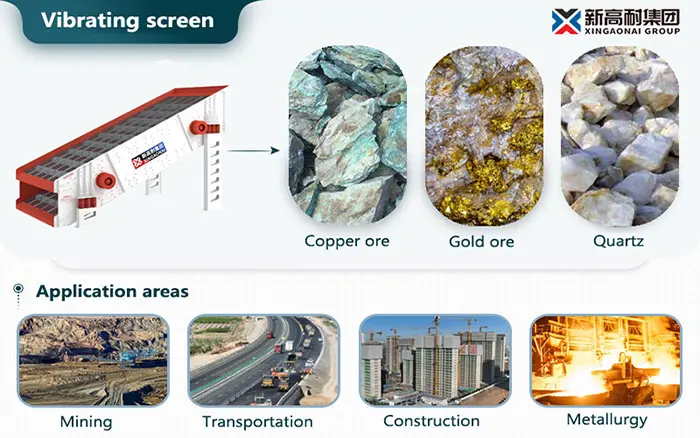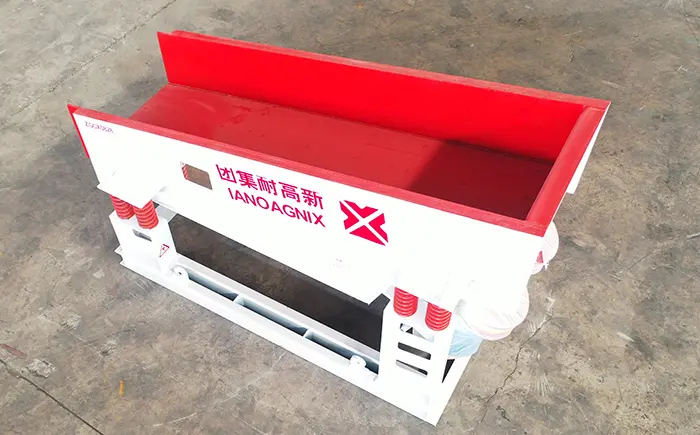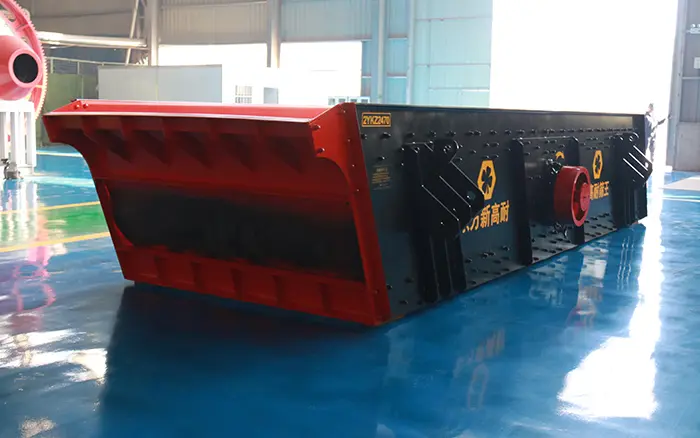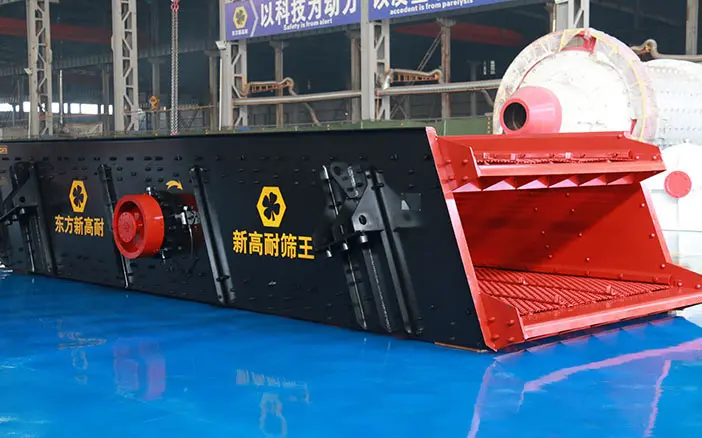
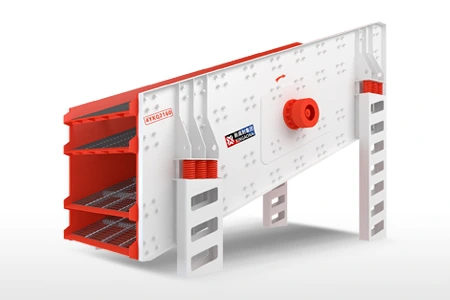
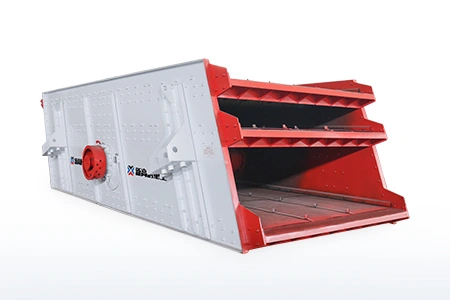
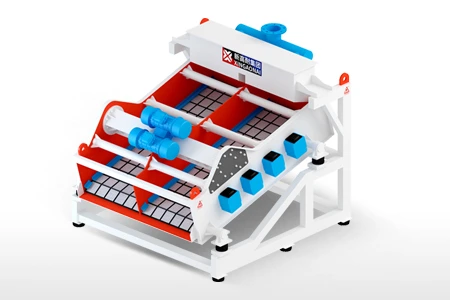
In mining, aggregate production, and mineral processing plants, screening equipment plays an essential role in separating materials by size. One of the most important performance indicators of screening equipment is vibrating screen efficiency. High screening efficiency ensures accurate particle separation, improves product quality, and increases overall plant productivity.
When vibrating screen efficiency is low, materials may not be properly classified, which can lead to product contamination, reduced throughput, and unnecessary recirculation within the production line. Therefore, understanding how to improve vibrating screen efficiency is critical for optimizing industrial screening operations.
What Is Vibrating Screen Efficiency?
Vibrating screen efficiency refers to the percentage of correctly screened material compared to the total amount of material processed. In simple terms, it measures how effectively the vibrating screen separates particles according to the desired size.
A high vibrating screen efficiency means that most of the particles smaller than the screen aperture pass through the screen, while larger particles remain on the screen surface.
Screening efficiency is usually evaluated through material balance calculations that compare feed material, undersize product, and oversize product.
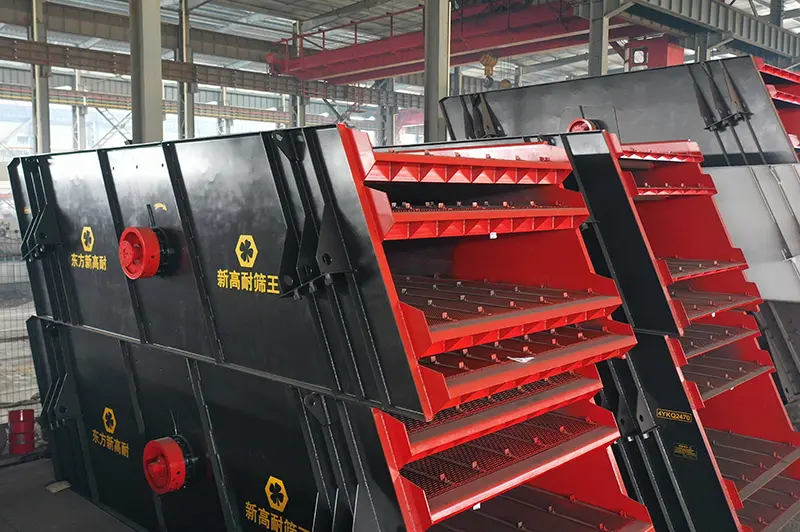
Key Factors Affecting Vibrating Screen Efficiency
Several factors can influence vibrating screen efficiency. Understanding these factors helps operators adjust equipment parameters and improve screening performance.
1. Material Characteristics
Material properties have a direct impact on vibrating screen efficiency. Important characteristics include:
Particle size distribution
Moisture content
Particle shape
Bulk density
For example, materials with high moisture content may stick together and clog the screen openings, reducing screening efficiency.
2. Screen Mesh Size
The screen aperture size determines the separation point between different particle sizes. If the mesh size is not properly selected, vibrating screen efficiency may decrease.
A smaller mesh size improves separation accuracy but may reduce processing capacity. Selecting the correct screen size ensures a balance between capacity and efficiency.
3. Vibration Parameters
The vibration characteristics of the screen greatly affect vibrating screen efficiency. Key parameters include:
Vibration amplitude
Vibration frequency
Vibration angle
Proper vibration allows particles to stratify on the screen surface, enabling smaller particles to pass through the openings more easily.
4. Feed Rate and Distribution
Uniform feeding is essential for maintaining high vibrating screen efficiency. Overloading the screen can cause material buildup, which prevents proper particle separation.
Using a vibrating feeder or distribution system helps ensure that material is evenly spread across the screen surface.
5. Screen Surface Condition
The condition of the screen media also influences vibrating screen efficiency. Worn or damaged screens may have irregular openings, which can reduce classification accuracy.
Regular inspection and replacement of screen panels help maintain consistent performance.
How to Calculate Vibrating Screen Efficiency
The calculation of vibrating screen efficiency generally involves analyzing the proportion of correctly classified particles in the feed and product streams.
A simplified formula is often used in industrial applications:
Screening Efficiency = (Actual Undersize in Product / Total Undersize in Feed) × 100%
This calculation allows engineers to evaluate how effectively the screen separates fine particles from the feed material.
Accurate sampling and analysis are necessary to obtain reliable efficiency results.
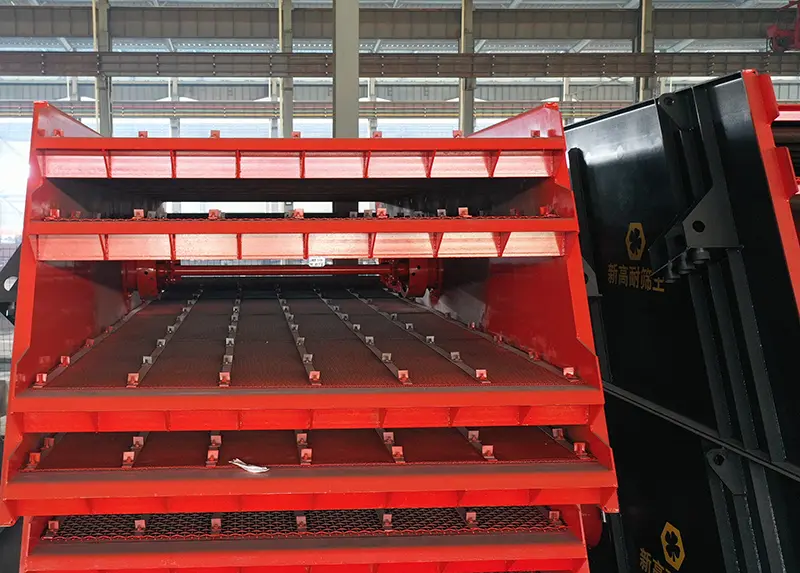
Methods to Improve Vibrating Screen Efficiency
Improving vibrating screen efficiency can significantly enhance the productivity of crushing and screening plants. Several practical methods can be implemented.
Optimize Screen Selection
Selecting the appropriate vibrating screen type and mesh size is essential for achieving high screening efficiency.
Control Feed Conditions
Maintaining stable and uniform feeding prevents screen overload and ensures that materials are evenly distributed across the screening surface.
Adjust Vibration Parameters
Fine-tuning vibration amplitude and frequency helps improve particle stratification and separation.
Maintain Screen Media
Regularly cleaning and replacing worn screen panels prevents clogging and ensures consistent screening performance.
Reduce Moisture Content
In some cases, drying or pre-processing materials can help reduce moisture-related screening problems.
Applications of High Vibrating Screen Efficiency
Maintaining high vibrating screen efficiency is important across many industrial sectors.
Mining Industry
Used to classify ores before further processing such as crushing or grinding.
Aggregate Production
Ensures proper separation of sand and gravel for construction materials.
Coal Processing
Helps separate coal particles by size for different industrial uses.
Mineral Processing
Improves the efficiency of beneficiation and material preparation processes.
In all these industries, efficient screening helps improve production quality and reduce operational costs.
Key Takeaways for Optimizing Vibrating Screen Efficiency
Vibrating screen efficiency is a key performance indicator in industrial screening systems. It determines how accurately materials are separated and directly affects the productivity of mining and aggregate operations.
By understanding the factors that influence vibrating screen efficiency—such as material characteristics, screen selection, vibration parameters, and feeding conditions—operators can optimize screening performance and achieve better production results.
Regular maintenance, proper equipment selection, and operational adjustments are essential steps in maintaining high vibrating screen efficiency in modern processing plants.