

With the shortage of natural river sand and strict environmental protection policies, machine-made sand has become the optimal alternative to river sand in construction, concrete, and road projects. To replace river sand effectively, machine-made sand must match or exceed river sand’s performance—relying on scientific production processes and strict quality control.
This guide details the complete production process of machine-made sand for river sand replacement, integrating key quality standards to ensure usability and durability in practical applications.
Key Principles for Machine-Made Sand to Replace River Sand
To replace river sand, machine-made sand must bridge the performance gap in particle properties, purity, and mechanical strength. The core is to replicate river sand’s natural advantages while avoiding its limitations (e.g., uneven gradation).
Production must focus on two aspects: optimizing particle characteristics and strictly controlling impurities, aligning with industry quality standards.
Complete Production Process of Machine-Made Sand for River Sand Replacement
1. Raw Material Selection
High-quality raw materials are the foundation of machine-made sand that replaces river sand. Suitable materials include hard, durable rocks like granite, basalt, limestone, or recycled concrete aggregates.
Raw materials must have low impurity content, no harmful substances, and a compressive strength ≥30MPa—ensuring the final machine-made sand meets mechanical strength requirements.
2. Crushing & Shaping
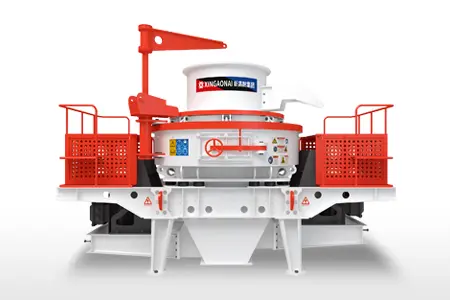
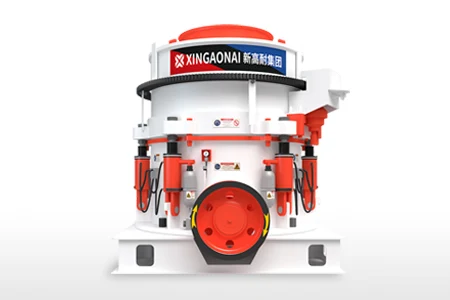
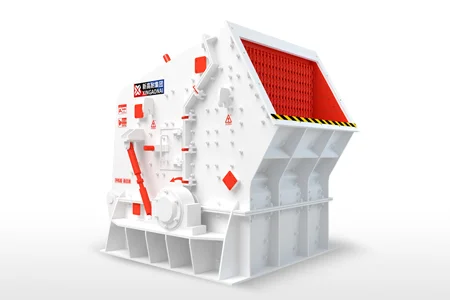
The crushing stage combines primary, secondary, and tertiary crushing to reduce raw materials to target particle sizes. A key step is shaping, which improves particle morphology to mimic river sand’s natural roundness.
Use impact crushers or cone crushers for shaping, minimizing needle-like and flaky particles—critical for matching river sand’s workability in concrete.
3. Screening & Gradation Control
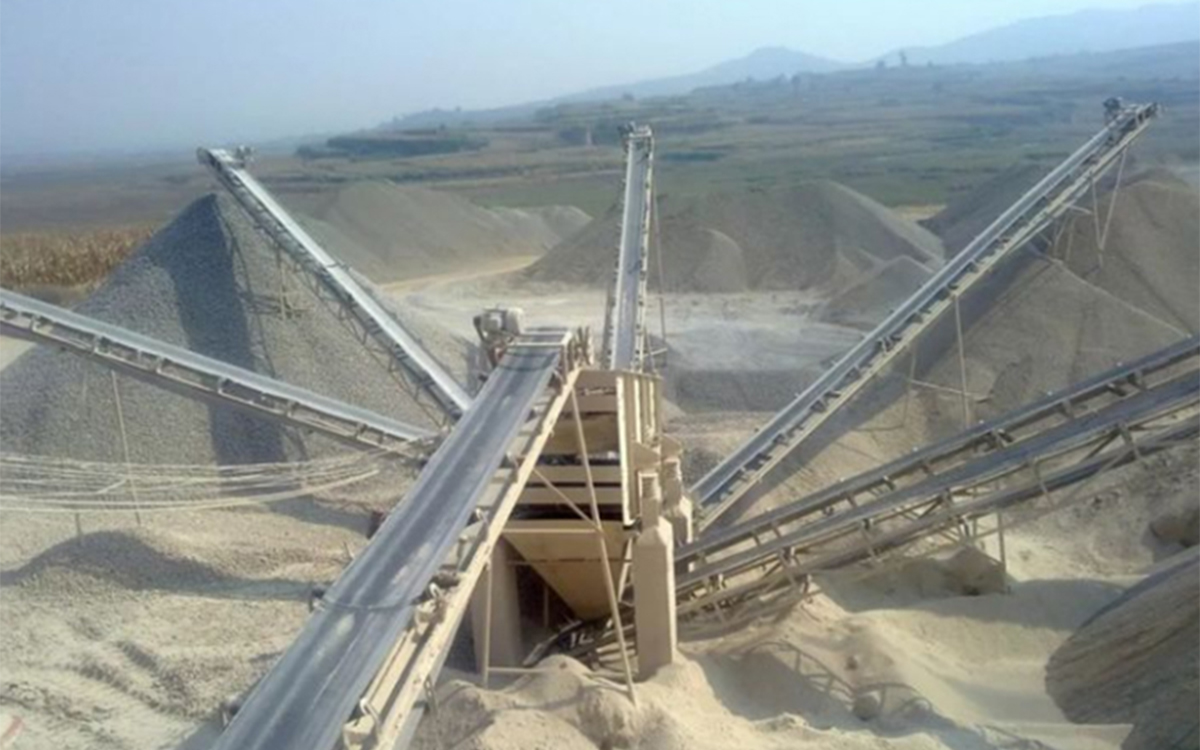
Multi-layer screening equipment separates particles by size, ensuring continuous and uniform gradation—consistent with river sand’s natural particle distribution. The target gradation is 0.15-5mm particles accounting for over 90%.
Oversized particles are returned for re-crushing, while undersized particles (stone powder) are controlled to avoid excessive accumulation.
4. Washing & Dehydration
Washing removes stone powder, dust, and impurities from machine-made sand—addressing a key difference from river sand (which naturally has lower dust content). The process controls stone powder content and adjusts moisture levels.
Dehydration follows washing to stabilize moisture content, ensuring machine-made sand is ready for storage and mixing without agglomeration.
5. Quality Inspection & Adjustment
Post-production inspection verifies whether machine-made sand meets river sand replacement standards. Key indicators include moisture content, mechanical strength, harmful substances, and particle shape—with adjustments made for non-compliant batches.
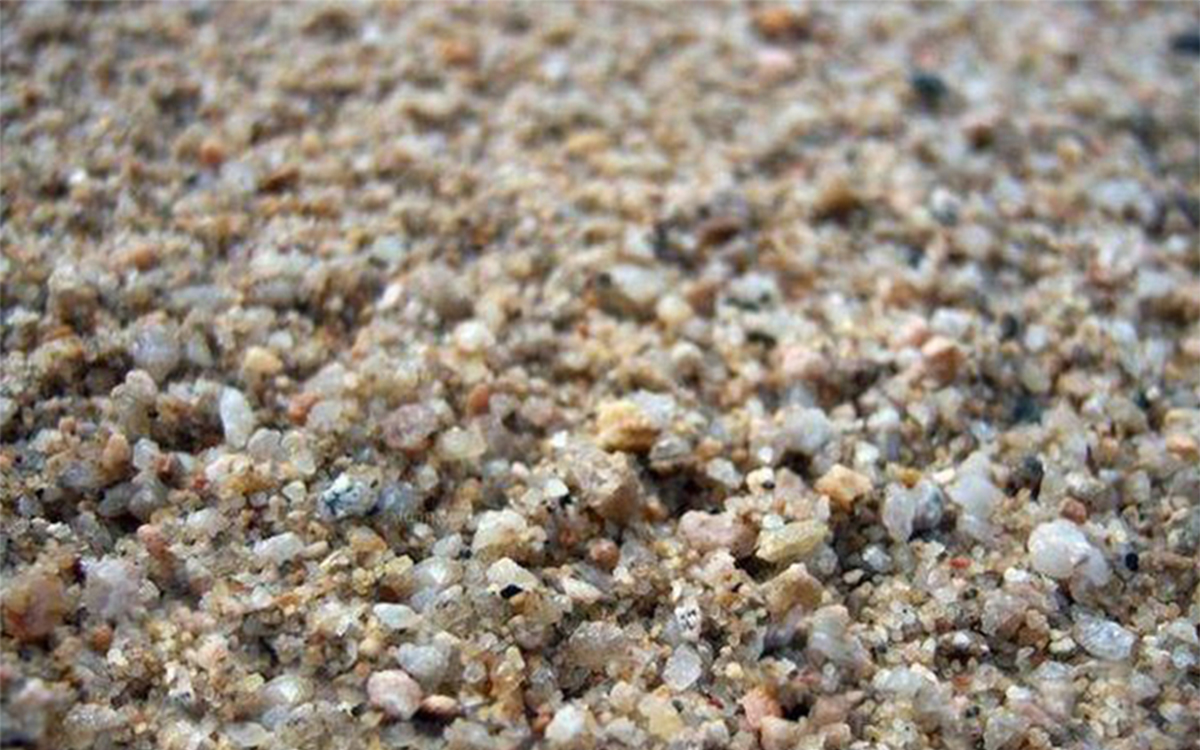
Critical Quality Control Standards for River Sand Replacement
To replace river sand, machine-made sand must comply with the following core standards, directly affecting its compatibility with construction materials:
1. Moisture Content Standard
Moisture content directly impacts the storage, transportation, and mixing performance of machine-made sand—mirroring river sand’s natural moisture range. High moisture content causes agglomeration, while excessive dryness leads to dust pollution.
Excellent machine-made sand should have a moisture content of 2-5%, matching river sand’s usability in concrete mixing.
2. Mechanical Strength Standard
The crushing value and firmness of machine-made sand must exceed river sand’s performance to ensure structural durability. These indicators reflect resistance to wear and load.
The crushing value of machine-made sand should be less than 30% (≤26% for road projects), and the firmness loss rate should not exceed 8%—outperforming river sand in high-stress scenarios.
3. Harmful Substance Content Standard
River sand often contains organic impurities or salts; machine-made sand must have stricter controls to avoid corrosion and structural damage. Harmful substances include chloride ions, sulfates, and organic matter.
Machine-made sand must meet: chloride ion content ≤0.02%, sulfate content ≤0.5%, and no harmful organic impurities—surpassing river sand’s purity in critical projects.
4. Particle Shape Standard
River sand’s rounded particles enhance concrete workability. Machine-made sand’s particle shape directly affects its bonding force and fluidity, requiring more cubical particles and fewer sharp edges.
The content of needle-like and flaky particles must be controlled below 15%, narrowing the gap with river sand’s natural morphology.
Industry-Specific Adaptations for River Sand Replacement
Different projects have unique requirements for machine-made sand replacing river sand, requiring targeted adjustments to production and quality control:
1. Construction & Concrete Projects
Comply with GB/T 14684 (Chinese) or ASTM C33 (American) standards, aligning gradation and harmful substance content with river sand’s performance in ready-mixed concrete.
2. Road & Bridge Construction
Prioritize mechanical strength, with crushing value ≤26% to withstand vehicle loads—outperforming river sand’s wear resistance in road bases.
3. Precast Component Production
Strictly control particle shape and gradation to ensure component precision, as precast parts demand consistent workability similar to river sand mixes.
Advantages of Machine-Made Sand Over River Sand
When produced to standard, machine-made sand offers advantages over river sand: stable quality (no natural impurities), adjustable gradation, and sustainable production (reducing river exploitation).
It also avoids river sand’s supply shortages and environmental impact, making it a long-term alternative for the construction industry.
Conclusion
Producing machine-made sand that replaces river sand requires a combination of scientific production processes (raw material selection, shaping, washing) and strict quality control (moisture, strength, particle shape).
By adhering to the above standards and processes, machine-made sand can not only replace river sand effectively but also improve construction material performance, promoting sustainable development in the industry.