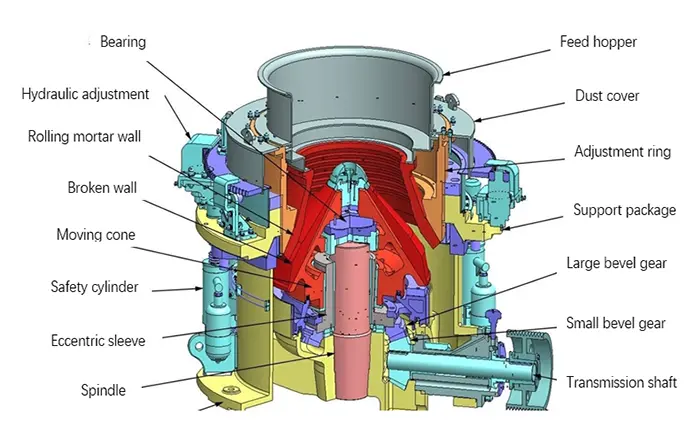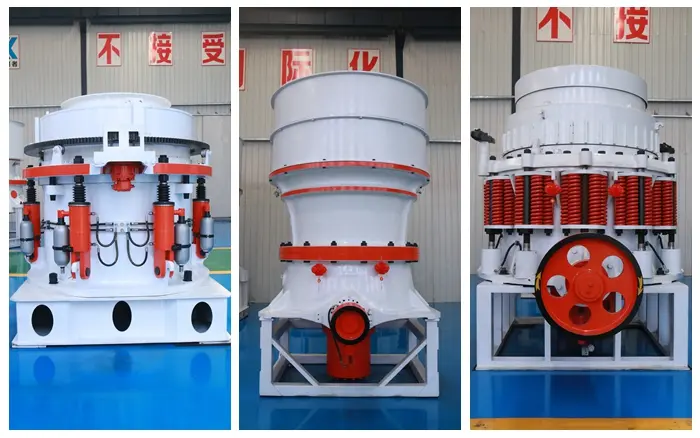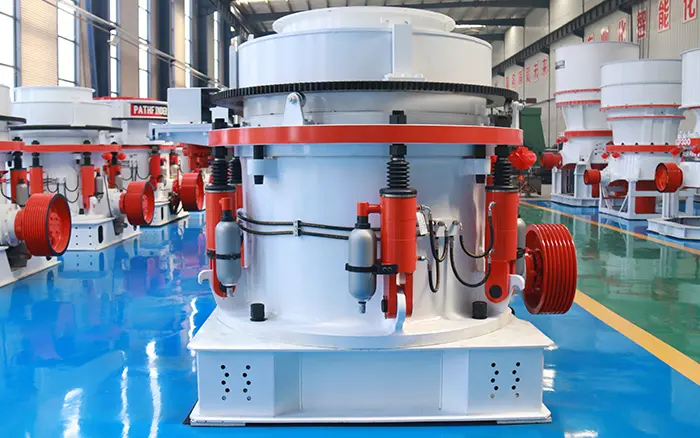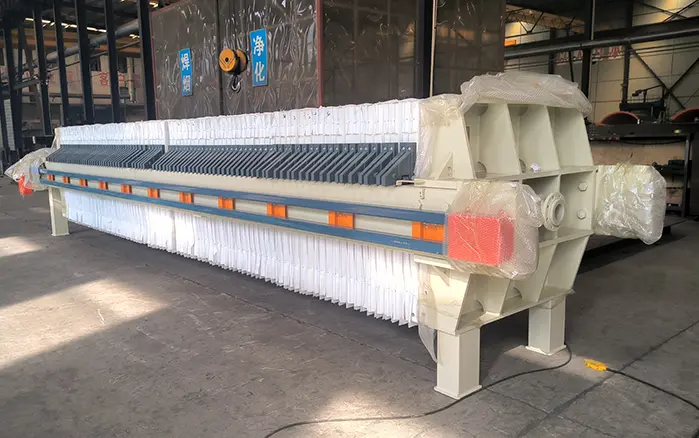
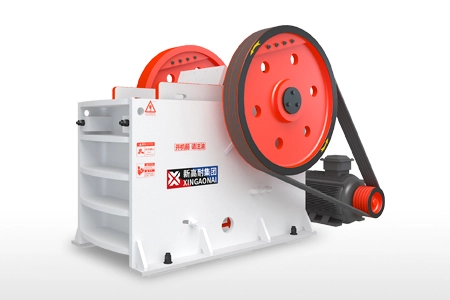
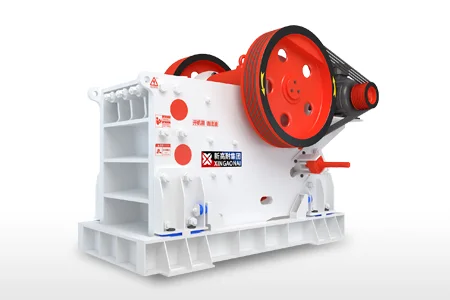
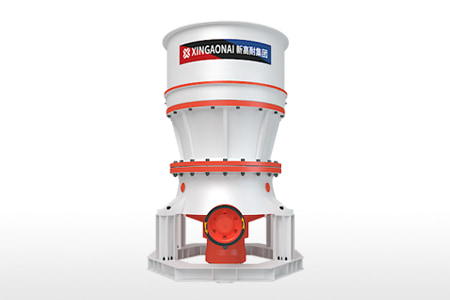
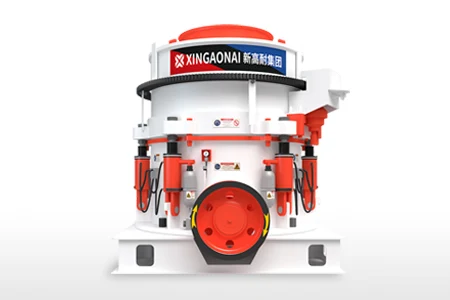
1. Core Working Principles & Structural Differences
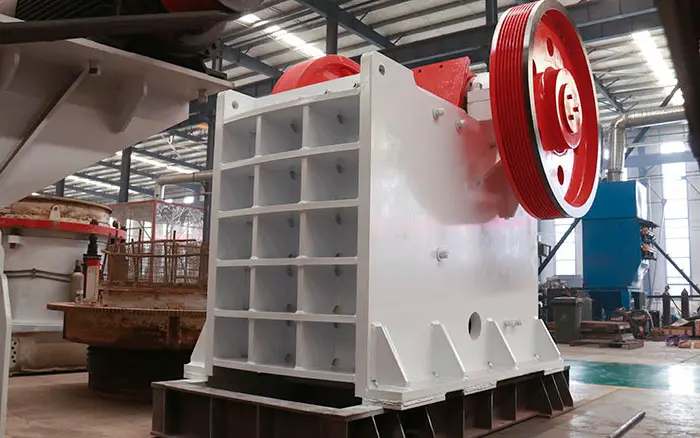
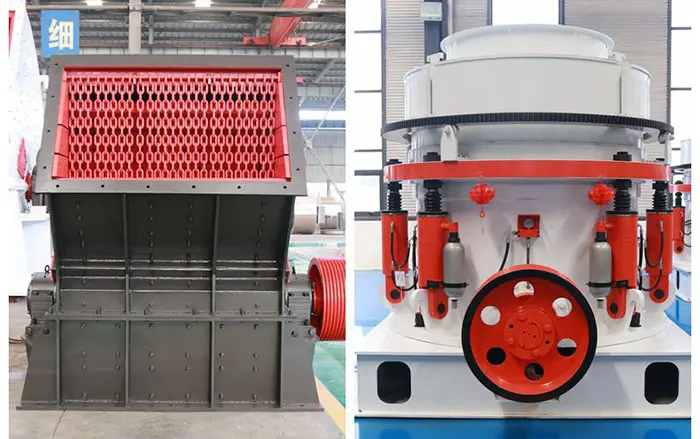
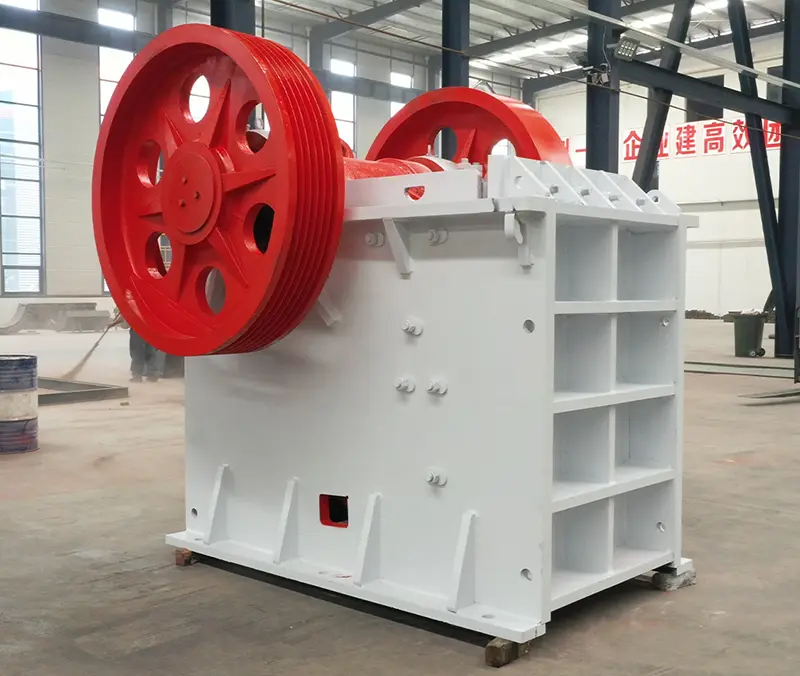
Jaw Crusher
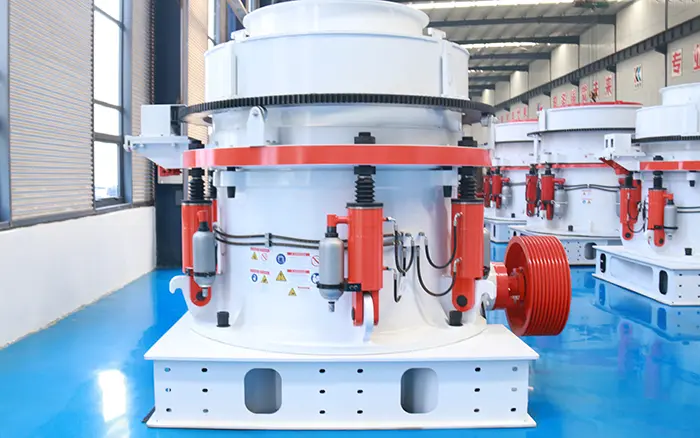
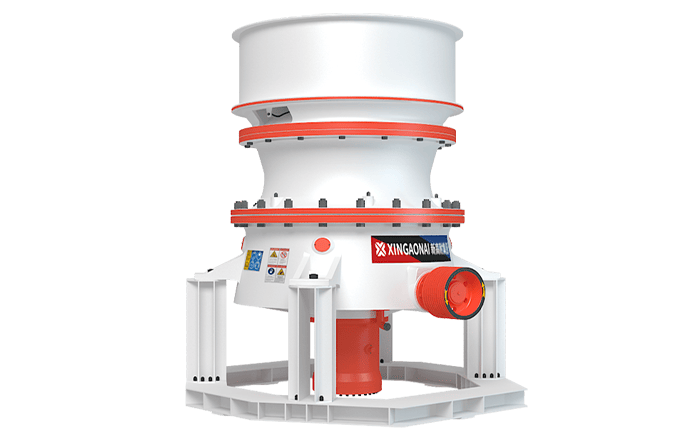
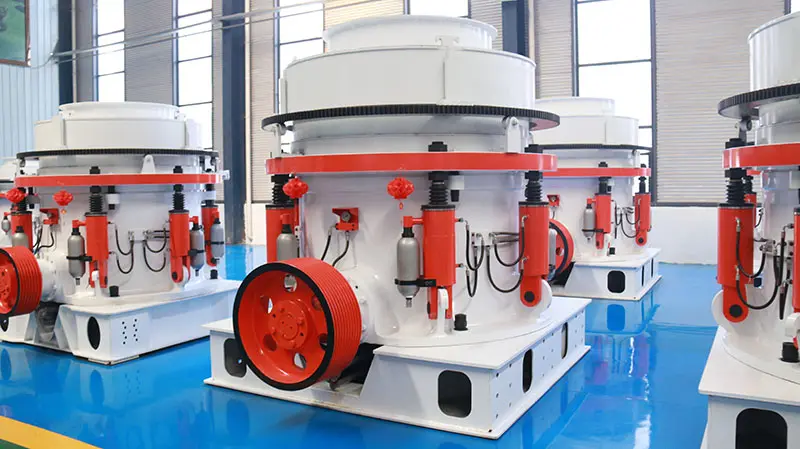
Cone Crusher
2. Key Performance Characteristics Comparison
Performance Indicator | Jaw Crusher | Cone Crusher |
|---|---|---|
Crushing Stage | Primary crushing (mainly handles large-sized raw materials with particle size up to 1000mm) | Secondary/tertiary crushing (handles materials crushed by primary equipment, particle size up to 300mm) |
Material Hardness Adaptability | Strong, suitable for extra-hard, hard, and medium-hard materials (e.g., granite, iron ore, basalt) | Suitable for hard and medium-hard materials; less effective for extra-hard materials |
Product Particle Size | Coarse (discharge particle size 10-300mm), uneven particle size distribution | Fine to medium (discharge particle size 1-50mm), uniform particle size distribution, good particle shape |
Production Capacity | Low to medium (5-1000 t/h), suitable for small to medium-sized production lines | Medium to high (10-2000 t/h), suitable for large-scale continuous production lines |
Energy Consumption | Lower per unit output for coarse crushing | Higher per unit output than jaw crushers, but more energy-efficient for fine crushing |
Maintenance Cost | Lower, simple structure, fewer wearing parts, easy replacement | Higher, complex structure, more wearing parts, requiring professional maintenance |
3. Ideal Application Scenarios
Best for Jaw Crusher
Primary Crushing Stations: Used as the first crushing equipment in mining, quarrying, and aggregate production lines to break large raw materials (e.g., boulders, ore blocks) into manageable sizes for subsequent processing.
Extra-Hard Material Processing: Ideal for crushing extra-hard materials such as granite, basalt, iron ore, and quartzite, which are common in mining and infrastructure projects.
Small to Medium-Sized Projects: Suitable for small quarries, construction waste recycling sites, and rural road construction projects with low to medium production capacity requirements and limited maintenance resources.
Mobile Crushing Equipment: Often used as the core component of mobile crushing plants due to its robust structure and strong adaptability to harsh working environments.
Best for Cone Crusher
Secondary/Tertiary Crushing Stations: Used after jaw crushers or other primary crushing equipment to further crush materials into fine or medium particles that meet the requirements of aggregate, concrete, or ore beneficiation.
High-Quality Aggregate Production: Suitable for producing high-grade aggregates for highways, high-speed railways, and high-rise buildings, where uniform particle size and good particle shape are required.
Large-Scale Mining & Quarrying: Ideal for large-scale mines and quarries with high production capacity requirements (e.g., annual output of millions of tons of ore or aggregates), supporting continuous and efficient production.
Ore Beneficiation Plants: Used to crush ore into fine particles to facilitate subsequent beneficiation processes (e.g., magnetic separation, flotation) and improve the recovery rate of valuable minerals.
4. Pros & Cons of Each Equipment
Jaw Crusher Pros & Cons
Pros: Robust structure, strong adaptability to harsh environments; high crushing ratio for coarse materials; simple operation and maintenance; low initial investment and maintenance costs.
Cons: Poor product particle shape and uneven size distribution; not suitable for fine crushing; low production capacity for large-scale projects.
Cone Crusher Pros & Cons
Pros: Uniform product particle size and good particle shape; high production capacity for fine crushing; stable operation and low noise; suitable for large-scale continuous production.
Cons: Complex structure and high maintenance requirements; high initial investment; poor adaptability to extra-hard materials and large-sized raw materials.
5. Key Selection Guidelines: How to Choose Between Cone Crusher and Jaw Crusher?
Crushing Stage: Choose a jaw crusher for primary crushing of large raw materials; select a cone crusher for secondary or tertiary crushing of materials that need further refinement.
Material Characteristics: Opt for a jaw crusher if processing extra-hard or large-sized materials; choose a cone crusher for hard or medium-hard materials that require fine and uniform crushing.
Product Requirements: If high-quality aggregates with uniform particle size and good shape are needed (e.g., for high-grade construction projects), a cone crusher is preferred; if only coarse crushing is required, a jaw crusher is sufficient.
Production Scale: For small to medium-sized projects with low production capacity, a jaw crusher is more cost-effective; for large-scale projects with high continuous production requirements, a cone crusher is more suitable.
Budget & Maintenance Resources: Choose a jaw crusher if the budget is limited or maintenance resources are scarce; opt for a cone crusher only if there is sufficient budget and professional maintenance personnel.