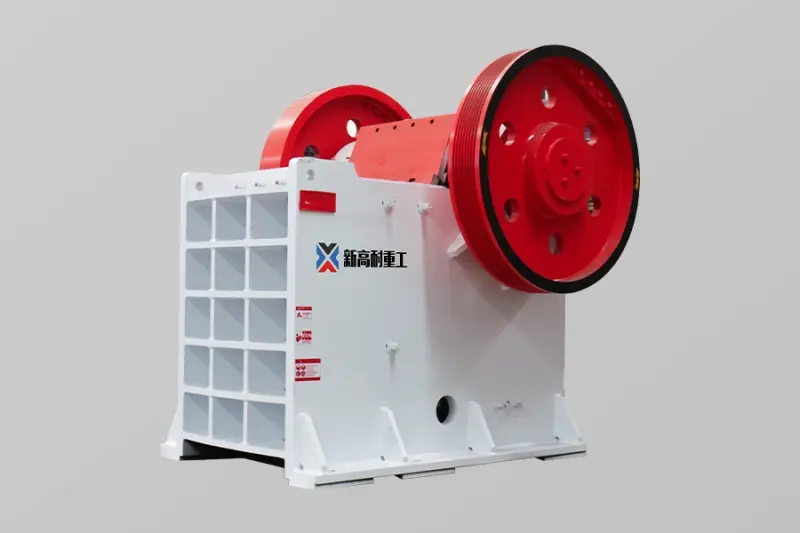
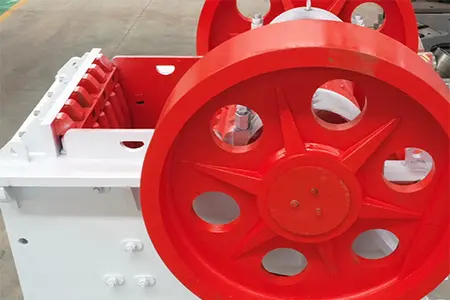
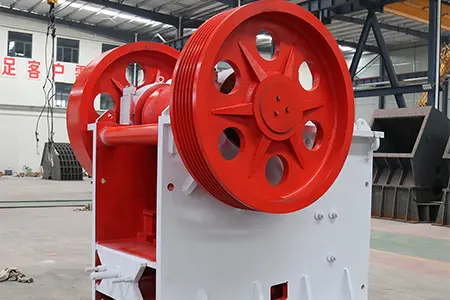
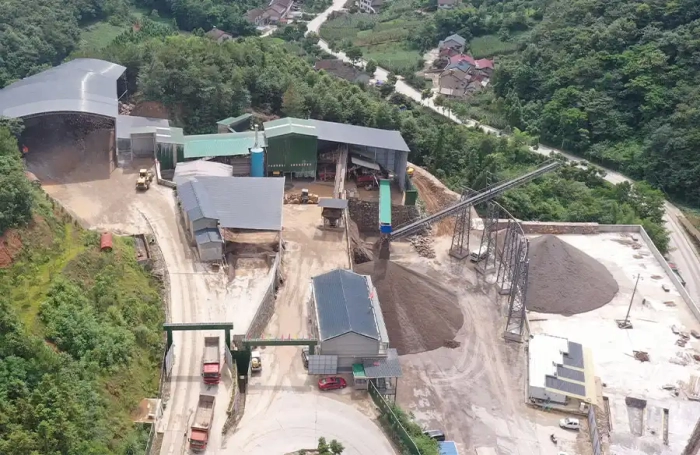
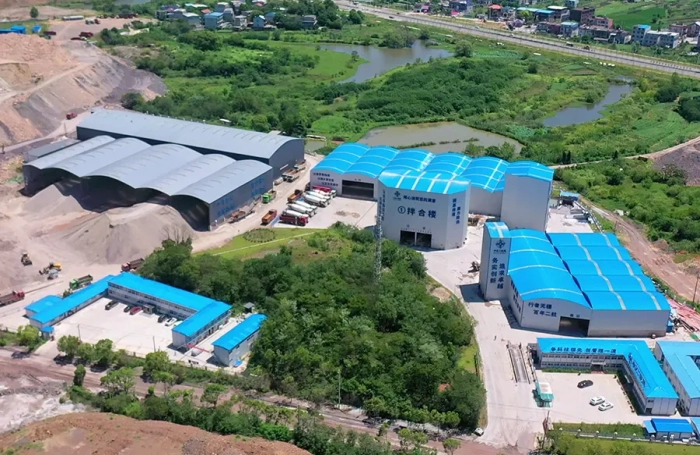
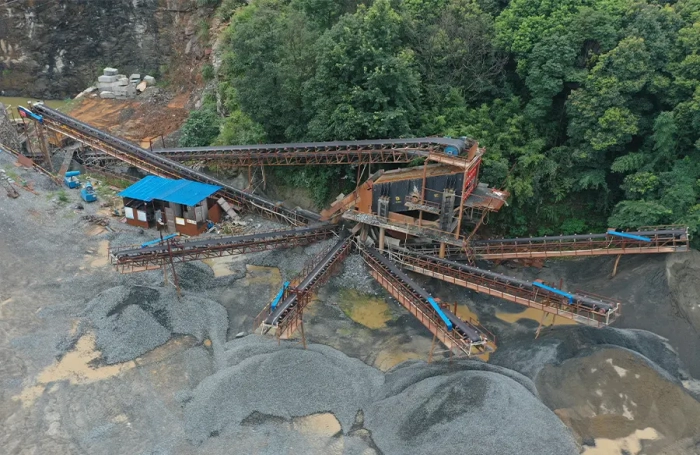
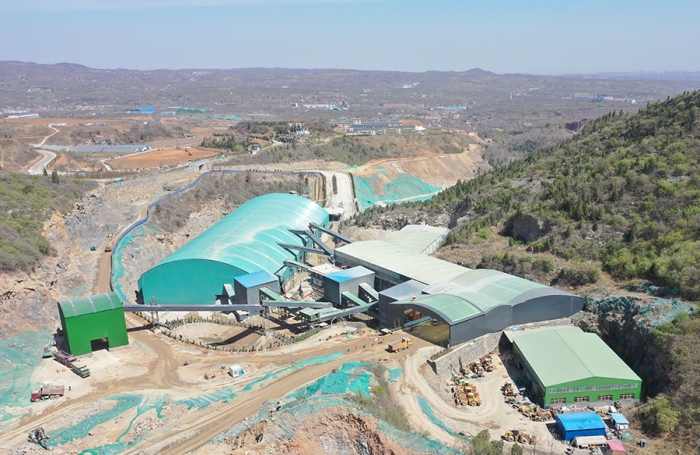
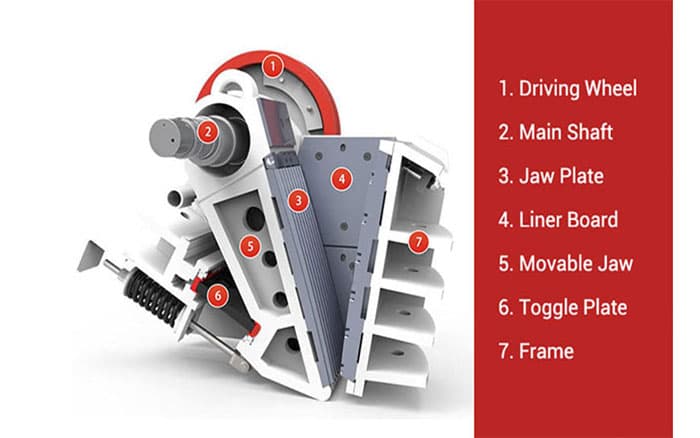
In the field of mineral processing, construction waste recycling, and aggregate production, the PE series jaw crusher stands as a cornerstone equipment, renowned for its robust performance, reliable operation, and wide application range. As one of the most widely used primary crushing machines globally, it plays an irreplaceable role in the initial stage of material crushing, laying a solid foundation for subsequent processing. This article will delve into the core connotations, structural characteristics, working principles, key advantages, and application scenarios of the PE series jaw crusher, helping you gain a comprehensive and in-depth understanding of this essential crushing equipment.

Definition: The Core Position of PE Series Jaw Crusher in Crushing Industry
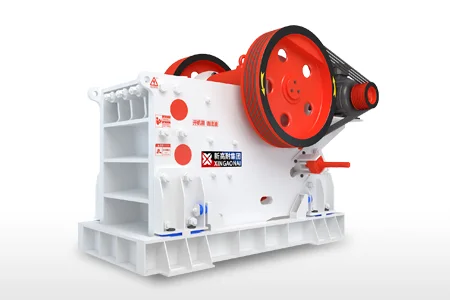
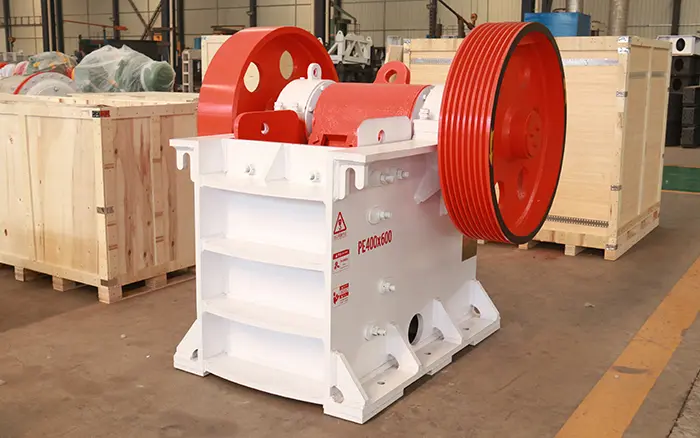
Structural Characteristics: Simple Structure, Stable and Durable
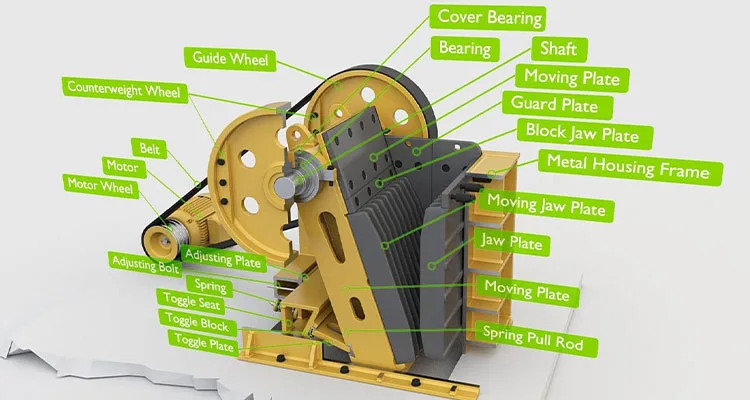
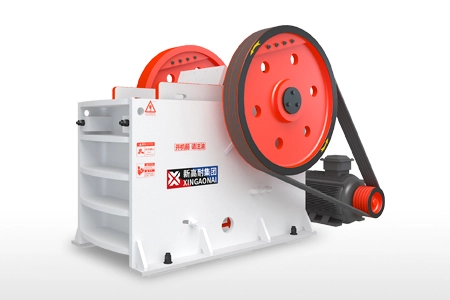
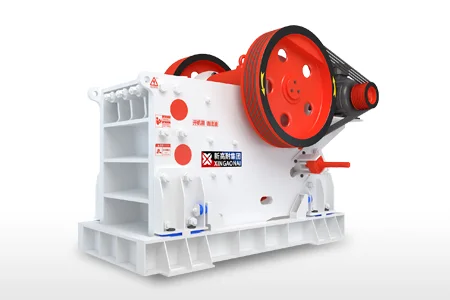
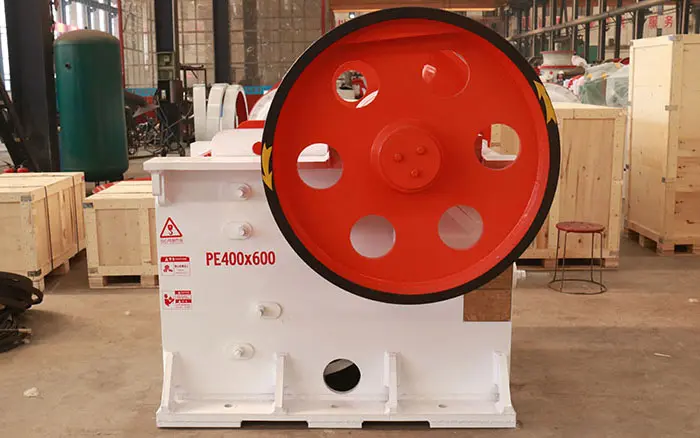
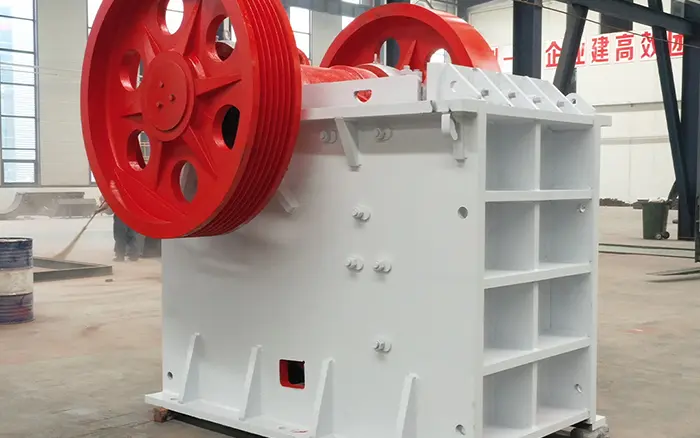
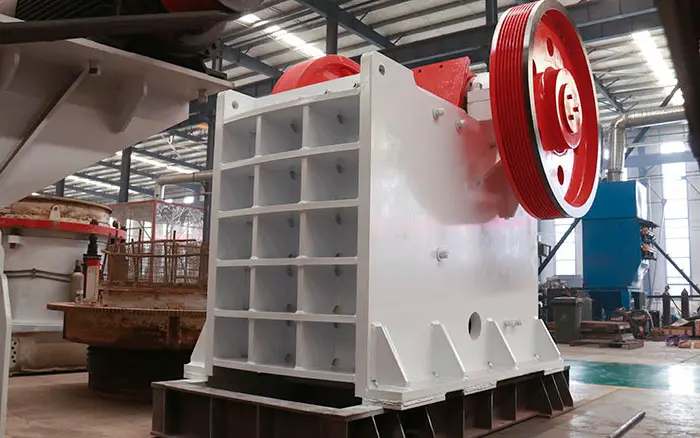
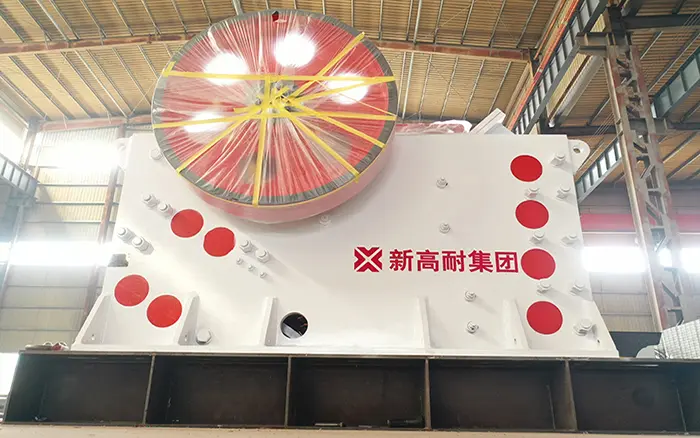
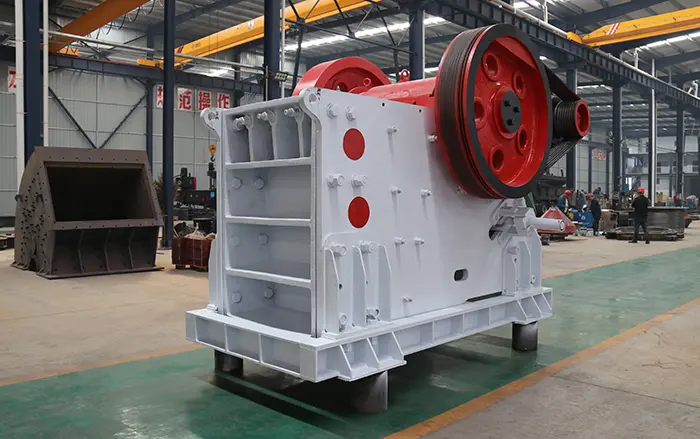
Frame: As the main bearing part of the equipment, it is usually made of high-quality cast steel or welded steel plate, with strong rigidity and impact resistance, capable of bearing the huge extrusion force generated during the crushing process.
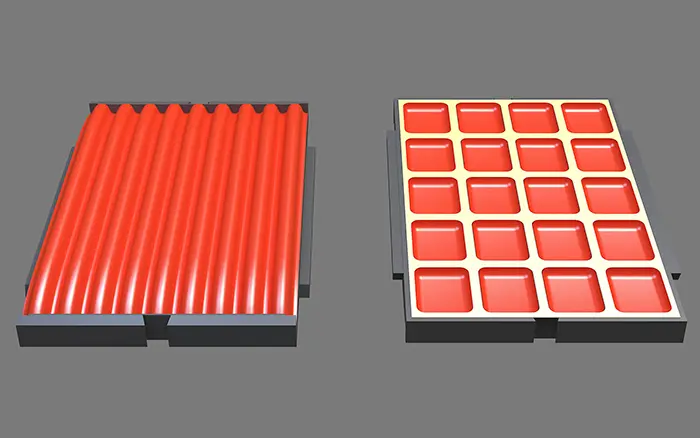
Fixed and Movable Jaw Plates: These are the core crushing components, made of high-wear-resistant alloy materials. The fixed jaw plate is fixedly installed on the frame, while the movable jaw plate makes periodic reciprocating movements relative to the fixed jaw plate under the drive of the eccentric shaft, thereby realizing the extrusion, crushing, and bending of materials.
Eccentric Shaft: Known as the "heart" of the PE series jaw crusher, it is driven by the motor and reducer to rotate, converting rotational motion into the reciprocating motion of the movable jaw plate. The eccentric shaft is made of high-strength alloy steel, with excellent wear resistance and fatigue resistance.
Toggle Plate: It not only plays a role in supporting the movable jaw plate but also acts as a safety component of the equipment. When non-crushable materials (such as iron blocks) enter the crushing chamber, the toggle plate will break first to protect other key components from damage.

Working Principle: Extrusion Crushing for Efficient Material Reduction
Material Feeding: Raw materials are evenly fed into the crushing chamber (the space between the fixed jaw plate and the movable jaw plate) through the feeding device. The crushing chamber is designed with a "V" shape, with a large upper opening and a small lower opening, which is conducive to the smooth entry and gradual crushing of materials.
Crushing Process: When the motor starts, it drives the eccentric shaft to rotate through the reducer and belt transmission. The rotation of the eccentric shaft drives the connecting rod to move up and down, and then drives the movable jaw plate to make periodic reciprocating movements towards the fixed jaw plate. When the movable jaw plate approaches the fixed jaw plate, the materials in the crushing chamber are squeezed, crushed, and bent, and the materials that meet the particle size requirements fall from the lower opening of the crushing chamber; when the movable jaw plate moves away from the fixed jaw plate, the materials above fall into the crushing area, and the cycle is repeated to realize continuous crushing of materials.
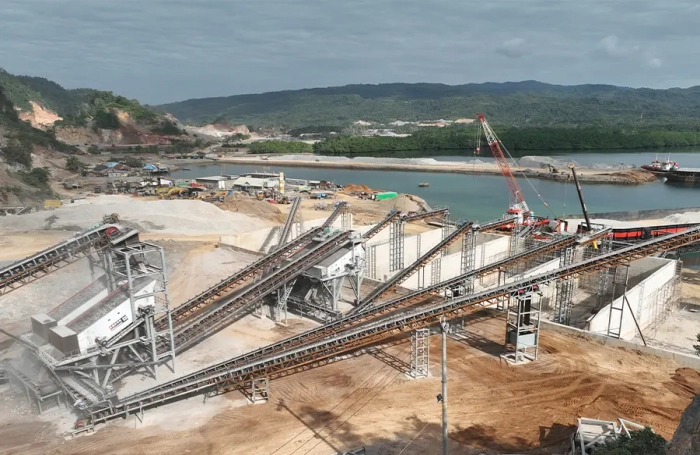
Product Discharge: The crushed materials are discharged from the discharge port of the equipment and transported to the next processing link through the conveyor belt. The size of the discharge port can be adjusted by adjusting the position of the toggle plate, so as to meet the different particle size requirements of the finished products.
Key Advantages: Why the PE Series Jaw Crusher Is Widely Favored
Strong Crushing Capacity: The PE series jaw crusher has a large feeding size and high crushing efficiency, which can handle a large amount of raw materials per unit time. It is especially suitable for the crushing of hard materials, and the crushing ratio (the ratio of the maximum feeding size to the maximum discharge size) can reach 4-6, which can effectively reduce the particle size of materials.
Stable and Reliable Operation: The structural design is reasonable, the number of wearing parts is small, and the failure rate is low. The key components are made of high-quality materials, which can adapt to the harsh working environment of long-term heavy load, and the service life of the equipment is long.
Easy Installation and Maintenance: The equipment has a simple structure, clear component layout, and convenient disassembly and assembly. The replacement of wearing parts (such as jaw plates) is fast, which can reduce the downtime of the equipment and improve the production efficiency. At the same time, the maintenance cost of the equipment is relatively low, which helps to reduce the overall production cost of the enterprise.
Flexible Adjustment of Discharge Particle Size: The discharge port can be flexibly adjusted according to the needs of the finished products, which has strong adaptability. Whether it is the production of coarse aggregate or medium aggregate, the PE series jaw crusher can meet the requirements.
Energy Saving and Environmental Protection: With the continuous advancement of technology, the modern PE series jaw crusher has optimized the transmission system and crushing chamber design, which effectively reduces energy consumption per unit output. At the same time, the equipment is equipped with a dust collection device, which can reduce the emission of dust and noise, and meet the environmental protection requirements of various regions.

Application Scenarios: Covering Multiple Industries and Fields
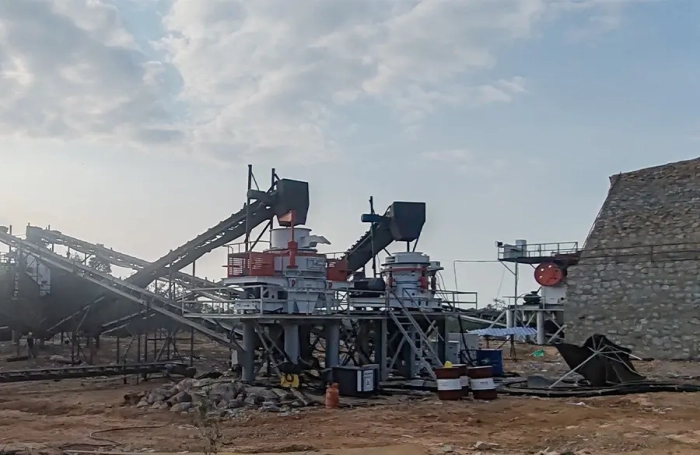
Mining Industry: It is used for the primary crushing of iron ore, copper ore, gold ore, lead-zinc ore, and other metal ores, as well as non-metallic ores such as coal, limestone, and gypsum, providing qualified materials for subsequent beneficiation or processing.
Construction and Building Materials Industry: It is used for the crushing of construction aggregates (such as gravel, sandstone), and the recycling of construction waste. The crushed construction waste can be reused as recycled aggregate, realizing the resource utilization of waste.
Infrastructure Construction: It is widely used in road construction, railway construction, bridge construction, and other projects, providing high-quality crushed stone materials for subgrade filling, concrete mixing, and other links.
Cement Industry: It is used for the primary crushing of limestone, clay, and other raw materials for cement production, laying the foundation for the subsequent grinding process.