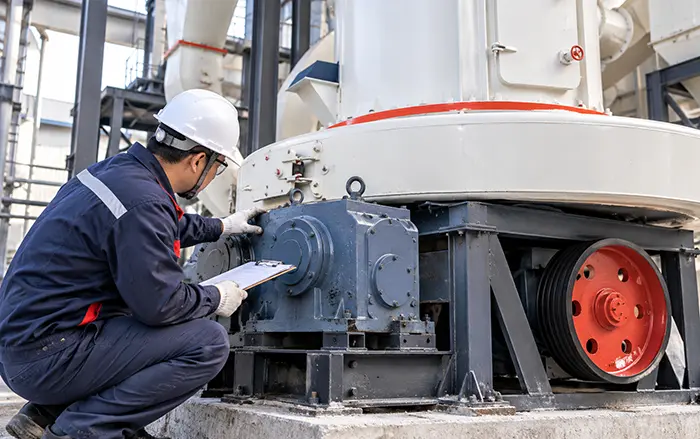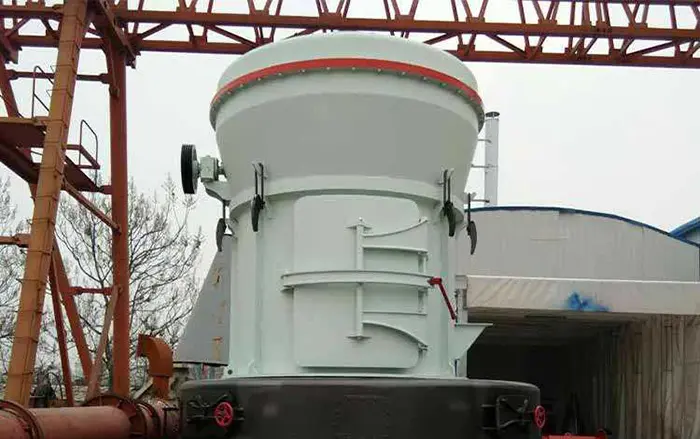
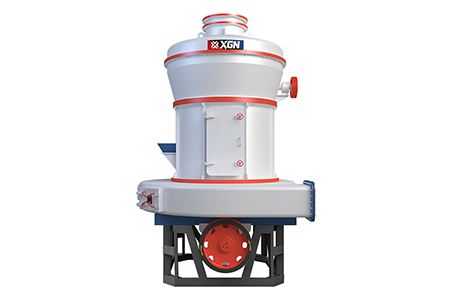
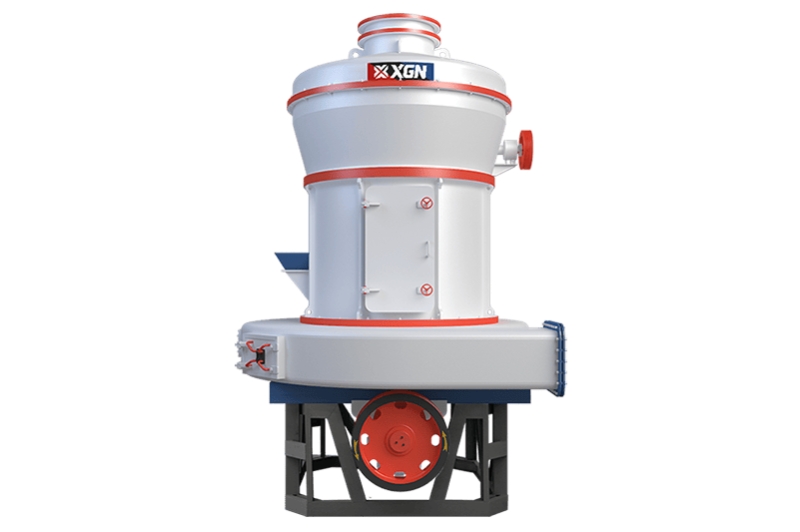
Finding a suitable Raymond mill for sale involves more than comparing model names and motor power. Two mills advertised with similar capacity may include different classifiers, blowers, dust collectors, feeding systems and electrical controls. Their actual output may also vary considerably when processing different materials or producing different powder sizes.
Before requesting a quotation, buyers should define:
Material name and composition
Material hardness and abrasiveness
Maximum feed size
Moisture content
Required finished-powder size
Target capacity
Daily operating hours
Project location
Local voltage and frequency
Existing upstream and downstream equipment
This guide explains how to compare Raymond mill models, understand the main price factors and evaluate a supplier without duplicating the detailed working principle or individual component information covered elsewhere.
For current equipment specifications, see the XINGAONAI Raymond Mill product page.
Is a Raymond Mill Suitable for Your Material?
A Raymond mill is primarily designed for dry grinding of non-flammable and non-explosive mineral materials.
Typical applications include:
Limestone
Calcite
Barite
Dolomite
Gypsum
Talc
Bentonite
Kaolin
Potash feldspar
Marble
As a general selection boundary, the material should normally have:
Mohs hardness below 7
Moisture content below approximately 6%
Feed size within the selected model’s limit
No large metal contamination
Stable feeding characteristics
Actual suitability must be confirmed through material data or a grinding test.
A Raymond mill may not be the best choice when:
The material is extremely hard or highly abrasive.
The feed contains excessive moisture or sticky clay.
The process requires wet grinding.
The required product is significantly finer than the classifier can reliably produce.
The project requires grinding and mineral separation in a wet circuit.
The feed size is too large and no upstream crusher is available.
The material creates an explosion or fire risk.
In these conditions, another grinding machine, additional drying equipment or a different process may be required.
Information Required to Select a Raymond Mill Model
The correct model cannot be selected from required capacity alone. The supplier needs to evaluate the complete operating condition.
1. Material Properties
Provide:
Material name
Mohs hardness
Bulk density
Moisture content
Abrasiveness
Chemical characteristics
Presence of clay or sticky components
A mill processing soft, dry limestone will not produce the same hourly output when processing a harder or more abrasive material.
2. Maximum Feed Size
Feed size affects grinding efficiency, output and wear.
Oversized feed can:
Reduce production capacity
Increase roller and ring wear
Cause unstable operation
Overload the main unit
Increase power consumption
If the raw material exceeds the mill’s feed limit, the quotation should include an appropriate crusher.
3. Required Finished-Powder Size
Do not request only “fine powder” or “200 mesh.” Specify how particle size will be measured.
Useful information includes:
Target mesh or micron size
Required passing percentage
Maximum oversize
Residue requirement
Desired particle-size distribution
Whether several product sizes are required
A finer product normally reduces capacity because material remains longer in the grinding and classification circuit.
4. Required Capacity
State both:
Minimum acceptable output
Target normal output
Do not select a model that can only reach the required capacity under ideal conditions. Allow appropriate capacity margin for material variation, wear and changes in product fineness.
5. Operating Schedule
Provide:
Operating hours per day
Working days per year
Number of production shifts
Planned maintenance window
A plant operating continuously requires stronger emphasis on spare-parts availability, lubrication, monitoring and standby arrangements than a mill used intermittently.
6. Project Location and Electrical Standard
The supplier needs the installation country and site conditions to determine:
Motor voltage
Frequency
Control-cabinet standard
Ambient temperature
Altitude
Dust-control requirements
Transport limitations
Local installation support
XINGAONAI Raymond Mill Model Range
The current XINGAONAI product range lists four models.
| Model | Maximum feed size | Nominal capacity | Main unit power |
|---|---|---|---|
| MTW110 | <30 mm | 3.5–10 t/h | 55 kW |
| MTW138 | <35 mm | 6.5–15 t/h | 90 kW |
| MTW175 | <40 mm | 13–35 t/h | 160 kW |
| MTW215 | <50 mm | 30–45 t/h | 280 kW |
These figures are reference ranges, not guaranteed output for every material.
Actual capacity depends on:
Material hardness
Feed gradation
Moisture
Required powder size
Classifier settings
System airflow
Feed stability
Wear condition
Before publication, the model identity should be confirmed because MTW models may also be described as European trapezium grinding mills. The product page, quotation and technical documents should use the same equipment name consistently.
Bare Mill or Complete Raymond Mill System?
One of the biggest causes of price differences is quotation scope.
A bare-mill quotation may include:
Main grinding unit
Main motor
Basic transmission components
It may exclude the equipment required to operate as a production line.
A complete grinding system may include:
Primary crusher
Bucket elevator
Storage hopper
Vibrating feeder
Main mill
Classifier
Blower
Cyclone collector
Bag filter
Ductwork
Discharge valve
Electrical control cabinet
Steel platform
Foundation drawings
Installation accessories
Never compare a bare-mill price directly with a complete-system quotation.
What Determines Raymond Mill Price?
A reliable quotation should be based on the complete project requirement. The main price factors include the following.
1. Mill Model and Capacity
Larger models require:
A larger grinding chamber
Higher-power motors
Larger rollers and rings
Stronger structural components
Higher-capacity airflow equipment
Larger collection systems
Capacity should be evaluated at the required product fineness, not only at the coarsest possible setting.
2. Required Powder Fineness
Fine powder production may require:
A higher-performance classifier
More precise airflow control
A larger dust collector
Longer material residence time
More wear-resistant components
Additional testing and adjustment
Two quotations for the same mill model may therefore differ if the required finished-powder specification is different.
3. Material Characteristics
Harder and more abrasive materials may require:
Upgraded grinding rollers
Upgraded grinding rings
Different shovel-blade materials
Stronger wear protection
More frequent spare-parts replacement
High-moisture material may require drying equipment or process changes.
4. Auxiliary Equipment
The crusher, elevator, feeder, classifier, blower and dust collector can represent a significant portion of the complete project cost.
Check whether the quotation includes:
Equipment
Motors
Supports
Ducts
Valves
Cables
Control cabinets
Installation hardware
5. Dust-Control Requirements
A basic dust collector and a system designed for stricter emissions requirements may have very different filter areas, cleaning systems and monitoring equipment.
Provide the required local emissions standard before finalizing the quotation.
6. Electrical Configuration
Price can change according to:
Voltage and frequency
Motor brand
Variable-frequency drives
Automation level
Local electrical standard
Remote-monitoring functions
Cabinet protection rating
7. Shipping and Installation
The final project cost may include:
Export packaging
Inland transportation
Ocean freight
Insurance
Customs-related documents
Site installation
Commissioning
Operator training
Engineer travel expenses
Ask whether each item is included or quoted separately.
8. Spare Parts and After-Sales Support
A lower equipment price may result in higher operating cost if critical spares are difficult to obtain.
Confirm whether the supplier provides:
Startup spare-parts package
Recommended two-year spare-parts list
Wear-part drawings
Part numbers
Technical support
Remote troubleshooting
On-site service
Warranty terms
For information about rollers, grinding rings, classifier parts and transmission components, see the Raymond mill parts guide.
How to Compare Raymond Mill Quotations
Use the same project information for every supplier. Otherwise, each quotation may be based on different assumptions.
| Comparison item | Questions to ask |
|---|---|
| Equipment name | Is this a conventional Raymond mill, an MTW mill or another type? |
| Capacity | At what material hardness and finished-powder size is the capacity calculated? |
| Product size | Is fineness stated by mesh, micron size, residue or passing percentage? |
| Feed condition | What maximum size and moisture are permitted? |
| Scope | Does the price include the complete system or only the main mill? |
| Installed power | What is the total installed power of all supplied equipment? |
| Wear parts | What materials are used for the rollers, ring and shovel blades? |
| Dust control | What filter area and emissions basis are provided? |
| Electrical system | Are voltage, frequency and control standards suitable for the destination? |
| Installation | Are foundation drawings, supervision and commissioning included? |
| Warranty | What is covered, excluded and required to maintain warranty validity? |
| Spare parts | Are part numbers, drawings and recommended stock lists included? |
A quotation should clearly state its technical assumptions. A low price without a defined material, fineness and capacity basis cannot be compared reliably.
How to Evaluate a Raymond Mill Manufacturer
1. Check Whether the Supplier Understands the Material
A competent supplier should ask about:
Material hardness
Moisture
Feed size
Required fineness
Capacity
Operating schedule
A supplier that recommends a model based only on hourly output may overlook important process limitations.
2. Request a Technical Proposal
The proposal should include:
Process description
Equipment list
Model selection
Capacity basis
Installed power
Flow diagram
Layout or foundation information
Scope of supply
Exclusions
Spare-parts recommendation
3. Confirm the Capacity Basis
Ask the manufacturer to define:
Test material
Feed size
Product fineness
Moisture
Operating condition
Measurement method
The phrase “up to 45 t/h” is not sufficient without these conditions.
4. Inspect Manufacturing Capability
Where practical, request:
Factory photographs or video
Quality-control procedures
Machining capability
Assembly and test records
Material certificates for major parts
Finished-equipment inspection documents
5. Evaluate After-Sales Service
Clarify:
Installation responsibility
Commissioning procedure
Operator training
Response time
Remote support
Availability of wear parts
International service capability
6. Review Warranty Conditions
Check:
Warranty duration
Covered components
Wear-part exclusions
Labour responsibility
Freight responsibility
Installation requirements
Required maintenance records
Do not rely only on the phrase “one-year warranty.”
New Versus Used Raymond Mill
A used Raymond mill may reduce the initial purchase price, but its condition must be evaluated carefully.
Inspect:
Grinding roller profile
Grinding ring wear
Roller bearings
Main shaft
Classifier rotor and blades
Blower and impeller
Motor and transmission
Gearbox or pulley system
Housing cracks
Dust collector
Electrical cabinet
Availability of documentation
Availability of replacement parts
Request a no-load test and, where possible, a material test.
A used mill may become expensive if it requires new rollers, a new ring, bearings, classifier parts, electrical controls and a dust collector before production.
When gearbox problems are present, refer to the Raymond mill gearbox repair guide before deciding whether to repair the drive or replace the machine.
Information to Include in a Raymond Mill Inquiry
Send the following information to obtain a meaningful quotation:
Material name
Material hardness
Bulk density, if available
Maximum feed size
Feed moisture
Required finished-powder size
Particle-size measurement requirement
Required hourly capacity
Operating hours per day
Project location
Voltage and frequency
Available plant area
Existing crushing or feeding equipment
Required dust-control standard
Required delivery time
Whether installation and commissioning are needed
A material sample may be required when:
The material is unusual.
The abrasiveness is uncertain.
The powder specification is strict.
The expected capacity must be verified.
The material contains clay or variable moisture.
Example of a Clear Purchase Request
Instead of writing:
We need a Raymond mill. Please send your best price.
Use a request such as:
We need a dry grinding system for limestone. Maximum feed size is 25 mm, moisture is below 3%, required product is 200 mesh with a specified passing percentage, and target capacity is 15 t/h. The project is located in Indonesia and uses 380 V, 50 Hz, three-phase power. Please quote the complete system including feeding, grinding, classification, powder collection, dust control, electrical controls, installation guidance and recommended spare parts.
This allows the supplier to select equipment and define the quotation scope accurately.
Common Buying Mistakes
Selecting by price alone
A low quotation may exclude the crusher, classifier, dust collector, electrical system or installation support.
Comparing different capacity conditions
Capacity at a coarse product size cannot be compared directly with capacity at a much finer powder size.
Ignoring total installed power
Compare the combined power of the main mill, classifier, blower, feeder, elevator, crusher and dust collector.
Buying excessive capacity
Oversizing increases capital cost and may result in inefficient low-load operation.
Buying without spare-parts information
Obtain part numbers, drawings and a recommended stock list before shipment.
Ignoring site conditions
Altitude, ambient temperature, voltage, limited space and transport access can affect the final configuration.
Failing to define the finished powder
Mesh alone may not adequately define product quality. Confirm the required passing percentage or residue standard.
Conclusion
Selecting a Raymond mill for sale requires a clear definition of the material, feed size, moisture, finished-powder specification and capacity. Buyers should compare complete technical proposals rather than model names or headline prices.
Confirm whether each quotation covers a bare mill or a complete system. Review the installed power, classifier, dust collector, electrical standard, wear parts, installation service and spare-parts support. Most importantly, require every capacity claim to state the material and finished-powder conditions on which it is based.
A properly selected Raymond mill should meet the required production conditions without depending on unrealistic capacity assumptions or unnecessary oversizing.