

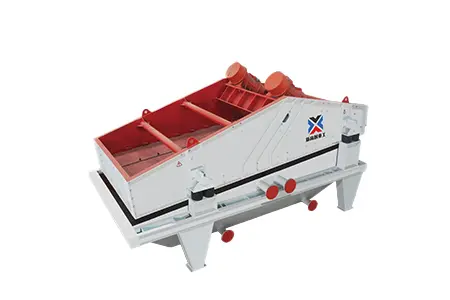
If you process sand, coal, minerals, or any material that needs solid-liquid separation, you know that reducing moisture is critical. A dewatering screen is one of the most efficient and cost-effective machines for this task. Whether you are washing sand, dewatering coal fines, or processing mineral concentrates, a quality dewatering screen can lower moisture content to 10-20% without thermal drying. This guide will help you understand what to look for when you search for a dewatering screen for sale, including key features, types, and selection criteria.
What Is a Dewatering Screen?
A dewatering screen is a vibrating screen specifically designed to remove surface water from solid particles. Unlike conventional screens that only classify by size, dewatering screens use linear vibration, a sloping deck, and fine openings to separate water from solids. The result is a dry, conveyable cake and clarified water that can be recycled or discharged.
Why You Need a Dewatering Screen
Reducing moisture offers several benefits:
Lower transportation costs (water adds weight).
Improved material handling (dry material flows better).
Reduced freezing in cold climates.
Higher product value (dry sand or concentrate sells for more).
Environmentally friendly – water can be reused.
Types of Dewatering Screens for Sale
When you look for a dewatering screen for sale, you will find two main types.
1. Linear Motion Dewatering Screen
This is the most common type. Two vibrating motors rotate in opposite directions, creating a straight-line motion. The screen deck is usually flat or slightly inclined at the feed end, with a steep upward slope at the discharge end. Linear motion screens are robust and handle coarse to medium particles (0.5–10 mm) very well. They are widely used in sand washing plants and coal preparation.
 2. High-Frequency Dewatering Screen
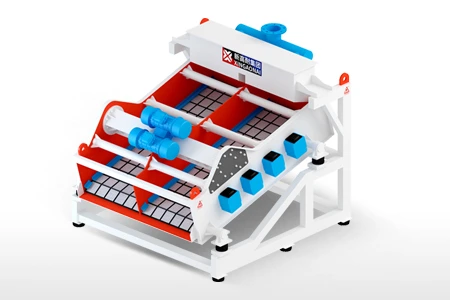
This type uses a single motor with a high vibration frequency (up to 3,600 RPM). The small amplitude but high frequency is very effective for fine particles (below 0.5 mm). High-frequency dewatering screens produce a drier cake for fine sand, tailings, and slimes. They consume less energy but may have lower capacity per unit area.
Key Features to Compare When Buying
Before you choose a dewatering screen for sale, examine these features.
Screen Deck Material
Polyurethane panels are the most common because they are wear-resistant and have fine slot openings (0.2–1.0 mm). Stainless steel wedge wire is also used for very abrasive applications. Check the quality of the panels – cheap ones wear out quickly.
Vibration Motors
Two motors (for linear motion) should be heavy-duty, with adjustable eccentric weights. Look for motors from reputable brands or with a good warranty. The motor power (kW) should match the screen size.
Screen Box Construction
The box should be made of high-strength steel, stress-relieved to prevent cracking. Proper welding and reinforcement at stress points are essential. Some manufacturers use bolted construction for easier repair.
Spring System
Coil springs or rubber buffers isolate vibration from the support structure. Good springs ensure smooth operation and protect the foundation.
Discharge Weir
A properly designed discharge lip or weir helps form a stable material bed and improves dewatering. Adjustable weirs give you control over bed depth.
How to Choose the Right Dewatering Screen for Sale
When evaluating a dewatering screen for sale, ask yourself these questions.
1. What is your material?
Particle size distribution is the most important factor. For sand (0.5–5 mm), a standard linear motion screen works well. For fines (below 0.3 mm), choose a high-frequency model.
2. What is your feed solids concentration?
Dewatering screens work best with feed solids above 40%. If your feed is very dilute (below 20%), you need a pre-thickener like a hydrocyclone or a settling tank.
3. What moisture level do you need?
Most dewatering screens achieve 10-20% moisture. If you need below 10%, you may need a vacuum filter or thermal dryer. Be realistic.
4. What capacity (TPH) do you require?
Manufacturers provide capacity charts based on material type. Overloading a screen leads to wet cake. Choose a model with 20-30% extra capacity for safety.
5. Is the screen easy to maintain?
Check if screen panels can be replaced without removing the entire deck. Look for quick-release clamps or bolted panels. Also check access to vibration motors for greasing.
Where to Find a Reliable Dewatering Screen for Sale
You can buy dewatering screens from specialized manufacturers, mining equipment suppliers, or online B2B platforms. Reputable brands include Metso, Derrick, FLSmidth, and Weir. However, many high-quality, cost-effective options come from Chinese manufacturers like Xingaonai, which offer robust construction and customizable designs at competitive prices.
When contacting a supplier, ask for:
A detailed specification sheet.
A video of the screen in operation (if possible).
References from similar applications.
Lead time and warranty terms.

New vs. Used Dewatering Screen for Sale
Used screens can save you 30-50% of the cost of a new one. But be careful. Inspect the screen panels for wear, cracks in the screen box, condition of springs and motors, and overall rust or corrosion. If possible, run the screen with material before buying. For critical applications, buying new is often safer.
Estimated Price Range (USD)
Note: Prices vary by size, features, and manufacturer. These are rough estimates.
Small linear motion screen (1 x 2 m) for sand: 8,000–15,000
Medium dewatering screen (1.5 x 3 m) for coal or sand: 15,000–30,000
Large high-frequency screen for fine tailings: 30,000–60,000
Used screens: 50-70% of new price
Always get a current quote from your supplier.
Installation and Operation Tips
Place the screen on a level, solid concrete foundation with vibration isolation pads.
Feed the screen evenly across the full width – use a feed box or a distributor.
Start with a low feed rate, then increase until the cake is just moist but not pooling water.
Adjust the vibration amplitude by changing the motor eccentric weights.
Clean the screen deck regularly to prevent blinding.
Conclusion
A dewatering screen is a smart investment for any operation that needs to remove moisture from sand, coal, minerals, or tailings. When searching for a dewatering screen for sale, focus on the type (linear motion vs. high-frequency), screen deck material, vibration motors, and build quality. Match the screen capacity to your material and required moisture level. With proper selection and maintenance, a dewatering screen will provide years of reliable service.