In mining, quarrying, and heavy industrial operations, getting material from a storage bin or stockpile into a crusher is a critical first step. But not all feeders are built for the same job. When you are dealing with large, heavy, sharp, or abrasive materials, you need a machine that can take the punishment. That machine is an apron feeder. If you are searching for an apron feeder for sale, this guide will help you understand what these machines do, where they are used, and how to choose the right one for your operation.
What Is an Apron Feeder?
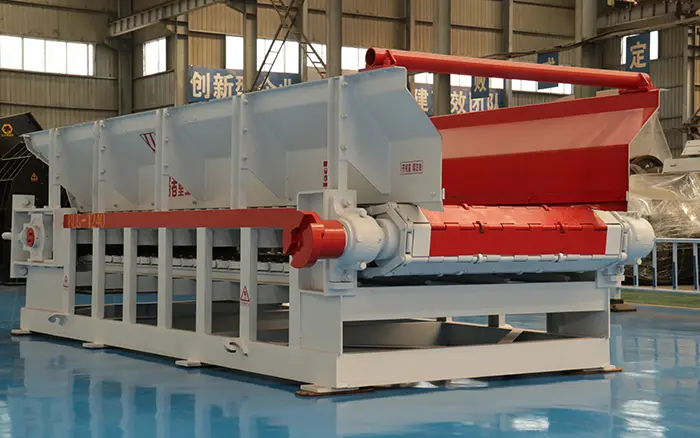
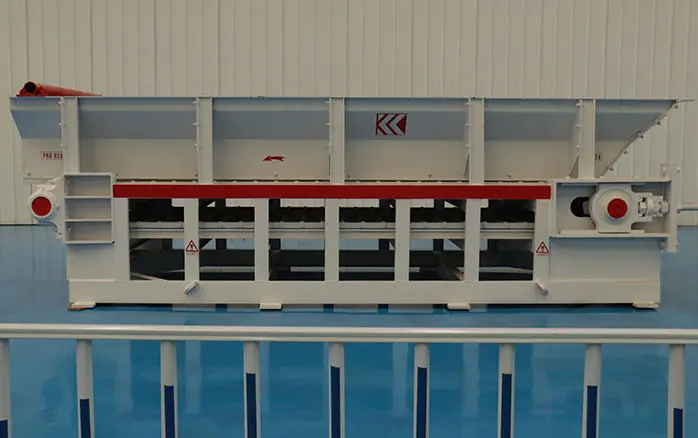
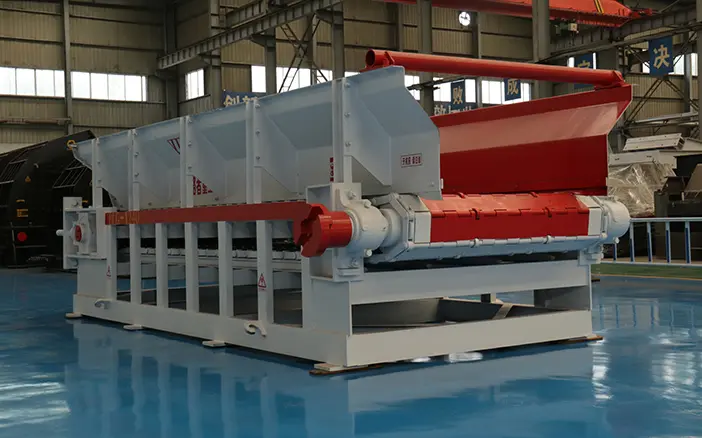
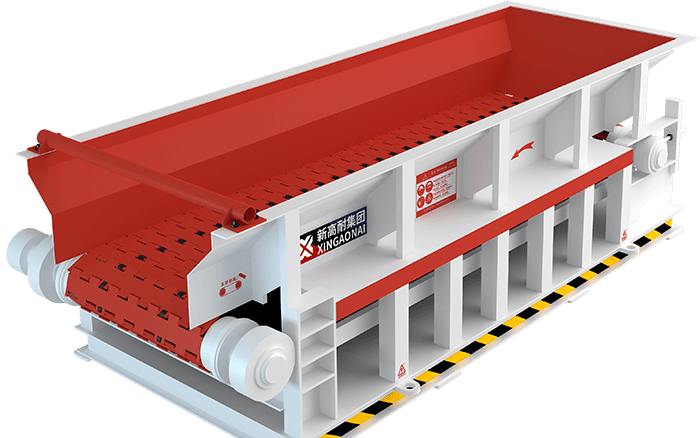
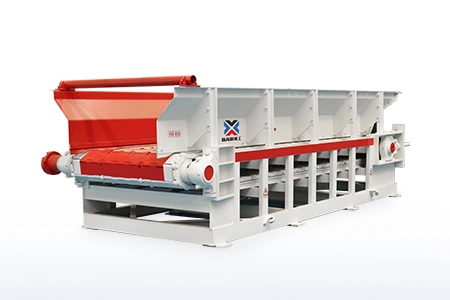
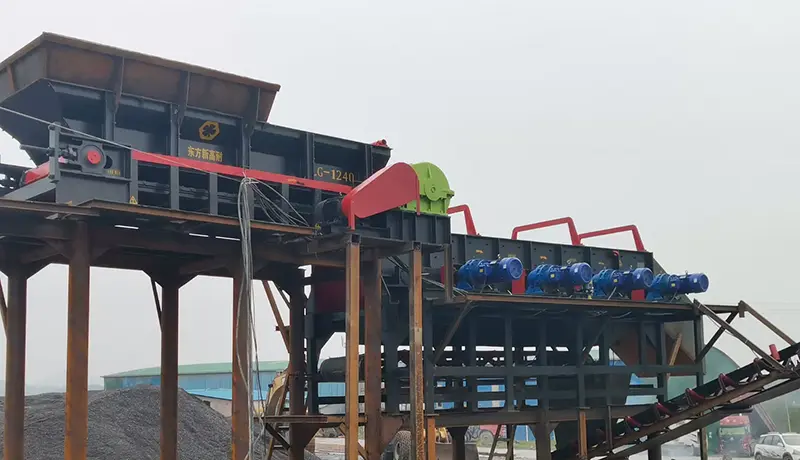
An apron feeder (also known as a pan feeder or chain apron feeder) is a heavy-duty industrial machine designed for continuous feeding of bulk solid materials. Unlike lightweight conveyors, an apron feeder uses a series of overlapping steel pans or plates mounted on heavy-duty chains. These metal plates form a rigid, durable surface that can withstand the weight and abrasion of large, heavy materials like boulders, ore, and gravel.
The name “apron” comes from the way the overlapping plates look like a metal apron. This design is much tougher than a rubber belt. Think of it like the tracks on a bulldozer. It is made of steel and can handle big rocks, sharp materials, and heavy impact from a height.
How an Apron Feeder Works
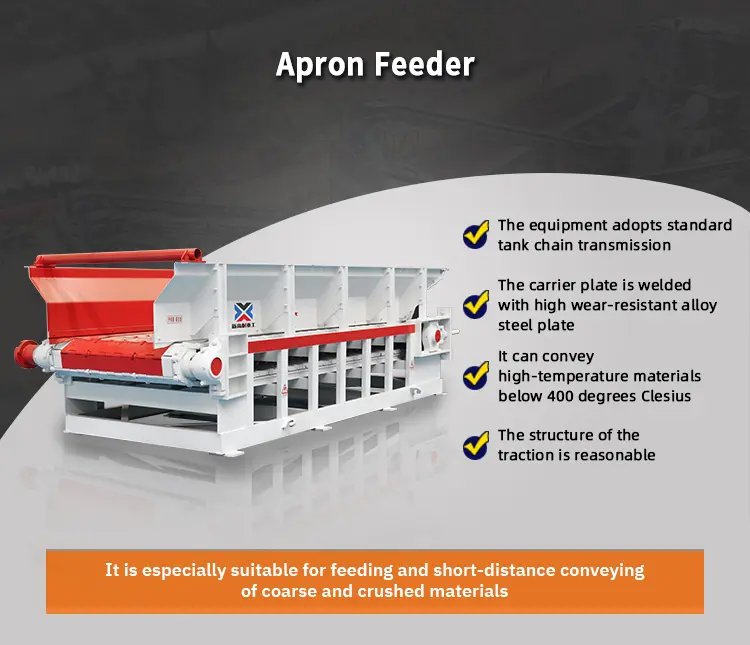
The working principle of an apron feeder is simple but very effective. Here is the step-by-step process:
Material Loading: Bulk materials are discharged from a hopper or stockpile onto the overlapping pans of the apron feeder.
Chain-Driven Movement: A motor and gearbox drive a chain system (typically roller chains or pintle chains) that pulls the pans along a fixed path. The speed is adjustable, usually between 0.05 and 0.5 meters per second.
Continuous Feeding: As the chain moves, the pans carry the material forward at a controlled rate, delivering it evenly to the inlet of downstream equipment like a jaw crusher or vibrating screen.
Discharge: At the end of the feeder’s path, the pans tilt slightly (or the chain turns) to discharge the material, completing the feeding cycle. The overlapping design of the pans prevents material spillage during transport.
An apron feeder is installed under a hopper. As the head shaft rotates, the material is pulled out of the hopper by the movement of the flights (the pans). The size of the hopper opening combined with the speed of the flights provides a metered flow.
Key Benefits of an Apron Feeder
Why choose an apron feeder over other types of feeders? Here are the main advantages:
Excellent Impact Resistance
Because the apron feeder is made of steel plates, it can withstand high impact from large ore or rock falling from a height. This makes it a good choice to be placed under stockpiles where the material may have a long fall before it enters the feeder.
Handles Heavy and Abrasive Materials
Apron feeders are designed to handle heavy, lumpy, and abrasive materials that would damage less durable equipment. They can accept very hard, abrasive, and tough materials, as well as lumps of larger dimensions.
Uniform and Controlled Feeding
With a variable speed drive, apron feeders provide precise control over the feed rate. This allows you to match the output to your crusher or screen, preventing overloads and ensuring efficient processing.
Wide Capacity Range
Apron feeders can handle both small and large capacities, typically from 10 to 6,000 tons per hour (TPH). Some large primary feeders can reach up to 5,000 TPH.
Long Service Life
Built with heavy-duty components like sealed bearings and lubricated chains, apron feeders are designed for decades of service with low maintenance requirements.
Apron Feeder vs. Belt Feeder
A common question is: apron feeder or belt feeder? The answer depends on your material. Here is a simple comparison.
Apron Feeder:
Built from steel plates on chains
Handles large, heavy, sharp materials
Withstands high impact and high temperatures
Higher upfront investment
Slow moving, but very durable.
Belt Feeder:
Uses a rubber belt
Good for smaller, fine materials (6 inches or less)
Can be punctured by sharp objects
Lower upfront cost
Moves faster
An apron feeder is more expensive, but it is better suited for primary applications where you drop big, heavy material with sharp edges from a height. A belt feeder works for secondary applications with smaller aggregates that will not be dropped from a height.
Common Applications
Apron feeders are used across many industries, including:
Mining and Quarrying: Feeding large rocks and ores from storage bins to primary crushers. They can handle everything from iron ore to granite and limestone.
Aggregate Production: Moving gravel, crushed stone, and sand through processing plants.
Recycling: Handling scrap metal, broken glass, and construction waste. The steel plates resist sharp edges.
Power Plants: Moving coal or ash in high-temperature environments.
Cement Plants: Feeding limestone and other raw materials to crushers and mills.
Ports and Harbors: Reclaiming material from large stockpiles for ship loading.
Apron Feeder for Sale: Key Selection Factors
When you are in the market for an apron feeder for sale, consider these important factors:
Material Characteristics
Identifying the type of material you are handling is the first step. Consider abrasiveness, moisture content, particle size, and bulk density. Abrasive materials like ores require wear-resistant components.
Feed Rate and Capacity
Determine your required throughput in tons per hour (peak and normal). This will determine the size of the feeder and the power of the drive system.
Maximum Lump Size
The width of the feeder should ideally be about twice the maximum particle size of your material. This prevents bridging (arched blockages). Maximum feed sizes can range up to 1,500 mm (about 60 inches) or more for large primary feeders.
Hopper Configuration
The hopper shear length (the dimension from the back plate to the shear bar) is a key parameter for sizing the feeder and drive system. Improperly identifying this can result in insufficient power or excessive operating costs.
Drive System
Choose between fixed-speed or variable-speed drives, and hydraulic or electro-mechanical options. Variable speed drives are ideal for applications with fluctuating demand.
Who Makes Apron Feeders?
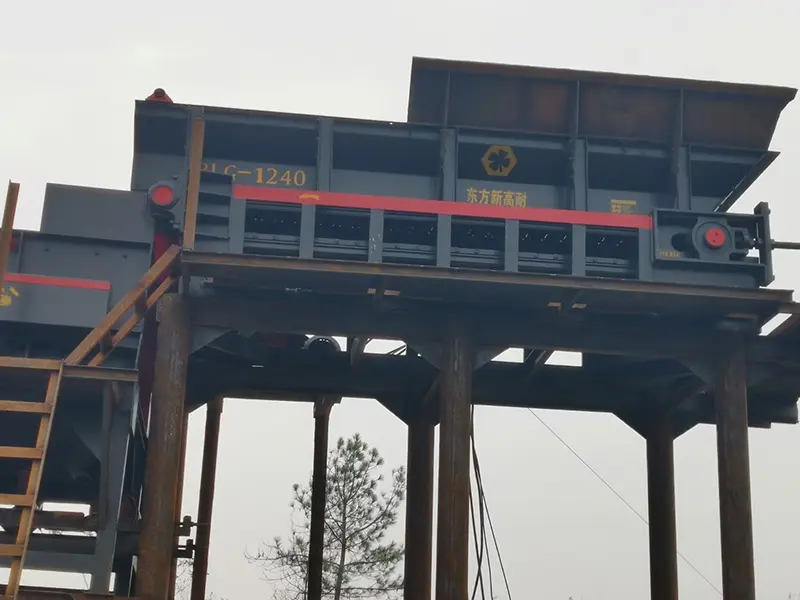
Several manufacturers produce apron feeders. Major global names include Metso, McLanahan, Weir (Trio), and FAM. In China, Xingaonai is a well-regarded manufacturer. The company integrates advanced technology and high-quality materials into every unit. Xingaonai’s apron feeders feature robust steel frames and wear-resistant apron plates made of high-strength manganese steel or alloy steel, ensuring resistance to abrasion, impact, and corrosion. The company offers customizable widths, lengths, and capacities, with models handling from 5 to 1,000 TPH. For specific inquiries or a quote, please contact Xingaonai directly.

New vs. Used Apron Feeder for Sale
You can find both new and used apron feeders for sale. New feeders come with warranties and the latest design features, but they cost more. Used feeders can be more affordable, but you should be careful. When considering a used unit, inspect the feeder’s age, overall condition, and maintenance history. Check for wear and tear on the plates and chains, and make sure the drive system and motor are in good working order.
Conclusion
An apron feeder is a heavy-duty workhorse designed for the toughest feeding applications in mining, quarrying, and recycling. If your operation handles large, abrasive, or sharp materials, an apron feeder is likely the right choice. By understanding how it works and what to look for when you are searching for an apron feeder for sale, you can make a smart investment that will improve your production efficiency and reduce downtime.