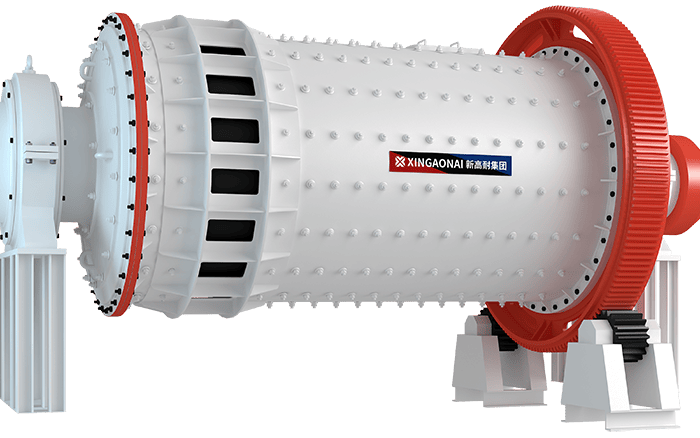
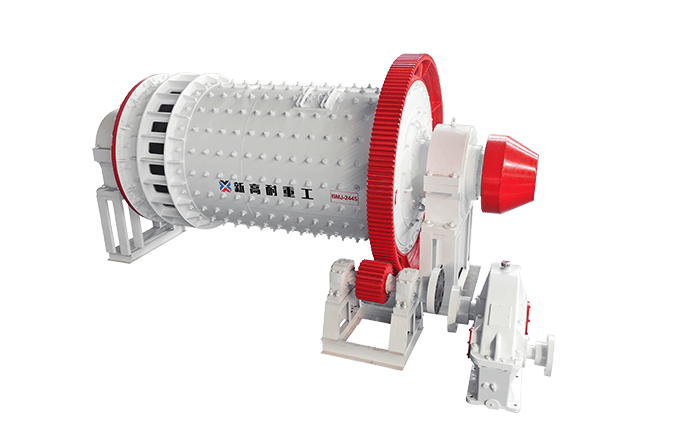
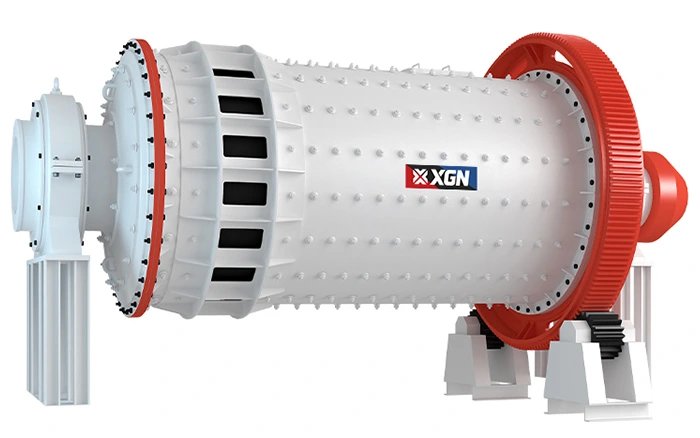
Grinding Mill

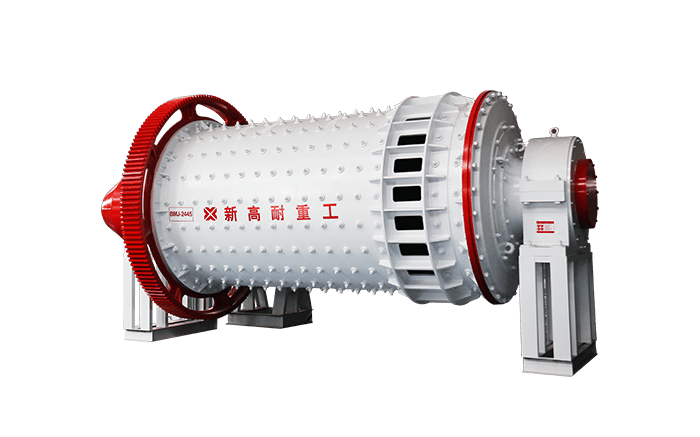
Sand Making Rod Mill

CAPACITY

80-500t/h

FEED SIZE

≤30mm
Application areas:Manufactured sand production, quartz sand processing, aggregate plants, mineral processing, refractory materials, cement and construction material production.
Applicable materials:Quartz, limestone, feldspar, river pebble, granite, iron ore, gold ore, slag and other hard or brittle materials suitable for rod grinding.
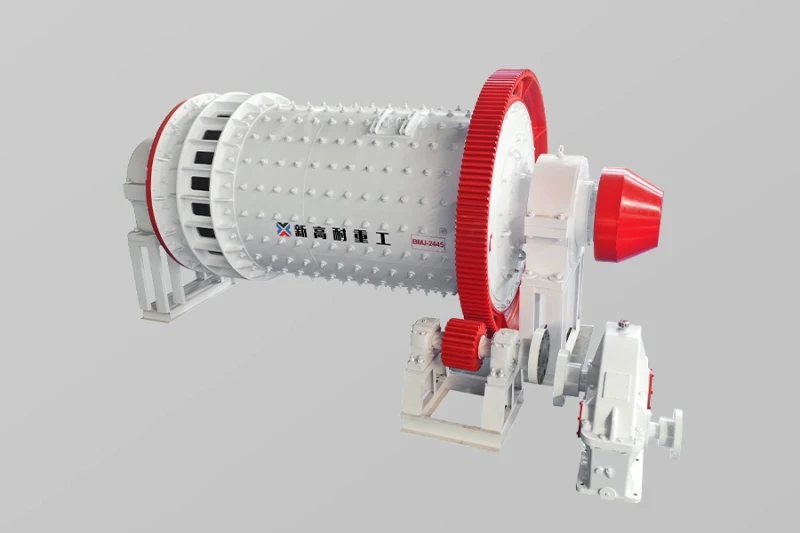
Product Overview

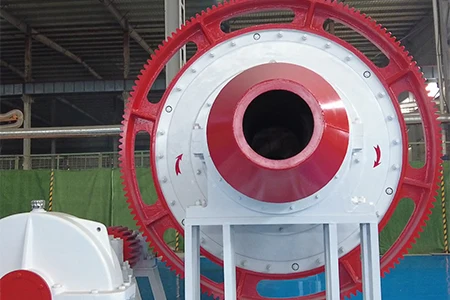
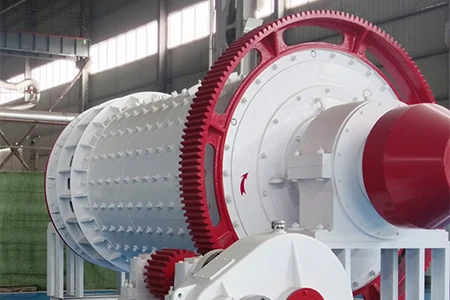
The Rod Mill for Sand Making is a cylindrical grinding machine that uses long steel rods as grinding media. It is designed to process pre-crushed feed up to 30 mm and produce a controlled product below 5 mm for manufactured sand and coarse-grinding applications.

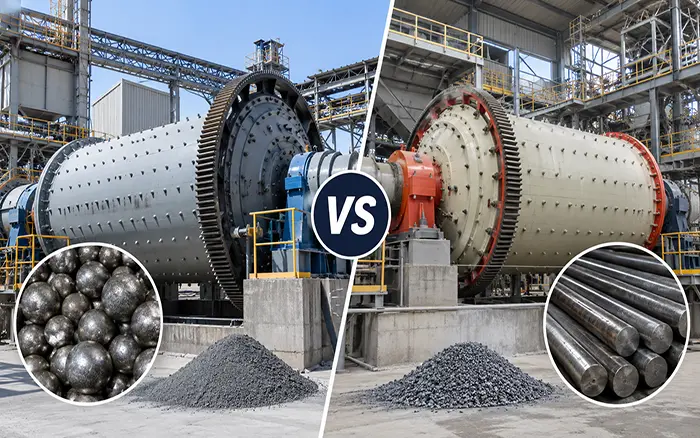
Unlike a ball mill, the grinding rods contact the material along a line rather than at individual points. This selective grinding action helps reduce overgrinding and excessive fines while producing a more controlled particle-size distribution.

XINGAONAI BMJ rod mills are available in capacities from 80 to 500 tph. The final capacity and product gradation depend on the material hardness, abrasiveness, moisture, feed distribution, discharge configuration and operating conditions. Wet or dry grinding and the appropriate discharge arrangement should be confirmed according to the specific project.

Key Advantages

Controlled Product Gradation

Line-contact grinding between the steel rods and material reduces excessive pulverization and helps produce a more controlled particle-size distribution with fewer unwanted fines.

Reduced Overgrinding

Compared with ball grinding, the selective action of steel rods is better suited to coarse grinding and sand-making applications where excessive fine powder must be limited.

High-Capacity Model Range

Six BMJ models cover nominal capacities from 80 to 500 tph, allowing the mill size to be matched to different feed conditions and production requirements.

Flexible Discharge Control

The discharge configuration can be selected according to the required product size, retention time and throughput. Screening or classification equipment can be added to stabilize the final gradation.

Stable Heavy-Duty Operation

The cylindrical shell, drive system, liners and grinding rods are designed for continuous industrial operation. Proper rod loading, lubrication and feed control help maintain stable output and reduce unplanned downtime.

Working Principle

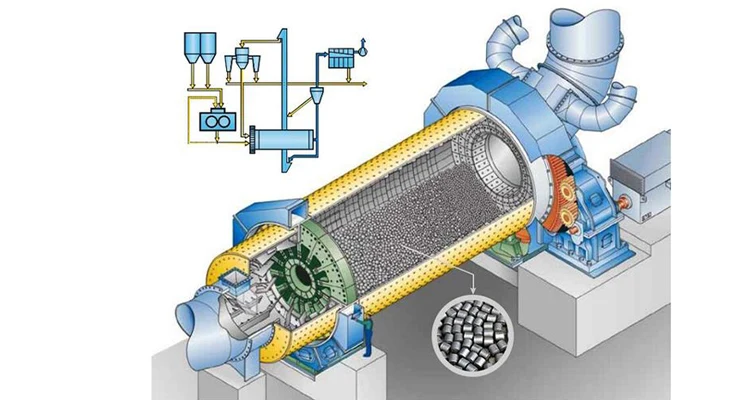
Working Principle of Sand Making Rod Mill
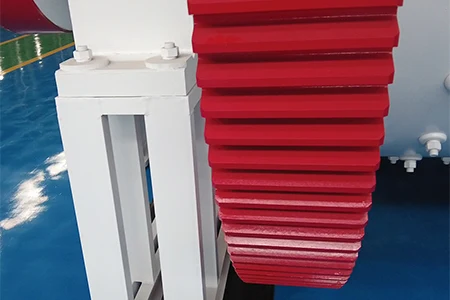
The motor drives the cylindrical shell through the reducer, pinion and girth gear. Long steel rods are loaded parallel to the axis of the cylinder. As the shell rotates, friction and centrifugal force lift the rods before gravity causes them to cascade, roll and slide over the material. Pre-crushed feed of up to 30 mm enters the mill continuously through the feeding end. The material is reduced by impact, compression and line-contact grinding between the rods and particles. Because the rods preferentially act on larger particles, the process limits excessive grinding of material that has already reached the required size. The finished material moves toward the discharge end and exits through the selected discharge system. A vibrating screen or classifier may be installed after the mill to separate qualified sand from oversized particles. Oversized material can be returned for further grinding to maintain stable product gradation.

Technical Parameters

Model

size

(mm)

Feed size

(mm)

Discharge size

(mm)

Motor power

(kw)

Capacity

(tph)

BMJ-21362100x3600≤30<528080-100
BMJ-24452400x4500≤30<5380150-200
BMJ-27452700x4500≤30<5450200-300
BMJ-27552700x5500≤30<5500300-350
BMJ-32553200x5500≤30<5800400-450
BMJ-36553600x5500≤30<51250450-500


We are here waiting for you
Our professional team can tailor the solution to suit your needs and answer your questions
Contact Engineer

Frequently Asked Questions

A rod mill is used for coarse grinding, manufactured sand production and preparation of material for downstream mineral processing. It is especially suitable when a controlled product size and reduced overgrinding are required.

The BMJ series accepts pre-crushed feed up to 30 mm and is designed to produce material below 5 mm. Actual product gradation depends on the material, rod loading, mill speed and discharge configuration.

A rod mill uses long steel rods and produces a relatively coarse, well-graded product with less overgrinding. A ball mill uses steel balls and is generally selected when a finer product is required.

Rod mills can be configured for wet or dry grinding, but the correct shell, liner, feeding and discharge arrangement must be selected for the intended process. Confirm the required mode before ordering.

Provide the material type, maximum feed size, required capacity, target product size, moisture content, grinding mode and downstream process. These details are required to confirm the mill size, motor power, rod loading and discharge configuration.

Wet grinding configurations can process materials containing moisture, but excessive clay or sticky feed may affect material flow and discharge. A material test or technical evaluation is recommended.

Related Blogs

Send message

Please enter your name
Please enter your email
Please enter your message