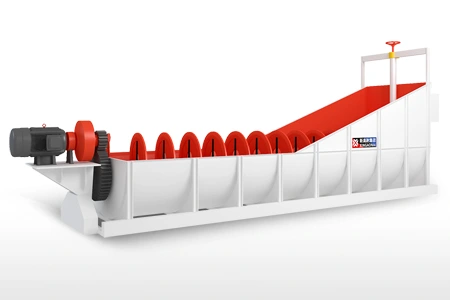
Sand Crusher

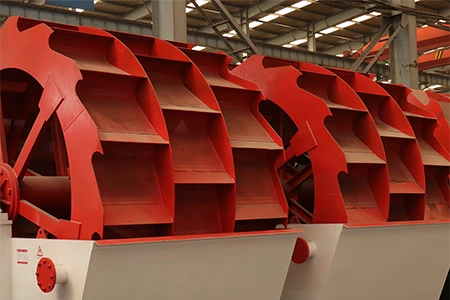
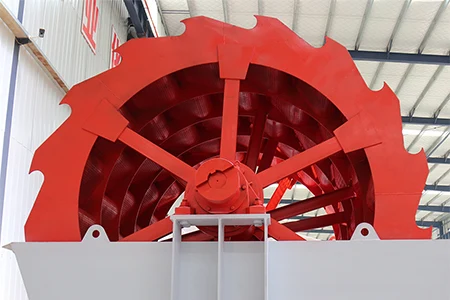
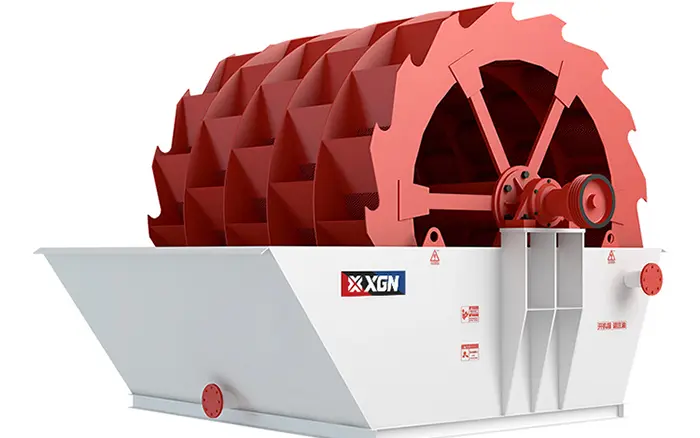
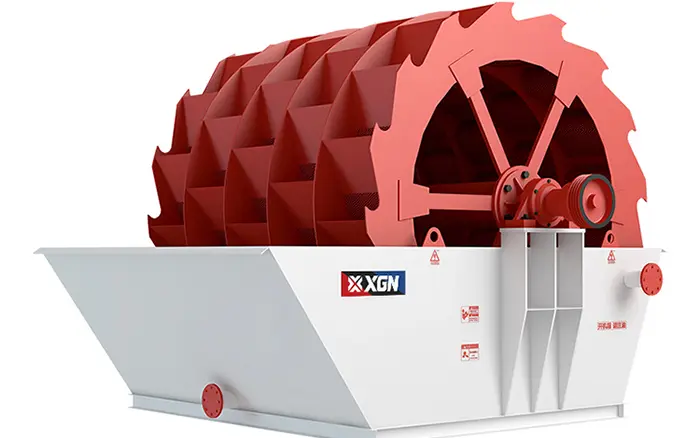
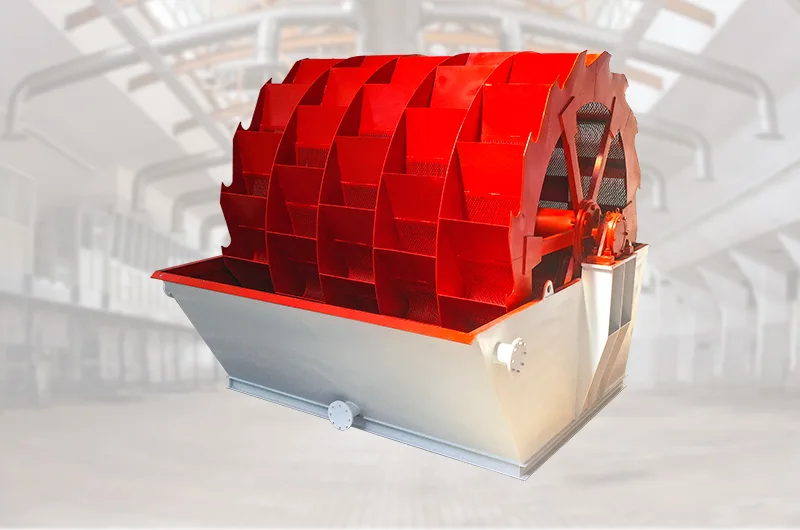
Wheel Bucket Sand Washing Machine

CAPACITY

20-220t/h

FEED SIZE

≤10mm
Application areas:Wheel bucket sand washing machines are often used in conjunction with sand making machines and are widely used in wet sand making processes in mining, building materials, water conservancy and hydropower, concrete mixing stations, and other fields.
Applicable materials:Manufactured sand made from granite, limestone, basalt and river pebble, as well as natural sand, crushed sand and fine aggregates within the specified feed-size range.
Product Overview

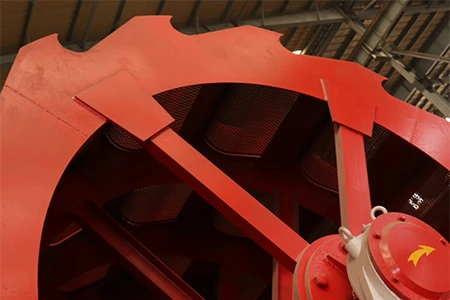
The wheel bucket sand washing machine has the characteristics of high cleanliness of finished products, large processing capacity, low power consumption, and long service life. It plays an indispensable role in the artificial sand wet processing process and is widely used in sand and gravel yards. Mining, building materials, water conservancy and hydropower, and concrete mixing stations can effectively improve the cleanliness and quality of finished sand, and are the preferred equipment for upgrading the sand washing industry today.

Key Advantages

Low Fine-Sand Loss

The bucket wheel lifts and drains the washed sand gently, helping reduce unnecessary fine-particle loss when the water flow and overflow level are correctly adjusted.

Simple and Reliable Structure

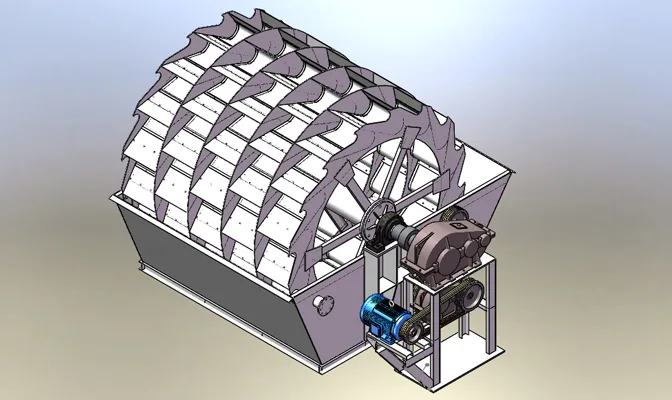
The transmission and bearing assemblies are separated from the water and slurry area, reducing contamination and simplifying routine maintenance.

Efficient Washing and Dewatering

Continuous agitation, rinsing and bucket drainage remove loose clay, silt and dust while reducing the moisture content of the discharged sand.

Flexible Plant Integration

The machine can be integrated with crushers, vibrating screens, sand-making machines and fine-sand recovery systems in stationary sand and aggregate plants.

Working Principle

Working Principle of Wheel Bucket Sand Washing Machine
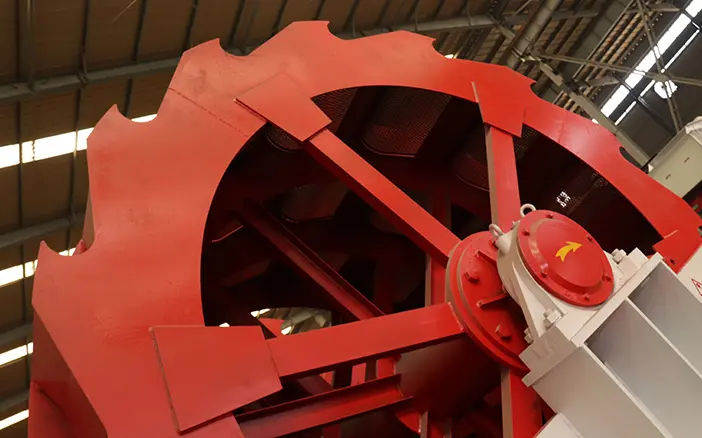
The XS Series wheel bucket sand washing machine uses a motor-driven impeller to continuously agitate the sand-water mixture inside the washing tank. During rotation, water loosens and carries away clay, silt and dust from the sand surface. The bucket wheel then lifts the cleaned sand from the tank, while water drains through the perforated bucket screens. Washed sand is discharged from the outlet, and wastewater containing suspended fines flows over the adjustable overflow weir for external settling or recycling.

Technical Parameters

Model

Impeller (outside diameter*width)

(mm)

Impeller speed

(r/min)

Max Feed Size

(mm)

Capacity

(tph)

Motor power

(kw)

Dimensions

(mm)

XGN-XS26102600x10001.178≤1020-505.53255x1982x2690
XGN-XS28162800x16001.177≤1030-60113540x3000x2880
XGN-XS30163000x16001.179≤1050-120153845x3000x3080
XGN-XS32203200x20001.18≤1070-160154100x3560x3300
XGN-XS32303200x30001.18≤10180-22018.54100x3560x3300
XGN-XS36203600x20001.18≤10100-18018.54600x3560x3700


We are here waiting for you
Our professional team can tailor the solution to suit your needs and answer your questions
Contact Engineer

Frequently Asked Questions

It is used to remove loose clay, silt and dust from manufactured sand and natural sand in aggregate, concrete and sand-making plants.

The recommended maximum feed size is determined by the selected model. Based on the current specification table, the maximum feed size is 10 mm and should be confirmed before ordering.

A wheel sand washer generally offers lower power consumption and lower fine-sand loss, making it suitable for sand with low to moderate contamination. A spiral sand washer provides stronger agitation and is often preferred for materials containing more clay or heavier contamination.

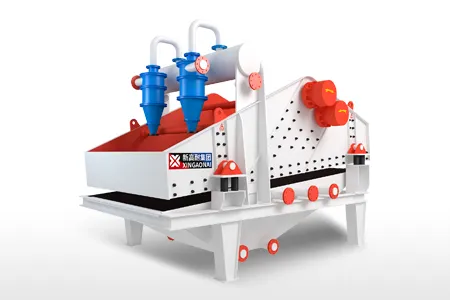
The wheel bucket washer can reduce unnecessary sand loss, but it is not a dedicated fine-sand recovery system. A fine sand recovery machine should be added when recovery of very fine particles is required.

Provide the feed size, required capacity, material type, clay content, target product size and available water supply. XINGAONAI can then recommend the appropriate wheel diameter and bucket width.

Yes. Wastewater can be reused after treatment through a settling pond, thickener, filter press or other water-recycling system.

Related Blogs

Send message

Please enter your name
Please enter your email
Please enter your message