

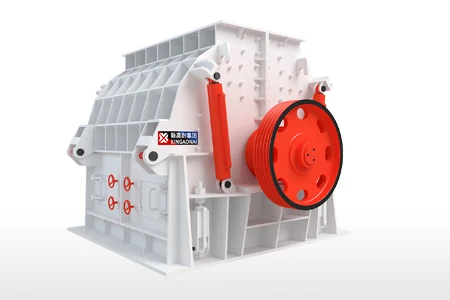
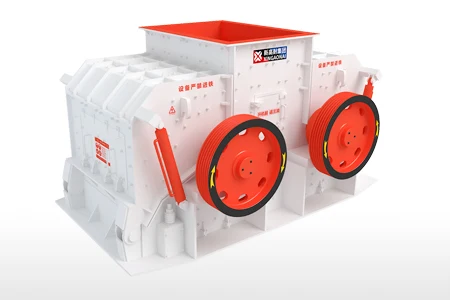
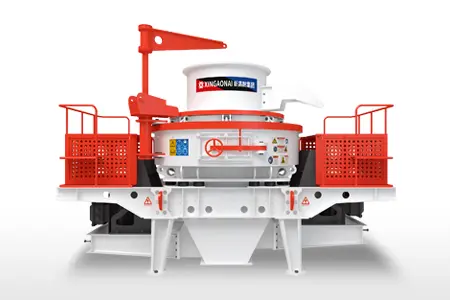
As the core equipment of modern sand and gravel production lines, sand making machines play a vital role in improving production efficiency, reducing costs, and protecting the environment. Dry sand making and wet sand making are two mainstream sand making processes, with distinct characteristics and applicable scenarios. Their differences affect sand making efficiency, product quality, production costs, and environmental impact—this article details 5 key differences to help you make the right choice.
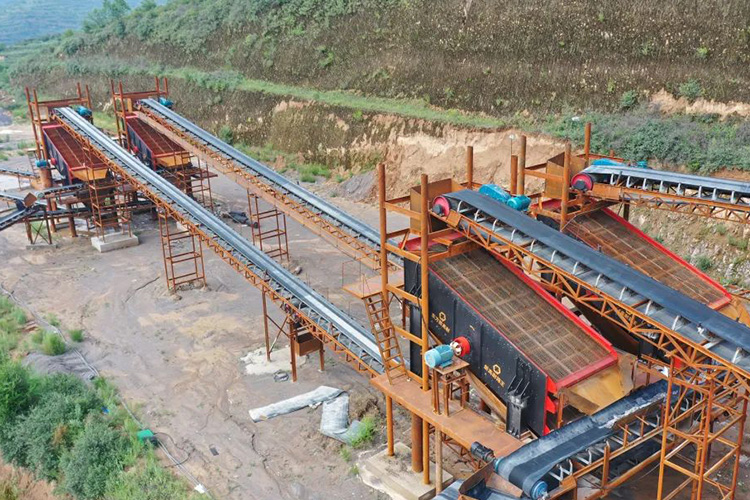
1. Production Conditions & Processes
Dry sand making is mainly suitable for arid areas with low rainfall and scarce water resources. Its production process is similar to the wet method, but after inspection and screening, a powder separator is used instead of a sand washing machine, and sand and gravel are not washed. Meanwhile, dry sand making equipment adopts dust collectors instead of fine sand recovery devices and wastewater treatment equipment. For cold regions, dry sand making avoids freezing issues from the wet process.Wet sand making is suitable for water-rich areas or locations close to water sources. It mainly uses sand washing machines to round sand grains and reduce soil content through washing, which is a typical high-cleanliness wet sand making process.
2. Water Consumption
Dry sand making consumes almost no water, only a small amount for spraying and dust suppression—ideal for water-saving sand making needs.Wet sand making requires a large amount of water during production, with about 2 to 3.5 tons of water consumed per ton of sand and gravel, making it highly dependent on water resources.
3. Finished Product Quality
Dry sand making produces aggregates and artificial sand with low moisture content (generally not higher than 2%), but the surface cleanliness is relatively low with a certain amount of stone powder remaining.Wet sand making yields sand and gravel aggregates with a good appearance, clean surface, and high quality—perfect for projects requiring high-purity finished sand.
4. Economic Benefits & Environmental Impact
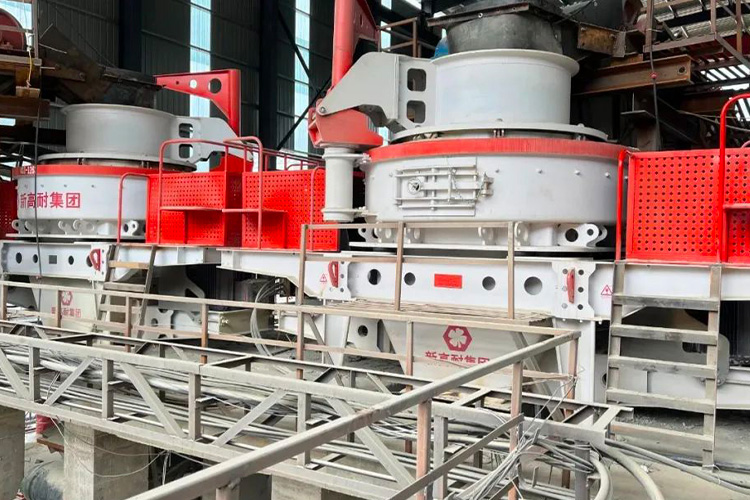
Dry sand making is not affected by drought or cold seasons and can operate continuously throughout the year. It has a simple system, low investment, small floor space, and low production costs, thanks to the reduction of drainage and sewage treatment equipment. However, it’s crucial to control soil and organic matter in raw materials to avoid clogging the dust collection system.Wet sand making is only suitable for mining areas with abundant water resources and cannot operate normally when temperatures drop below zero in winter. It requires additional drainage and sewage treatment equipment, leading to large investments, large floor space, and difficult operation and management.
5. Dust Emission & Environmental Protection
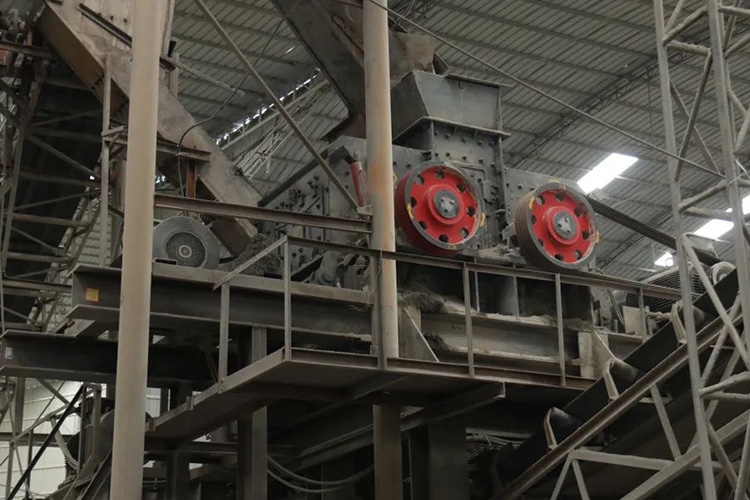
Dry sand making generates some dust pollution, but this can be effectively collected and treated by dust collectors. Additionally, the stone powder produced can be rationally utilized, making it an environmentally friendly sand making technology.Wet sand making has no dust pollution, but direct discharge of muddy sewage from production will cause environmental pollution. Recycling the sewage requires significant equipment investment and operational costs.
Quick Selection Guide
Choose dry sand making for water-scarce areas or production needs that prioritize low cost, high productivity, and environmental friendliness. Opt for wet sand making if you’re in a water-rich area or pursue high cleanliness of finished sand. Both processes serve specific scenarios, and the right choice depends on your actual production environment and requirements.