

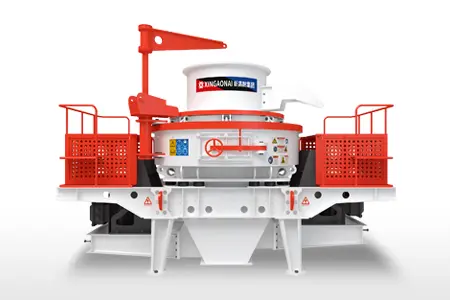
The 300 tph sand making line is a integrated solution designed to convert raw materials like granite, limestone, river pebbles, or basalt into high-grade construction sand. It covers all stages from feeding to screening, ensuring consistent particle size, cubical shape, and low impurities—essential for concrete, asphalt, and building projects.
1. Raw Material Feeding (300 TPH Sand Making Line Start-Up)
The 300 tph sand making line kicks off with raw material feeding. A vibrating feeder uniformly transports large chunks (up to 500mm in diameter) from the storage hopper to the primary crusher. Its adjustable speed maintains a steady flow, preventing overload in downstream processes. For high-moisture materials, optional dewatering screens reduce clogging risks.
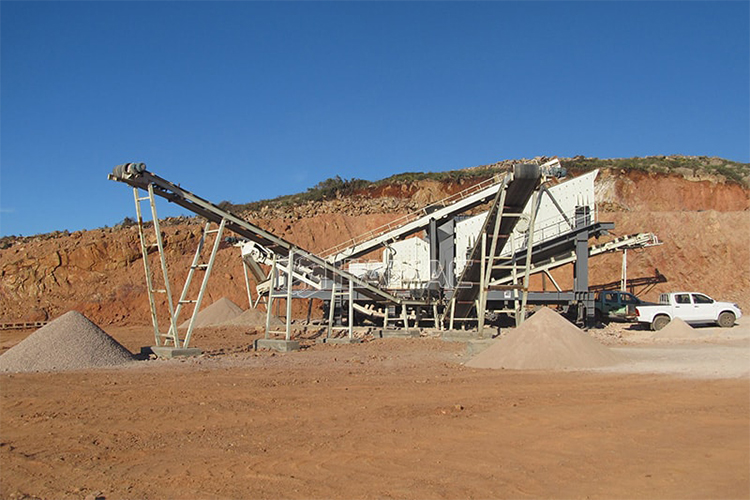
2. Primary Crushing (Core Pre-Processing for 300 TPH Line)
Raw materials undergo primary crushing in the 300 tph sand making line to shrink large boulders into manageable pieces. A jaw crusher (PE 900×1200 or European C125 series) is preferred for hard, abrasive materials like granite. It applies compressive force to crush materials into 50–150mm particles, protecting downstream equipment from excessive wear.
3. Secondary Crushing (Intermediate Refining for Sand Quality)
After primary crushing, the 300 tph sand making line conveys materials to a cone crusher for secondary processing. This step reduces 50–150mm particles to 10–30mm, ensuring uniform gradation. For softer materials like limestone, an impact crusher replaces the cone crusher to enhance particle shape—critical for premium sand production.
4. Sand Making (Final Crushing: Core of 300 TPH Line)
The 10–30mm crushed material enters a VSI crusher—the heart of the 300 tph sand making line. High-speed rotor rotation accelerates materials, creating particle-on-particle impact (autogenous crushing) or impact against anvils. This shapes particles into cubical sand (0–5mm, 5–10mm, 10–20mm) with low flakiness. Adjustable rotor speed lets operators control fineness for project-specific needs.
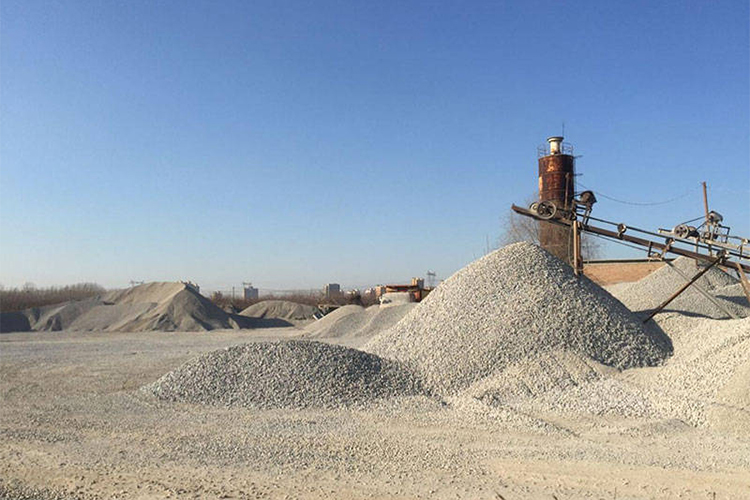
5. Screening and Classification (Quality Control for 300 TPH Output)
Screening is a vital step in the 300 tph sand making line. A vibrating screen separates the sand-mixture into graded products:
Qualified sand (target sizes like 0–5mm, 5–10mm) is sent to finished product piles.
Oversize particles (>20mm) are recycled back to the VSI crusher for reprocessing, eliminating waste.
For dry sand requirements, a sand washing machine is added post-screening to remove dust and impurities.
6. Conveying and Storage (Seamless Flow for 300 TPH Production)
Belt conveyors transport materials between stages of the 300 tph sand making line, with adjustable speeds matching production rhythms. Finished sand is stored in silos or stockpiles, ready for loading. Some lines feature automated stacking systems to organize sand by grade, simplifying inventory management.
Key Advantages of the 300 TPH Sand Making Line
High Efficiency (300 TPH Capacity)
With a 300 tph output, the sand making line delivers over 2,000 tons of sand per 8-hour shift. It meets large-scale construction demands, minimizing production downtime with steady material flow.
Premium Quality Sand
The VSI crusher—core of the 300 tph sand making line—ensures cubical particles with low flakiness. This sand is ideal for high-strength concrete and asphalt, meeting industry quality standards.
Strong Flexibility
The 300 tph sand making line adapts to diverse raw materials (granite, limestone, river pebbles) and adjustable sand grades. It caters to different project requirements, from commercial sand supply to on-site construction use.
Advanced Automation
Equipped with PLC control systems, the 300 tph sand making line enables real-time monitoring of output, power consumption, and other key data. This reduces manual intervention, improving operational efficiency and stability.