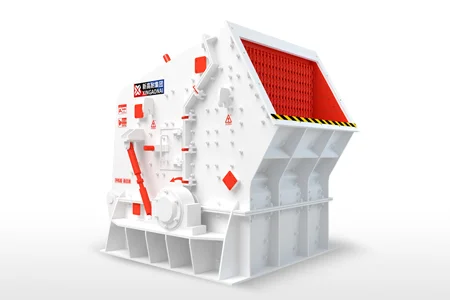
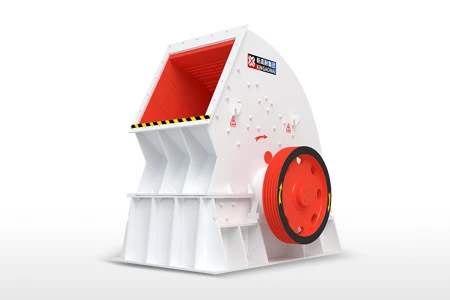
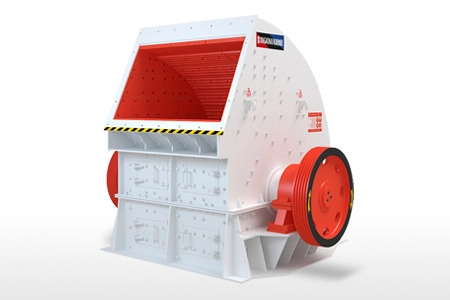
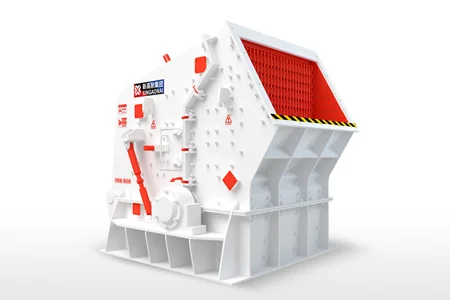
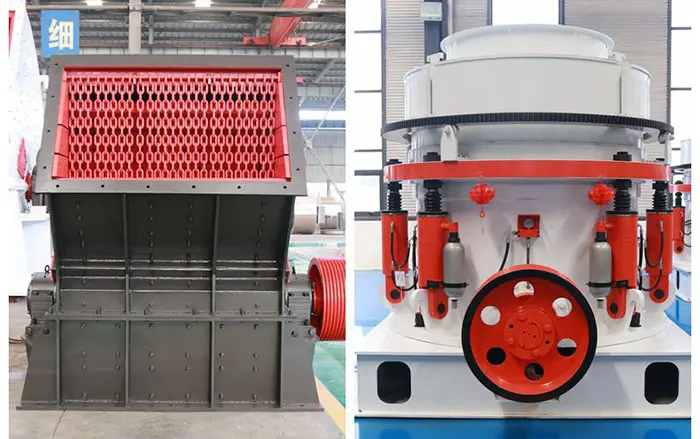
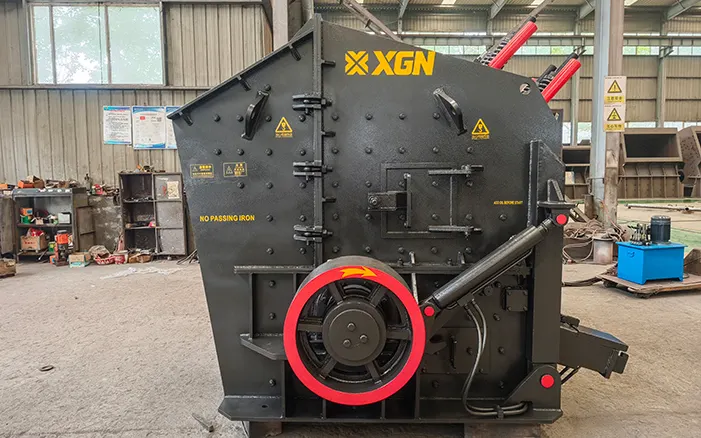
When it comes to aggregate production, mining, or construction waste recycling, investing in the right crushing equipment is crucial—and an
impact crusher for sale is often the top choice for businesses seeking efficiency, versatility, and high-quality end products. But with countless models, configurations, and suppliers on the market, finding the perfect impact crusher for your specific needs can be overwhelming. This guide breaks down everything you need to know about impact crushers for sale: from the most in-demand types and key selection criteria to pricing factors and how to partner with a reliable supplier. Whether you’re a small contractor or a large mining operation, this article will help you make an informed purchase decision.
Types of Impact Crushers for Sale: Which One Fits Your Needs?
Not all impact crushers are created equal. Different models are designed to handle specific materials, capacities, and applications. Understanding the main types of impact crushers for sale will help you narrow down your options:
1. Horizontal Shaft Impact (HSI) Crushers for Sale
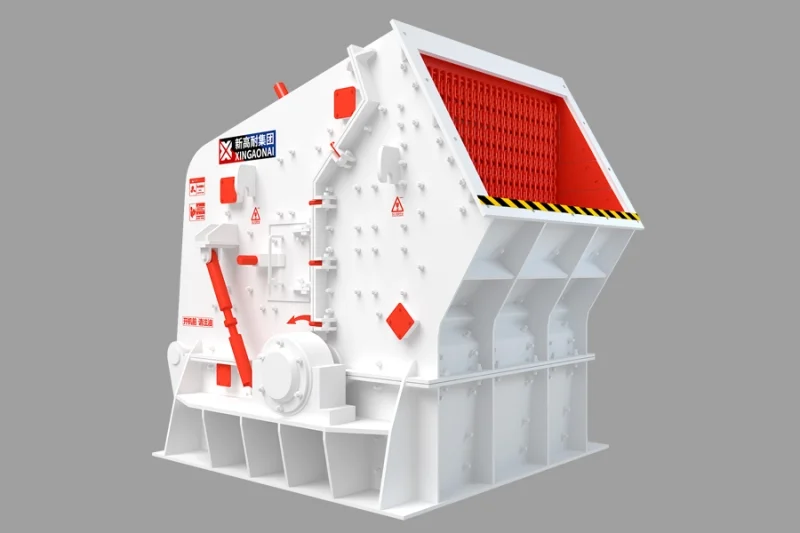
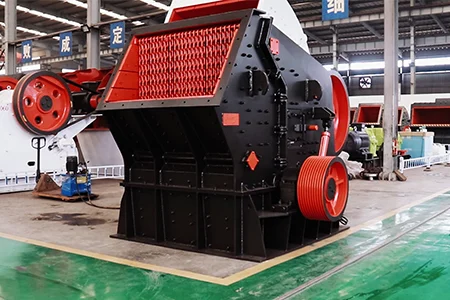
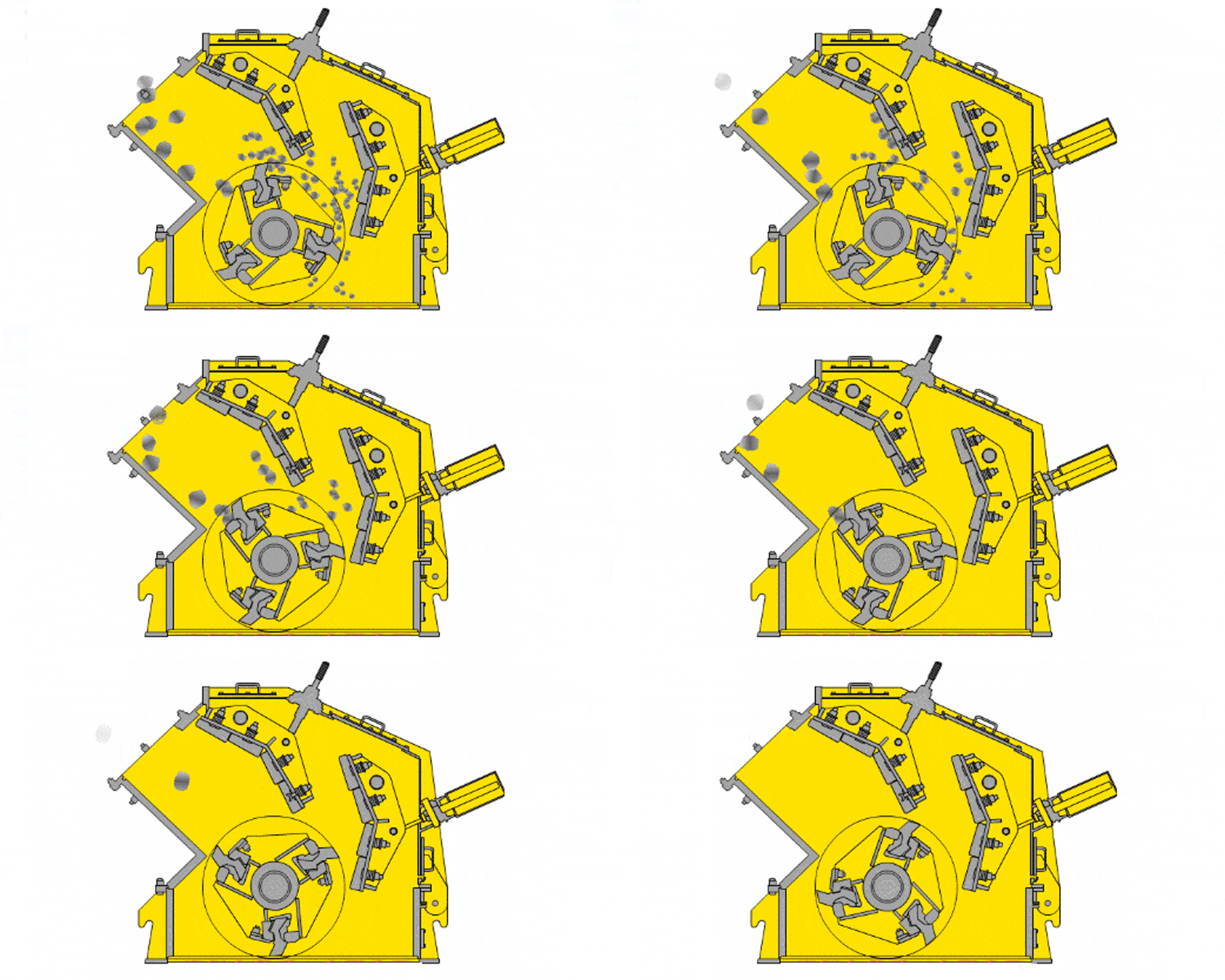
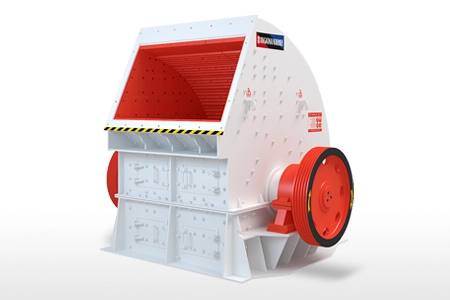
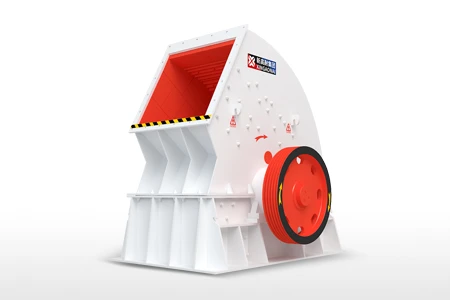
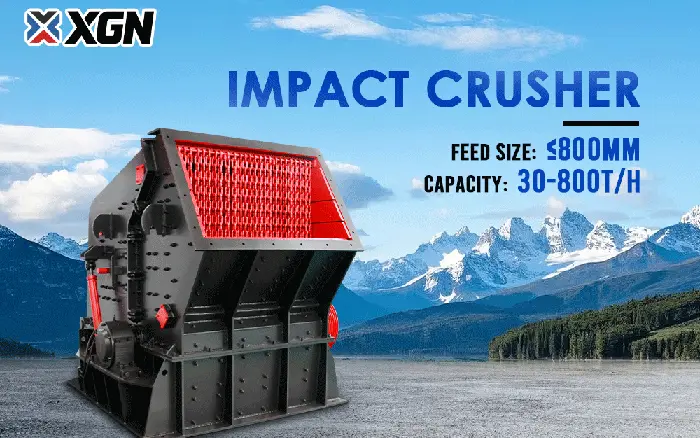
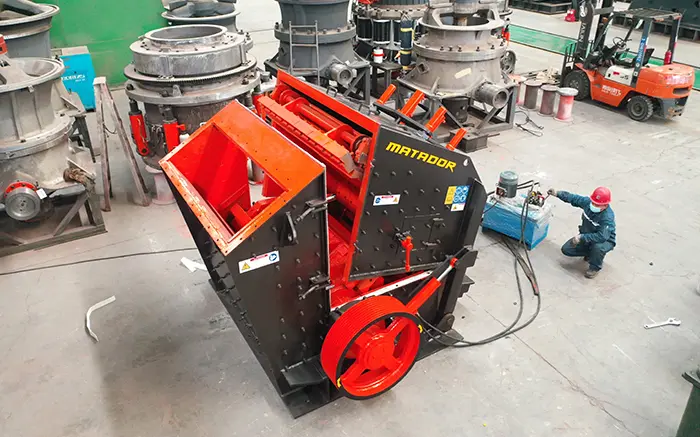
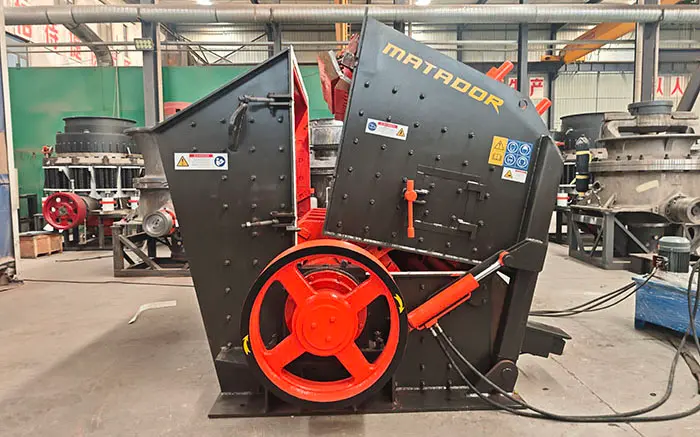
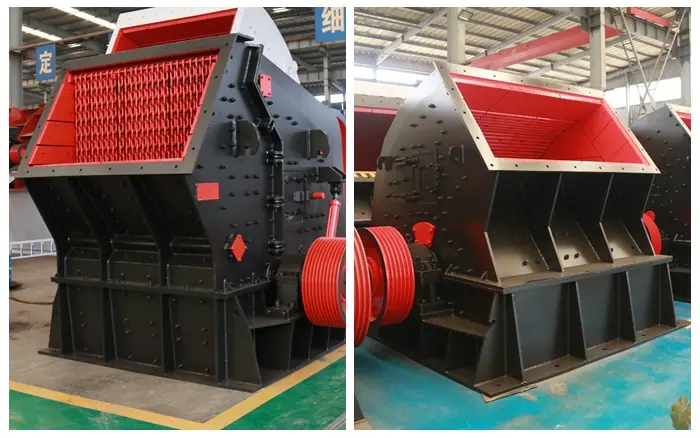
HSI crushers are the most common type of impact crusher for sale, ideal for secondary and tertiary crushing. They feature a horizontal rotating rotor with blow bars that strike materials at high speed, followed by secondary impact against stationary breaker plates. These crushers excel at processing medium-hard materials like limestone, concrete, and asphalt, producing cubical aggregates perfect for construction projects. HSI crushers for sale come in both stationary and portable configurations—stationary models are great for fixed production lines, while portable units suit on-site demolition or remote mining jobs.

2. Vertical Shaft Impact (VSI) Crushers for Sale
VSI crushers are designed for tertiary or quaternary crushing, focusing on shaping and refining aggregates rather than primary size reduction. They use a vertical rotor that spins materials outward into a stationary anvil ring, relying heavily on particle-on-particle impact to create uniform, high-quality products. VSI crushers for sale are popular in industries where product shape is critical, such as concrete and asphalt production. They’re also effective for processing hard materials like granite and basalt.
3. Portable Impact Crushers for Sale
Portable impact crushers for sale have become increasingly popular in recent years, thanks to their mobility and flexibility. Mounted on tracks or wheels, these crushers can be transported directly to job sites—eliminating the need for costly material hauling. They’re ideal for construction demolition, road construction, and small-scale mining operations. Portable models are available as HSI or VSI crushers, with varying capacities to suit different project sizes.
Key Factors to Consider When Buying an Impact Crusher for Sale
Choosing the right impact crusher for sale isn’t just about picking a model—it’s about matching the equipment to your specific operational needs. Here are the critical factors to evaluate:
1. Material Type and Hardness
The first step is to identify the material you’ll be crushing. Soft to medium-hard materials (limestone, concrete) work well with standard HSI crushers, while hard materials (granite, ore) require more durable VSI crushers or HSI models with high-chrome blow bars. Avoid using a crusher designed for soft materials on hard ores, as this will lead to excessive wear and reduced lifespan.
2. Production Capacity Requirements
Impact crushers for sale come with a wide range of capacity ratings, from 50 tons per hour (TPH) for small portable units to 500+ TPH for large stationary models. Calculate your daily or hourly production needs to avoid overinvesting in a high-capacity crusher (which increases costs) or buying an undersized model (which limits productivity). Consider future growth too—opting for a slightly higher capacity than your current needs can save you from upgrading later.
3. Final Product Size and Shape
The desired end product will dictate the type of impact crusher you need. If you require cubical aggregates for concrete, an HSI or VSI crusher is ideal. For finer products (e.g., sand for asphalt), a VSI crusher with adjustable settings is better. Most impact crushers for sale feature adjustable breaker plates or rotor speeds, allowing you to tweak the product size without replacing major components.
4. Budget and Total Cost of Ownership
While the initial purchase price is important, don’t overlook the total cost of ownership (TCO), which includes maintenance, wear parts (blow bars, impact plates), energy consumption, and labor. A cheaper impact crusher for sale may have higher TCO if it requires frequent repairs or uses expensive wear parts. Balance upfront costs with long-term efficiency—investing in a high-quality model from a reputable supplier often pays off over time.
5. Mobility and Installation Needs
If your work is spread across multiple job sites, a portable impact crusher for sale is a smart choice. Stationary models require permanent installation (concrete foundations, power connections) but offer higher stability for large-scale operations. Consider your site conditions too—tracked portable crushers work well on rough terrain, while wheeled models are better for paved surfaces.
Pricing Factors for Impact Crushers for Sale
The price of an
impact crusher for sale varies widely based on several factors. Understanding these will help you budget effectively and avoid unexpected costs:
Type and Size: Portable impact crushers for sale are generally more expensive than stationary models of the same capacity due to their mobility features. Large VSI crushers also cost more than small HSI units.
Capacity: Higher-capacity crushers (200+ TPH) command a premium price, as they require more powerful motors and heavier-duty components.
Configuration and Features: Crushers with advanced features like automatic feed control, remote monitoring, or anti-clogging systems cost more than basic models. Custom configurations (e.g., specialized wear parts for hard materials) also add to the price.
Supplier and Brand: Reputable brands with a track record of reliability often charge more, but they offer better after-sales support and durable equipment. Avoid “cheap” impact crushers for sale from unknown suppliers—they may fail to meet safety standards or break down frequently.
How to Find a Reliable Impact Crusher for Sale Supplier
Choosing the right supplier is just as important as selecting the crusher itself. Here’s how to find a trustworthy partner:
Check Industry Experience: Look for suppliers with 5+ years of experience in selling impact crushers. They’ll have a better understanding of your industry’s needs and can recommend the right model.
Verify Customer Reviews: Read online reviews or ask for references. A reliable supplier will have positive feedback from customers in your field (e.g., mining, construction).
Evaluate After-Sales Support: Ensure the supplier offers maintenance services, replacement parts (blow bars, impact plates), and technical support. Downtime is costly—fast access to repairs will keep your operation running smoothly.
Ask for Customization Options: If you have unique needs (e.g., specialized material processing), choose a supplier that offers custom configurations for their impact crushers for sale.

FAQs About Impact Crushers for Sale
Q1: Is a new or used impact crusher for sale better?
It depends on your budget and needs. New crushers come with warranties, latest features, and no wear, making them ideal for long-term operations. Used impact crushers for sale are cheaper but may require more maintenance. If you’re on a tight budget or have short-term projects, a used model could work—just inspect it thoroughly first.
Q2: How long do impact crushers last?
With proper maintenance, a high-quality impact crusher can last 10–15 years. The lifespan depends on material hardness (crushing hard ore reduces lifespan), maintenance frequency, and use of genuine wear parts.
Q3: Can impact crushers for sale handle wet materials?
Yes, but some models are better suited than others. Look for impact crushers with anti-clogging feeders or heated chambers if you’ll be processing wet materials (e.g., rain-soaked aggregates). Portable models often have better drainage systems to prevent buildup.
Conclusion
Investing in an
impact crusher for sale is a significant decision that impacts your operation’s efficiency and profitability. By understanding the different types of crushers (HSI, VSI, portable), evaluating key factors (material, capacity, product needs), and choosing a reliable supplier, you can find a model that fits your business perfectly. Remember: the best impact crusher isn’t always the cheapest or most powerful—it’s the one that aligns with your specific goals. Whether you’re crushing concrete for recycling or producing aggregates for a highway project, the right impact crusher will help you get the job done faster, cheaper, and better.