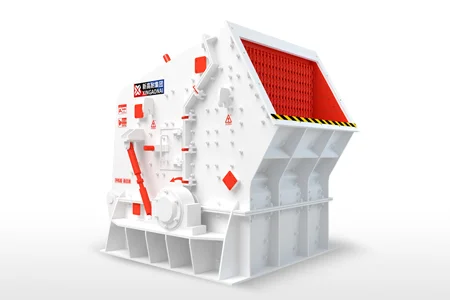
When investing in an impact crusher—whether for aggregate production, mining, or construction waste recycling—the impact crusher manufacturer you choose matters as much as the equipment itself. A reputable manufacturer delivers not just high-quality crushers but also reliable after-sales support, customized solutions, and long-term value. On the flip side, a subpar manufacturer can leave you with faulty equipment, costly downtime, and unmet production goals. This guide breaks down what makes a top-tier impact crusher manufacturer, how to evaluate potential partners, and why partnering with the right one is critical for your business success.
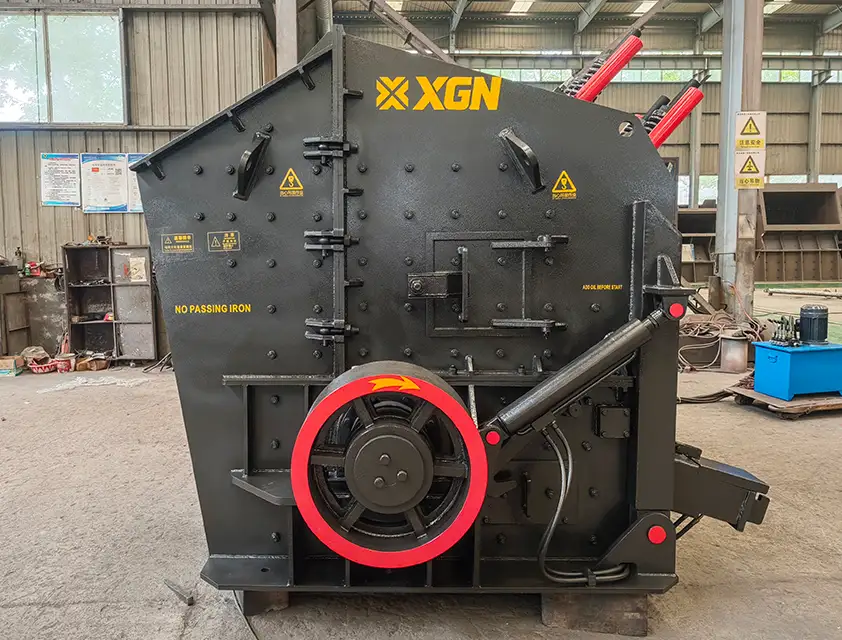
Core Traits of a Trustworthy Impact Crusher Manufacturer
Not all impact
crusher manufacturers are created equal. The best ones share a set of non-negotiable traits that set them apart from the competition. When researching options, look for these key characteristics:
1. Extensive Industry Experience & Technical Expertise
A reliable impact crusher manufacturer has years of hands-on experience in the crushing equipment industry—ideally 10+ years. This experience means they understand the unique challenges of different sectors (mining, construction, recycling) and can design crushers tailored to specific material types (limestone, granite, concrete) and production needs. Look for manufacturers with a team of in-house engineers who stay updated on the latest technologies, such as energy-efficient motors, remote monitoring systems, and wear-resistant materials.
Many top manufacturers also hold industry certifications (e.g., ISO 9001 for quality management, CE for European markets) that validate their technical competence and adherence to global standards.
2. Rigorous Quality Control Throughout Production
Quality is the cornerstone of any reputable impact crusher manufacturer. The best partners implement strict quality control (QC) processes at every stage of production—from sourcing raw materials to final assembly and testing. For example, they use high-grade steel for rotors, manganese steel or high-chrome alloys for blow bars, and precision components for motors and bearings.
Ask potential manufacturers about their QC protocols: Do they test each crusher’s performance (capacity, product size, energy consumption) before delivery? Do they inspect wear parts for durability? A transparent manufacturer will be happy to share these details—and may even invite you to tour their production facility.
3. Customization Capabilities for Unique Needs
Every business has different requirements: a small contractor may need a portable HSI crusher for on-site demolition, while a large mining operation requires a high-capacity VSI crusher for hard ore processing. A top
impact crusher manufacturer doesn’t offer a “one-size-fits-all” solution—they provide customization options to match your specific needs.
Common customizations include adjustable rotor speeds, specialized wear parts for abrasive materials, mobile configurations (tracked vs. wheeled), and integration with existing production lines. The ability to adapt their equipment to your workflow is a sign of a customer-centric manufacturer.
4. Comprehensive After-Sales Support & Service
The relationship with an impact crusher manufacturer shouldn’t end with delivery. Reliable partners offer robust after-sales support to minimize downtime and maximize your crusher’s lifespan. This includes:
On-site installation and training for your team
Fast access to replacement parts (blow bars, impact plates, motors)
Preventive maintenance services and technical troubleshooting
Warranty coverage (typically 1–3 years) for parts and labor
Look for manufacturers with a global or regional service network—local technicians can respond to issues faster, reducing costly production delays.
5. Positive Customer Testimonials & a Proven Track Record
A reputable impact crusher manufacturer will have a portfolio of satisfied customers and case studies to back up their claims. Ask for references from businesses similar to yours (e.g., if you’re in construction recycling, request feedback from other recycling companies) and check online reviews on platforms like Google, IndustryNet, or LinkedIn.
Pay attention to how manufacturers handle negative feedback—do they address issues promptly and offer solutions? A manufacturer that values customer satisfaction will prioritize resolving problems rather than ignoring them.
How to Evaluate & Choose the Right Impact Crusher Manufacturer
Now that you know what to look for, here’s a step-by-step process to help you select the best impact crusher manufacturer for your business:
Step 1: Define Your Exact Requirements
Before reaching out to manufacturers, clarify your needs to avoid wasting time on mismatched solutions. Outline details like:
Material type (hardness, moisture content)
Production capacity (TPH: tons per hour)
Final product size and shape
Mobility needs (stationary vs. portable)
Budget and total cost of ownership (TCO) expectations
Step 2: Research & Shortlist Manufacturers
Use search engines (focus on terms like “reliable impact crusher manufacturer” or “custom impact crusher supplier”) and industry directories to compile a list of potential partners. Filter out manufacturers that don’t specialize in impact crushers (e.g., those that only make jaw crushers) or lack certifications.
Narrow your list to 3–5 manufacturers that align with your requirements (e.g., if you need a portable crusher, prioritize those with expertise in mobile equipment).
Step 3: Request Detailed Quotes & Technical Specifications
Reach out to your shortlisted manufacturers with your requirements and ask for a comprehensive quote. The quote should include not just the crusher price, but also details like:
Technical specifications (motor power, rotor speed, weight)
Customization options and associated costs
Delivery timeline
Warranty terms and after-sales service packages
Avoid manufacturers that provide vague quotes or refuse to share technical details—this is a red flag for poor transparency.
Step 4: Verify Credentials & Visit the Facility (If Possible)
Check the manufacturer’s certifications, business licenses, and customer references. If the manufacturer is local or within a reasonable distance, request a facility tour to see their production process, QC measures, and inventory of parts firsthand. This will give you a clear sense of their capabilities and professionalism.
For international manufacturers, ask for virtual tours or third-party audit reports to validate their operations.
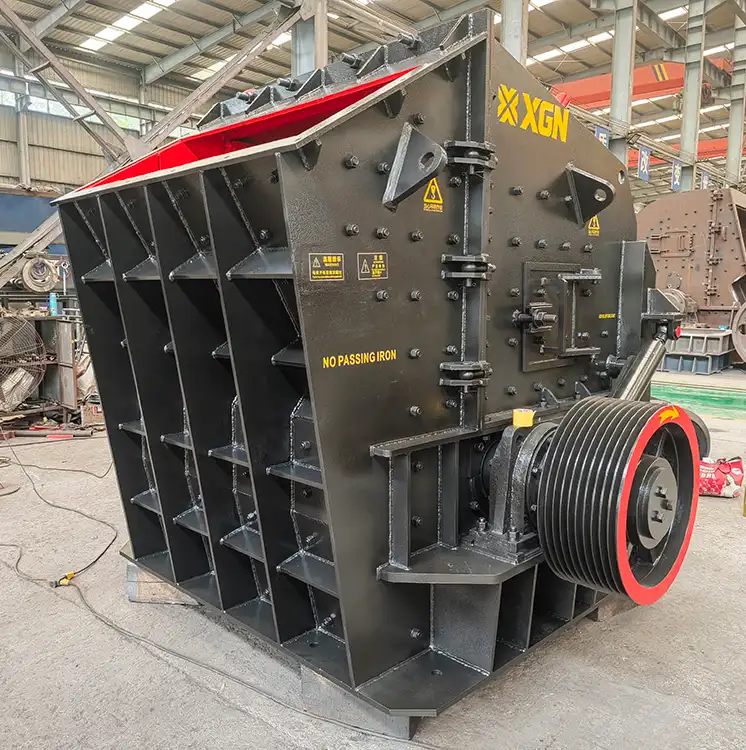
Step 5: Compare TCO, Not Just Initial Price
A cheaper crusher from a low-quality manufacturer may seem like a good deal upfront, but it will likely cost more in the long run due to frequent repairs, expensive wear parts, and reduced efficiency. Compare the total cost of ownership (TCO) across manufacturers—this includes initial price, maintenance costs, energy consumption, and downtime risks.
A high-quality crusher from a reputable manufacturer may have a higher upfront cost, but its lower TCO and longer lifespan will make it a better investment.
Why Partnering with the Right Impact Crusher Manufacturer Matters
Choosing the right impact
crusher manufacturer isn’t just a purchase decision—it’s a strategic partnership that impacts your business in multiple ways:
Consistent Productivity: A reliable crusher from a trusted manufacturer will operate smoothly, reducing downtime and ensuring you meet production targets.
Lower Operational Costs: High-quality equipment uses less energy, requires fewer repairs, and has affordable, readily available wear parts—lowering your daily operational costs.
Scalability: As your business grows, a good manufacturer can provide larger crushers or upgrade your existing equipment, supporting your expansion.
Peace of Mind: Comprehensive after-sales support means you’ll have help when you need it, whether for troubleshooting, maintenance, or part replacements.
FAQs About Impact Crusher Manufacturers
Q1: Should I choose a local or international impact crusher manufacturer?
It depends on your needs. Local manufacturers offer faster delivery and on-site support, while international manufacturers (e.g., from China, Germany) may provide more cost-effective or technologically advanced options. Prioritize manufacturers with a regional service network, regardless of location.
Q2: Do impact crusher manufacturers offer training for my team?
Yes—top manufacturers provide on-site or online training to teach your team how to operate, maintain, and troubleshoot the crusher safely and efficiently. This training reduces human error and extends the crusher’s lifespan.
Q3: How long does it take for a manufacturer to deliver a custom impact crusher?
Delivery times vary based on customization complexity and manufacturer capacity. Standard models may ship in 2–4 weeks, while highly customized crushers can take 8–12 weeks. Ask for a clear delivery timeline before signing a contract.
Conclusion
Choosing the right
impact crusher manufacturer is a critical step in ensuring your crushing operation is efficient, cost-effective, and reliable. By prioritizing manufacturers with industry experience, strict quality control, customization capabilities, and robust after-sales support, you’ll invest in equipment that meets your needs—and a partner that supports your business growth. Use the steps outlined in this guide to evaluate potential manufacturers, compare TCO, and make an informed decision that drives long-term success.