

Investing in a sand and gravel production line is a significant decision. Its cost is not a fixed figure but a comprehensive result influenced by multiple factors such as raw material characteristics, expected capacity, equipment configuration, environmental requirements, and later-stage operations. This article will systematically analyze the six core factors that must be considered when estimating the investment cost and detail the key equipment configuration to help you make more accurate budget plans.
Factor 1: Capacity Requirements - Determining Equipment Scale and Model
Production capacity is the cornerstone that determines the investment scale. Even for processing the same material, a 100-ton per hour line versus a 500-ton per hour line will require completely different models for almost all major equipment.
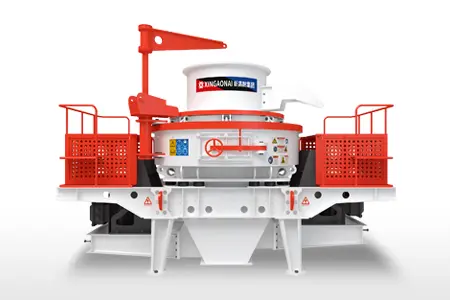
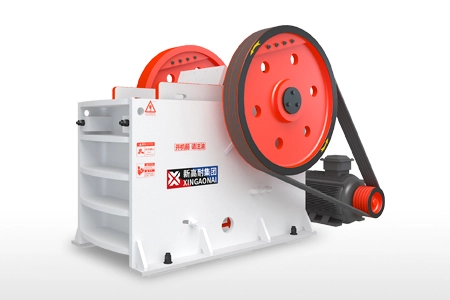
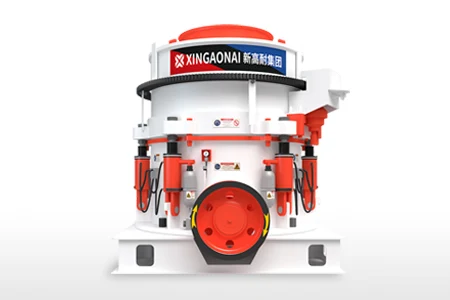
Impact on Key Equipment: Higher capacity typically requires a larger Jaw Crusher for primary crushing, larger Cone Crushers or Impact Crushers for secondary/tertiary crushing, as well as wider Vibrating Screens and higher-capacity Sand Making Machines (VSI Crushers).
Investment Advice: Clarify your short-term needs and long-term plans. Choose equipment models with moderate capacity headroom to avoid the need for secondary investment due to insufficient capacity in the short term.
Factor 2: Equipment Configuration Plan - The Core Component of Investment
Equipment cost usually constitutes 40%-60% of the total investment and is the most central part. A complete sand and gravel production line is not a single machine but a system customized based on raw material and finished product requirements.
Typical Process Flow & Core Equipment:
Feeding: Vibrating Feeder, responsible for evenly and continuously supplying material to the crusher.
Primary Crushing: Jaw Crusher, the key first-stage equipment for crushing hard materials.
Secondary/Tertiary Crushing: Cone Crusher (suitable for highly abrasive hard rock) or Impact Crusher (suitable for medium-low hardness materials, yields better grain shape).
Sand Making: Vertical Shaft Impact (VSI) Crusher, used for shaping and manufacturing machine-made sand, crucial for obtaining high-quality sand.
Screening: Multi-deck Vibrating Screen, classifies materials by different particle sizes, with oversized material returned for re-crushing.
Auxiliary Equipment: Belt Conveyor system, Dust Removal System, Centralized Control System, etc.
Configuration Key Point: "Test first, invest later." It is essential to conduct material crushing tests to determine the most cost-effective and efficient equipment combination based on the results.
Factor 3: Infrastructure Construction
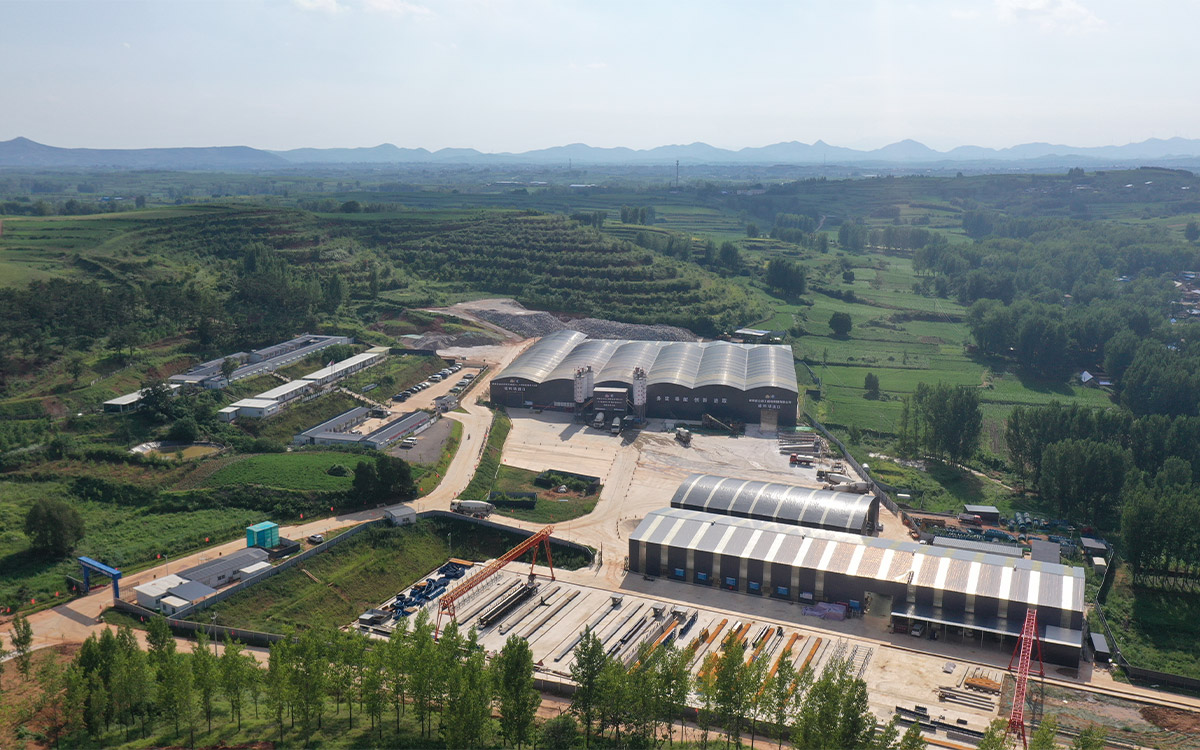
This part forms the "foundation" that ensures the stable operation of the production line, including:
Sturdy concrete equipment foundations.
Enclosed raw material/finished product storage yards and plant buildings.
Environmental protection facilities like spray systems, dust removal, and noise control measures that meet standards.
Internal roads, water and electricity networks, and office/living facilities within the plant area.
Factor 4: Choice of Manufacturer - Impacts Long-term Operational Cost
Differences in equipment prices reflect differences in technology and quality.
Smaller Manufacturers: May offer lower initial quotes, but equipment durability, energy efficiency, and after-sales service may not be guaranteed. This can lead to frequent replacement of Wear Parts, long downtime, and potentially a higher Total Cost of Ownership in the long run.
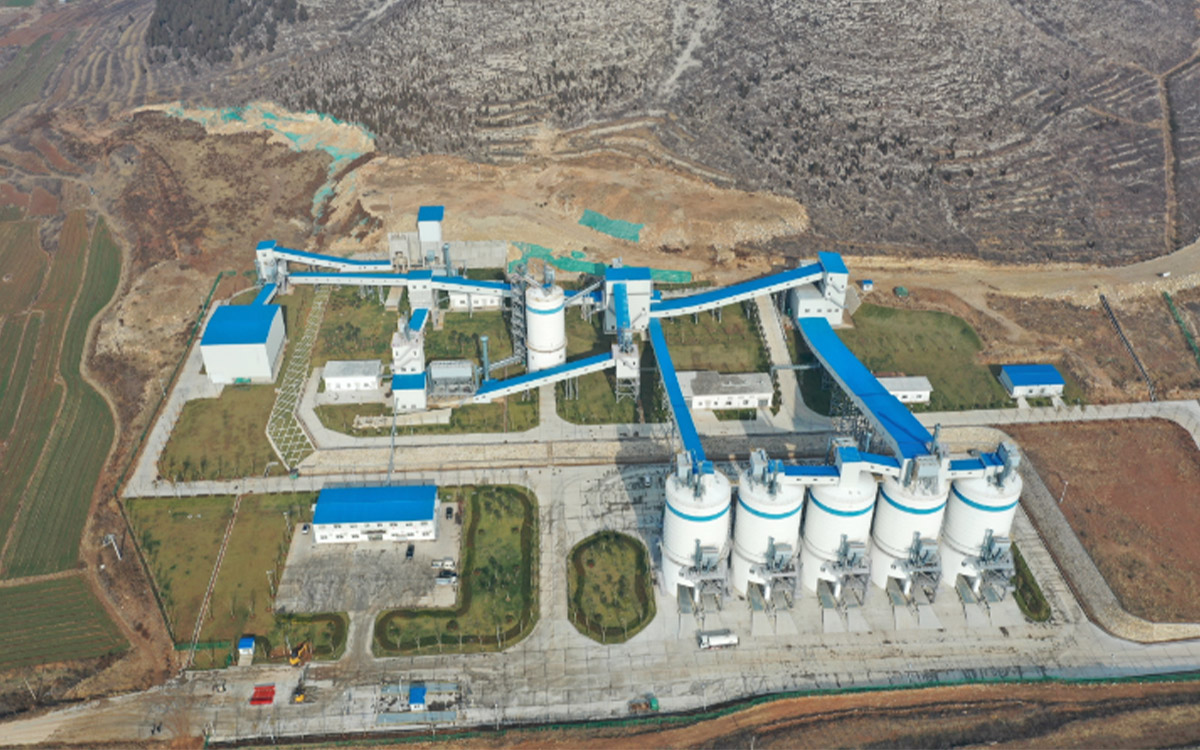
Professional Large Manufacturers (e.g., Xingaonai): Can provide Turn-key Solutions based on test results. Equipment is more reliable in terms of materials, workmanship, and control systems. While the initial investment might be slightly higher, long-term operation is more stable, energy consumption is lower, and after-sales service is timely, offering better comprehensive value.
Factor 5: Estimation of Later-stage Operational Costs
Investment isn't just about purchasing equipment; ongoing expenses after the line starts must be estimated:
Energy Costs: Electricity is a major expense. High-efficiency, energy-saving equipment can significantly reduce this.
Labor Costs: Highly automated production lines require fewer operators.
Maintenance Costs: Primarily refer to the regular replacement costs of crusher wear parts (like jaw plates, blow bars, mantles/concaves) and screen meshes.
Factor 6: Market & Environmental Dynamics
Market Supply & Demand: Fluctuations in prices of raw materials like steel affect equipment manufacturing costs.
Environmental Policies: Increasingly strict regulations require sufficient budget for environmental protection equipment (e.g., more efficient dust collectors, enclosed buildings) at the investment stage. This is a "mandatory ticket" for modern sand and gravel plants.
Summary & Actionable Advice
Estimating investment for a sand and gravel production line is a systematic project. It starts with capacity goals and comprehensively considers equipment configuration, infrastructure, manufacturer selection, operations, and policies. The safest approach is to collaborate with a professional equipment supplier like Xingaonai. Provide your material samples and capacity requirements to obtain a tailored Project Feasibility Plan, including a detailed equipment list and budget analysis.
Contact us now to get a free investment estimation and equipment configuration plan for a sand & gravel production line based on your specific needs.