

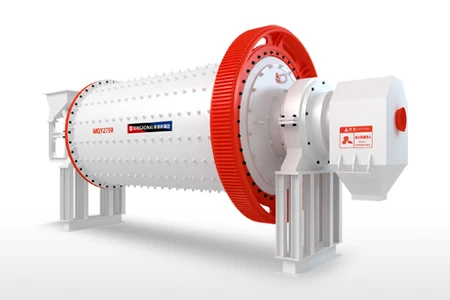
Preparations Before Ball Mill Operation

Step-by-Step Guide: How to Ball Mill Efficiently
Load the Ball Mill:
Open the mill’s feeding port and load the prepared raw materials evenly. Avoid overloading—fill the cylinder to 40-60% of its volume (overloading reduces grinding efficiency; underloading wastes energy).
Add steel balls (or grinding media) to the cylinder. The ball-to-material ratio typically ranges 3:1 to 5:1, depending on material hardness (harder materials need more balls).
Close and secure the feeding port to prevent material spillage during rotation.
Adjust Grinding Parameters:
Set the ball mill’s rotation speed (critical for grinding efficiency). Most industrial ball mills operate at 70-80% of the critical speed (the speed at which balls start to centrifugally stick to the cylinder wall).
For wet grinding, adjust the water-to-material ratio to achieve the desired slurry concentration (usually 60-75% solids).
Set the grinding time based on particle size requirements (30 minutes to 4 hours)—use a timer for consistency.
Start the Ball Mill:
Turn on the control panel and start the motor gradually (avoid sudden startup to prevent electrical overload).
Monitor the initial operation: listen for unusual noises (grinding, knocking) and check for vibration or material leakage. Stop immediately if abnormalities occur.
Monitor Grinding Process:
Regularly check the ball mill’s temperature (bearings should stay ≤70°C; cylinder ≤90°C) to prevent overheating.
Sample the material periodically to test particle size (use a sieve or particle size analyzer). Adjust grinding time or ball ratio if particles are too coarse.
Ensure uniform feeding (use a vibrating feeder for continuous operation) to maintain consistent grinding results.
Stop the Ball Mill & Unload:
Once the desired particle size is achieved, stop the motor and wait for the cylinder to fully stop rotating.
Open the discharge port to unload the ground material (slurry for wet grinding; powder for dry grinding). Use a conveyor or collector to transfer the finished product.
Clean the cylinder and discharge port to remove residual material, preventing cross-contamination in future runs.
Key Safety Rules for Ball Mill Operation
Never operate the ball mill with open feeding/discharge ports or missing safety guards.
Do not reach into the cylinder or touch rotating parts during operation—use tools for adjustments if needed.
Avoid sudden changes to rotation speed or material load, as this can cause equipment imbalance or motor burnout.
Train operators thoroughly on equipment use and emergency procedures—untrained personnel should not operate the ball mill.
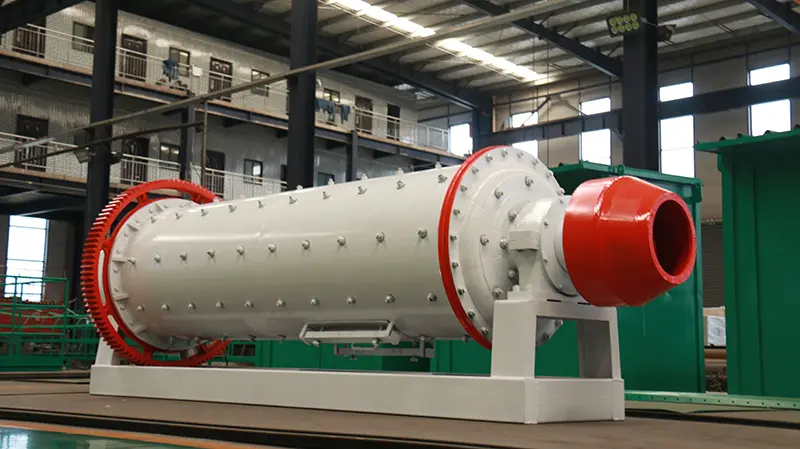
Maintenance Tips to Extend Ball Mill Life
Daily Maintenance: Clean the ball mill after use, check lubrication levels, and inspect for loose bolts or leaks.
Weekly Maintenance: Inspect liners, steel balls, and bearings for wear; rotate or replace liners if they are thinning.
Monthly Maintenance: Check the drive system (gears, belts) for alignment and tension; replace worn belts or gears.
Quarterly Maintenance: Drain and replace lubricants; conduct a comprehensive inspection of electrical components and safety features.
Common Troubleshooting for Ball Mill Operation
Coarse Finished Product: Increase grinding time, add more steel balls, or reduce material feed rate.
Excessive Vibration: Check for uneven material/ball distribution, tighten loose components, or realign the cylinder.
Overheating Bearings: Add lubricant, replace worn bearings, or reduce operating load.
Material Spillage: Secure the feeding/discharge ports, adjust feeding rate, or replace damaged seals.