

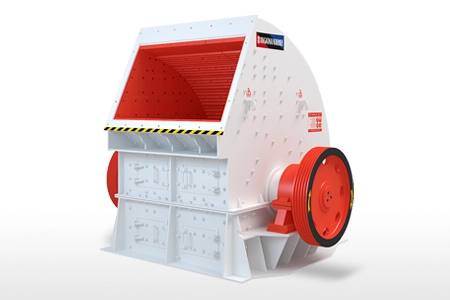
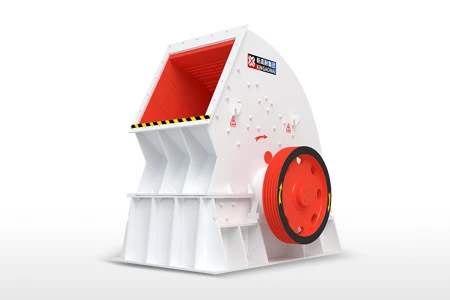
Hammer crusher wear parts are critical components that directly influence crushing efficiency, product size consistency, and operating costs in mining, cement, coal, and aggregate industries. Because hammer crushers operate under high-speed impact and continuous material abrasion, wear parts must withstand extreme mechanical stress and abrasive environments.
Understanding the function, material selection, replacement cycle, and maintenance strategies for hammer crusher wear parts can significantly reduce downtime and improve overall plant productivity.
What Are Hammer Crusher Wear Parts?
Hammer crusher wear parts refer to the replaceable components inside a hammer crusher that are subject to continuous impact and abrasion during crushing operations. These parts gradually wear down over time and must be replaced to maintain optimal crushing performance.
The primary hammer crusher wear parts include:
Crusher hammers (blow bars or hammer heads)
Grates and grate bars
Liner plates
Side liners
Rotor protection plates
Each of these components plays a specific role in material size reduction and internal protection of the crusher housing.
Key Hammer Crusher Wear Parts and Their Functions
1. Crusher Hammers
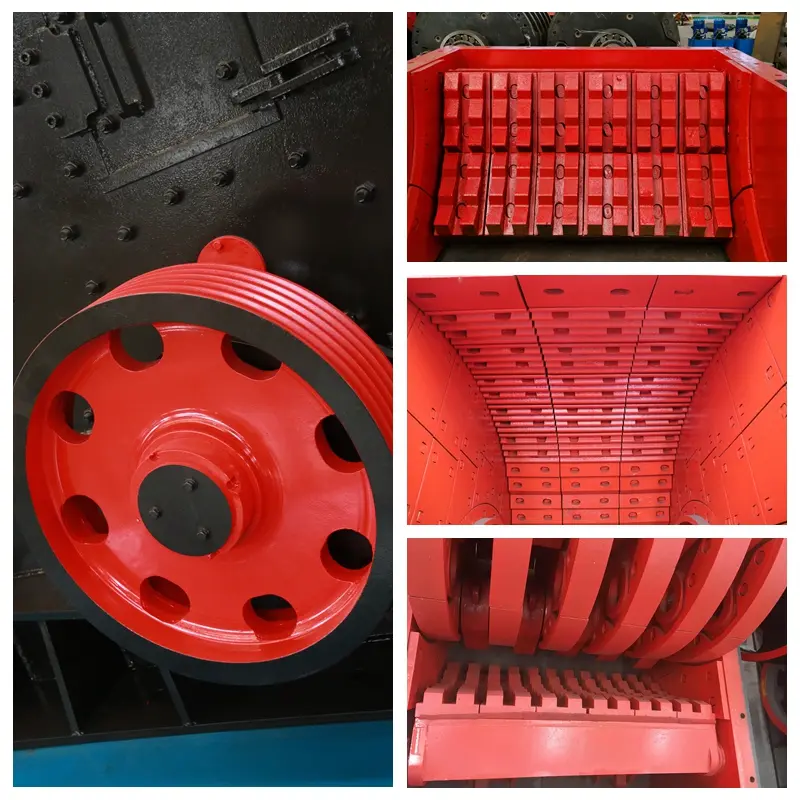
Crusher hammers are the most important hammer crusher wear parts. They are mounted on the rotor and rotate at high speed to strike incoming material. The repeated impact breaks large rocks into smaller particles.
High-quality hammers must offer:
Excellent impact resistance
Strong abrasion resistance
Stable structural integrity
Balanced weight distribution
The lifespan of crusher hammers largely determines maintenance intervals.
2. Grate Bars
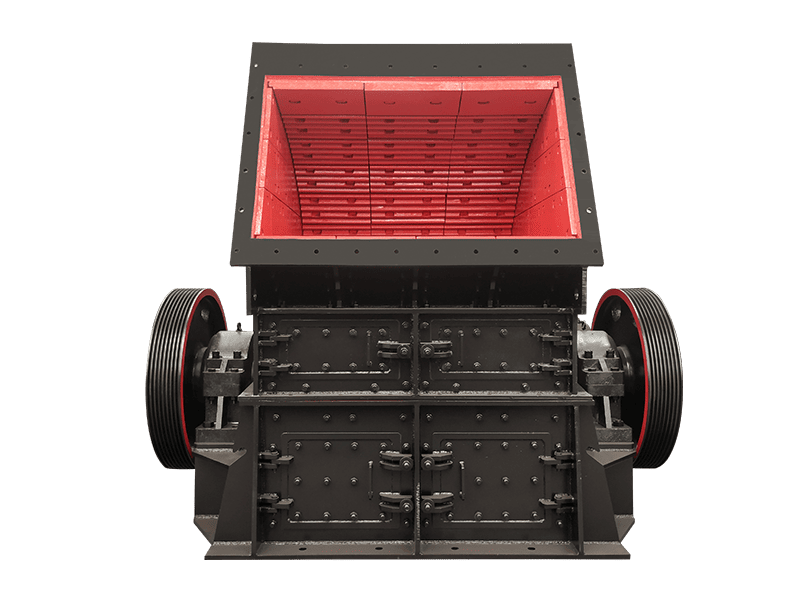
Grate bars control the final discharge size of crushed material. Once material is small enough to pass through the grate openings, it exits the crusher. Worn grate bars can cause uneven particle size and reduced production efficiency.
3. Liner Plates
Liner plates protect the inner walls of the crusher from direct material impact. Without durable liners, the crusher shell would wear quickly, leading to expensive structural damage.
4. Rotor Protection Components
Rotor protection plates shield the rotor body from abrasion and impact damage, extending the life of this core assembly.
Materials Used in Hammer Crusher Wear Parts
Material selection is essential for maximizing service life. Common materials used in hammer crusher wear parts include:
High manganese steel
High chromium cast iron
Alloy steel
Composite materials
High manganese steel is widely used because it hardens under impact. High chromium cast iron provides excellent wear resistance in highly abrasive applications. The correct material depends on the type of material being crushed, such as limestone, coal, or granite.
Choosing the appropriate hammer crusher wear parts material improves cost efficiency and reduces replacement frequency.
Common Causes of Wear and Failure
Hammer crusher wear parts operate under severe working conditions. The most common causes of wear include:
1. High Abrasion
Materials with high silica content accelerate surface wear.
2. Excessive Feed Size
Oversized material increases impact force and shortens hammer life.
3. Improper Rotor Speed
Incorrect speed affects crushing efficiency and may cause uneven wear.
4. Poor Material Distribution
Uneven feeding causes localized stress and premature failure.
5. Inadequate Maintenance
Failure to inspect wear levels leads to secondary damage.
Regular monitoring helps identify wear patterns before catastrophic failure occurs.
Maintenance Tips for Extending Wear Part Life
To maximize the lifespan of hammer crusher wear parts, operators should follow these best practices:
Maintain consistent and controlled feed size
Ensure even material distribution across the rotor
Monitor vibration and noise levels
Inspect wear parts during scheduled shutdowns
Replace worn hammers in balanced sets
Keep rotor speed within recommended parameters
Replacing hammer crusher wear parts before complete failure prevents damage to other internal components.
When to Replace Hammer Crusher Wear Parts
Signs that hammer crusher wear parts require replacement include:
Reduced crushing efficiency
Irregular product size
Increased vibration
Higher power consumption
Visible cracks or deformation
Delaying replacement may lead to rotor imbalance and costly downtime.
How to Select High-Quality Hammer Crusher Wear Parts
When purchasing hammer crusher wear parts, consider the following factors:
Compatibility with crusher model
Material grade certification
Heat treatment process
Manufacturing precision
Supplier reliability
High-quality wear parts improve operational stability and reduce long-term operating costs. Although premium wear parts may have a higher initial price, they often provide better overall value through extended service life.
Benefits of Using Durable Hammer Crusher Wear Parts
Investing in reliable hammer crusher wear parts offers several advantages:
Reduced maintenance frequency
Lower downtime
Stable product size output
Improved energy efficiency
Higher production capacity
For cement plants, mining operations, and aggregate producers, optimizing wear part performance directly contributes to improved profitability.
Conclusion
Hammer crusher wear parts are essential for maintaining crushing efficiency and protecting internal crusher components. From crusher hammers to liner plates and grate bars, each component plays a vital role in impact crushing performance.
Selecting the correct material, implementing preventive maintenance, and replacing worn components on time are key strategies for extending service life. By understanding how hammer crusher wear parts function and wear over time, operators can minimize downtime, control maintenance costs, and maximize production output.