

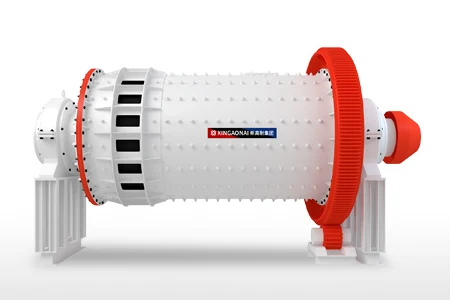
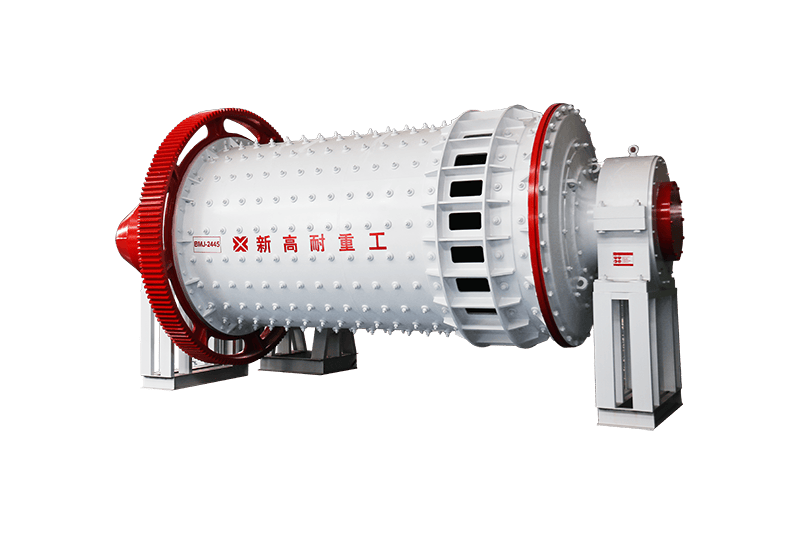
Rod mills are essential grinding equipment in mining, mineral processing, cement production, and chemical industries. They are widely used for secondary and tertiary grinding of ores, aggregates, and other materials, delivering uniform particle size and high grinding efficiency. At the core of a rod mill’s reliable operation is the rod mill liner—a critical wear part that protects the mill’s cylinder, enhances grinding performance, and directly impacts equipment lifespan and operational costs.
During continuous operation, the rod mill liner bears constant friction, impact, and abrasion from grinding rods and materials. Over time, this wear leads to reduced grinding efficiency, poor product quality, and potential damage to the mill’s main structure. Understanding rod mill liner types, their functions, factors affecting service life, and proper maintenance and replacement practices is essential for operators, maintenance technicians, and plant managers to minimize downtime and optimize production.
Main Types of Rod Mill Liner
Rod mill liner is available in various types, each designed to suit specific grinding conditions, material properties, and production requirements. The choice of liner type directly affects grinding efficiency, wear resistance, and overall operational performance.
1. Rubber Rod Mill Liner
Rubber rod mill liner is a popular choice for medium to fine grinding applications. It is made of high-quality synthetic rubber, featuring excellent elasticity, impact resistance, and low noise. The rubber material reduces friction between grinding rods and the mill cylinder, minimizing rod wear and extending the service life of both the liner and the rods.
This type of rod mill liner is ideal for grinding fragile or abrasive materials, as it prevents material contamination and ensures uniform particle size. It is also lightweight, easy to install and replace, and offers cost-effective performance for medium-scale operations.
2. Metal Rod Mill Liner
Metal rod mill liner, typically made of high-manganese steel, high-chromium alloy, or wear-resistant steel, is designed for heavy-duty grinding applications. It boasts exceptional wear resistance and impact strength, making it suitable for grinding hard, abrasive materials such as iron ore, granite, and basalt.
Metal liners are durable and can withstand high loads and harsh grinding conditions, making them ideal for large-scale mining and mineral processing operations. They are available in different thicknesses and profiles to match the mill’s size and grinding requirements.
3. Polyurethane Rod Mill Liner
Polyurethane rod mill liner is a versatile option that combines the advantages of rubber and metal liners. It offers excellent wear resistance, corrosion resistance, and elasticity, making it suitable for both wet and dry grinding applications. Polyurethane liners are lightweight, non-toxic, and resistant to chemical corrosion, making them ideal for grinding materials that require high purity.
This type of rod mill liner is easy to install and maintain, and it reduces noise and vibration during operation. It is commonly used in chemical, pharmaceutical, and food processing industries, as well as in mining applications where material contamination is a concern.
4. Composite Rod Mill Liner
Composite rod mill liner combines rubber and metal materials, leveraging the wear resistance of metal and the elasticity of rubber. The metal layer provides high wear resistance, while the rubber layer absorbs impact and reduces noise. This type of liner is ideal for grinding applications that require both durability and low vibration.
Factors Affecting the Lifespan of Rod Mill Liner
The service life of a rod mill liner varies significantly based on several operational and environmental factors. Understanding these factors helps predict wear rates, plan maintenance, and reduce replacement costs.
1. Material Properties
The hardness, abrasiveness, and particle size of the material being ground are the most significant factors. Harder, more abrasive materials (such as iron ore and granite) accelerate wear on the rod mill liner. Large, angular particles also cause more impact and friction, shortening the liner’s service life.
2. Grinding Rod Specifications
The size, hardness, and quality of the grinding rods directly affect the wear rate of the rod mill liner. Overly hard or oversized rods increase impact force, leading to premature liner wear. Using high-quality, properly sized grinding rods ensures uniform grinding and reduces stress on the liner.
3. Installation and Alignment
Improper installation or misalignment of the rod mill liner causes uneven wear. For example, a misaligned liner will wear more on one side, reducing its service life and affecting grinding efficiency. Ensuring proper installation according to the manufacturer’s guidelines is critical to extending the liner’s lifespan.
4. Operating Parameters
Operating parameters such as mill speed, material feed rate, and grinding medium filling rate also affect liner wear. Running the mill at excessive speed or overloading it increases impact force and friction, accelerating liner wear. Maintaining optimal operating parameters ensures efficient grinding and reduces liner wear.
5. Maintenance and Lubrication
Insufficient maintenance and lack of proper lubrication increase friction between the liner and the mill cylinder, leading to premature wear. Regular cleaning, inspection, and lubrication of the mill’s components help extend the service life of the rod mill liner.
Maintenance Tips for Rod Mill Liner
Proactive maintenance is the key to extending the lifespan of a rod mill liner, minimizing downtime, and reducing operational costs. Below are essential maintenance practices to follow:
1. Conduct Regular Inspections
Inspect the rod mill liner regularly (daily or weekly, depending on operation intensity) for signs of wear, cracks, deformation, or loose fasteners. Pay special attention to the liner’s edges and areas that come into direct contact with grinding rods and materials. Use tools such as calipers to measure the liner’s thickness and compare it to the manufacturer’s recommended minimum thickness.
2. Ensure Proper Grinding Rod Management
Regularly check the grinding rods for wear, bending, or breakage. Replace worn or damaged rods promptly to avoid uneven grinding and excessive liner wear. Maintain the correct filling rate of grinding rods to ensure uniform impact and reduce stress on the liner.
3. Control Feed Rate and Material Quality
Ensure a uniform feed rate to avoid overloading the mill. Screen raw materials to remove oversized or overly hard particles that can cause excessive impact on the rod mill liner. Controlling the moisture content of the material also helps prevent material buildup and reduce liner wear.
4. Clean the Mill Regularly
Regularly clean the mill’s interior to remove accumulated material buildup. Buildup can cause uneven wear on the liner, reduce grinding efficiency, and increase the risk of jams. Use appropriate cleaning tools to avoid damaging the liner during cleaning.
5. Use High-Quality Replacement Liners
When replacing the rod mill liner, use high-quality, manufacturer-approved liners that match the mill’s model and grinding requirements. Low-quality liners may be cheaper upfront but wear faster, leading to more frequent replacements and higher long-term costs.
When to Replace Rod Mill Liner
Timely replacement of a worn rod mill liner is critical to prevent damage to the mill’s main structure, maintain grinding efficiency, and avoid unplanned downtime. Below are key indicators that the rod mill liner needs to be replaced:
1. Thickness Below Manufacturer’s Limit
Replace the rod mill liner when its thickness reaches the manufacturer’s specified minimum limit. Continuing to use a worn liner beyond this limit can cause damage to the mill’s cylinder and reduce grinding efficiency.
2. Cracks or Deformation
Cracks or deformation on the rod mill liner pose a safety risk and can lead to catastrophic failure. Replace any cracked or deformed liner immediately to avoid further damage to the mill.
3. Reduced Grinding Efficiency or Poor Product Quality
A sudden drop in grinding efficiency or uneven product particle size is a sign that the rod mill liner is worn. Worn liners cannot effectively protect the mill cylinder or enhance grinding performance, leading to subpar products.
4. Abnormal Vibration or Noise
Excessive vibration or unusual noise during operation often indicates a worn or misaligned rod mill liner. Shut down the mill and inspect the liner immediately to avoid further damage.
Conclusion
The rod mill liner is a critical wear part that plays a vital role in the stable and efficient operation of rod mills. From rubber and metal liners to polyurethane and composite liners, each type is designed to suit specific grinding conditions and material requirements.
By understanding the types of rod mill liner, the factors that affect their lifespan, and implementing proactive maintenance practices, operators can extend the service life of the liner, minimize downtime, and reduce operational costs. Timely replacement of worn liners—based on thickness limits, cracks, or reduced performance—ensures that the rod mill operates at peak efficiency, delivering consistent, high-quality grinding results.
For mining, mineral processing, and other industrial operations, investing in high-quality rod mill liner and following best maintenance practices is a cost-effective way to optimize productivity and maximize the return on equipment investment.