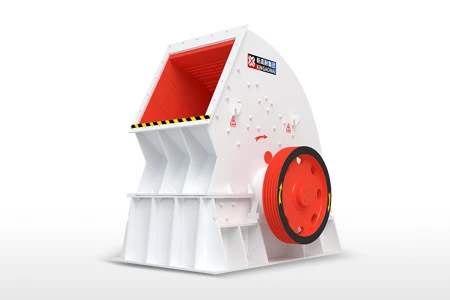
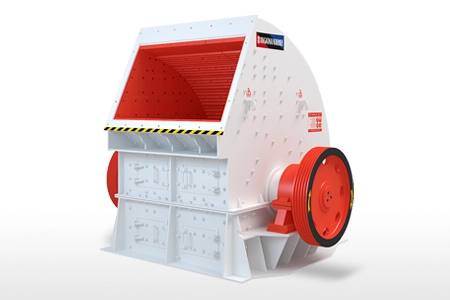
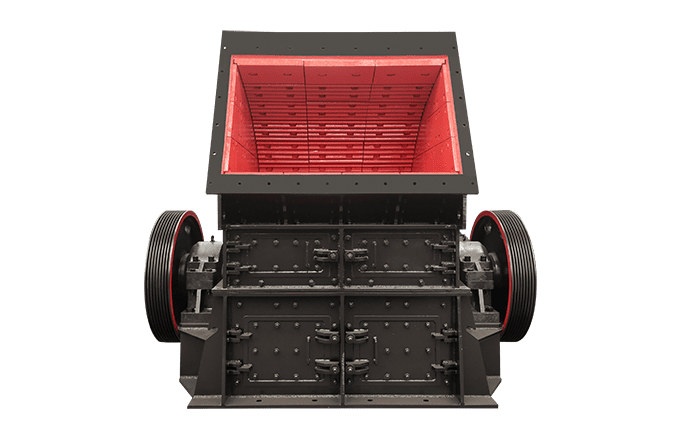
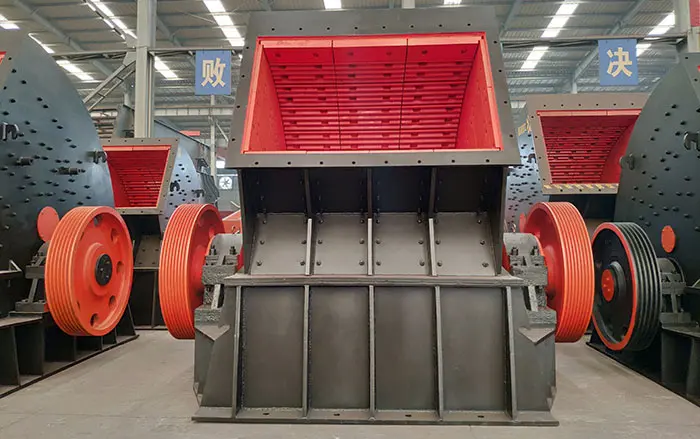
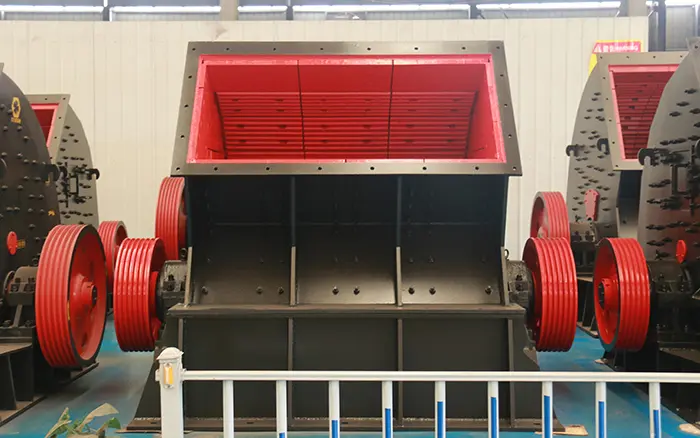
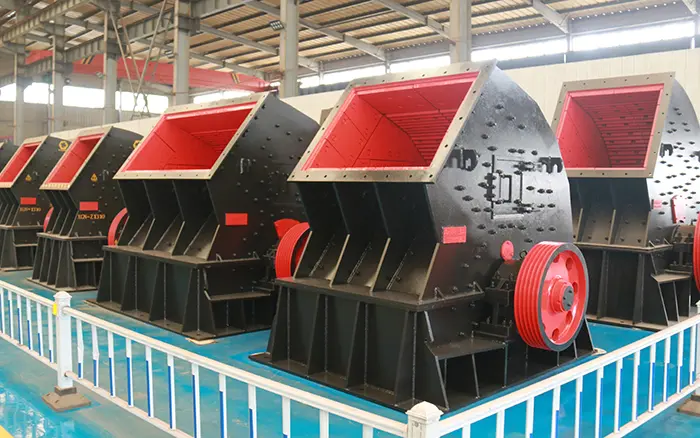
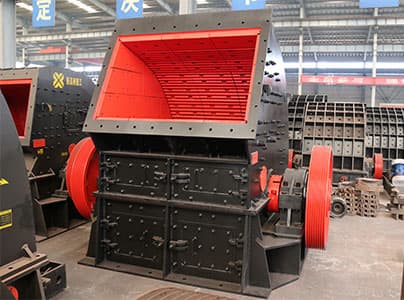
Hammer crusher parts are the essential components of this primary and secondary crushing equipment, widely used to break down rocks, ores, and construction waste. Each part collaborates to deliver high-impact crushing force, ensuring efficient reduction of materials into uniform particles.
Understanding hammer crusher parts—their roles, wear patterns, and maintenance needs—is crucial for minimizing downtime, extending equipment lifespan, and optimizing crushing performance.
Core Hammer Crusher Parts & Their Functions
Core hammer crusher parts bear the brunt of impact and abrasion, designed for high strength, toughness, and resistance to wear in harsh working environments.
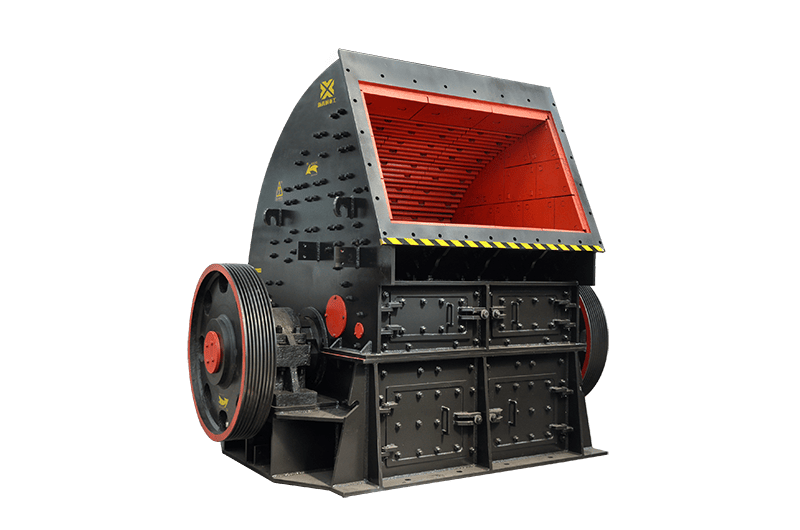
1. Hammers (Crushing Hammers)
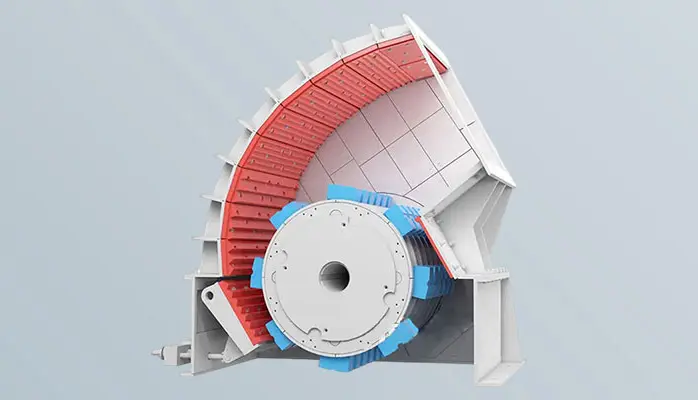
Hammers are the most critical hammer crusher parts, responsible for delivering impact force to crush materials. They are mounted on the rotor and swing outward under centrifugal force during rotation.
Made of high-manganese steel, alloy steel, or composite materials, they feature a wear-resistant structure to withstand repeated impact with hard materials.
2. Rotor Assembly
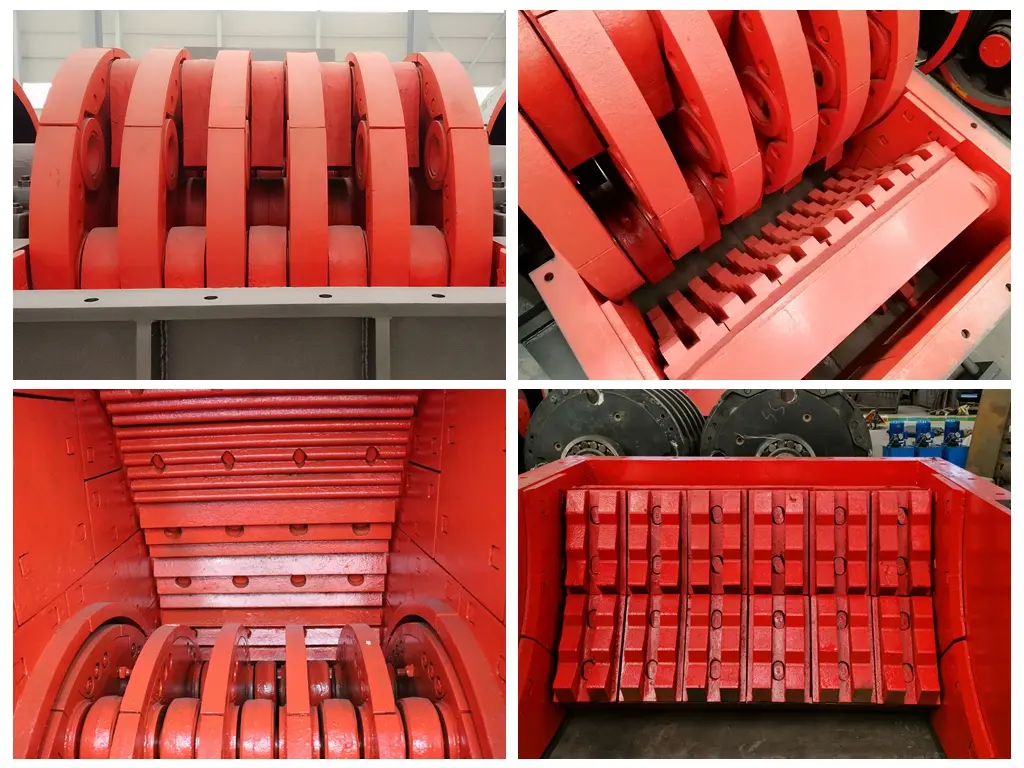
The rotor assembly is the power core of hammer crusher parts, consisting of a rotor shaft, disk plates, and hammer pins. It drives the hammers to rotate at high speed (800-1500 RPM).
Crafted from high-strength alloy steel, the rotor ensures stable rotation and transmits torque efficiently, supporting continuous crushing operations.
3. Crushing Chamber
The crushing chamber is the enclosed space where materials are crushed, formed by the rotor, side liners, and grate bars. It guides material flow and controls the final particle size.
Its design ensures materials are repeatedly impacted by hammers until they pass through the grate bars, achieving the desired crushing effect.
4. Grate Bars (Screen Bars)
Grate bars are installed at the bottom of the crushing chamber, acting as a sieve to control the discharge size of crushed materials. They prevent oversized particles from being discharged.
Made of wear-resistant steel, grate bars are replaceable and can be adjusted to modify the discharge gap for different particle size requirements.
5. Side Liners & Front Liners
Side liners and front liners are protective hammer crusher parts, attached to the inner walls of the crushing chamber. They shield the chamber body from abrasion and impact damage.
Their replaceable design reduces maintenance costs, as worn liners can be swapped out without repairing the main chamber structure.
Auxiliary Hammer Crusher Parts for Stable Operation
Auxiliary hammer crusher parts support core crushing functions, ensuring smooth operation, safety, and efficient material handling.
1. Drive System
The drive system includes a motor, V-belts, pulleys, and couplings, providing power to the rotor assembly. It converts electrical energy into rotational energy for hammer movement.
V-belts offer shock absorption and overload protection, preventing damage to key hammer crusher parts during sudden load increases.
2. Bearings
Bearings support the rotor shaft, reducing friction between rotating and fixed components. They are typically spherical roller bearings, designed to handle heavy radial and axial loads.
Proper lubrication of bearings is essential to prevent overheating and premature wear, ensuring long-term stable operation.
3. Lubrication System
The lubrication system supplies grease or oil to bearings and other moving hammer crusher parts, minimizing friction and abrasion. It extends component service life and reduces energy consumption.
Manual or automatic lubrication systems are available, with automatic models ensuring consistent lubrication for high-volume operations.
4. Feed Hopper & Chute
The feed hopper collects bulk materials and guides them evenly into the crushing chamber, preventing uneven loading and rotor imbalance. The chute ensures smooth material transfer.
Wear-resistant liners inside the hopper and chute protect against abrasion from hard, angular materials.
5. Frame & Base
The frame and base provide structural support for all hammer crusher parts, absorbing vibration and impact generated during crushing. They are made of heavy-duty welded steel for rigidity.
A stable base prevents equipment displacement and reduces noise, ensuring safe operation in industrial settings.
Material Selection for Hammer Crusher Parts
Material selection for hammer crusher parts depends on their function and operating conditions, prioritizing wear resistance, impact toughness, and strength.
Wear parts (hammers, grate bars, liners) use high-manganese steel, alloy steel, or composite materials; structural parts (frame, rotor shaft) use carbon steel or alloy steel.
Maintenance Tips for Hammer Crusher Parts
Proper maintenance of
hammer crusher parts is key to maximizing equipment uptime and reducing operational costs in mining and construction.
Inspect Wear Parts: Check hammers, liners, and grate bars weekly for abrasion; rotate or replace hammers when wear is uneven, and replace liners when thickness decreases by 50%.
Lubrication Management: Monitor lubricant levels and quality, replacing grease every 2,000-3,000 operating hours to protect bearings and moving components.
Check Rotor Balance: After replacing hammers, balance the rotor to avoid vibration and uneven wear on bearings.
Clean Components: Remove material buildup from the crushing chamber and grate bars to maintain smooth material flow and consistent crushing efficiency.
Conclusion
Hammer crusher parts work synergistically to deliver reliable impact crushing performance, with core parts handling the crushing action and auxiliary parts ensuring stability and safety.
By understanding the functions, materials, and maintenance of hammer crusher parts, operators can optimize crushing processes, extend equipment lifespan, and reduce operational costs in diverse industrial applications.