

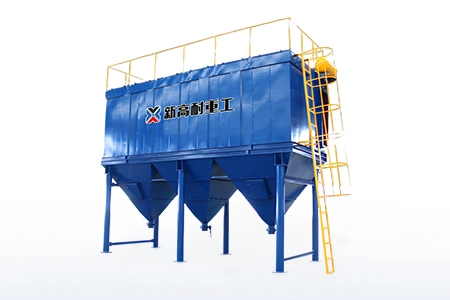
Pulse jet bag filters (also called pulse jet baghouses) are a cornerstone of industrial air pollution control. They remove fine dust and particulate matter from exhaust gases with very high efficiency—up to 99.9% in many applications. If your operation involves cement production, power generation, steel mills, or chemical processing, you probably rely on a baghouse to meet strict emission regulations. But a pulse jet system is only as good as the manufacturer behind it. This article explains how these filters work, what to look for in a manufacturer, and how to choose a reliable supplier for your facility.
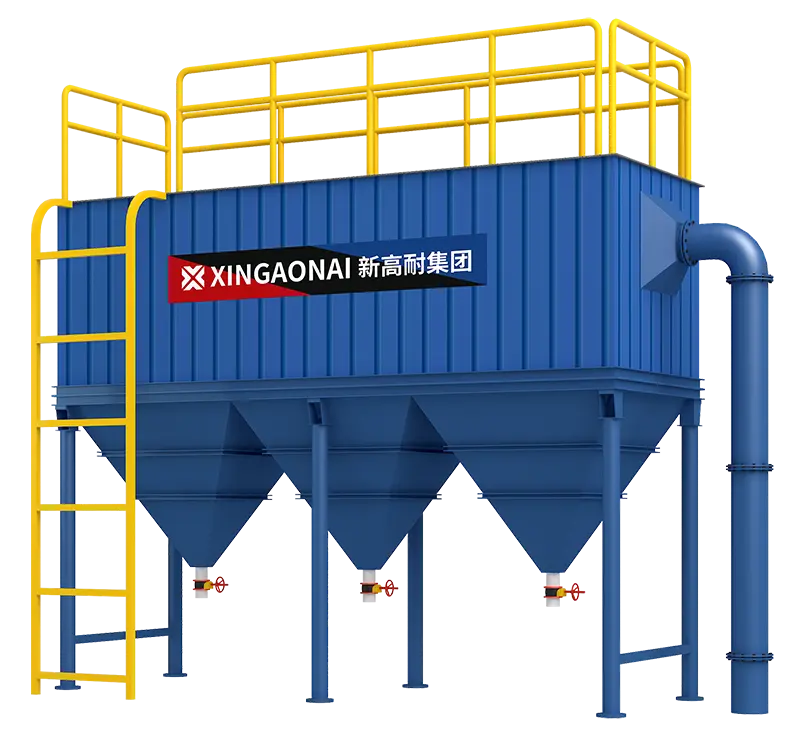
How Pulse Jet Bag Filters Work
The pulse jet cleaning mechanism is what sets this baghouse apart from other designs (like shaker or reverse-air systems). It uses short, high-pressure bursts of compressed air to clean the filter bags without stopping the filtration process (a feature called “online cleaning”).
Here’s a step-by-step breakdown of how a pulse jet bag filter works:
Filtration: Dust-laden gas flows into the baghouse and passes through fabric filter bags from the outside in. Dust collects on the bag surfaces while clean air exits the system.
Cleaning (The Pulse): A sensor detects when the dust cake gets thick enough to affect performance. Then a solenoid valve releases a short blast of compressed air (typically 0.1–0.2 seconds) down through a blow pipe and a venturi nozzle into the filter bag.
Dust Dislodging: The high-pressure air creates a shockwave that makes the bag expand outward and snap back. This sudden movement shakes the dust cake loose, allowing it to fall into a hopper below.
Continuous Operation: The cleaning pulse only lasts a fraction of a second, so the baghouse keeps filtering gas the rest of the time. This allows the system to run continuously without shutting down for cleaning.
This self-cleaning action allows pulse jet systems to maintain stable performance with lower energy consumption than older technologies. It also makes them very space-efficient. Because of their high cleaning efficiency, these units can handle a higher “air-to-cloth ratio”—a smaller physical footprint for the same air volume compared to other designs.
Key Features to Look For in a Manufacturer
The best manufacturers combine high-quality components, custom design capabilities, after-sales support, and industry certifications.
Filter Media Selection
The filter bag material determines the system's temperature limit, chemical resistance, and service life. A reliable manufacturer will help you match the media to your specific process gas. Different applications require different materials:
Polyester: best for general applications with temperatures up to 150°C (302°F).
Aramid (Nomex): suitable for high temperatures up to 204°C (400°F).
PPS (Ryton): good for acidic environments with temperatures up to 190°C (374°F).
PTFE / Fiberglass: ideal for extreme temperatures (up to 260°C / 500°F) and corrosive conditions.
PTFE-coated: provides low friction and excellent cake release for sticky dust.
Manufacturers should offer a wide selection from these families and also provide surface treatments like water/oil repellent finishes to extend bag life in challenging conditions.
Quality of Components
A pulse jet baghouse is a system of interdependent parts. Choosing a manufacturer that uses high-quality components is key:
Filter Bags: Look for needle felt or woven fabrics with high tensile strength and leak-proof seams (often triple-stitched).
Filter Cages: These wire cages support the bags inside the housing. Poor-quality cages will bend or corrode quickly, leading to premature bag failure.
Pulse Valves: These are the parts that release the compressed air blast. A reliable manufacturer uses valves with rugged diaphragms and coils that resist dust, moisture, and corrosion.
Tube Sheet: The metal plate that separates the dirty and clean air plenums. Its holes must be precision-punched for an accurate, tight seal around each bag. Poor alignment here leads to dust bypass and emissions problems.
Manufacturer Certifications and Standards
A reputable manufacturer should follow established industry standards and local regulations. These documents ensure the equipment meets minimum safety and performance requirements. For pulse jet bag filters, look for manufacturers that comply with standards like:
NFPA (National Fire Protection Association) standards (NFPA 654, 68, 69) for combustible dust explosion protection.
JB/T 8532-2023 (Chinese national standard) for technical requirements and test methods.
OSHA and EPA compliance for emissions and worker safety.
This compliance is especially important for facilities handling combustible dust, because explosion venting and static electricity prevention are often mandatory.
Customization and Sizing
No two industrial processes are identical. The best manufacturers offer custom sizing, bag lengths, and material configurations to match your exact airflow (CFM), gas temperature, and dust load. Choose a supplier that uses pilot testing or CFD (computational fluid dynamics) modeling to ensure the system will work correctly in your specific application.
After-Sales Support and Availability of Spare Parts
A good manufacturer doesn’t disappear after delivery. Look for local representation or a responsive support team. Quick access to replacement bags, cages, and diaphragm valves is essential to minimize unplanned downtime. This is often a strong advantage for Chinese suppliers with a proven export record, as they typically maintain large inventories and offer fast international shipping.
Why Choosing the Right Manufacturer Matters
The global filter bag market was valued at $8.1 billion in 2024, and it's growing quickly due to stricter environmental laws worldwide. The pulse jet segment holds a major market share because of its efficiency and continuous operation.
Given this growth, you have many options for suppliers. But picking the wrong one has real consequences: poor-quality bags or improper sizing leads to higher differential pressure, more frequent cleaning cycles, reduced bag life, and higher operating costs. In the worst cases, it can cause permit violations or even combustion hazards.
How to Find a Reliable Pulse Jet Bag Filter Manufacturer
Here is a checklist to follow when evaluating potential suppliers:
Check Their Material Experience: Ask what filter media they recommend for your specific dust type, temperature, and chemical conditions.
Request Case Studies: Ask for references from similar industries (cement, steel, power, etc.).
Inspect Component Quality: Request samples of bags and cages to check the seam stitching, metal gauge, and fit.
Verify Certifications: Ask for documentation regarding NFPA compliance or other applicable standards.
Review the Maintenance Plan: Ask about recommended cleaning intervals, troubleshooting support, and how quickly they can ship replacement parts.
Look for a Track Record: Choose a manufacturer with a proven history of supplying pulse jet systems to your industry.
Some well-regarded manufacturers and suppliers in this space include W. L. Gore and Associates, Donaldson, Parker Hannifin, and BWF Envirotec, as well as specialized Chinese manufacturers with strong quality control like XINGAONAI Group, Filtech Textiles, and Star Machine Technology.

Conclusion
A pulse jet bag filter is a major investment in your facility's compliance, worker safety, and long-term operational efficiency. Its high efficiency, continuous operation, and small footprint make it the best choice for most industrial applications. However, its real-world performance depends entirely on the quality of the manufacturer you choose. By focusing on filter media expertise, component quality, and reliable after-sales support, you can select a partner that will keep your air clean for years to come.